Acetylacetone
Also known as 2,4-Pentanedione, Pentane-2,4-dione, 2,4-Dioxopentane
Key facts
What buyers check first
- Appearance
- Colorless or slightly yellow liquid
- Melting point
- -23 °C
- Boiling point
- 138 °C
- Density
- Relative density (water = 1): 0.98
- Flash point
- 38 °C
- HS code
- 291419
- Category
- Cosmetic ingredients
- UN number
- UN 2310
What is Acetylacetone?
Plain description, key identifiers and synonyms
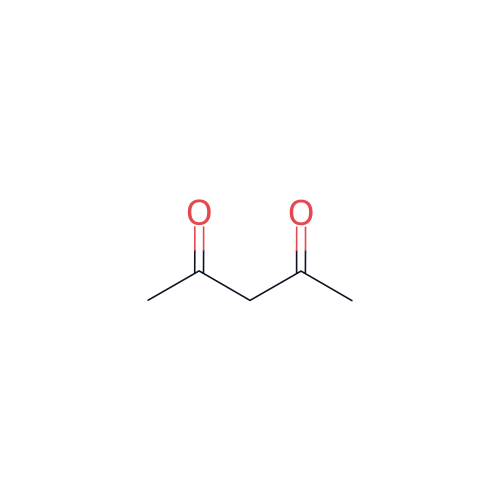
Acetylacetone is a beta-diketone that is pentane in which the hydrogens at positions 2 and 4 are replaced by oxo groups. It is a conjugate acid of an acetylacetonate.
Identifiers
Registry numbers, names and line notations, tap to copy
- IUPAC name
- pentane-2,4-dione
- CAS number
- 123-54-6 CAS number cross-checkedOther or deprecated CAS: 14024-62-5, 81235-32-7
- EC number
- 204-634-0
- Molecular formula
- C5H8O2
- UNII
- 46R950BP4J
- MDL number
- MFCD00008787
- INCI name
- PENTANEDIONE
- InChIKey
- YRKCREAYFQTBPV-UHFFFAOYSA-N
- InChI
- InChI=1S/C5H8O2/c1-4(6)3-5(2)7/h3H2,1-2H3
- SMILES (canonical and isomeric)
- CC(=O)CC(=O)C
Synonyms
- 2,4-Pentanedione
- Pentane-2,4-dione
- 2,4-Dioxopentane
- Acetoacetone
- Diacetylmethane
- ACAC
- Pentanedione
- Acetyl acetone
- Pentan-2,4-dione
- Pentanedione-2,4
- Acetyl 2-propanone
- Acetone, acetyl-
- Hacac
- 2-Propanone, acetyl-
- 2,4-Pentadione
- 2,4-Pentandione
- acetylaceton
- acetyl-acetone
- CH3COCH2COCH3
- 4-Hydroxy-3-penten-2-one
- pentane-2
- pentan-2
- 2,4 pentanedione
- 2.4-pentanedione
- pentane2,4-dione
Show all 35 synonymsShow fewer synonyms
- Acetyl-2-Propanone
- 2,4-pentane-dione
- Acetylacetone enol
- 1-methylbutane-1,3-dione
- 4-01-00-03662 (Beilstein Handbook Reference)
- Pentane-2,4-dione [UN2310] [Flammable liquid]
- Acetylacetone, analytical standard
- UN 2310
- Acetylacetone, ReagentPlus(R), >=99%
- Acetylacetone, JIS special grade, >=99%
Physical and chemical properties
Measured values and descriptors computed from the structure
Physical and chemical properties
Measured values, check the supplier specification for your grade
| Appearance | Colorless or slightly yellow liquidexp.Measured value |
|---|---|
| Odour | Pleasant odorexp.Measured value |
| Melting point | -23 °Cexp.Measured value |
| Boiling point | 138 °Cexp.Measured value |
| Density | Relative density (water = 1): 0.98exp.Measured value |
| Flash point | 38 °Cexp.Measured value |
| Autoignition temperature | 340 °Cexp.Measured value |
| Solubility | In water, 166,000 mg/L at 20 °Cexp.Measured value |
| Vapour pressure | Vapor pressure, kPa at 20 °C: 0.93exp.Measured value |
Values vary by grade. Ask suppliers for the COA or TDS of the batch you buy.
Computed descriptors
Calculated from the structure, useful for screening and formulation
| Molecular weight | 100.12 g/molcalc.Computed value |
|---|---|
| Exact mass | 100.0524 Dacalc.Computed value |
| LogP (octanol/water) | 0.55calc.Computed value |
| Topological polar surface area | 34.14 Ųcalc.Computed value |
| Hydrogen bond donors | 0calc.Computed value |
| Hydrogen bond acceptors | 2calc.Computed value |
| Rotatable bonds | 2calc.Computed value |
| Heavy atoms | 7calc.Computed value |
| Rings | 0calc.Computed value |
| Aromatic rings | 0calc.Computed value |
| Fraction sp3 carbons | 0.6calc.Computed value |
| Formal charge | 0calc.Computed value |
| Stereocentres | 0calc.Computed value |
| Lipinski rule of five | Passes (0 violations)calc.Computed value |
Calculated for screening. Confirm critical figures with the supplier.
Safety and hazards
GHS classification summary, not a safety data sheet
Hazard statements
- H226Flammable liquid and vapour.
- H302Harmful if swallowed.
Precautionary statements (15)
- P210Keep away from heat, hot surfaces, sparks, open flames and other ignition sources. No smoking.
- P233Keep container tightly closed.
- P240Ground and bond container and receiving equipment.
- P241Use explosion-proof electrical, ventilating and lighting equipment.
- P242Use non-sparking tools.
- P243Take action to prevent static discharges.
- P264Wash skin thoroughly after handling.
- P270Do not eat, drink or smoke when using this product.
- P280Wear protective gloves, protective clothing, eye protection and face protection.
- P301 + P317If swallowed: Get medical help.
- P303 + P361 + P353If on skin (or hair): Take off immediately all contaminated clothing. Rinse skin with water or shower.
- P330Rinse mouth.
- P370 + P378In case of fire: Use appropriate media to extinguish.
- P403 + P235Store in a well-ventilated place. Keep cool.
- P501Dispose of contents and container in accordance with local regulations.
- UN number
- UN 2310
- Transport hazard class
- 3
- Packing group
- III
GHS classification summary, not a safety data sheet (SDS). Classifications can differ by supplier, grade and concentration. Always check the supplier's SDS.
Full safety data and first aidAcetylacetone suppliers
Sponsored listings first, then the documented ranking: membership, verification, replies, completeness, freshness and ratings
- China, Jining ManufacturerUnclaimed profileAcetylacetoneGrade, purity and minimum order on requestPrice on request
- China, NantongUnclaimed profileAcetylacetoneGrade, purity and minimum order on requestPrice on request
- Italy, VimercateUnclaimed profileAcetylacetoneGrade, purity and minimum order on requestPrice on request
- Belgium, AntwerpenUnclaimed profileAcetylacetoneGrade, purity and minimum order on requestPrice on request
- Price on request
- ChinaUnclaimed profileAcetylacetoneGrade, purity and minimum order on requestPrice on request
- Price on request
- China, QuzhouUnclaimed profileAcetylacetoneGrade, purity and minimum order on requestPrice on request
- France, Lille ManufacturerUnclaimed profileAcetylacetoneGrade, purity and minimum order on requestPrice on request
- China ManufacturerUnclaimed profileAcetylacetoneGrade, purity and minimum order on requestPrice on request
Suppliers marked Unclaimed profile have not claimed their profile yet. They are not verified by CompoundList, their offers are price on request and details may have changed, so please confirm them with the supplier. Company representatives can claim a profile with a business email on the company's own website domain. Our team verifies each claim and sends the result by email.
Where suppliers are based
120 suppliers in 19 countries
- China42
- United States31
- India16
- United Kingdom4
- Germany3
- Canada2
- and 13 more countries
Send one request to many suppliers
Choose up to 10 suppliers or let us match your request. Compare quotes side by side, free.
Acetylacetone price
Indicative price range per kg from live supplier offers
Suppliers quote this chemical on request. Send one free request and compare quotes side by side.
Uses and applications
What the substance is used for, by industry and function
Forms organometallic complexes which are used as gasoline additives, lubricant additives, driers for varnishes and printer's inks...
Fungicides, insecticides, colors.
Solvent for cellulose acetate, intermediate, chelating agent for metals, paint driers, lubricant additives.
2,4-Pentanedione is used as an intermediate, in particular for the synthesis of heterocyclic substances for biologically active compounds and dyes, and for the production of metal acetylacetonates. Furthermore, 2,4-pentanedione is used as a solvent, and as an absorption and extraction agent, particularly for the separation and purification of metal ions. Another application is for the purification of metal-containing wastewater and for corrosion protection. 2,4-Pentanedione is also used as a component of catalyst systems for polymerization, copolymerization, oligo- and dimerization.
Industrial uses: Stabilizing agent, Catalyst, Diluent, Hardener, Drier, Intermediate, Surface modifier.
Consumer uses: Other, Solvent, Chemical reaction regulator, Diluent, Corrosion inhibitor.
Industries and functions
Cosmetic ingredient, INCI name PENTANEDIONE(adhesive)
Cosmetic functions
- Adhesive
How it is made
2,4-Pentanedione is produced by thermal or metal-catalyzed rearrangement of isopropenyl acetate (obtained from acetone and ketene). Isopropenyl acetate vapor is fed at atmospheric pressure through a V2A steel tube with an inner temperature of 520 °C. The hot reaction gases are quenched, condensed, and cooled to 20 °C, whereby the gaseous byproducts carbon monoxide, carbon dioxide, methane, and ketene are separated. The product is purified by fractional distillation.
Read more
Other industrially less important processes for the production of 2,4-pentanedione, include the Claisen ester condensation of ethyl acetate with acetone using sodium ethoxide as condensation agent and the acetylation of acetoacetic acid esters with acetic anhydride in the presence of magnesium salts.
Made by the action of sodium on ethyl acetate and acetone or by the action of anhydrous aluminum chloride on acetyl chloride in the presence of an inert solvent.
Condensation of acetone and acetic anhydride with a boron trifluoride catalyst, reaction of acetone and ethyl acetate in the presence of sodium ethoxide.
Regulatory status
Inventories, regulations and trade controls that list this substance
Europe
- EU harmonised classification (CLP Annex VI)Index no: 606-029-00-0
Health and food
- EU cosmetic ingredient inventory
United States
- TSCA inventory (USA)Status: Active in US commerce, Regulatory flags: Proposed significant new use rule
HS code and trade data
Customs classification and reported world trade statistics
Global trade
World import and export statistics for the HS code Acetylacetone is traded under.
Acyclic ketones without other oxygen function, other
- China27.1%
- United States27.0%
- Germany10.5%
- China22.8%
- United States13.0%
- India * partner reported10.7%
* Partner reported figures, a lower bound.
The HS code shown for Acetylacetone is indicative (it was assigned by structure rules). Confirm the classification with your customs broker before shipping.
Related chemicals
Parent and salt forms, stereoisomers, similar structures and isomers
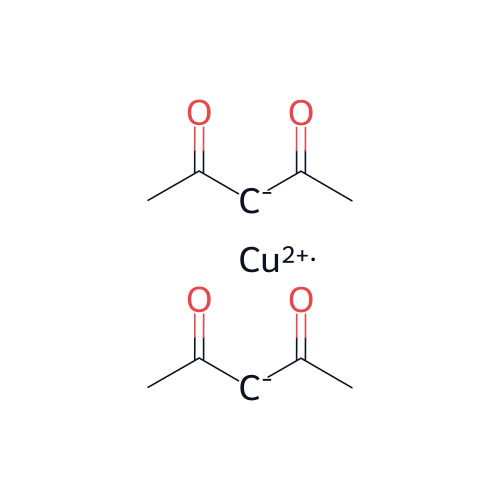
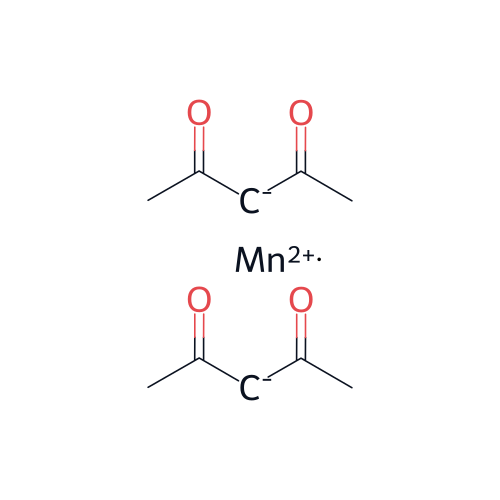
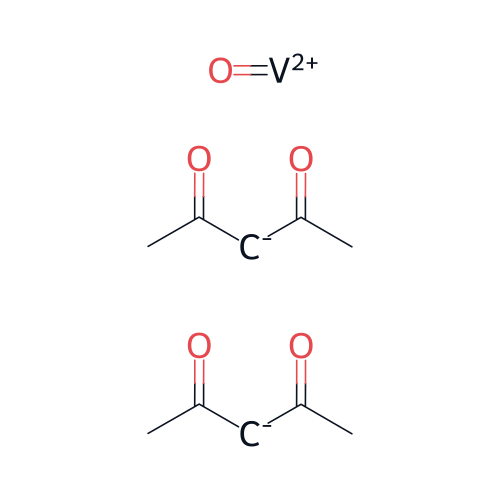
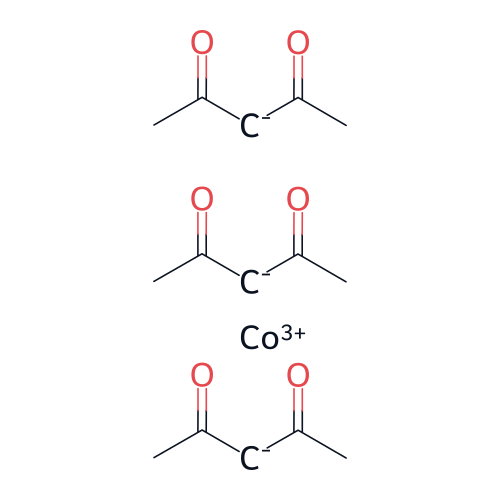
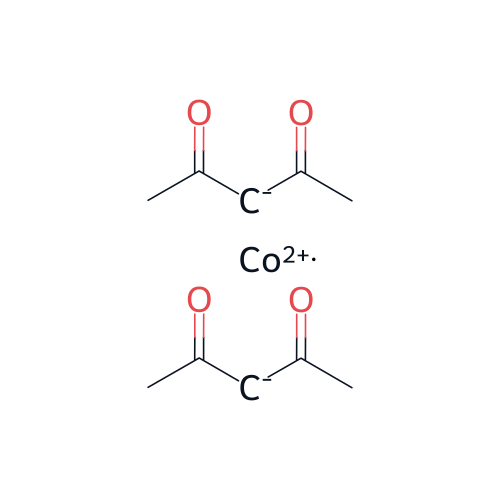
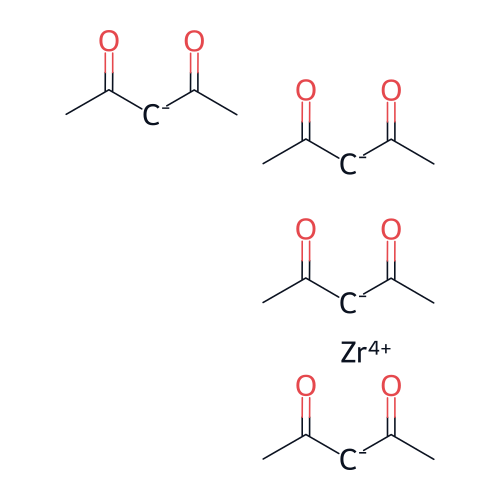
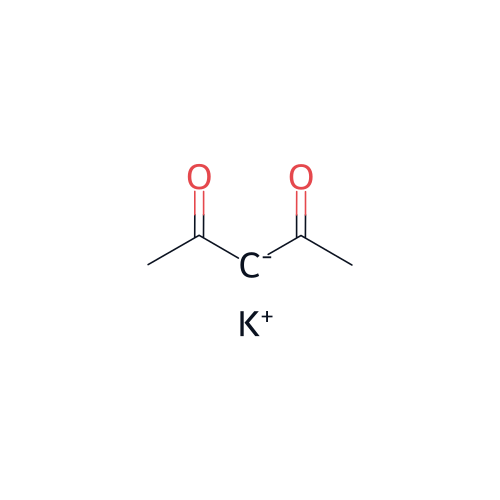
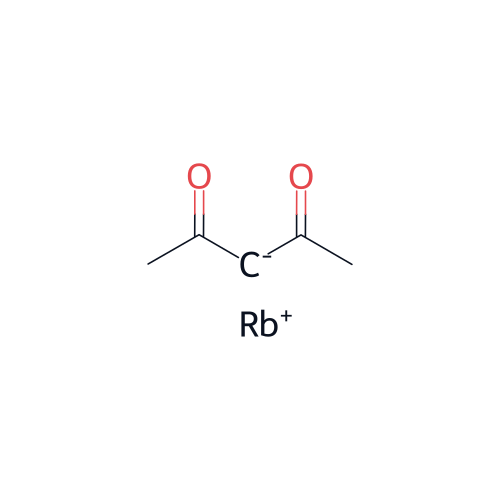
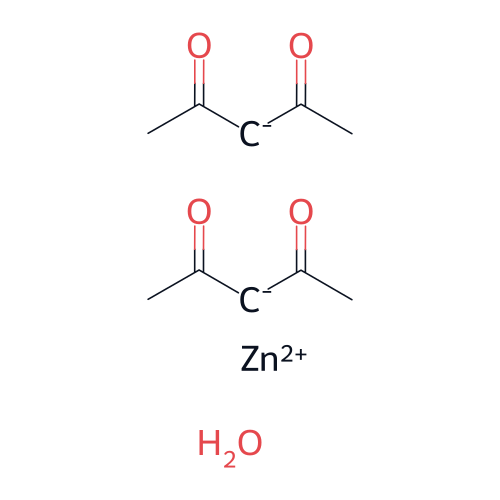
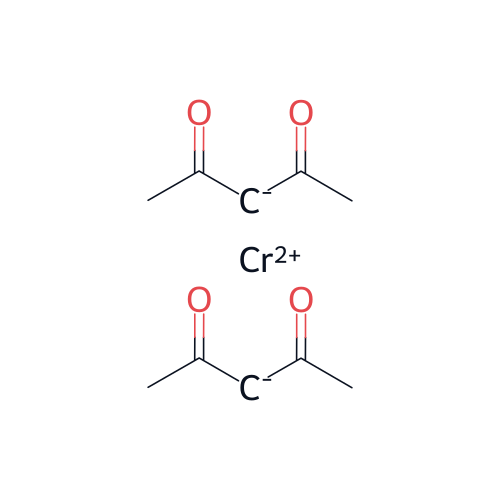
Salt and hydrate forms
Records that share this compound as their parent


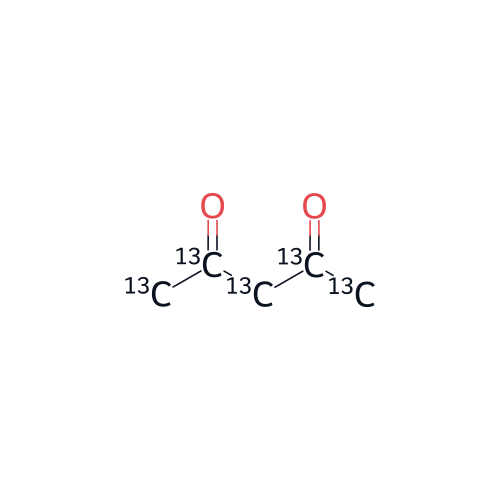
Stereoisomers and isotopic forms
Same connectivity, different stereochemistry or isotopes (same InChIKey skeleton)

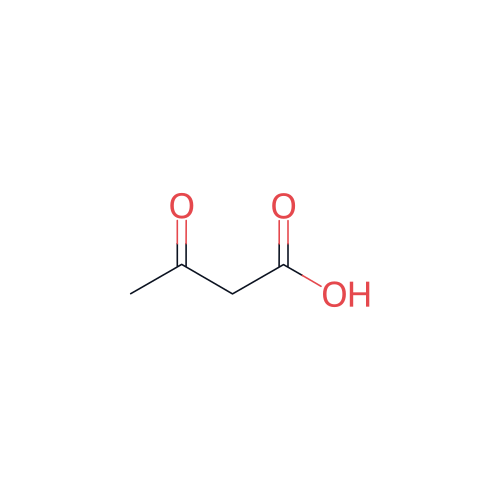
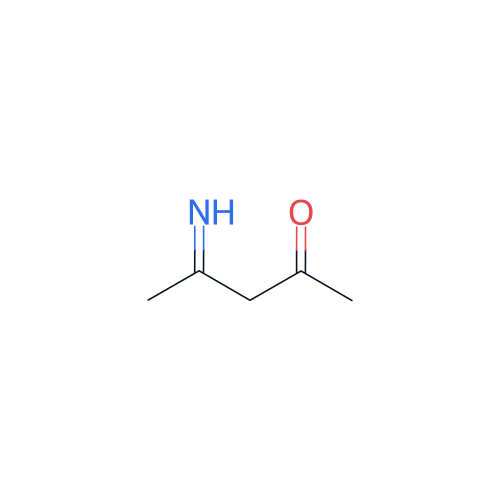
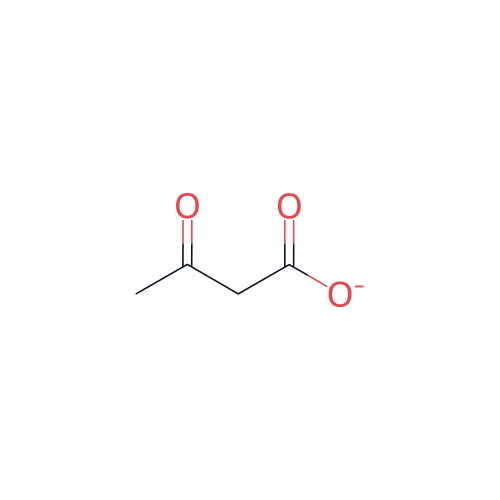
Similar structures
Nearest neighbours by Morgan fingerprint Tanimoto similarity


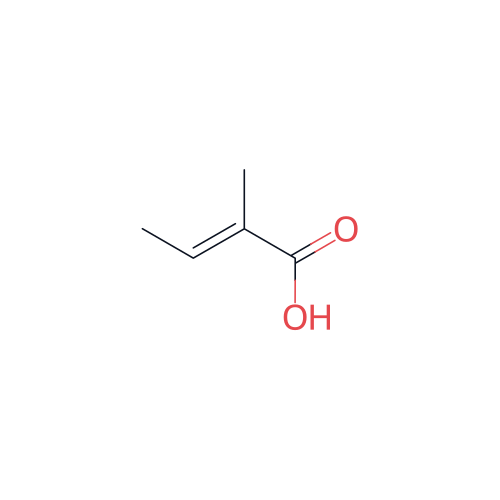
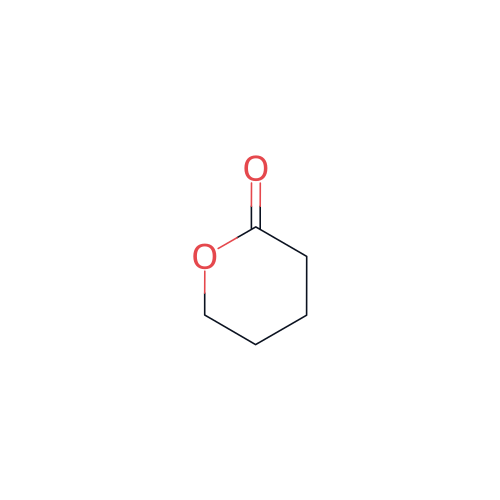
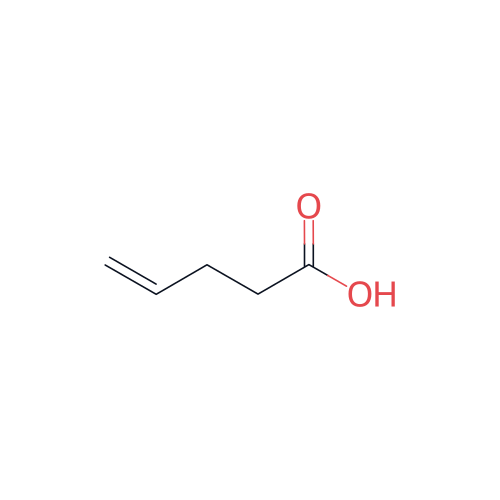
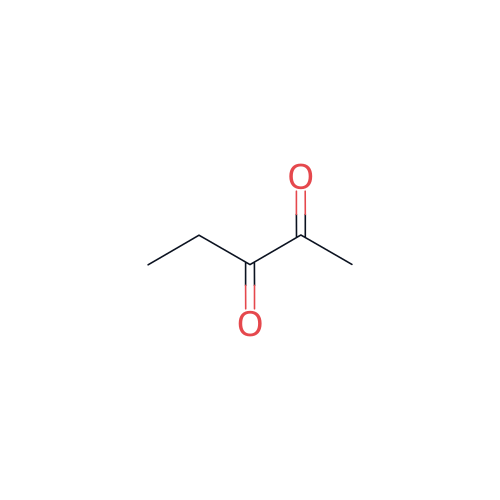
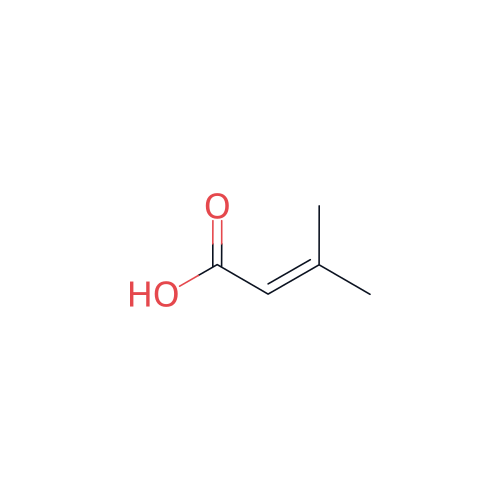
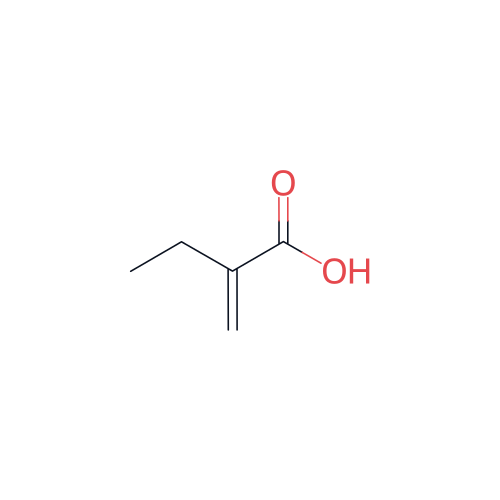
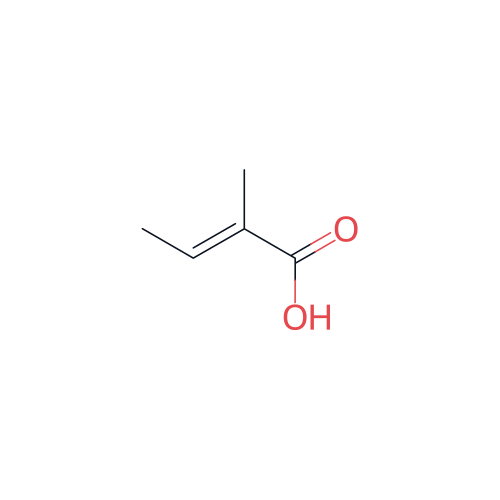
Same formula isomers
Different compounds that share this molecular formula



Frequently asked questions
Quick answers about Acetylacetone, based on the data on this page
What is Acetylacetone?
What is the CAS number of Acetylacetone?
What is the molecular formula and weight of Acetylacetone?
What is Acetylacetone used for?
Is Acetylacetone hazardous?
What is the HS code of Acetylacetone?
Where can I buy Acetylacetone?
Where can I buy Acetylacetone in India?
What is the price of Acetylacetone?
Guides for buyers
Practical guides that help when you source, ship or handle Acetylacetone
- Article, FormulationHow to choose a cosmetic emulsifierA structured way to choose an emulsifier for creams and lotions: emulsion type, HLB and its limits, emulsifier families, formula fit, stability testing and what to ask suppliers.Read
- Guide, SafetyHow to read a safety data sheet in 10 minutesA section by section method to pull the essentials out of any 16 section SDS: identity, hazards, composition, storage, PPE, properties, transport and emergency measures.Read
- Guide, Trade and logisticsShipping dangerous goods: UN numbers, classes and packing groupsHow the UN dangerous goods system works for chemicals, from the nine classes and UN numbers to packing groups, UN packaging marks, labels, documents and segregation.Read
Get quotes for Acetylacetone
Embed this structure on your websiteShow code
Paste this code into your page to show the 2D structure of Acetylacetone with a 3D view, its CAS number where known and a link back to this page. Free to use with the link kept.
<iframe src="https://www.compoundlist.com/embed/structure/acetylacetone-123-54-6" title="Acetylacetone structure on CompoundList" width="360" height="420" style="border:1px solid #E7E2DA;border-radius:12px;max-width:100%" loading="lazy" referrerpolicy="strict-origin-when-cross-origin"></iframe>Explore more in Cosmetic ingredients or HS code 291419