Textiles and leather chemicals and ingredients
- Chemicals
- 1,158
- Applications
- 8
- Suppliers
- 3,357
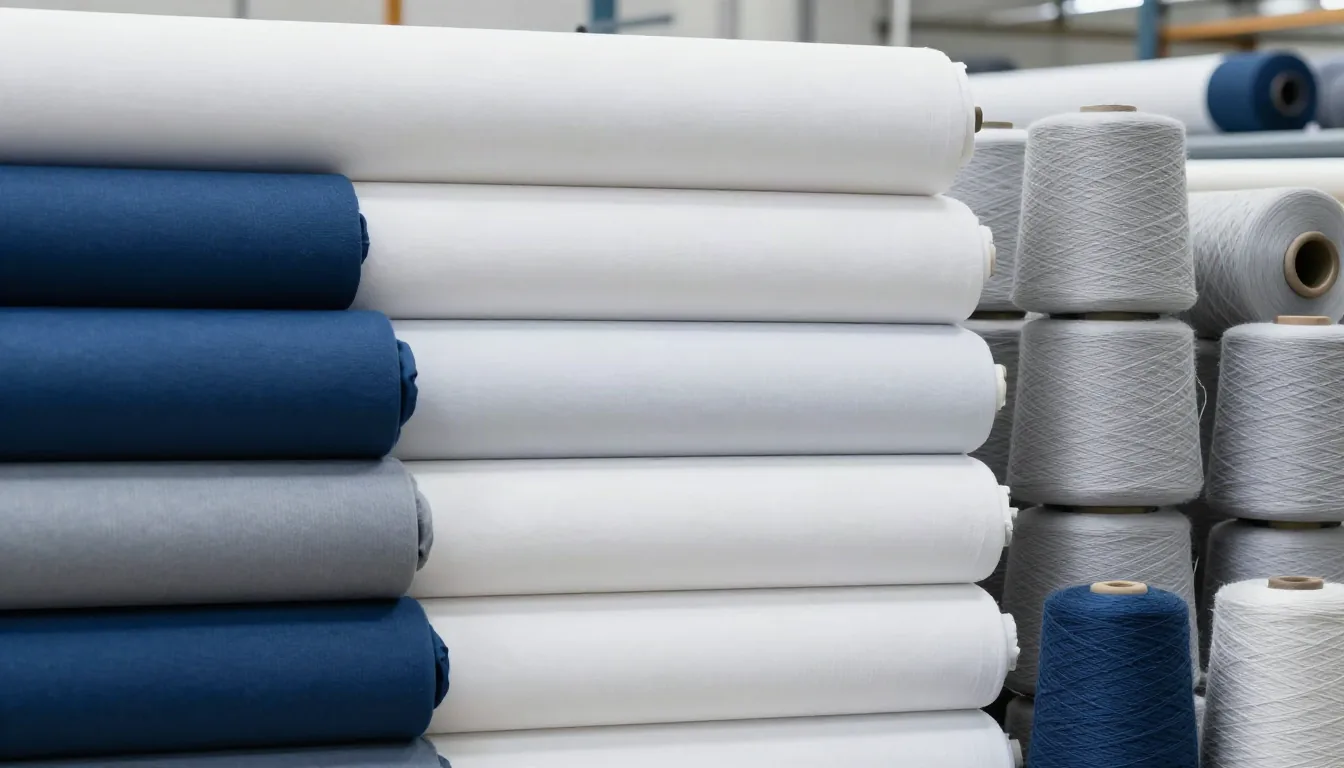
About textiles and leather
Textile and leather processing uses chemistry at every step. Fibres are cleaned, bleached and prepared, dyed or printed, then finished to make them soft, crease resistant, water repellent or flame retardant. Hides are soaked, limed, tanned, retanned, dyed, fatliquored and finished. This page groups the chemicals used for these steps, covering dyes, optical brighteners, wetting and scouring agents, bleaching agents, dye fixing agents, softeners, finishing agents and tanning agents.
Read more about textiles and leatherShow less
Dye selection follows the fibre. Reactive, direct, vat and sulfur dyes colour cotton and other cellulosic fibres, disperse dyes colour polyester, acid dyes colour wool, silk and nylon, and basic dyes colour acrylics. Auxiliaries such as levelling agents, sequestrants and fixing agents help dyes go on evenly and stay put. Leather makers mostly use chrome tanning salts, with vegetable and synthetic tannins, aldehydes and chrome-free systems growing in importance.
Chemical compliance is a major topic. Many brands require that suppliers follow a manufacturing restricted substances list such as the ZDHC MRSL and test products against restricted substance lists for azo amines, formaldehyde, alkylphenol ethoxylates, chlorinated paraffins, PFAS and heavy metals. Effluent rules in producing countries also affect which chemicals mills can use. When you post a request, give the Colour Index name or chemistry, the fibre or leather type, the process and the compliance certificates you need. Suppliers can then propose matching products and send lab samples for shade and fastness testing on your own substrate.
Browse by application in textiles and leather
Chemicals grouped by the job they do in a formulation or process.
- Textile dyes
Reactive, disperse, acid, direct, vat, sulfur and basic dyes.
877 chemicals - Optical brighteners
Fluorescent whitening agents for cotton, polyester and blends.
113 chemicals - Wetting, scouring and leveling agents
Surfactants used in pretreatment and dyeing.
10 chemicals - Bleaching agents
Peroxide and chlorine bleaches and stabilizers.
9 chemicals - Mordants and dye fixing agents
Products that fix dyes to fibers and improve fastness.
62 chemicals - Softeners
Cationic, silicone and nonionic softeners for hand feel.
143 chemicals - Finishing and flame retardant agents
Crease resistant, water repellent, antimicrobial and flame retardant finishes.
Being added - Tanning agents
Chrome, vegetable, aldehyde and synthetic tanning agents for leather.
2 chemicals
Top textiles and leather chemicals
Showing 1 to 48 of 1,158 chemicals, most searched and traded first.
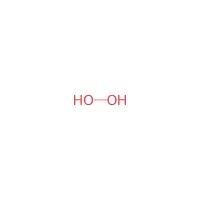
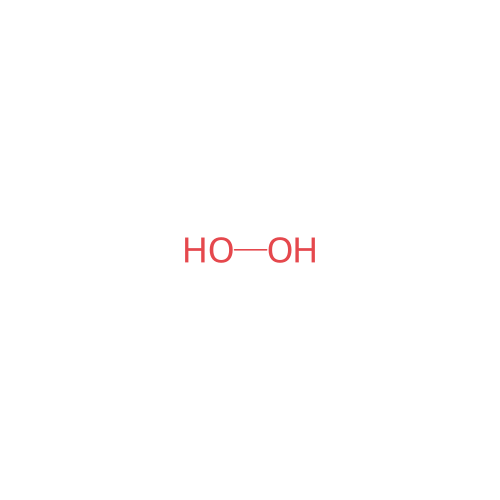 Hydrogen peroxideCAS 7722-84-1H2O2729 suppliers
 Methylene blueCAS 61-73-4C16H18ClN3S190 suppliers
 Oxalic acidCAS 144-62-7C2H2O4490 suppliers
 Crystal violetCAS 548-62-9C25H30ClN3117 suppliers
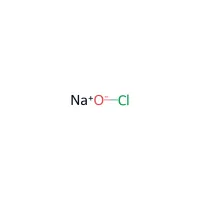
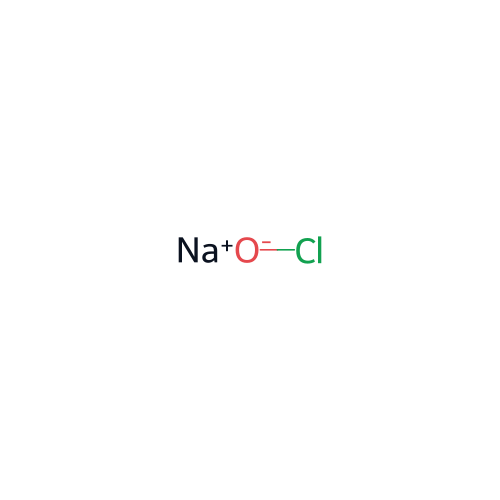 Sodium hypochloriteCAS 7681-52-9ClNaO555 suppliers
 Carbamide peroxideCAS 124-43-6CH6N2O342 suppliers
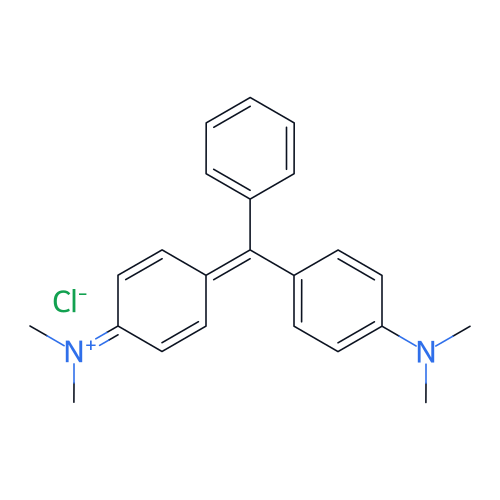 Malachite greenCAS 569-64-2C23H25ClN2131 suppliers
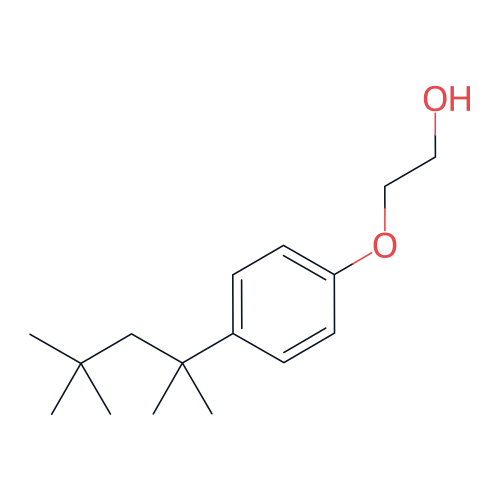 Triton X 100CAS 2315-67-5C16H26O251 suppliers
 Potassium alumCAS 10043-67-1AlKO8S2100 suppliers
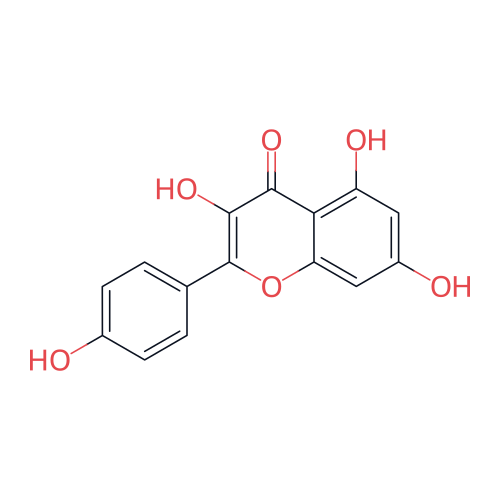 KaempferolCAS 520-18-3C15H10O6102 suppliers
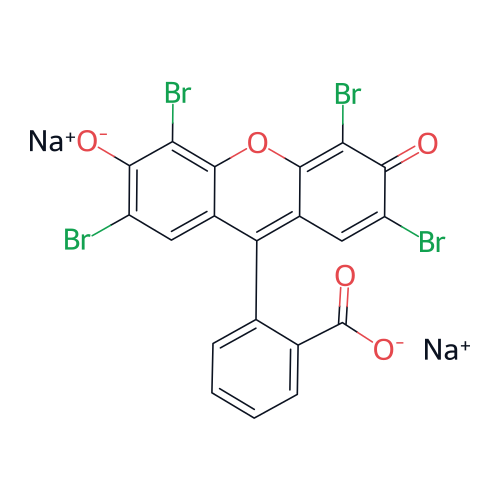 EosinCAS 17372-87-1C20H6Br4Na2O583 suppliers
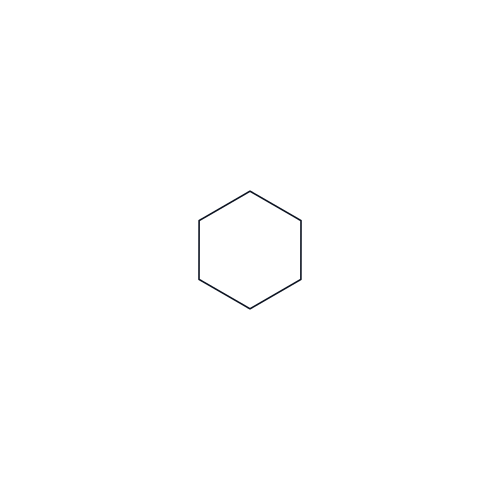 CyclohexaneCAS 110-82-7C6H12358 suppliers
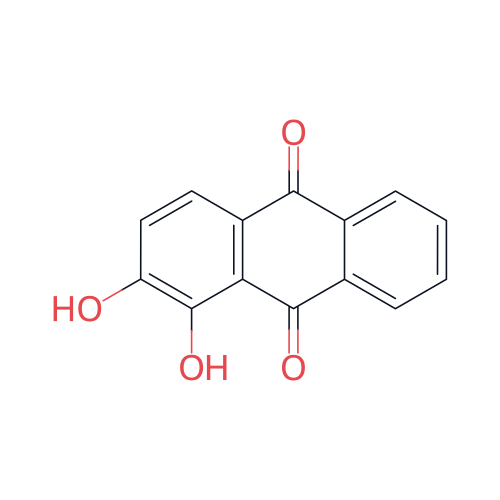 AlizarinCAS 72-48-0C14H8O4109 suppliers
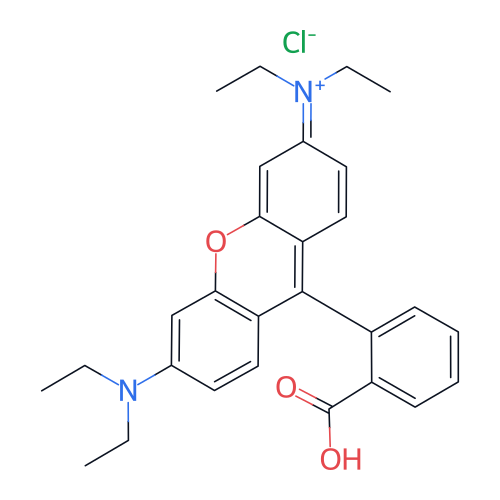 Rhodamine BCAS 81-88-9C28H31ClN2O3168 suppliers
 C.I. Acid Blue 90CAS 6104-58-1C47H48N3NaO7S260 suppliers
 Docusate calciumCAS 128-49-4C40H74CaO14S231 suppliers
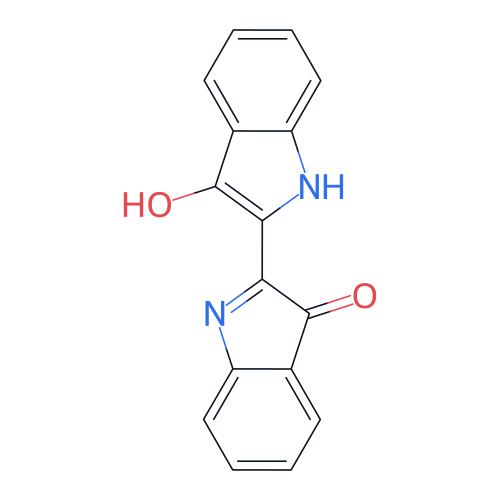 IndigoCAS 482-89-3C16H10N2O286 suppliers
 Benzenamine, 4,4'-((4-(methylimino)-2,5-cyclohexadien-1-ylidene)methylene)bis(N,N-dimethyl-, hydrochloride (1:1)CAS 603-47-4C24H28ClN330 suppliers
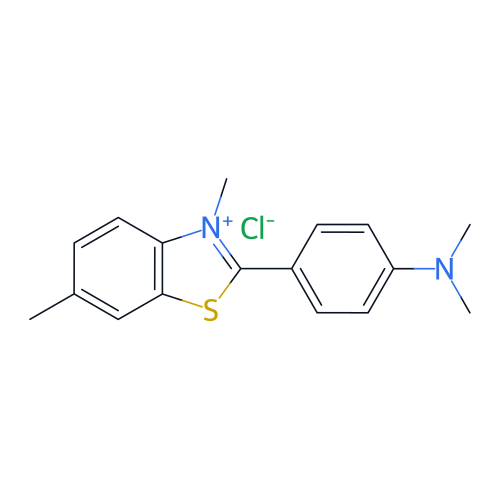 Thioflavin TCAS 2390-54-7C17H19ClN2S74 suppliers
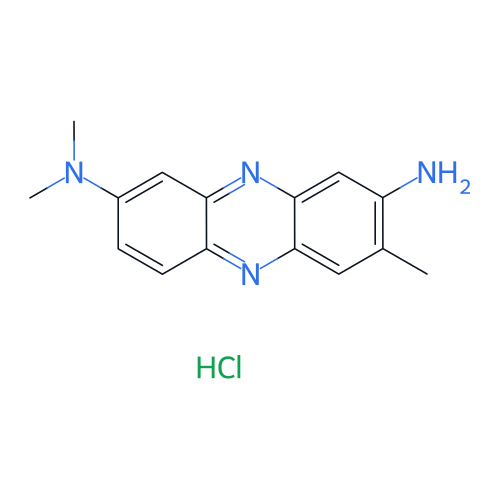 Neutral redCAS 553-24-2C15H17ClN469 suppliers
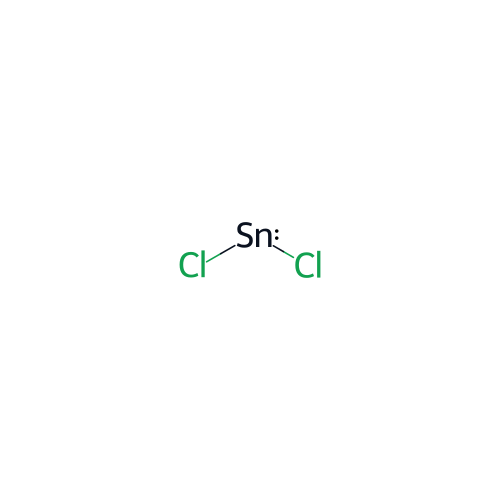 Stannous chlorideCAS 7772-99-8Cl2Sn90 suppliers
 Ferric sulfateCAS 10028-22-5Fe2O12S3133 suppliers
 Aluminum potassium sulfate dodecahydrateCAS 7784-24-9H24AlKO20S273 suppliers
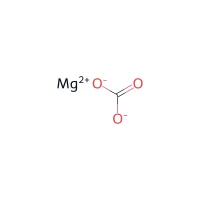
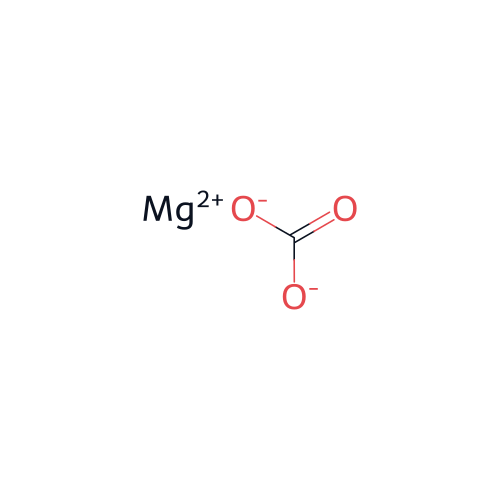 Magnesium carbonateCAS 546-93-0CMgO3206 suppliers
 ChromiaCAS 1308-38-9Cr2O3102 suppliers
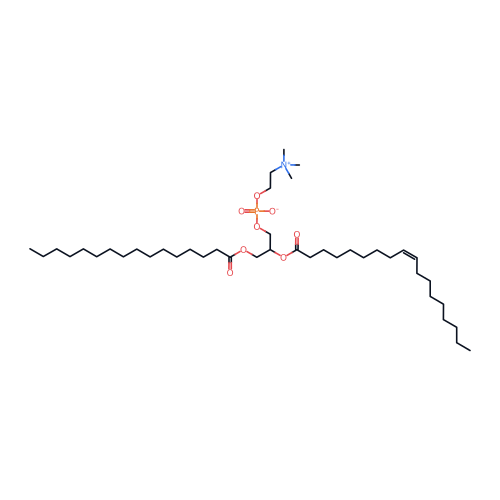 1-Palmitoyl-2-oleoylphosphatidylcholineCAS 6753-55-5C42H82NO8P4 suppliers
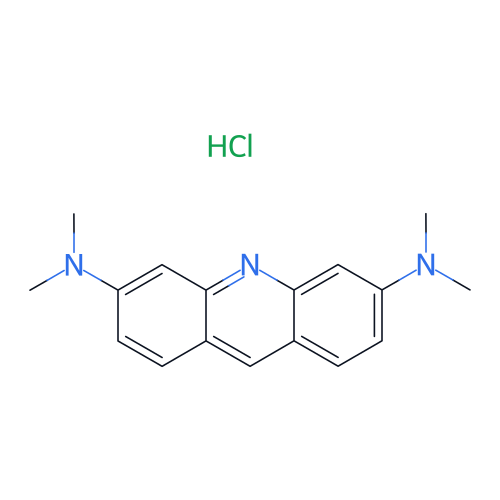 C.I. Basic Orange 14CAS 65-61-2C17H20ClN331 suppliers
 Phosphatidylcholines, eggCAS 97281-44-2C43H86NO8P5 suppliers
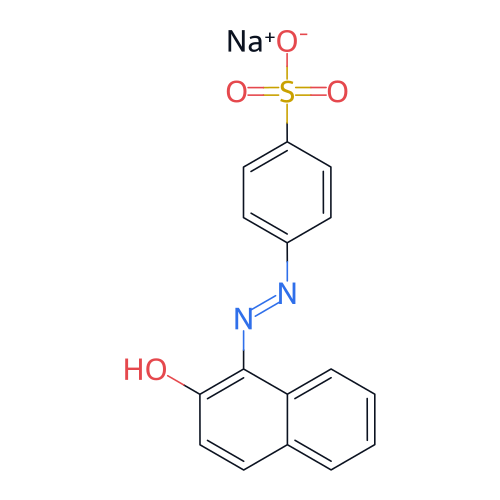 C.I. Acid Orange 7CAS 633-96-5C16H11N2NaO4S67 suppliers
 2H-Indol-2-one, 3-(1,3-dihydro-3-oxo-2H-indol-2-ylidene)-1,3-dihydro-CAS 479-41-4C16H10N2O252 suppliers
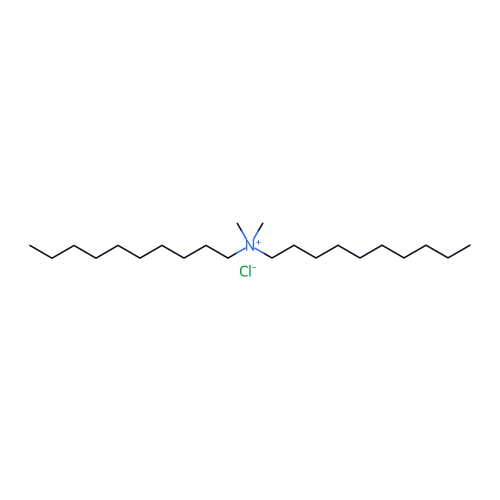 Didecyldimethylammonium chlorideCAS 7173-51-5C22H48ClN97 suppliers
 Sulfan blueCAS 129-17-9C27H31N2NaO6S231 suppliers
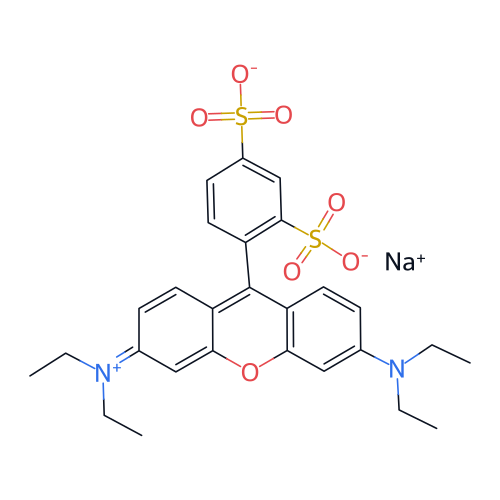 Acid Red 52CAS 3520-42-1C27H29N2NaO7S286 suppliers
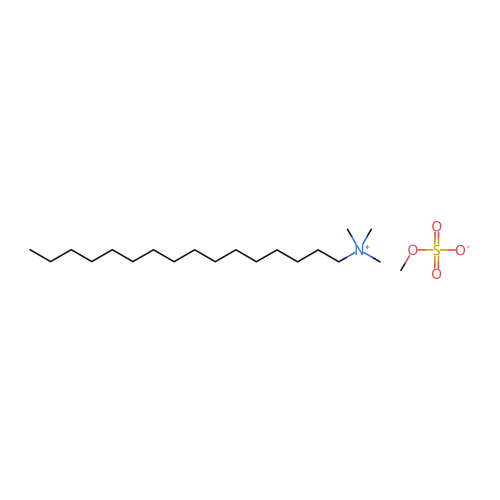 Cetrimonium methosulfateCAS 65060-02-8C20H45NO4S4 suppliers
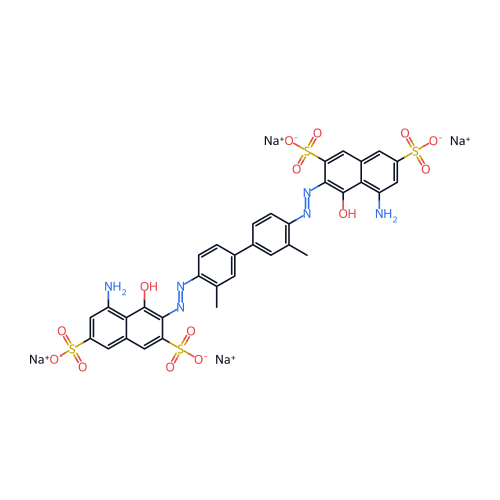 C.I. Direct Blue 14CAS 72-57-1C34H24N6Na4O14S425 suppliers
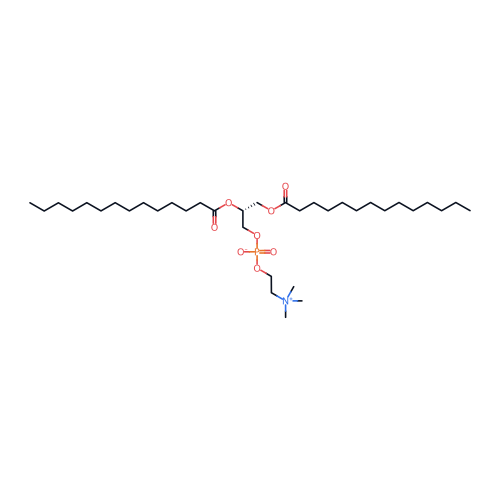 DimyristoylphosphatidylcholineCAS 18194-24-6C36H72NO8P27 suppliers
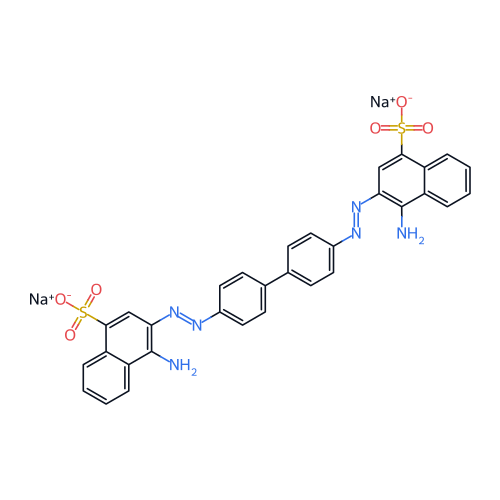 Congo redCAS 573-58-0C32H22N6Na2O6S242 suppliers
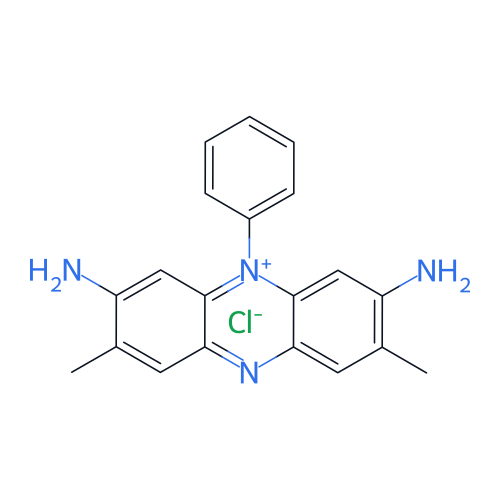 C.I. Basic Red 2CAS 477-73-6C20H19ClN441 suppliers
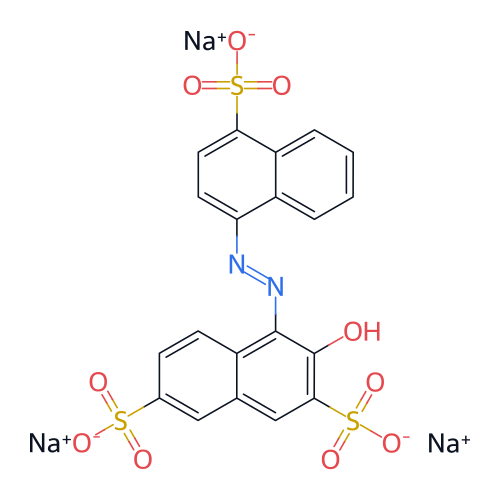 AmaranthCAS 915-67-3C20H11N2Na3O10S346 suppliers
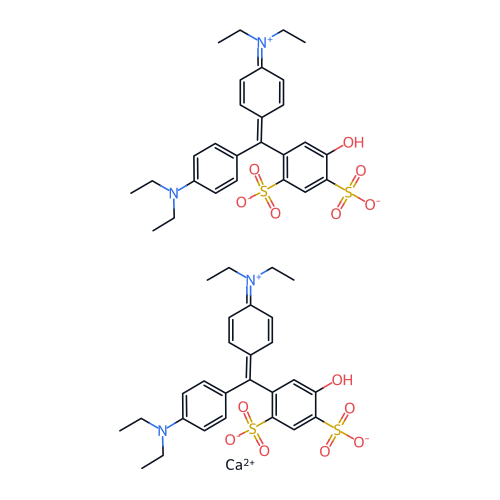 Acid Blue 3CAS 3536-49-0C54H62CaN4O14S416 suppliers
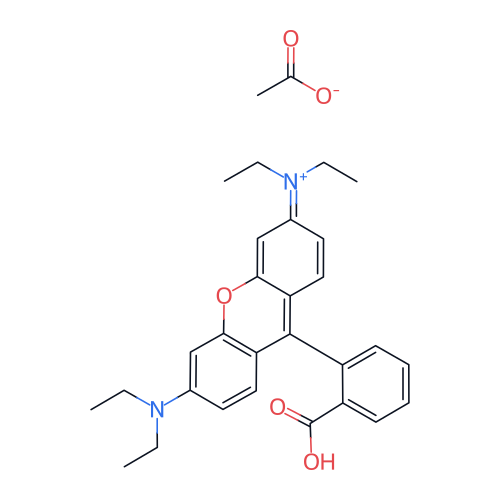 Xanthylium, 9-(2-carboxyphenyl)-3,6-bis(diethylamino)-, acetate (1:1)CAS 64381-99-3C30H34N2O55 suppliers
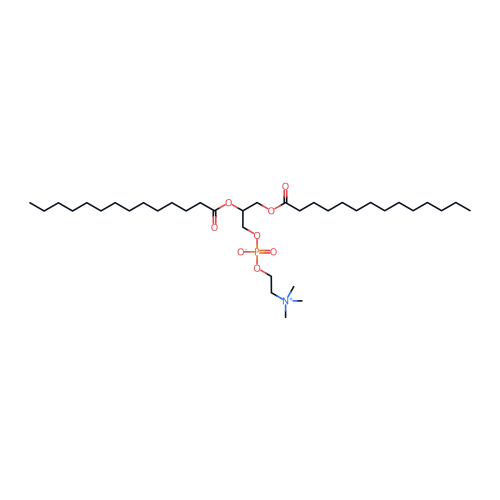 Dimyristoylphosphatidylcholine, DL-CAS 18656-38-7C36H72NO8P13 suppliers
 Reactive Blue 2CAS 12236-82-7C29H20ClN7O11S33 suppliers
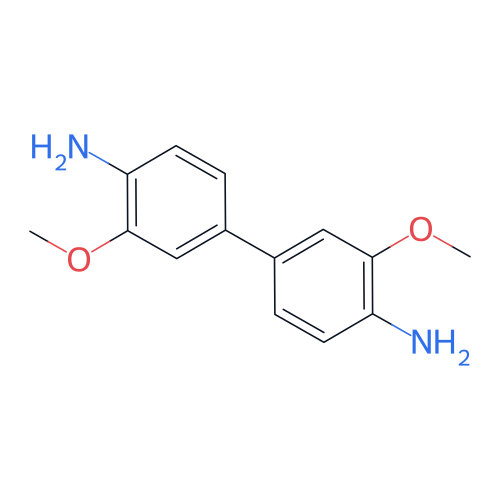 DianisidineCAS 119-90-4C14H16N2O229 suppliers
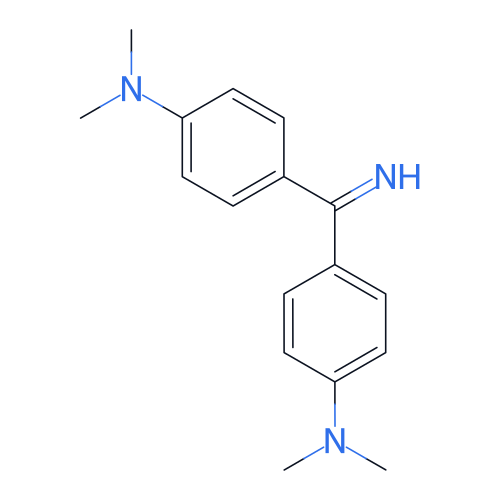 Solvent Yellow 34CAS 492-80-8C17H21N316 suppliers
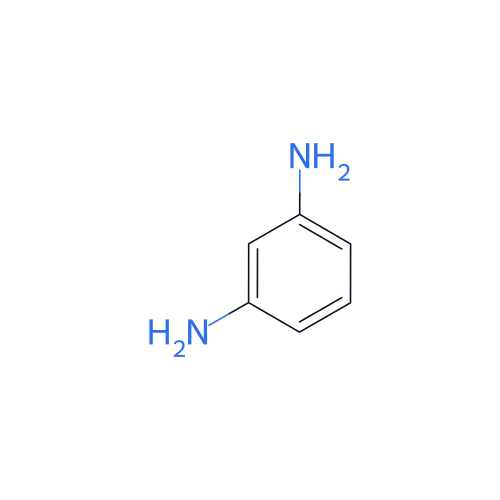 M-PhenylenediamineCAS 108-45-2C6H8N263 suppliers
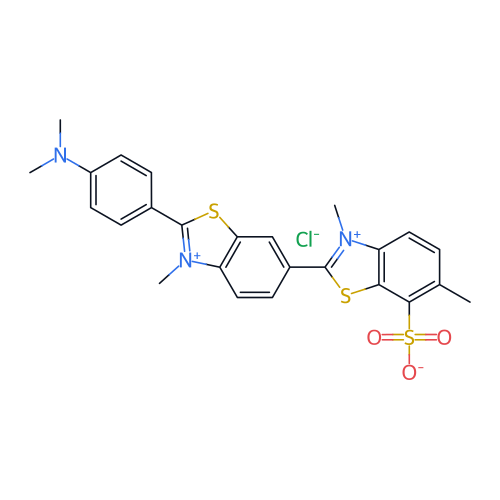 Thioflavin SCAS 1326-12-1C25H24ClN3O3S31 supplier
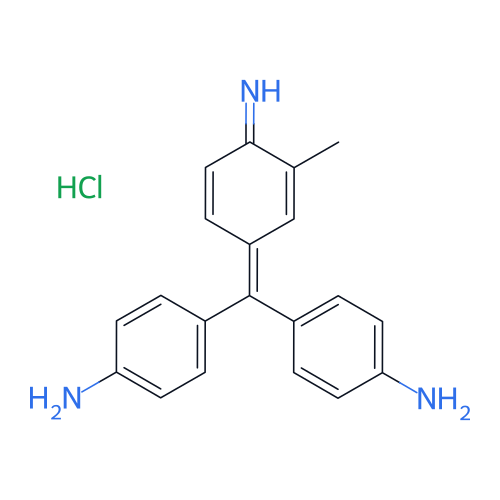 Basic violet 14CAS 632-99-5C20H20ClN339 suppliers
Suppliers serving textiles and leather
Companies that list this industry or sell its chemicals. Paid members appear first.
New textiles and leather products from suppliers
Products recently listed for the applications in this industry.
Related chemical categories
Chemical families that this industry buys most often.
Guides for buyers
Practical reading on grades, documents, regulation and shipping before you buy.
- Guide · RegulationREACH basics for non EU exporters
What EU REACH requires, why non EU manufacturers use an only representative, tonnage bands, joint registration, exemptions, SDS and label duties, and practical steps.
- Article · SourcingHow to write an RFQ that gets fast and accurate quotes
What suppliers need to quote quickly and comparably: exact product identity, quantity and packing, delivery terms, documents, samples and payment, with a ready to use template.
- Guide · SafetyHow to read a safety data sheet in 10 minutes
A section by section method to pull the essentials out of any 16 section SDS: identity, hazards, composition, storage, PPE, properties, transport and emergency measures.
Frequently asked questions
Quick answers about sourcing textiles and leather chemicals on CompoundList.
Which dye class should I use for my fibre?
Reactive, direct, vat and sulfur dyes suit cotton and viscose, disperse dyes suit polyester, acid dyes suit wool, silk and nylon, and basic dyes suit acrylics. Blends need combinations of dye classes.
What is the ZDHC MRSL?
It is a manufacturing restricted substances list used by many apparel and footwear brands. Chemical suppliers can certify conformance so mills can show that their inputs meet brand requirements.
Can I get lab dips before ordering dyes?
Yes. Ask suppliers for samples and lab dips on your own fabric and recipe, together with fastness data.
Are chrome-free tanning agents available?
Yes. Vegetable tannins, synthetic tannins, aldehydes and other chrome-free systems are offered by tanning chemical suppliers, often as complete processes with technical support.