Isopropanol
Also known as Isopropyl alcohol, 2-Propanol, Propan-2-ol
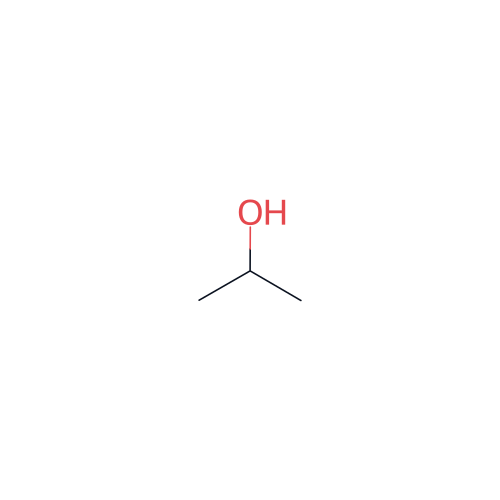
Key facts
What buyers check first
- Appearance
- Colorless liquid
- Melting point
- -87.9 °C
- Boiling point
- 82.3 °C
- Density
- Relative density (water = 1): 0.79
- Flash point
- 12 °C
- HS code
- 290512
- Category
- Alcohol and glycol solvents
- UN number
- UN 3316

What is Isopropanol?
Plain description, key identifiers and synonyms
Propan-2-ol is a secondary alcohol that is propane in which one of the hydrogens attached to the central carbon is substituted by a hydroxy group. It has a role as a protic solvent. It is a secondary fatty alcohol and a secondary alcohol.
Isopropanol is a simplest secondary alcohol.
Identifiers
Registry numbers, names and line notations, tap to copy
- IUPAC name
- propan-2-ol
- CAS number
- 67-63-0 CAS number cross-checkedOther or deprecated CAS: 1344575-38-7, 8003-15-4
- EC number
- 200-661-7
- Molecular formula
- C3H8O
- UNII
- ND2M416302
- MDL number
- MFCD00011674, MFCD00075157
- INCI name
- ISOPROPYL ALCOHOL
- InChIKey
- KFZMGEQAYNKOFK-UHFFFAOYSA-N
- InChI
- InChI=1S/C3H8O/c1-3(2)4/h3-4H,1-2H3
- SMILES (canonical and isomeric)
- CC(C)O
Synonyms
- Isopropyl alcohol
- 2-Propanol
- Propan-2-ol
- 2-Hydroxypropane
- Dimethylcarbinol
- sec-Propyl alcohol
- Alkolave
- Avantine
- Hartosol
- Petrohol
- i-Propanol
- 1-Methylethanol
- Takineocol
- Alcojel
- Avantin
- 2-Propyl alcohol
- Alcolo
- Isohol
- Lavacol
- Lutosol
- Propol
- Alcosolve 2
- Imsol A
- Alcosolve
- Arquad DMCB
Show all 39 synonymsShow fewer synonyms
- Spectrar
- 1-Methylethyl alcohol
- i-Propylalkohol
- Combi-schutz
- n-Propan-2-ol
- Iso-propylalkohol
- Isopropyl alcohol, rubbing
- Alcool isopropilico
- Alcool isopropylique
- Visco 1152
- sec-Propanol
- Sterisol hand disinfectant
- Iso-propyl alcohol
- Alcohol, rubbing
Physical and chemical properties
Measured values and descriptors computed from the structure
Physical and chemical properties
Measured values, check the supplier specification for your grade
| Appearance | Colorless liquidexp.Measured value |
|---|---|
| Odour | Pleasant odorexp.Measured value |
| Taste | Slightly bitter tasteexp.Measured value |
| Melting point | -87.9 °Cexp.Measured value |
| Boiling point | 82.3 °Cexp.Measured value |
| Density | Relative density (water = 1): 0.79exp.Measured value |
| Flash point | 12 °Cexp.Measured value |
| Autoignition temperature | 399 °Cexp.Measured value |
| Solubility | In water, infinitely soluble at 25 °Cexp.Measured value |
| Vapour pressure | 45.4 mm Hg at 25 °Cexp.Measured value |
Values vary by grade. Ask suppliers for the COA or TDS of the batch you buy.
Computed descriptors
Calculated from the structure, useful for screening and formulation
| Molecular weight | 60.10 g/molcalc.Computed value |
|---|---|
| Exact mass | 60.0575 Dacalc.Computed value |
| LogP (octanol/water) | 0.39calc.Computed value |
| Topological polar surface area | 20.23 Ųcalc.Computed value |
| Hydrogen bond donors | 1calc.Computed value |
| Hydrogen bond acceptors | 1calc.Computed value |
| Rotatable bonds | 0calc.Computed value |
| Heavy atoms | 4calc.Computed value |
| Rings | 0calc.Computed value |
| Aromatic rings | 0calc.Computed value |
| Fraction sp3 carbons | 1calc.Computed value |
| Formal charge | 0calc.Computed value |
| Stereocentres | 0calc.Computed value |
| Lipinski rule of five | Passes (0 violations)calc.Computed value |
Calculated for screening. Confirm critical figures with the supplier.
Safety and hazards
GHS classification summary, not a safety data sheet
Hazard statements
- H225Highly flammable liquid and vapour.
- H319Causes serious eye irritation.
- H336May cause drowsiness or dizziness.
Precautionary statements (20)
- P210Keep away from heat, hot surfaces, sparks, open flames and other ignition sources. No smoking.
- P233Keep container tightly closed.
- P240Ground and bond container and receiving equipment.
- P241Use explosion-proof electrical, ventilating and lighting equipment.
- P242Use non-sparking tools.
- P243Take action to prevent static discharges.
- P261Avoid breathing dust, fume, gas, mist, vapours or spray.
- P264 + P265Wash skin thoroughly after handling. Do not touch eyes.
- P271Use only outdoors or in a well-ventilated area.
- P280Wear protective gloves, protective clothing, eye protection and face protection.
- P303 + P361 + P353If on skin (or hair): Take off immediately all contaminated clothing. Rinse skin with water or shower.
- P304 + P340If inhaled: Remove person to fresh air and keep comfortable for breathing.
- P305 + P351 + P338If in eyes: Rinse cautiously with water for several minutes. Remove contact lenses, if present and easy to do. Continue rinsing.
- P319Get medical help if you feel unwell.
- P337 + P317If eye irritation persists: Get medical help.
- P370 + P378In case of fire: Use appropriate media to extinguish.
- P403 + P233Store in a well-ventilated place. Keep container tightly closed.
- P403 + P235Store in a well-ventilated place. Keep cool.
- P405Store locked up.
- P501Dispose of contents and container in accordance with local regulations.
- UN number
- UN 3316
- Transport hazard class
- 9
- Packing group
- II
GHS classification summary, not a safety data sheet (SDS). Classifications can differ by supplier, grade and concentration. Always check the supplier's SDS.
Full safety data and first aidIsopropanol suppliers
Sponsored listings first, then the documented ranking: membership, verification, replies, completeness, freshness and ratings
Isopropanol is on a monitored list. Requests are reviewed by our compliance team.
Allowed to trade, enquiries are logged for compliance.
Reference: CompoundList watch list. Not a scheduled chemical under the Chemical Weapons Convention
Our policy on controlled substances- India, MumbaiUnclaimed profileIsopropyl AlcoholGrade, purity and minimum order on requestPrice on request
- United States, WayneUnclaimed profileIsopropyl alcoholGrade, purity and minimum order on requestPrice on request
- United States, TaylorUnclaimed profileIsopropyl AlcoholGrade, purity and minimum order on requestPrice on request
- France, CourbevoieUnclaimed profileIsopropanolGrade, purity and minimum order on requestPrice on request
- Turkey, Istanbul (Anatolia)Unclaimed profileIsopropyl AlcoholGrade, purity and minimum order on requestPrice on request
- Malaysia, Shah AlamUnclaimed profileIso Propyl AlcoholGrade, purity and minimum order on requestPrice on request
- ChinaUnclaimed profileIsopropyl AlcoholGrade, purity and minimum order on requestPrice on request
- United StatesUnclaimed profileIsopropanolGrade, purity and minimum order on requestPrice on request
- United StatesUnclaimed profileIsopropanolGrade, purity and minimum order on requestPrice on request
- NetherlandsUnclaimed profileIsopropanolGrade, purity and minimum order on requestPrice on request
Suppliers marked Unclaimed profile have not claimed their profile yet. They are not verified by CompoundList, their offers are price on request and details may have changed, so please confirm them with the supplier. Company representatives can claim a profile with a business email on the company's own website domain. Our team verifies each claim and sends the result by email.
Where suppliers are based
966 suppliers in 79 countries
- India225
- United States165
- China114
- Canada29
- United Kingdom29
- Germany24
- and 73 more countries
Send one request to many suppliers
Choose up to 10 suppliers or let us match your request. Compare quotes side by side, free.
Isopropanol price
Indicative price range per kg from live supplier offers
Suppliers quote this chemical on request. Send one free request and compare quotes side by side.
Uses and applications
What the substance is used for, by industry and function
Both oil base and water base fracturing fluids are being used in the fracturing industry. Water base, which includes alcohol-water mixtures and low strength acids, make up the majority of treating fluids. The common chemicals added to these fluids are polymers for viscosity development, crosslinkers for viscosity enhancement, pH control chemicals, gel breakers for polymer degradation following the treatment, surfactants, clay stabilizers, alcohol, bactericides, fluid loss additives and friction reducer. (Hydraulic fracturing).
Hydraulic fracturing uses a specially blended liquid which is pumped into a well under extreme pressure causing cracks in rock formations underground. These cracks in the rock then allow oil and natural gas to flow, increasing resource production. ...
Read more
Chemical Name: Isopropanol, Chemical Purpose: Product stabilizer and/or winterizing agent, Product Function: Corrosion inhibitor.
For preserving pathological specimens and for dehydrating tissues, for the preparation of icepacks, solvent in food.
Industrial uses: Intermediate, Processing aids, specific to petroleum production, Flotation agent, Drier, Adhesion/cohesion promoter, Pigment, Laboratory chemicals, Surface modifier.
Consumer uses: Catalyst, Diluent, Corrosion inhibitor, Emulsifier, Soil amendments (fertilizers), Cleaning agent, Laboratory chemicals.
Use classes: Antimicrobial Actives, Solvents, Safer Chemical Classes, Cosmetics.
Industries and functions
Cosmetic ingredient, INCI name ISOPROPYL ALCOHOL(antifoaming, solvent, viscosity controlling, perfuming)
Pharmacological actions
- Solvents
Roles
- Bronsted acid
- acid
- anti-anaemic agent
- anti-inflammatory agent
- antiemetic
- antiinfective agent
- antineoplastic agent
- antipsoriatic
- antirheumatic drug
- dermatologic drug
- donor
- pharmaceutical
- polar solvent
- protic solvent
- solvent
Functional uses
- Biocide
- Cleaning agent
- Corrosion inhibitor
- Defoamer
- Diluent
- Flavouring and nutrient
- Fragrance
- Solubility enhancer
- Solvent
- Surfactant (surface active agent)
- Viscosity modifier
- Wetting agent (non-aqueous)
Cosmetic functions
- Antifoaming
- Perfuming
- Solvent
- Viscosity controlling
Pharmacology
Isopropyl Alcohol is an isomer of propyl alcohol with antibacterial properties. Although the exact mechanism of isopropanol's disinfecting action is not known, it might kill cells by denaturing cell proteins and DNA, interfering with cellular metabolism, and dissolving cell lipo-protein membranes. Isopropanol is used in soaps and lotions as an antiseptic.
How it is made
Indirect hydration (process) is based on a two-step reaction of propylene and sulfuric acid, in the first step, mixed sulfate esters, primarily isopropyl hydrogen sulfate, but also diisopropyl sulfate, form, these are then hydrolyzed, forming (isopropanol) and sulfuric acid.
Acid-catalyzed direct hydration of propylene (has three basic processes of commercial operation which are): (1) vapor-phase hydration over a fixed-bed catalyst of supported phosphoric acid or silica-supported tungsten oxide with zinc oxide promoter, (2) mixed vapor-liquid-phase hydration at low temperature and high pressur
Read more
e using a strongly acid cation-exchange catalyst, and (3) liquid-phase hydration at high temperature and high pressure in the presence of a soluble tungsten catalyst.
/Other processes for production of isopropanol include:/ liquid phase oxidation of propane, incidentally by the reductive condensation of acetone, fermentation. Large-scale commercial biological production of isopropanol from carbohydrate raw materials has also been studied.
Regulatory status
Inventories, regulations and trade controls that list this substance
Isopropanol is on a monitored list. Requests are reviewed by our compliance team.
Allowed to trade, enquiries are logged for compliance.
Reference: CompoundList watch list. Not a scheduled chemical under the Chemical Weapons Convention
Our policy on controlled substancesEurope
- EU harmonised classification (CLP Annex VI)Index no: 603-117-00-0
Health and food
- EU cosmetic ingredient inventory
- Active ingredient in FDA approved drug labels
Controls
- Chemical Weapons Convention Schedule 3
United States
- Safer Choice ingredient list (USA)
- TSCA inventory (USA)Status: Active in US commerce
HS code and trade data
Customs classification and reported world trade statistics
Global trade
World import and export statistics for the HS code Isopropanol is traded under.
Propan-1-ol (propyl alcohol) and propan-2-ol (isopropyl alcohol)
- United States23.2%
- China14.6%
- Germany10.2%
- United States9.7%
- India * partner reported8.6%
- China6.5%
* Partner reported figures, a lower bound.
The HS code shown for Isopropanol is indicative (it was matched by name in the HS nomenclature). Confirm the classification with your customs broker before shipping.
Related chemicals
Parent and salt forms, stereoisomers, similar structures and isomers
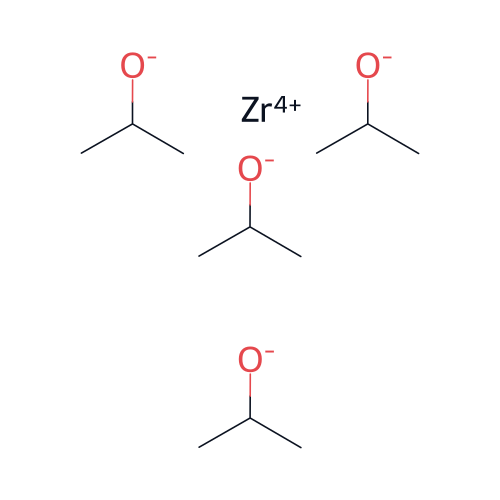
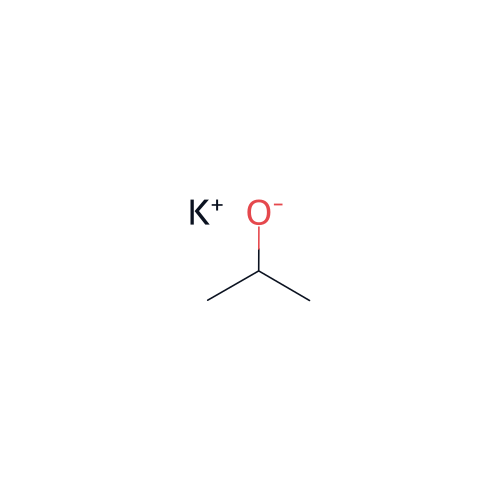
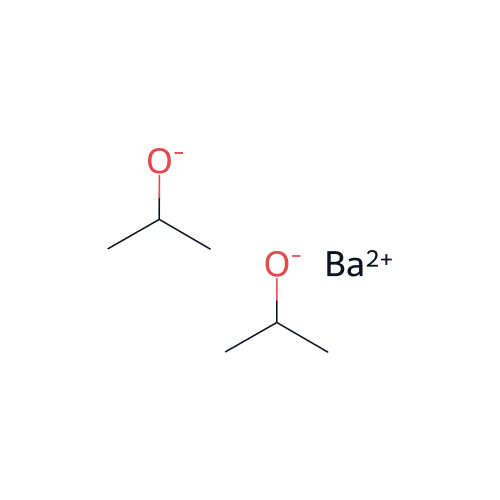
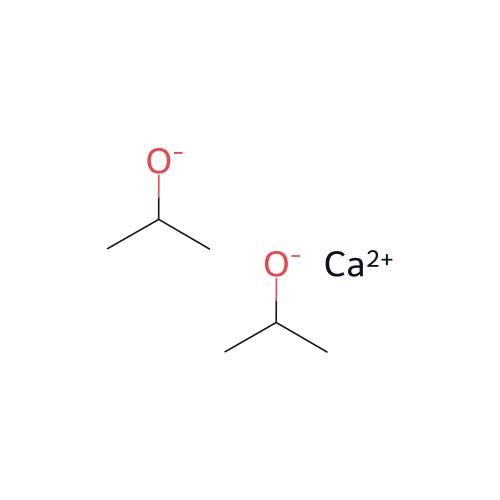
Salt and hydrate forms
Records that share this compound as their parent






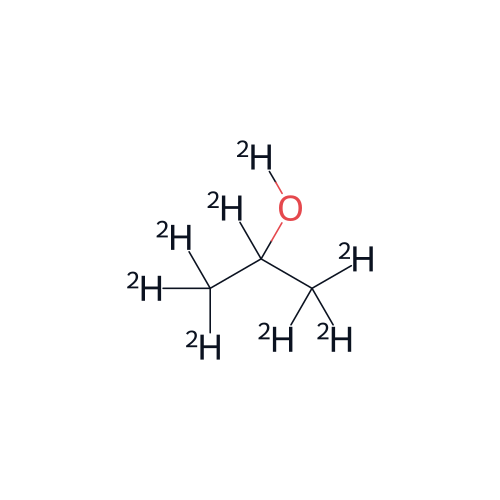
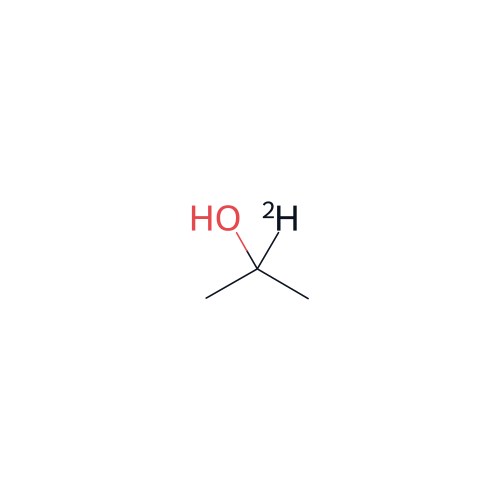
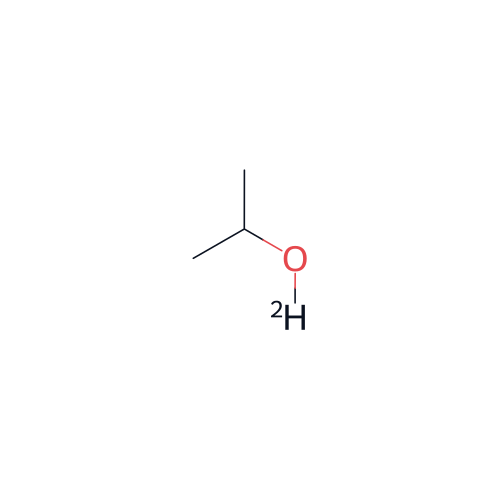
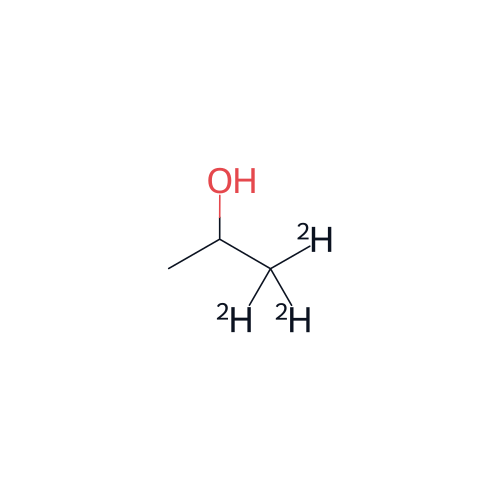
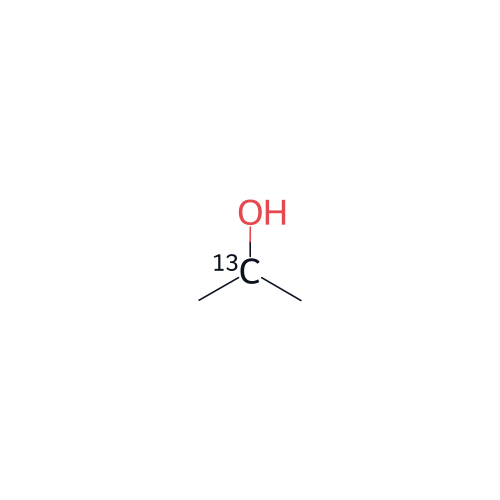
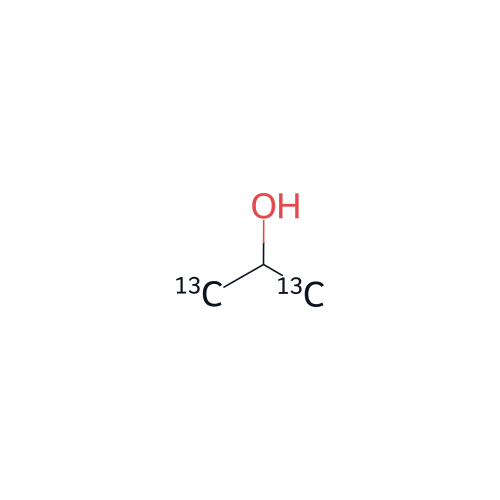
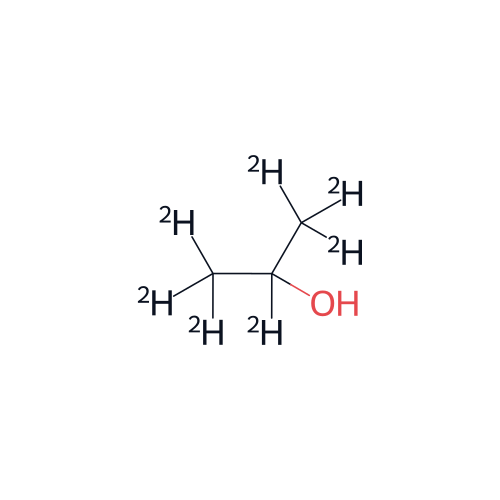
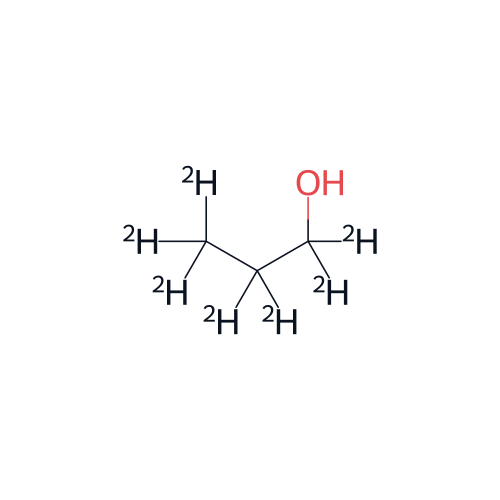
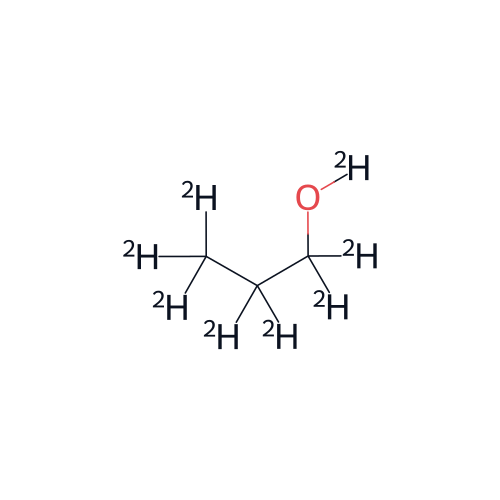
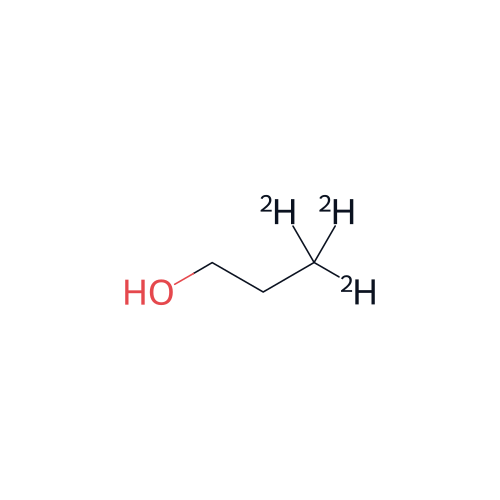
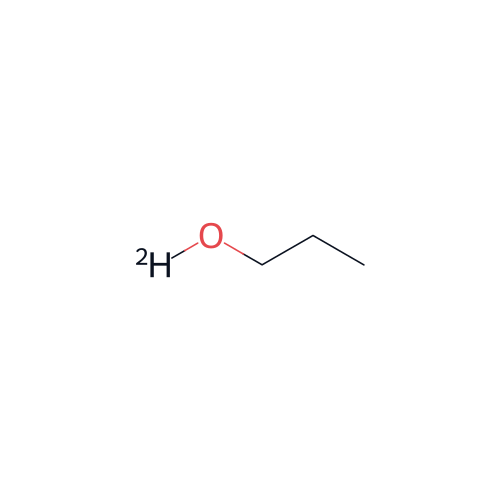
Stereoisomers and isotopic forms
Same connectivity, different stereochemistry or isotopes (same InChIKey skeleton)





Similar structures
Nearest neighbours by Morgan fingerprint Tanimoto similarity
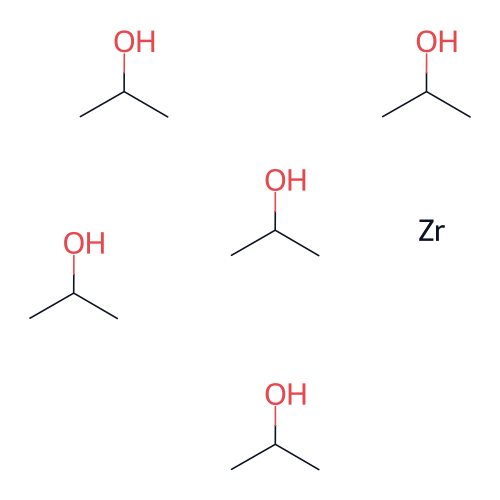
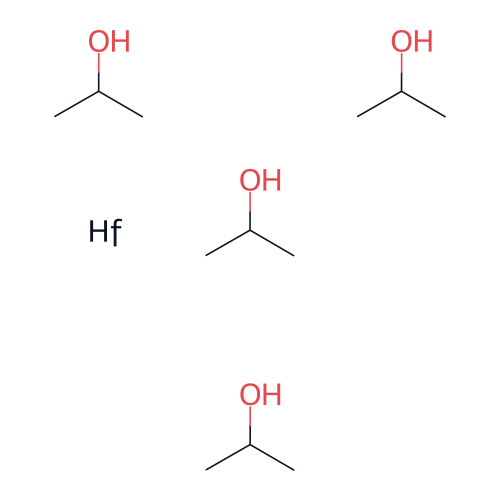
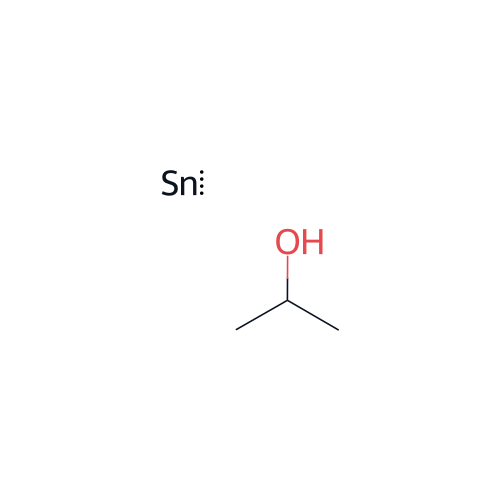

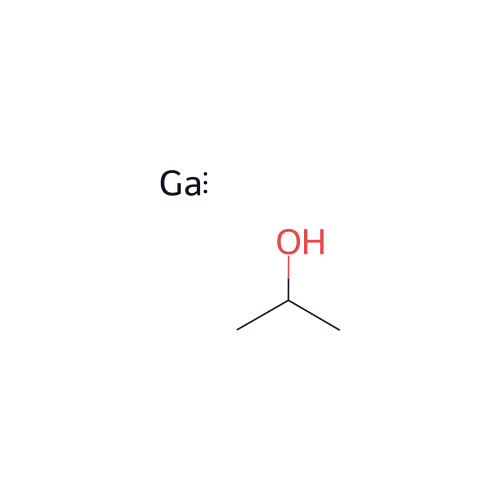

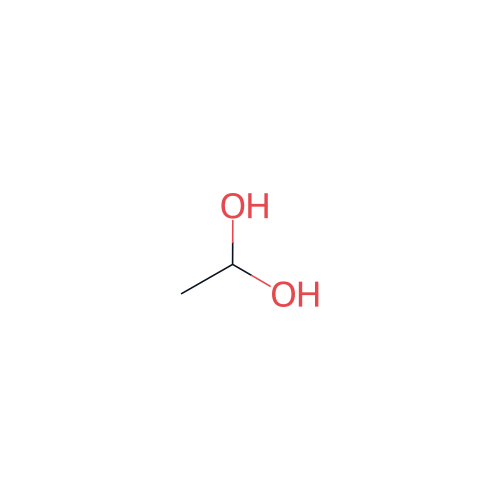
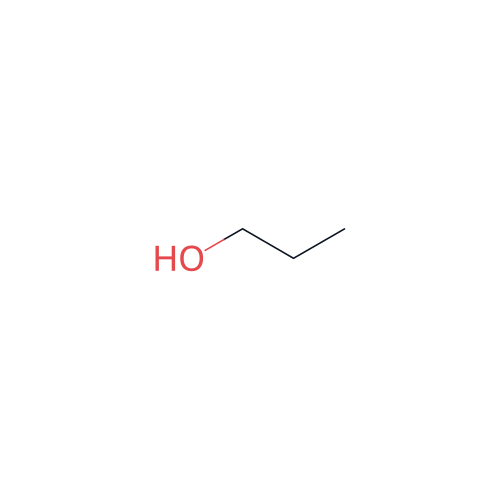
Same formula isomers
Different compounds that share this molecular formula

Frequently asked questions
Quick answers about Isopropanol, based on the data on this page
What is Isopropanol?
What is the CAS number of Isopropanol?
What is the molecular formula and weight of Isopropanol?
What is Isopropanol used for?
Is Isopropanol hazardous?
What is the HS code of Isopropanol?
Where can I buy Isopropanol?
Where can I buy Isopropanol in India?
What is the price of Isopropanol?
Guides for buyers
Practical guides that help when you source, ship or handle Isopropanol
- Guide, Trade and logisticsShipping dangerous goods: UN numbers, classes and packing groupsHow the UN dangerous goods system works for chemicals, from the nine classes and UN numbers to packing groups, UN packaging marks, labels, documents and segregation.Read
- Guide, SafetyHow to read a safety data sheet in 10 minutesA section by section method to pull the essentials out of any 16 section SDS: identity, hazards, composition, storage, PPE, properties, transport and emergency measures.Read
- Guide, SafetyGHS pictograms, signal words and hazard statements explainedA practical guide to the nine GHS pictograms, the signal words Danger and Warning, H and P statements, and how to read a chemical label in seconds.Read
Get quotes for Isopropanol
Embed this structure on your websiteShow code
Paste this code into your page to show the 2D structure of Isopropanol with a 3D view, its CAS number where known and a link back to this page. Free to use with the link kept.
<iframe src="https://www.compoundlist.com/embed/structure/isopropanol-67-63-0" title="Isopropanol structure on CompoundList" width="360" height="420" style="border:1px solid #E7E2DA;border-radius:12px;max-width:100%" loading="lazy" referrerpolicy="strict-origin-when-cross-origin"></iframe>Explore more in Alcohol and glycol solvents or HS code 290512