
Key facts
What buyers check first
- Appearance
- Fine orange-yellow needles from 2N acetic acid, alcohol, water, or pyridine three differ…
- Melting point
- 280 °C
- Solubility
- SOLUBILITY IN WATER AT 25 °C: 10-13 MG/100 ML
- HS code
- 293623
- Category
- Vitamins and nutraceutical actives
What is Riboflavin?
Plain description, key identifiers and synonyms
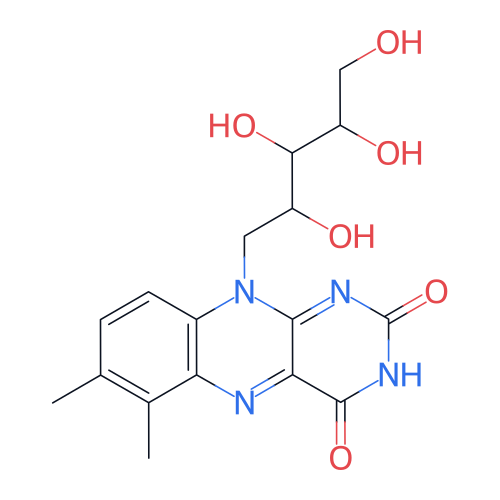
Riboflavin is D-Ribitol in which the hydroxy group at position 5 is substituted by a 7,8-dimethyl-2,4-dioxo-3,4-dihydrobenzo[g]pteridin-10(2H)-yl moiety. It is a nutritional factor found in milk, eggs, malted barley, liver, kidney, heart, and leafy vegetables, but the richest natural source is yeast. The free form occurs only in the retina of the eye, in whey, and in urine, its principal forms in tissues and cells are as flavin mononucleotide and flavin-adenine dinucleotide. It has a role as an antioxidant, a cofactor, a photosensitizing agent, an anti-inflammatory agent, a mouse metabolite, a plant metabolite, an Escherichia coli metabolite, a food colouring, a fundamental metabolite and a human urinary metabolite. It is a vitamin B2 and a flavin. It is a conjugate acid of a riboflavin(1-).
Identifiers
Registry numbers, names and line notations, tap to copy
- IUPAC name
- 7,8-dimethyl-10-[(2S,3S,4R)-2,3,4,5-tetrahydroxypentyl]benzo[g]pteridine-2,4-dione
- CAS number
- 83-88-5 CAS number cross-checked
- EC number
- 201-507-1
- Molecular formula
- C17H20N4O6
- UNII
- TLM2976OFR
- MDL number
- MFCD00005022
- INCI name
- LACTOFLAVIN, RIBOFLAVIN
- InChIKey
- AUNGANRZJHBGPY-SCRDCRAPSA-N
- InChI
- InChI=1S/C17H20N4O6/c1-7-3-9-10(4-8(7)2)21(5-11(23)14(25)12(24)6-22)15-13(18-9)16(26)20-17(27)19-15/h3-4,11-12,14,22-25H,5-6H2,1-2H3,(H,20,26,27)/t11-,12+,14-/m0/s1
- Canonical SMILES
- Cc1cc2nc3c(=O)[nH]c(=O)nc-3n(CC(O)C(O)C(O)CO)c2cc1C
- Isomeric SMILES
- CC1=CC2=C(C=C1C)N(C3=NC(=O)NC(=O)C3=N2)C[C@@H]([C@@H]([C@@H](CO)O)O)O
Synonyms
- vitamin B2
- Riboflavine
- Lactoflavin
- Vitamin G
- Lactoflavine
- Flavaxin
- Beflavine
- Beflavin
- Riboderm
- Ribipca
- Ribovel
- Lactobene
- Ribocrisina
- Riboflavina
- Riboflavinum
- Ribotone
- Vitaflavine
- Flaxain
- Ribosyn
- Vitamin Bi
- Flavin BB
- Russupteridine Yellow III
- HYRE
- Bisulase
- Riboflavinequinone
Show all 39 synonymsShow fewer synonyms
- 6,7-Dimethyl-9-D-ribitylisoalloxazine
- 7,8-Dimethyl-10-ribitylisoalloxazine
- Lacto-flavin
- Fiboflavin
- Dermadram
- vitamin-b2
- Aqua-Flave
- C.I. Food Yellow 15
- Vitamin B-2
- 7,8-dimethyl-10-[(2S,3S,4R)-2,3,4,5-tetrahydroxypentyl]benzo[g]pteridine-2,4-dione
- Ins no.101(iii)
- Ins-101(iii)
- E-101(iii)
- Vitamin b2 (as riboflavin)
Physical and chemical properties
Measured values and descriptors computed from the structure
Physical and chemical properties
Measured values, check the supplier specification for your grade
| Appearance | Fine orange-yellow needles from 2N acetic acid, alcohol, water, or pyridine three different crystal formsexp.Measured value |
|---|---|
| Odour | Slight odorexp.Measured value |
| Taste | Bitterexp.Measured value |
| Melting point | 280 °Cexp.Measured value |
| Solubility | SOLUBILITY IN WATER AT 25 °C: 10-13 MG/100 MLexp.Measured value |
Values vary by grade. Ask suppliers for the COA or TDS of the batch you buy.
Computed descriptors
Calculated from the structure, useful for screening and formulation
| Molecular weight | 376.37 g/molcalc.Computed value |
|---|---|
| Exact mass | 376.1383 Dacalc.Computed value |
| LogP (octanol/water) | -1.72calc.Computed value |
| Topological polar surface area | 161.6 Ųcalc.Computed value |
| Hydrogen bond donors | 5calc.Computed value |
| Hydrogen bond acceptors | 8calc.Computed value |
| Rotatable bonds | 5calc.Computed value |
| Heavy atoms | 27calc.Computed value |
| Rings | 3calc.Computed value |
| Aromatic rings | 1calc.Computed value |
| Fraction sp3 carbons | 0.41calc.Computed value |
| Formal charge | 0calc.Computed value |
| Stereocentres | 3calc.Computed value |
| Lipinski rule of five | Passes (0 violations)calc.Computed value |
Calculated for screening. Confirm critical figures with the supplier.
Murcko scaffold
The ring system that remains when every side chain is removed
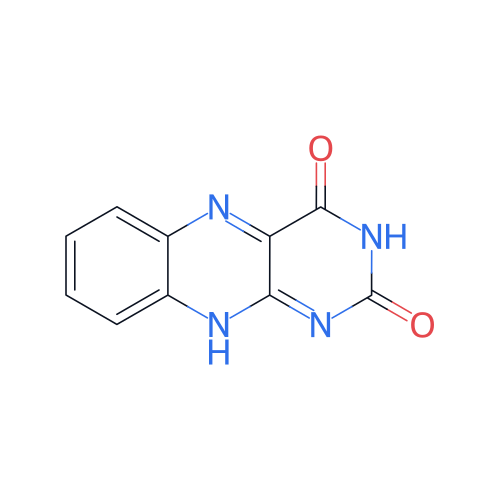
O=c1nc2[nH]c3ccccc3nc-2c(=O)[nH]1
3 rings, 16 atoms, the Alloxazine ring system.
245 other chemicals share this scaffoldSafety and hazards
GHS classification summary, not a safety data sheet
GHS classification summary, not a safety data sheet (SDS). Classifications can differ by supplier, grade and concentration. Always check the supplier's SDS.
Full safety data and first aidRiboflavin suppliers
Sponsored listings first, then the documented ranking: membership, verification, replies, completeness, freshness and ratings
- China, NantongUnclaimed profileRiboflavinGrade, purity and minimum order on requestPrice on request
- ChinaUnclaimed profileVitamin B2Grade, purity and minimum order on requestPrice on request
- Price on request
- Price on request
- China ManufacturerUnclaimed profileVitamin B2Grade, purity and minimum order on requestPrice on request
- China ManufacturerUnclaimed profileVitamin B2Grade, purity and minimum order on requestPrice on request
- China ManufacturerUnclaimed profileVitamin B2Grade, purity and minimum order on requestPrice on request
- United KingdomUnclaimed profileRiboflavinGrade, purity and minimum order on requestPrice on request
- China, Wuxi ManufacturerUnclaimed profileRiboflavinGrade, purity and minimum order on requestPrice on request
- China, ShanghaiUnclaimed profileVitamin B2Grade, purity and minimum order on requestPrice on request
Suppliers marked Unclaimed profile have not claimed their profile yet. They are not verified by CompoundList, their offers are price on request and details may have changed, so please confirm them with the supplier. Company representatives can claim a profile with a business email on the company's own website domain. Our team verifies each claim and sends the result by email.
Where suppliers are based
234 suppliers in 38 countries
- China67
- India38
- United States37
- Germany11
- Spain8
- United Kingdom5
- and 32 more countries
Send one request to many suppliers
Choose up to 10 suppliers or let us match your request. Compare quotes side by side, free.
Riboflavin price
Indicative price range per kg from live supplier offers
Suppliers quote this chemical on request. Send one free request and compare quotes side by side.
Uses and applications
What the substance is used for, by industry and function
Medicine, nutrition, animal feed supplement, enriched flours, dietary supplement.
Therapeutic category: Vitamin (enzyme cofactor).
Therapeutic category (veterinary): Vitamin (enzyme cofactor).
Mirasol pathogen reduction technology (PRT) treatment uses riboflavin (vitamin B(2)) in combination with ultraviolet light (UV) to inactivate pathogens in platelet concentrates (PCs).
Use classes: Food additives, Cosmetics.
Industries and functions
Cosmetic ingredient, INCI name LACTOFLAVIN(colorant)
Pharmacological actions
- Photosensitizing Agents
- Vitamin B Complex
Roles
- Escherichia coli metabolite
- additive
- analgesic
- anti-anaemic agent
- anti-inflammatory agent
- anti-ulcer drug
- antineoplastic agent
- antioxidant
- antipsoriatic
- cardiovascular drug
- cofactor
- dermatologic drug
- food additive
- food colouring
- fundamental metabolite
- human urinary metabolite
- immunomodulator
- immunosuppressive agent
- mouse metabolite
- ophthalmology drug
- pharmaceutical
- photosensitizing agent
- plant metabolite
- renoprotective agent
Functional uses
- Dye
- Flavouring and nutrient
- Pharmaceutical
- Softener and conditioner
Cosmetic functions
- Colorant
- Skin conditioning - miscellaneous
Pharmacology
Riboflavin is an essential human nutrient that is a heat-stable and water-soluble flavin belonging to the vitamin B family. Riboflavin is a precursor of the coenzymes flavin mononucleotide (FMN) and flavin adenine dinucleotide (FAD). These coenzymes are of vital importance in normal tissue respiration, pyridoxine activation, tryptophan to niacin conversion, fat, carbohydrate, and protein metabolism, and glutathione reductase mediated detoxification. Riboflavin may also be involved in maintaining erythrocyte integrity. This vitamin is essential for healthy skin, nails, and hair.
How it is made
The readily available compound 3,4-xylidine is reacted with D-ribose in methanol. The resulting riboside is catalytically hydrogenated to give N-(3,4-dimethylphenyl)-D-1'-ribamine without isolation, and the product is purified by crystallization. Coupling of (N-(3,4-dimethylphenyl)-D-1'-ribamine) with phenyl diazonium salt in a buffered aqueous solution yields crystalline N-(2-phenylazo-4,5-dimethylphenyl)-D-1'-ribamine. Dry / N-(2-phenylazo-4,5-dimethylphenyl)-D-1'-ribamine/ is converted to riboflavin by cyclocondensation with barbituric acid in a weakly acidic medium.
Read more
Mixtures of dioxane and acetic acid or di-alpha-substituted carboxylic acids have proved suitable as solvents. Crude (riboflavin) can be purified by reprecipitation from hydrochloric acid or dilute sodium hydroxide solution, possibly with the addition of hydrogen peroxide.
Riboflavin can be produced microbiologically. At present, the microorganisms Bacillus subtilis, the ascomycetes Eremothecium ashbyii, Ashbya gossypii, and the yeasts Candida flareri and Saccharomyces cerevisiae are used. The nutrient media employed are molasses or plant oils as carbon source, inorganic salts, amino acids, animal or plant peptones and proteins, as well as vitamin additives. In a sterile aerobic submerged process, yields much higher than 10 grams of riboflavin per liter of culture broth are obtained in a few days with good aeration and stirring at temperatures below 30 °C.
Regulatory status
Inventories, regulations and trade controls that list this substance
Health and food
- EU cosmetic ingredient inventory
- Active ingredient in FDA approved drug labels
- Food additive
United States
- TSCA inventory (USA)Status: Active in US commerce
HS code and trade data
Customs classification and reported world trade statistics
Global trade
World import and export statistics for the HS code Riboflavin is traded under.
Vitamin B2 and its derivatives
- China28.6%
- Germany27.5%
- Netherlands17.6%
- Netherlands22.9%
- United States13.4%
- Germany10.0%
The HS code shown for Riboflavin is indicative (it was matched by name in the HS nomenclature). Confirm the classification with your customs broker before shipping.
Related chemicals
Parent and salt forms, stereoisomers, similar structures and isomers
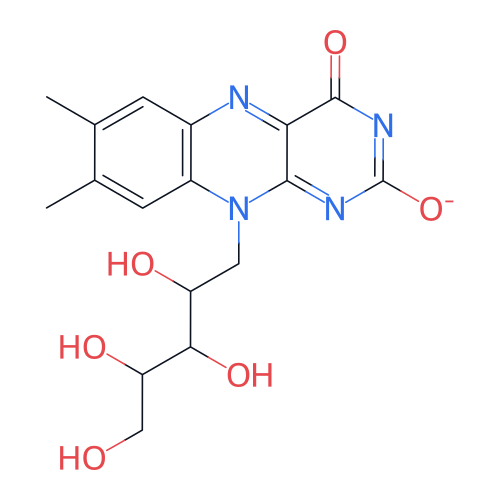
Salt and hydrate forms
Records that share this compound as their parent
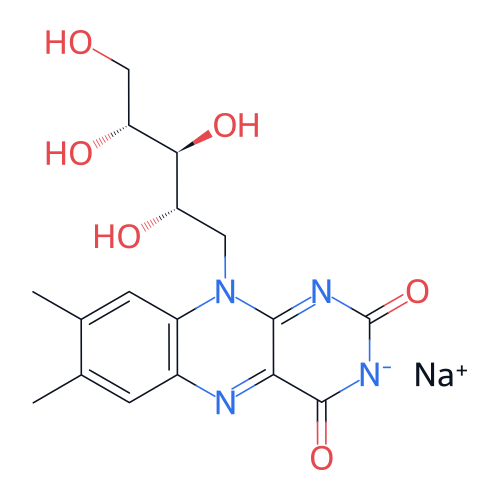
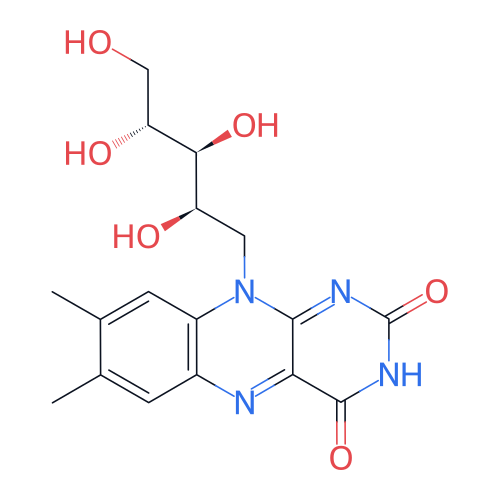
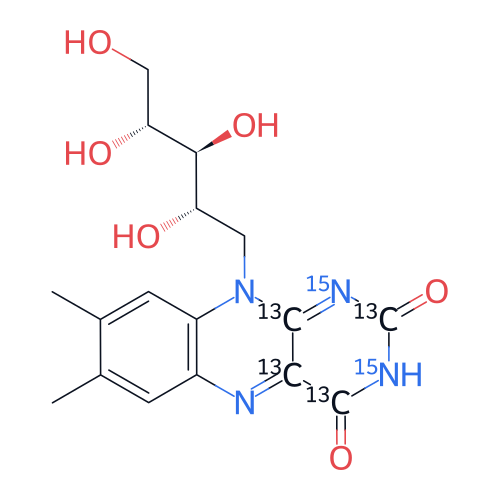
Stereoisomers and isotopic forms
Same connectivity, different stereochemistry or isotopes (same InChIKey skeleton)
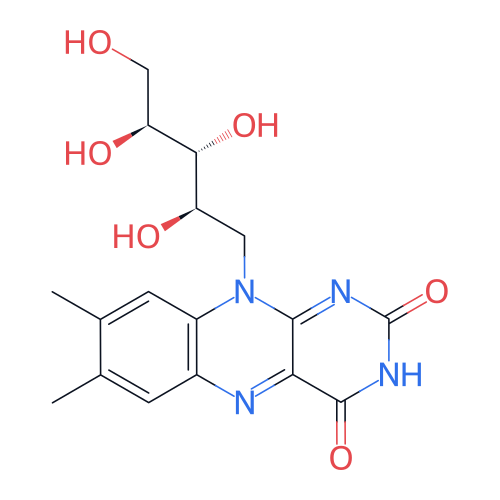



Similar structures
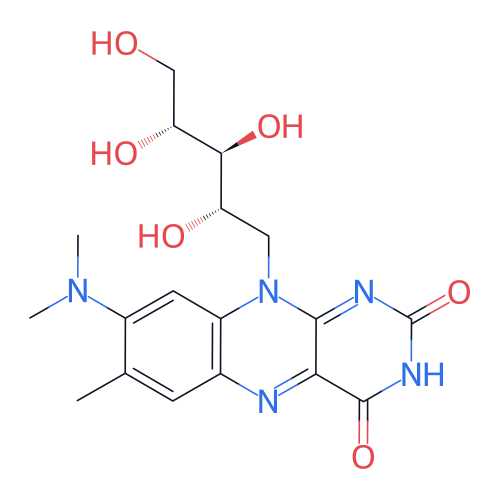
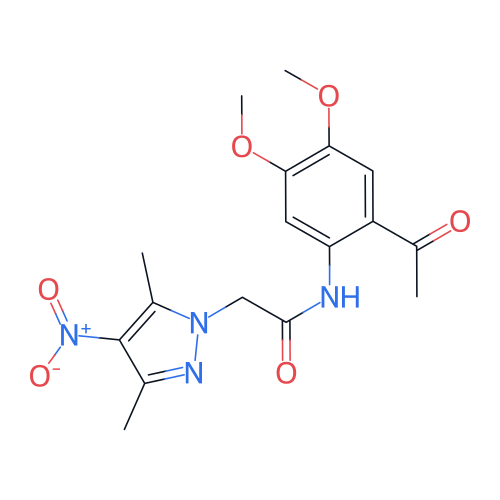
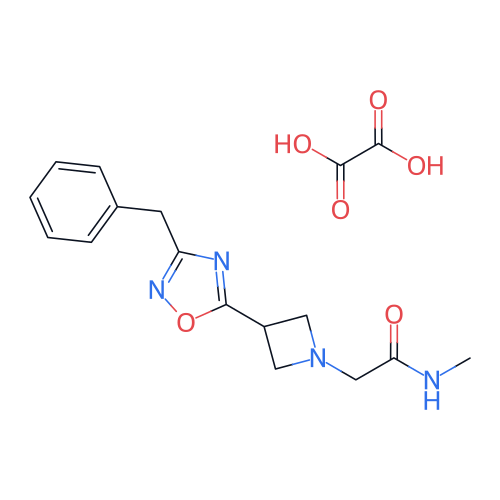
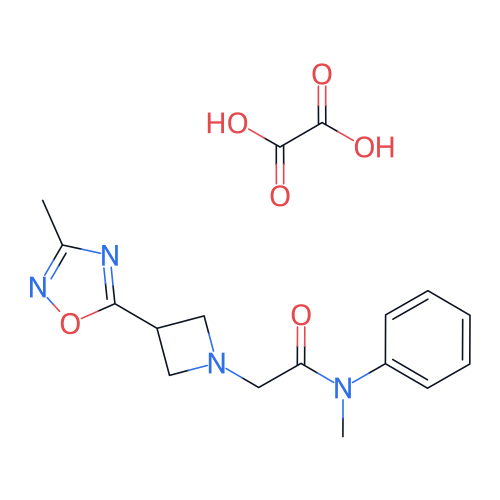
Nearest neighbours by Morgan fingerprint Tanimoto similarity


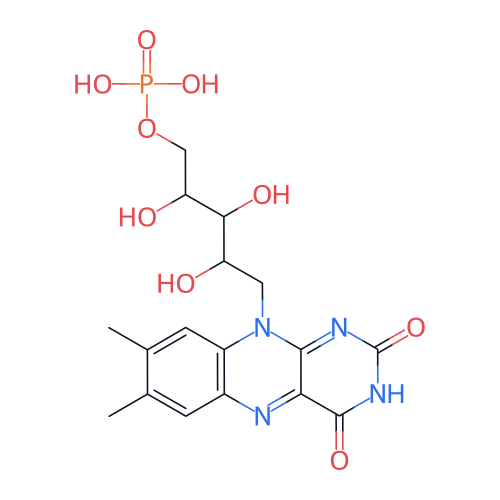
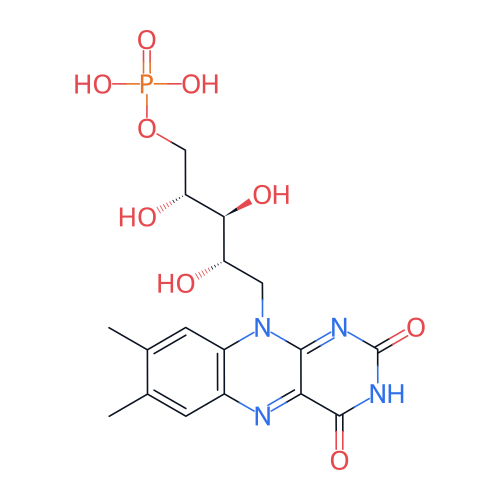
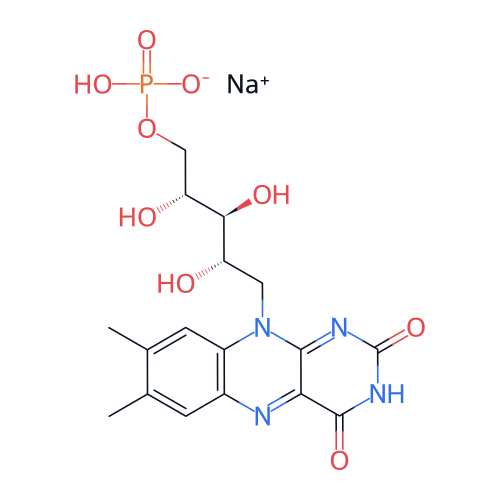
Same formula isomers
Different compounds that share this molecular formula
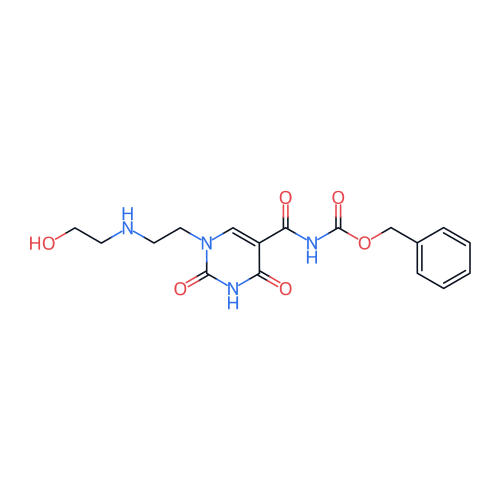




Frequently asked questions
Quick answers about Riboflavin, based on the data on this page
What is Riboflavin?
What is the CAS number of Riboflavin?
What is the molecular formula and weight of Riboflavin?
What is Riboflavin used for?
Is Riboflavin hazardous?
What is the HS code of Riboflavin?
Where can I buy Riboflavin?
Where can I buy Riboflavin in India?
What is the price of Riboflavin?
Guides for buyers
Practical guides that help when you source, ship or handle Riboflavin
- Article, QualityPharma grades explained: IP vs BP vs USP vs EPWhat the Indian, British, US and European pharmacopoeias are, how their monographs differ, what multi grade claims mean and why a grade alone does not make a product fit for medicines.Read
- Article, SourcingHow to write an RFQ that gets fast and accurate quotesWhat suppliers need to quote quickly and comparably: exact product identity, quantity and packing, delivery terms, documents, samples and payment, with a ready to use template.Read
- Guide, Trade and logisticsHS codes for chemicals and why they matterHow the Harmonized System classifies chemicals, the chapters that matter, the rules for chemically defined compounds and mixtures, and practical steps to find the right code.Read
Get quotes for Riboflavin
Embed this structure on your websiteShow code
Paste this code into your page to show the 2D structure of Riboflavin with a 3D view, its CAS number where known and a link back to this page. Free to use with the link kept.
<iframe src="https://www.compoundlist.com/embed/structure/riboflavin-83-88-5" title="Riboflavin structure on CompoundList" width="360" height="420" style="border:1px solid #E7E2DA;border-radius:12px;max-width:100%" loading="lazy" referrerpolicy="strict-origin-when-cross-origin"></iframe>Explore more in Vitamins and nutraceutical actives or HS code 293623