Trisodium phosphate
Also known as Trisodium orthophosphate, Tromete, Tribasic sodium phosphate
Key facts
What buyers check first
- Appearance
- Colorless crystals
- Melting point
- 1,583 °C
- Boiling point
- 100 °C
- Density
- 2.54 g/cm³
- Solubility
- Colorless or white crystals. When rapidly heated melts at about 75 °C. Does not lose the…
- HS code
- 283529
- Category
- Phosphates and phosphorus salts
- UN number
- UN 3262

What is Trisodium phosphate?
Plain description, key identifiers and synonyms
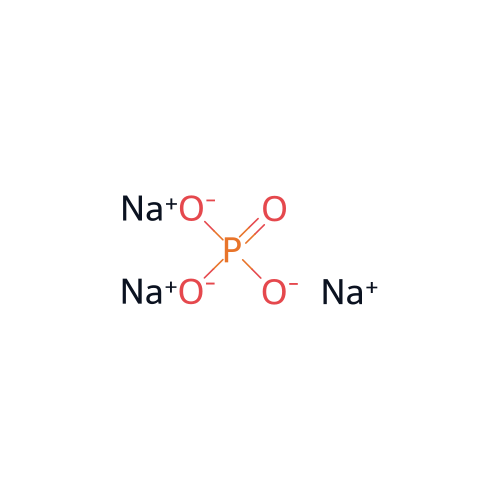
Trisodium phosphate is a sodium phosphate.
Identifiers
Registry numbers, names and line notations, tap to copy
- IUPAC name
- trisodium, phosphate
- CAS number
- 7601-54-9 CAS number cross-checkedOther or deprecated CAS: 10101-89-0, 10124-56-8, 10361-89-4, 65185-91-3, 7758-29-4, 7785-84-4, 96337-98-3
- EC numbers
- 231-509-8, 265-604-0, 619-207-8
- Molecular formula
- Na3O4P
- UNII
- SX01TZO3QZ
- MDL number
- MFCD00003510
- INCI name
- TRISODIUM PHOSPHATE
- InChIKey
- RYFMWSXOAZQYPI-UHFFFAOYSA-K
- InChI
- InChI=1S/3Na.H3O4P/c;;;1-5(2,3)4/h;;;(H3,1,2,3,4)/q3*+1;/p-3
- SMILES (canonical and isomeric)
- [O-]P(=O)([O-])[O-].[Na+].[Na+].[Na+]
Synonyms
- Trisodium orthophosphate
- Tromete
- Tribasic sodium phosphate
- Phosphoric acid, trisodium salt
- Oakite
- Phosphoric acid trisodium salt
- Sodium phosphate, anhydrous
- Trinatriumphosphat
- Nutrifos STP
- Dri-Tri
- Antisal 4
- Tertiary sodium phosphate
- Sodium phosphate (Na3PO4)
- Tribasic sodium orthophosphate
- Sodium tertiary phosphate
- Emulsiphos 440/660
- Sodium orthophosphate, tertiary
- Tribasic sodium-phosphate
- Sodium phosphate (tribasic)
- INS-339(III)
- E-339(III)
- Sodium phosphate, tribasic, anhydrous
- Sodium phosphate,tribasic
- INS NO.339(III)
- phosphoric acid, sodium (2:3) salt
Show all 37 synonymsShow fewer synonyms
- Empiphos STP-D
- Sodium Phosphate, Tribasic
- trisodium, phosphate
- sodiumphosphate
- Trisodium phosphate anhydrous
- sodium monophosphate
- Phosphoric acid, sodium salt (2:3)
- Phosphoric acid, sodium salt (1:3)
- Sodium phosphate (VAN)
- Sodium phosphate, tribasic, Sodium tertiary phosphate, Tribasic sodium orthophosphate, Tribasic sodium phosphate, Trisodium orthophosphate
- Sodium orthophosphate, tribasic
- sodium, phosphoric acid
Physical and chemical properties
Measured values and descriptors computed from the structure
Physical and chemical properties
Measured values, check the supplier specification for your grade
| Appearance | Colorless crystalsexp.Measured value |
|---|---|
| Melting point | 1,583 °Cexp.Measured value |
| Boiling point | 100 °Cexp.Measured value |
| Density | 2.54 g/cm³exp.Measured value |
| Solubility | Colorless or white crystals. When rapidly heated melts at about 75 °C. Does not lose the last mol of water even on moderate ignition. Specific gravity 1.6. Soluble in 3.5 parts water, 1 part boiling water, insol in alcohol. /Dodecahydrate/exp.Measured value |
Values vary by grade. Ask suppliers for the COA or TDS of the batch you buy.
Computed descriptors
Calculated from the structure, useful for screening and formulation
| Molecular weight | 163.94 g/molcalc.Computed value |
|---|---|
| Exact mass | 163.9227 Dacalc.Computed value |
| LogP (octanol/water) | -11.81calc.Computed value |
| Topological polar surface area | 86.25 Ųcalc.Computed value |
| Hydrogen bond donors | 0calc.Computed value |
| Hydrogen bond acceptors | 4calc.Computed value |
| Rotatable bonds | 0calc.Computed value |
| Heavy atoms | 8calc.Computed value |
| Rings | 0calc.Computed value |
| Aromatic rings | 0calc.Computed value |
| Fraction sp3 carbons | 0calc.Computed value |
| Formal charge | 0calc.Computed value |
| Stereocentres | 0calc.Computed value |
| Components | 4calc.Computed value |
Calculated for screening. Confirm critical figures with the supplier.
Safety and hazards
GHS classification summary, not a safety data sheet
Hazard statements
- H315Causes skin irritation.
- H319Causes serious eye irritation.
- H335May cause respiratory irritation.
Precautionary statements (16)
- P261Avoid breathing dust, fume, gas, mist, vapours or spray.
- P264Wash skin thoroughly after handling.
- P264 + P265Wash skin thoroughly after handling. Do not touch eyes.
- P271Use only outdoors or in a well-ventilated area.
- P280Wear protective gloves, protective clothing, eye protection and face protection.
- P302 + P352If on skin: Wash with plenty of water.
- P304 + P340If inhaled: Remove person to fresh air and keep comfortable for breathing.
- P305 + P351 + P338If in eyes: Rinse cautiously with water for several minutes. Remove contact lenses, if present and easy to do. Continue rinsing.
- P319Get medical help if you feel unwell.
- P321Specific treatment (see supplemental first aid instructions on the label).
- P332 + P317If skin irritation occurs: Get medical help.
- P337 + P317If eye irritation persists: Get medical help.
- P362 + P364Take off contaminated clothing. And wash it before reuse.
- P403 + P233Store in a well-ventilated place. Keep container tightly closed.
- P405Store locked up.
- P501Dispose of contents and container in accordance with local regulations.
- UN number
- UN 3262
- Transport hazard class
- 8
- Packing group
- III
GHS classification summary, not a safety data sheet (SDS). Classifications can differ by supplier, grade and concentration. Always check the supplier's SDS.
Full safety data and first aidTrisodium phosphate suppliers
Sponsored listings first, then the documented ranking: membership, verification, replies, completeness, freshness and ratings
- India, Vadodara ManufacturerUnclaimed profileTrisodium PhosphateGrade, purity and minimum order on requestPrice on request
- India, ChennaiUnclaimed profileTrisodium PhosphateGrade, purity and minimum order on requestPrice on request
- India, Indore ManufacturerUnclaimed profileTrisodium PhosphateGrade, purity and minimum order on requestPrice on request
- Australia, MintoUnclaimed profileTrisodium PhosphateGrade, purity and minimum order on requestPrice on request
- Thailand, Phra PradaengUnclaimed profileTrisodium PhosphateGrade, purity and minimum order on requestPrice on request
- Thailand, SamphanthawongUnclaimed profileTrisodium PhosphateGrade, purity and minimum order on requestPrice on request
- ChinaUnclaimed profileTrisodium PhosphateGrade, purity and minimum order on requestPrice on request
- United StatesUnclaimed profileTrisodium PhosphateGrade, purity and minimum order on requestPrice on request
- India, AnkleshwarUnclaimed profileTrisodium PhosphateGrade, purity and minimum order on requestPrice on request
- United States, Fort Worth ManufacturerUnclaimed profileTrisodium PhosphateGrade, purity and minimum order on requestPrice on request
Suppliers marked Unclaimed profile have not claimed their profile yet. They are not verified by CompoundList, their offers are price on request and details may have changed, so please confirm them with the supplier. Company representatives can claim a profile with a business email on the company's own website domain. Our team verifies each claim and sends the result by email.
Where suppliers are based
318 suppliers in 40 countries
- India82
- China70
- United States54
- United Kingdom8
- Germany7
- Japan6
- and 34 more countries
Send one request to many suppliers
Choose up to 10 suppliers or let us match your request. Compare quotes side by side, free.
Trisodium phosphate price
Indicative price range per kg from live supplier offers
Suppliers quote this chemical on request. Send one free request and compare quotes side by side.
Uses and applications
What the substance is used for, by industry and function
The active ingredient is no longer contained in any registered pesticide products ... "cancelled.".
Important ingredient in soap powders, detergents, and cleaning agents ... also used as a water softener to remove polyvalent metals and in the manufacture of paper and leather. Products for removing or preventing boiler scale often contain trisodium phosphate, as do those for removing insectide residues from fruit and inhibiting mold.
The ability of trisodium phosphate to break fats and greases into water-soluble glycerin and soap makes it extremely useful in scouring powders.
Read more
When combined with abrasives and chlorine-generating bleaches, trisodium phosphate removes cooking grease and stains.
Industrial uses: pH regulating agent, Surfactant (surface active agent), Lubricating agent, Other, Anti-scaling agent, Emulsifier, Soil amendments (fertilizers).
Consumer uses: Lubricating agent, Cleaning agent, Thickening agent, Corrosion inhibitor, Emulsifier, Softener and conditioner, Laboratory chemicals.
Use classes: Food additives, Oxidants and Oxidant Stabilizers, Safer Chemical Classes, Plastics, Cosmetics.
Industries and functions
Cosmetic ingredient, INCI name TRISODIUM PHOSPHATE(buffering, chelating)
Functional uses
- Anti-caking agent
- Biocide
- Chelating agent
- Cleaning agent
- Drier
- Emulsifier
- Flavouring and nutrient
- Humectant
- Lubricating agent
- Pigment
- Processing aids not otherwise specified
- pH regulating agent
Cosmetic functions
- Buffering
- Chelating
How it is made
Sodium monophosphates are usually produced by neutralization of phosphoric acid with soda ash or caustic soda. The latter is predominantly used in Germany, while in the United States, the less expensive soda ash prevails. The basicity of sodium carbonate is insufficient for the formation of trisodium phosphate, so that caustic soda must be used in this step. The phosphates crystallize from the solutions as hydrates and are separated by centrifugation. Anhydrous salts are obtained by dehydration in rotary dryers or directly from the solutions by spray drying or in rotary kilns.
Read more
Both thermal phosphoric acid and the cheaper wet phosphoric acid are used as starting materials. The very pure thermal phosphoric acid is generally used in the production of food-grade phosphates. (Sodium monophosphates)
Trisodium phosphate is mainly produced as the dodecahydrate by complete neutralization of phosphoric acid with caustic soda or soda ash and subsequent crystallization. Since neutralization with soda ash does not proceed beyond the stage of the disodium salt, caustic soda must be added to complete the reaction. Frequently, mother liquors of mono- or disodium phosphate production or crystalline disodium phosphates are used as starting materials. In another process, trisodium phosphate is obtained by digestion of the phosphate-rich neutralization sludges, which accumulate in the purification of wet phosphoric acid by precipitation, with caustic soda and with addition of water glass
Regulatory status
Inventories, regulations and trade controls that list this substance
Health and food
- EU cosmetic ingredient inventory
- Food additive
United States
- Safer Choice ingredient list (USA)
- TSCA inventory (USA)Status: Active in US commerce
HS code and trade data
Customs classification and reported world trade statistics
Global trade
World import and export statistics for the HS code Trisodium phosphate is traded under.
Phosphates, other
- United States8.3%
- Germany6.3%
- Malaysia6.2%
* Partner reported figures, a lower bound.
The HS code shown for Trisodium phosphate is indicative (it was assigned by structure rules). Confirm the classification with your customs broker before shipping.
Related chemicals
Parent and salt forms, stereoisomers, similar structures and isomers
Similar structures
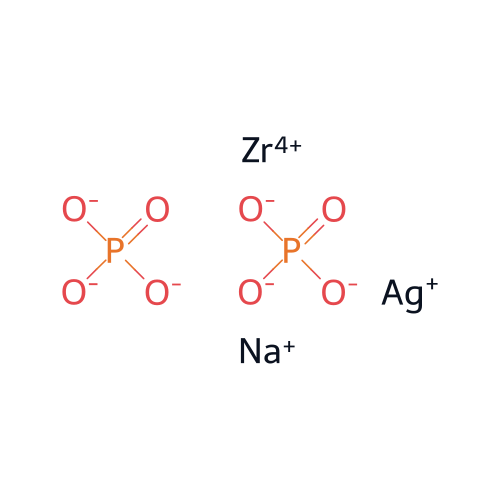
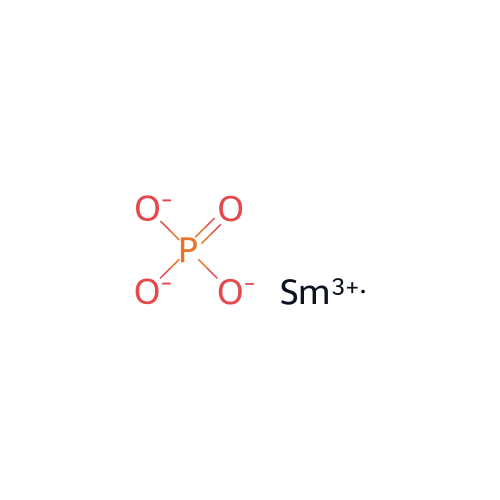
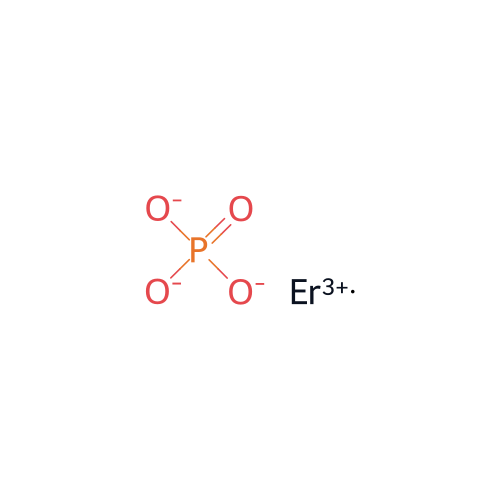
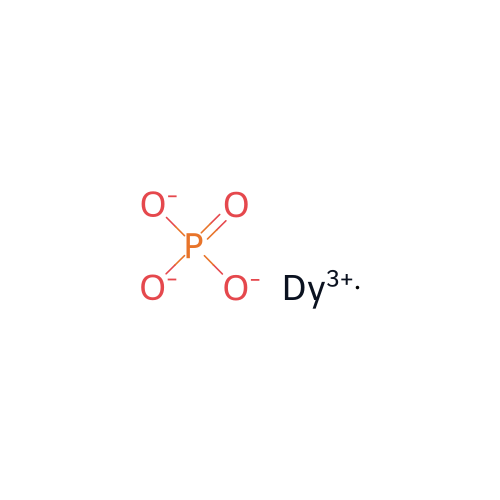
Nearest neighbours by Morgan fingerprint Tanimoto similarity



Frequently asked questions
Quick answers about Trisodium phosphate, based on the data on this page
What is Trisodium phosphate?
What is Trisodium phosphate used for?
Is Trisodium phosphate hazardous?
Guides for buyers
Practical guides that help when you source, ship or handle Trisodium phosphate
- Guide, SafetyHow to read a safety data sheet in 10 minutesA section by section method to pull the essentials out of any 16 section SDS: identity, hazards, composition, storage, PPE, properties, transport and emergency measures.Read
- Guide, Trade and logisticsShipping dangerous goods: UN numbers, classes and packing groupsHow the UN dangerous goods system works for chemicals, from the nine classes and UN numbers to packing groups, UN packaging marks, labels, documents and segregation.Read
- Guide, SafetyGHS pictograms, signal words and hazard statements explainedA practical guide to the nine GHS pictograms, the signal words Danger and Warning, H and P statements, and how to read a chemical label in seconds.Read
Get quotes for Trisodium phosphate
Embed this structure on your websiteShow code
Paste this code into your page to show the 2D structure of Trisodium phosphate with a 3D view, its CAS number where known and a link back to this page. Free to use with the link kept.
<iframe src="https://www.compoundlist.com/embed/structure/trisodium-phosphate-7601-54-9" title="Trisodium phosphate structure on CompoundList" width="360" height="420" style="border:1px solid #E7E2DA;border-radius:12px;max-width:100%" loading="lazy" referrerpolicy="strict-origin-when-cross-origin"></iframe>Explore more in Phosphates and phosphorus salts or HS code 283529