CompoundList
Molecular formula

C13H9Cl2N3O2

23 compounds have this formula on CompoundList.

Molar mass
310.13g/mol
Monoisotopic mass
309.0072Da
Atoms
29
Elements
5
Rings plus double bonds
10

The formula C13H9Cl2N3O2 describes a molecule made of 13 carbon atoms, 9 hydrogen atoms, 2 chlorine atoms, 3 nitrogen atoms and 2 oxygen atoms. It is written in Hill notation: carbon first, then hydrogen, then the other elements in alphabetical order. The formula tells you which atoms are present, not how they are connected, which is why several different chemicals can share it.

Elemental composition

  • C Carbon × 1350.35%
    12.011 × 13 = 156.143 g/mol
  • H Hydrogen × 92.93%
    1.008 × 9 = 9.072 g/mol
  • Cl Chlorine × 222.86%
    35.45 × 2 = 70.900 g/mol
  • N Nitrogen × 313.55%
    14.007 × 3 = 42.021 g/mol
  • O Oxygen × 210.32%
    15.999 × 2 = 31.998 g/mol
Look up another formula

Compounds with the formula C13H9Cl2N3O2

Isomers we list, best known first. Open one to see its structure, properties, safety data and suppliers.

Showing 1 to 23 of 23 compounds

(E)-N'-(3,5-Dichloro-2-hydroxybenzylidene)isonicotinohydrazide chemical structure, C13H9Cl2N3O2, CAS 940062-26-0
(E)-N'-(3,5-Dichloro-2-hydroxybenzylidene)isonicotinohydrazide
CAS 940062-26-0C13H9Cl2N3O2
2,4-Dichlorobenzaldehyde (4-nitrophenyl)hydrazone chemical structure, C13H9Cl2N3O2, CAS 41554-83-0
2,4-Dichlorobenzaldehyde (4-nitrophenyl)hydrazone
CAS 41554-83-0C13H9Cl2N3O2
3,4-Dichlorobenzaldehyde (4-nitrophenyl)hydrazone chemical structure, C13H9Cl2N3O2, CAS 302908-90-3
3,4-Dichlorobenzaldehyde (4-nitrophenyl)hydrazone
CAS 302908-90-3C13H9Cl2N3O2
N-(3,4-Dichlorophenyl)-3-nitrobenzenecarboximidamide chemical structure, C13H9Cl2N3O2, CAS 339009-87-9
N-(3,4-Dichlorophenyl)-3-nitrobenzenecarboximidamide
CAS 339009-87-9C13H9Cl2N3O2
N-[(E)-(2,3-Dichlorophenyl)methylideneamino]-2-nitroaniline chemical structure, C13H9Cl2N3O2, CAS 303771-91-7
N-[(E)-(2,3-Dichlorophenyl)methylideneamino]-2-nitroaniline
CAS 303771-91-7C13H9Cl2N3O2
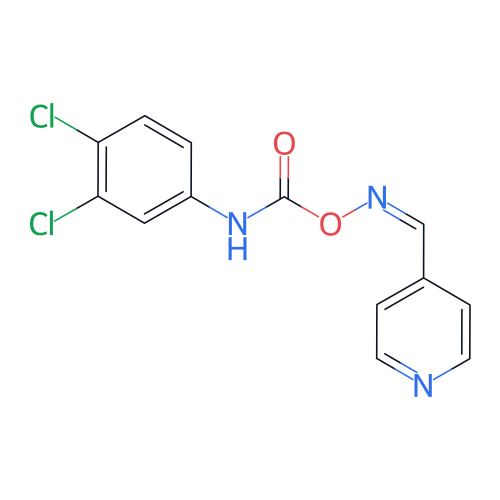
[(Z)-Pyridin-4-ylmethylideneamino] N-(3,4-dichlorophenyl)carbamate chemical structure, C13H9Cl2N3O2, CAS 5533-81-3
[(Z)-Pyridin-4-ylmethylideneamino] N-(3,4-dichlorophenyl)carbamate
CAS 5533-81-3C13H9Cl2N3O2
N'-[(E)-(3,5-Dichloro-2-hydroxyphenyl)methylidene]pyridine-2-carbohydrazide chemical structure, C13H9Cl2N3O2, CAS 330972-03-7
N'-[(E)-(3,5-Dichloro-2-hydroxyphenyl)methylidene]pyridine-2-carbohydrazide
CAS 330972-03-7C13H9Cl2N3O2
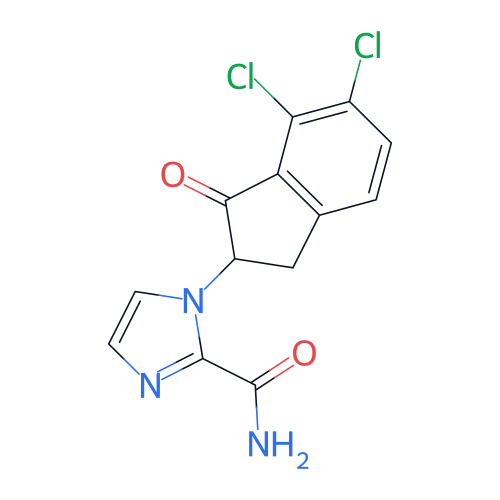
1-(6,7-Dichloro-1-oxo-2-indanyl)imidazole-2-carboxamide chemical structure, C13H9Cl2N3O2, CAS 156484-69-4
1-(6,7-Dichloro-1-oxo-2-indanyl)imidazole-2-carboxamide
CAS 156484-69-4C13H9Cl2N3O2
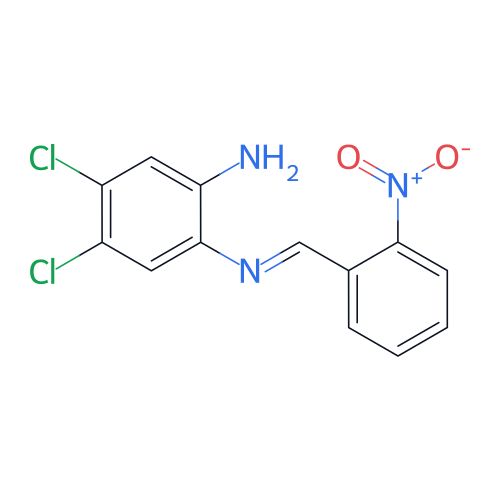
4,5-Dichloro-N-[(e)-(2-nitrophenyl)methylidene]benzene-1,2-diamine chemical structure, C13H9Cl2N3O2, CAS 10173-63-4
4,5-Dichloro-N-[(e)-(2-nitrophenyl)methylidene]benzene-1,2-diamine
CAS 10173-63-4C13H9Cl2N3O2
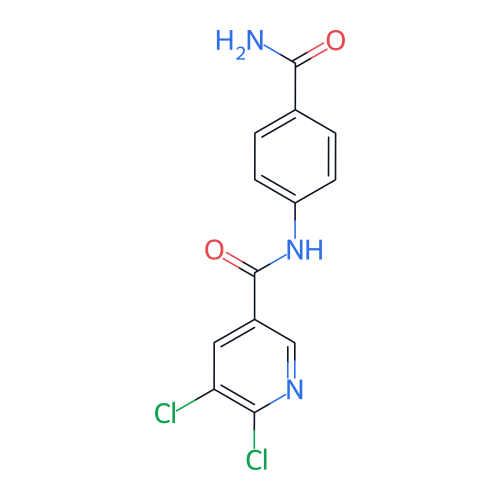
N-(4-Carbamoylphenyl)-5,6-dichloropyridine-3-carboxamide chemical structure, C13H9Cl2N3O2, CAS 903314-32-9
N-(4-Carbamoylphenyl)-5,6-dichloropyridine-3-carboxamide
CAS 903314-32-9C13H9Cl2N3O2
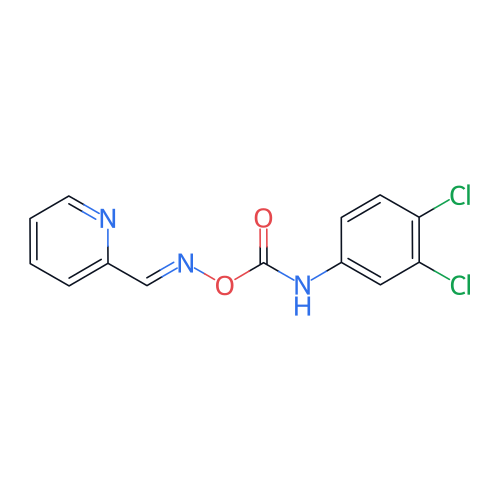
2-Pyridinecarboxaldehyde, O-((3,4-dichlorophenyl)carbamoyl)oxime chemical structure, C13H9Cl2N3O2, CAS 102206-45-1
2-Pyridinecarboxaldehyde, O-((3,4-dichlorophenyl)carbamoyl)oxime
CAS 102206-45-1C13H9Cl2N3O2
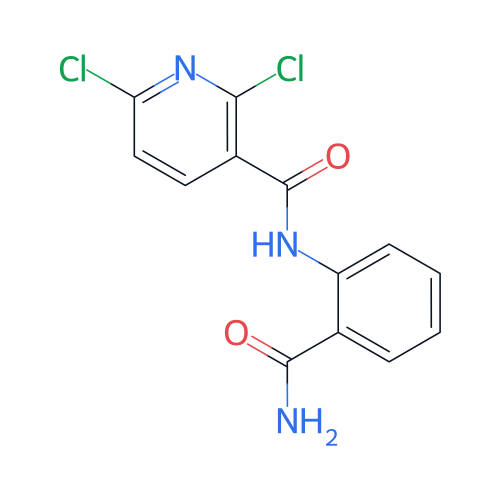
N-(2-Carbamoylphenyl)-2,6-dichloropyridine-3-carboxamide chemical structure, C13H9Cl2N3O2, CAS 929969-41-5
N-(2-Carbamoylphenyl)-2,6-dichloropyridine-3-carboxamide
CAS 929969-41-5C13H9Cl2N3O2
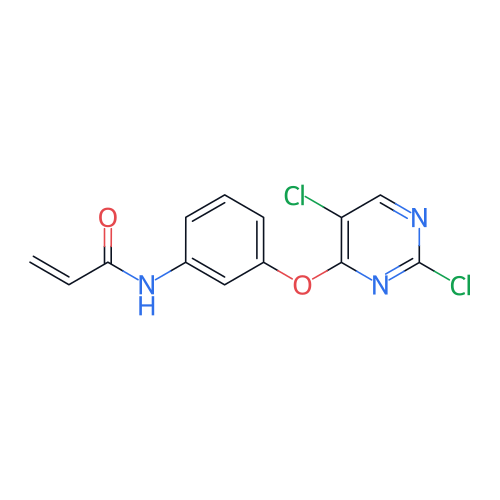
N-(3-((2,5-Dichloropyrimidin-4-yl)oxy)phenyl)acrylamide chemical structure, C13H9Cl2N3O2, CAS 1374641-75-4
N-(3-((2,5-Dichloropyrimidin-4-yl)oxy)phenyl)acrylamide
CAS 1374641-75-4C13H9Cl2N3O2
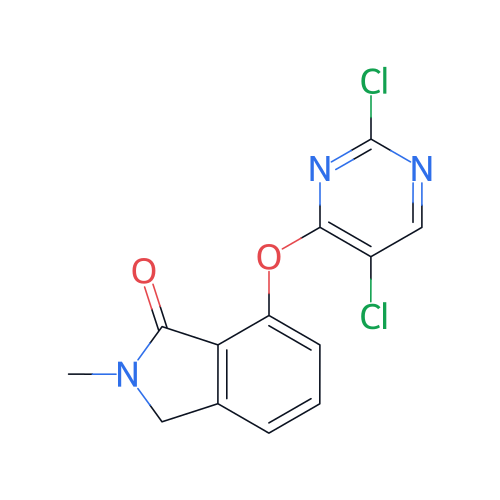
7-(2,5-Dichloro-pyrimidin-4-yloxy)-2-methyl-2,3-dihydro-isoindol-1-one chemical structure, C13H9Cl2N3O2, CAS 1210470-26-0
7-(2,5-Dichloro-pyrimidin-4-yloxy)-2-methyl-2,3-dihydro-isoindol-1-one
CAS 1210470-26-0C13H9Cl2N3O2
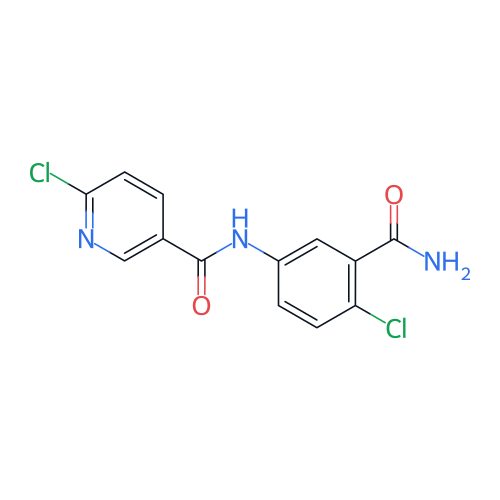
N-(3-Carbamoyl-4-chlorophenyl)-6-chloropyridine-3-carboxamide chemical structure, C13H9Cl2N3O2, CAS 1182828-60-9
N-(3-Carbamoyl-4-chlorophenyl)-6-chloropyridine-3-carboxamide
CAS 1182828-60-9C13H9Cl2N3O2
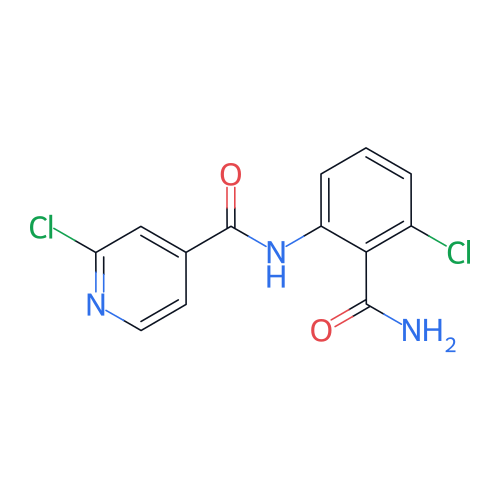
N-(2-Carbamoyl-3-chlorophenyl)-2-chloropyridine-4-carboxamide chemical structure, C13H9Cl2N3O2, CAS 1384590-78-6
N-(2-Carbamoyl-3-chlorophenyl)-2-chloropyridine-4-carboxamide
CAS 1384590-78-6C13H9Cl2N3O2
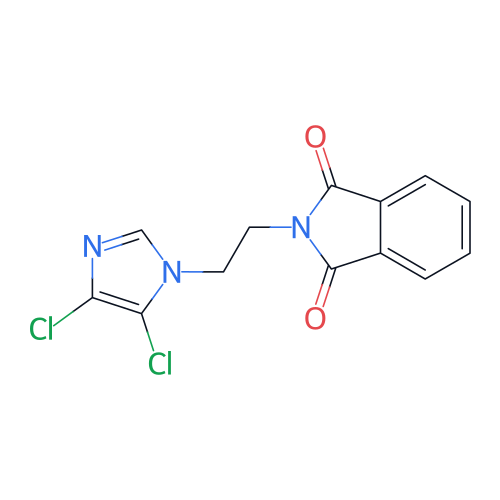
2-[2-(4,5-Dichloroimidazol-1-yl)ethyl]isoindole-1,3-dione chemical structure, C13H9Cl2N3O2, CAS 655235-83-9
2-[2-(4,5-Dichloroimidazol-1-yl)ethyl]isoindole-1,3-dione
CAS 655235-83-9C13H9Cl2N3O2
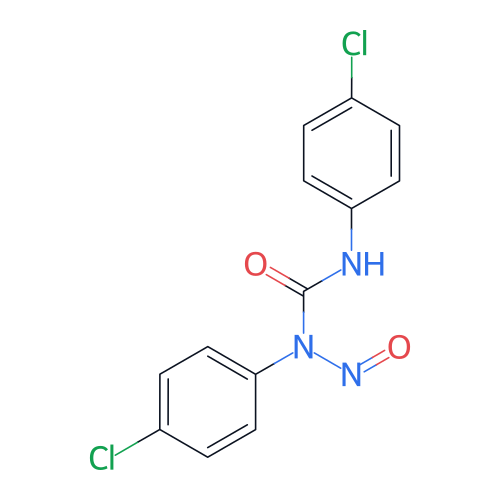
N,N'-Bis(4-chlorophenyl)-N-nitrosourea chemical structure, C13H9Cl2N3O2, CAS 84784-23-6
N,N'-Bis(4-chlorophenyl)-N-nitrosourea
CAS 84784-23-6C13H9Cl2N3O2
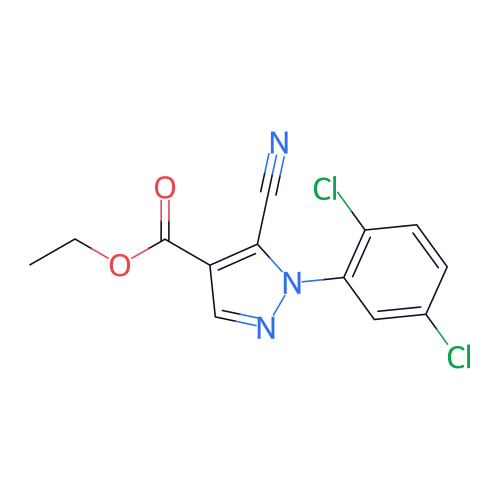
Ethyl 5-cyano-1-(2,5-dichlorophenyl)-1H-pyrazole-4-carboxylate chemical structure, C13H9Cl2N3O2, CAS 98476-28-9
Ethyl 5-cyano-1-(2,5-dichlorophenyl)-1H-pyrazole-4-carboxylate
CAS 98476-28-9C13H9Cl2N3O2
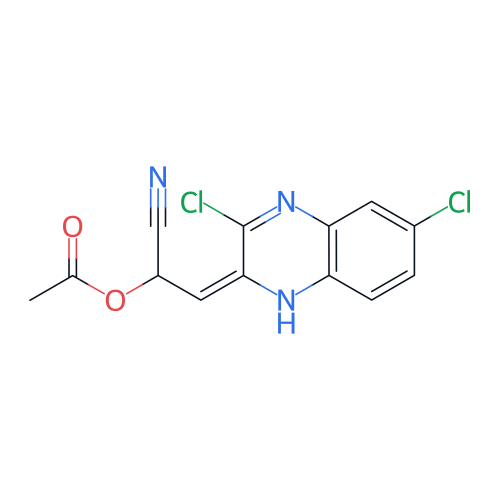
1-Cyano-2-(3,6-dichloroquinoxalin-2(1H)-ylidene)ethyl acetate chemical structure, C13H9Cl2N3O2, CAS 821009-79-4
1-Cyano-2-(3,6-dichloroquinoxalin-2(1H)-ylidene)ethyl acetate
CAS 821009-79-4C13H9Cl2N3O2
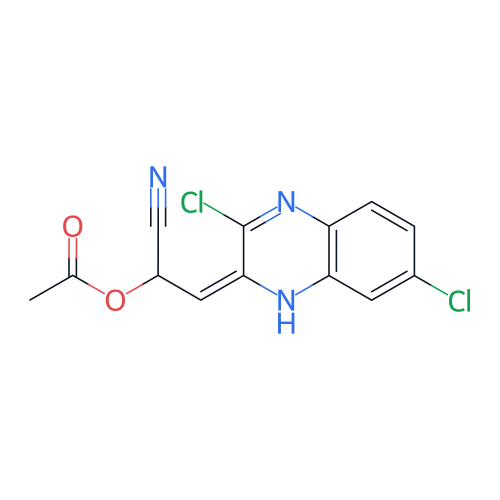
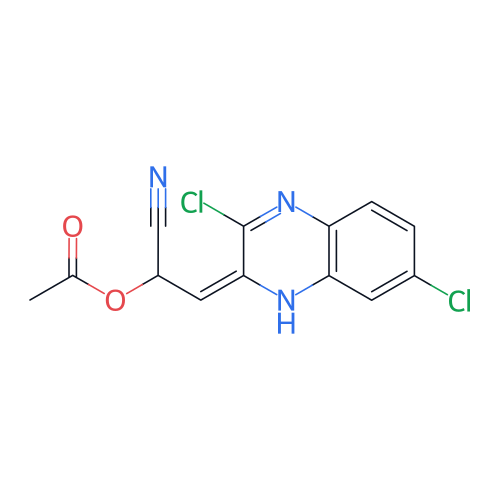
1-Cyano-2-(3,7-dichloroquinoxalin-2(1H)-ylidene)ethyl acetate chemical structure, C13H9Cl2N3O2, CAS 821009-84-1
1-Cyano-2-(3,7-dichloroquinoxalin-2(1H)-ylidene)ethyl acetate
CAS 821009-84-1C13H9Cl2N3O2
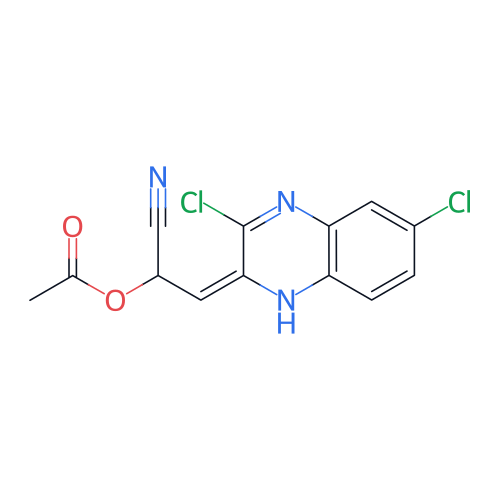
[1-Cyano-2-(3,6-dichloro-1H-quinoxalin-2-ylidene)ethyl] acetate chemical structure, C13H9Cl2N3O2
[1-Cyano-2-(3,6-dichloro-1H-quinoxalin-2-ylidene)ethyl] acetate
C13H9Cl2N3O2
[1-Cyano-2-(3,7-dichloro-1H-quinoxalin-2-ylidene)ethyl] acetate chemical structure, C13H9Cl2N3O2
[1-Cyano-2-(3,7-dichloro-1H-quinoxalin-2-ylidene)ethyl] acetate
C13H9Cl2N3O2

Frequently asked questions

What is the molar mass of C13H9Cl2N3O2?

The molar mass of C13H9Cl2N3O2 is 310.13 g/mol, calculated from standard atomic weights for 13 carbon atoms, 9 hydrogen atoms, 2 chlorine atoms, 3 nitrogen atoms and 2 oxygen atoms. The monoisotopic mass is 309.0072 Da.

How many compounds have the formula C13H9Cl2N3O2?

CompoundList lists 23 compounds with the molecular formula C13H9Cl2N3O2, including (E)-N'-(3,5-Dichloro-2-hydroxybenzylidene)isonicotinohydrazide, 2,4-Dichlorobenzaldehyde (4-nitrophenyl)hydrazone, 3,4-Dichlorobenzaldehyde (4-nitrophenyl)hydrazone. Compounds that share a formula are isomers. They contain the same atoms arranged differently, so their properties, uses and prices can be very different.

What is the degree of unsaturation of C13H9Cl2N3O2?

C13H9Cl2N3O2 has a degree of unsaturation of 10. That is the total number of rings and pi bonds (a double bond counts as one, a triple bond as two) in any structure with this formula.