3,4-Methylenedioxymethamphetamine
Also known as MDMA, Ecstasy, Midomafetamine

Key facts
What buyers check first
- CAS number
- 42542-10-9
- Formula
- C11H15NO2
- Appearance
- Oil
- Boiling point
- 100 to 110
- HS code
- 293299
- Category
- Central nervous system drugs
What is 3,4-Methylenedioxymethamphetamine?
Plain description, key identifiers and synonyms
3,4-methylenedioxymethamphetamine is a member of the class of benzodioxoles that is 1,3-benzodioxole substituted by a 2-(methylamino)propyl group at position 5. It has a role as a neurotoxin. It is a member of amphetamines and a member of benzodioxoles.
3,4-Methylenedioxymethamphetamine is an empathogen and stimulant.
Identifiers
Registry numbers, names and line notations, tap to copy
- IUPAC name
- 1-(1,3-benzodioxol-5-yl)-N-methylpropan-2-amine
- CAS number
- 42542-10-9 CAS number cross-checked
- EC number
- 980-806-5
- Molecular formula
- C11H15NO2
- UNII
- KE1SEN21RM
- InChIKey
- SHXWCVYOXRDMCX-UHFFFAOYSA-N
- InChI
- InChI=1S/C11H15NO2/c1-8(12-2)5-9-3-4-10-11(6-9)14-7-13-10/h3-4,6,8,12H,5,7H2,1-2H3
- SMILES (canonical and isomeric)
- CC(CC1=CC2=C(C=C1)OCO2)NC
Synonyms
- MDMA
- Ecstasy
- Midomafetamine
- Methylenedioxymethamphetamine
- DL-(3,4-Methylenedioxy)methamphetamine
- N-Methyl-3,4-methylenedioxyamphetamine
- (RS)-3,4-(methylenedioxy)methamphetamine
- N,alpha-Dimethyl-1,3-benzodioxole-5-ethanamine
- 1-(1,3-benzodioxol-5-yl)-N-methylpropan-2-amine
- midomafetamina
- Methylenedioxymetamphetamine
- Methylenedioxymethamfetamine
- (+-)-(3,4-Methylenedioxy)methamphetamine
- 1,3-Benzodioxole-5-ethanamine, N,alpha-dimethyl-
- 3,4-methylenedioxymetamphetamine
- Mandy [Street Name]
- Molly [Street Name]
- XTC [Street Name]
- Phenethylamine, N,alpha-dimethyl-3,4-methylenedioxy-
- 3,4-Methylenedioxy-N,alpha-dimethyl-beta-phenylethylamine
- (+-)-N-Methyl-1-(3,4-methylenedioxyphenyl)-2-aminopropane
- Mandy (Street Name)
- Molly (Street Name)
- XTC (Street Name)
- [1-(2H-1,3-benzodioxol-5-yl)propan-2-yl](methyl)amine
Show all 37 synonymsShow fewer synonyms
- Ecstasy (Drug)
- midomafetaminum
- (1-(2H-1,3-benzodioxol-5-yl)propan-2-yl)(methyl)amine
- N Methyl 3,4 methylenedioxyamphetamine
- N Methyl 3,4 methylenedioxyamphetamine Hydrochloride
- Hydrochloride, N-Methyl-3,4-methylenedioxyamphetamine
- Molly
- MANDY
- DEA No. 7405
- (+-)-N-Methyl-3,4-(methylenedioxy)amphetamine
- XTC
- 1-(1,3-Benzodioxol-5-yl)-N-methyl-2-propanamine
Physical and chemical properties
Measured values and descriptors computed from the structure
Physical and chemical properties
Measured values, check the supplier specification for your grade
| Appearance | Oilexp.Measured value |
|---|---|
| Boiling point | 100 to 110exp.Measured value |
Values vary by grade. Ask suppliers for the COA or TDS of the batch you buy.
Computed descriptors
Calculated from the structure, useful for screening and formulation
| Molecular weight | 193.25 g/molcalc.Computed value |
|---|---|
| Exact mass | 193.1103 Dacalc.Computed value |
| LogP (octanol/water) | 1.57calc.Computed value |
| Topological polar surface area | 30.49 Ųcalc.Computed value |
| Hydrogen bond donors | 1calc.Computed value |
| Hydrogen bond acceptors | 3calc.Computed value |
| Rotatable bonds | 3calc.Computed value |
| Heavy atoms | 14calc.Computed value |
| Rings | 2calc.Computed value |
| Aromatic rings | 1calc.Computed value |
| Fraction sp3 carbons | 0.46calc.Computed value |
| Formal charge | 0calc.Computed value |
| Stereocentres | 1calc.Computed value |
| Lipinski rule of five | Passes (0 violations)calc.Computed value |
Calculated for screening. Confirm critical figures with the supplier.
Murcko scaffold
The ring system that remains when every side chain is removed
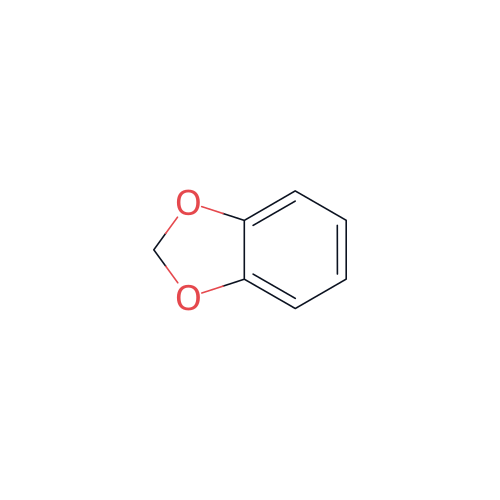
c1ccc2c(c1)OCO2
2 rings, 9 atoms, the 1,3-Benzodioxole ring system.
4,560 other chemicals share this scaffoldSafety and hazards
GHS classification summary, not a safety data sheet
Hazard statements
- H301Toxic if swallowed.
- H315Causes skin irritation.
- H319Causes serious eye irritation.
- H335May cause respiratory irritation.
Precautionary statements (19)
- P261Avoid breathing dust, fume, gas, mist, vapours or spray.
- P264Wash skin thoroughly after handling.
- P264 + P265Wash skin thoroughly after handling. Do not touch eyes.
- P270Do not eat, drink or smoke when using this product.
- P271Use only outdoors or in a well-ventilated area.
- P280Wear protective gloves, protective clothing, eye protection and face protection.
- P301 + P316If swallowed: Get emergency medical help immediately.
- P302 + P352If on skin: Wash with plenty of water.
- P304 + P340If inhaled: Remove person to fresh air and keep comfortable for breathing.
- P305 + P351 + P338If in eyes: Rinse cautiously with water for several minutes. Remove contact lenses, if present and easy to do. Continue rinsing.
- P319Get medical help if you feel unwell.
- P321Specific treatment (see supplemental first aid instructions on the label).
- P330Rinse mouth.
- P332 + P317If skin irritation occurs: Get medical help.
- P337 + P317If eye irritation persists: Get medical help.
- P362 + P364Take off contaminated clothing. And wash it before reuse.
- P403 + P233Store in a well-ventilated place. Keep container tightly closed.
- P405Store locked up.
- P501Dispose of contents and container in accordance with local regulations.
GHS classification summary, not a safety data sheet (SDS). Classifications can differ by supplier, grade and concentration. Always check the supplier's SDS.
Full safety data and first aid3,4-Methylenedioxymethamphetamine suppliers
Trading restrictions apply to this substance
3,4-Methylenedioxymethamphetamine is prohibited on CompoundList. Listings, quotes and messages are disabled. This page is kept for information only.
Listing and enquiries are not allowed for this substance.
Reference: UN Convention on Psychotropic Substances 1971 Schedule I
Our policy on controlled substances3,4-Methylenedioxymethamphetamine price
Indicative price range per kg from live supplier offers
Prices are not shown for prohibited substances.
Uses and applications
What the substance is used for, by industry and function
3,4-Methylenedioxymethamphetamine (MDMA) (DEA Code Number: 7405) is a Schedule I controlled substance.
Schedule I Controlled Substance: (A) The drug or other substance has a high potential for abuse, (B) The drug or other substance has no currently accepted medical use in treatment in the United States, and (C) There is a lack of accepted safety for use of the drug or other substance under medical supervision.
Hallucinogens Serotonin Agents, Adrenergic Uptake Inhibitors.
Ecstasy is the popular name for the illicit drug MDMA and is widely used at dance parties or "raves." It is usually consumed orally in tablet or capsule form ... Its primary effect is to produce a positive mood state with euphoria, intimacy, and closeness to others.
Use classes: Illicit drugs and related compounds, Pharmaceuticals.
Industries and functions
Pharmacological actions
- Adrenergic Uptake Inhibitors
- Hallucinogens
- Serotonin Agents
Roles
- aetiopathogenetic role
- neurotoxin
- poison
Functional uses
- Pharmaceutical
Pharmacology
3,4-Methylenedioxymethamphetamine is a ring-substituted amphetamine derivative, structurally related to the hallucinogen mescaline, with entactogenic, neurotoxic, and motor-stimulatory activities. 3,4-methylenedioxymethamphetamine (MDMA) produces an acute, rapid enhancement in both the release of serotonin from and the inhibition of serotonin reuptake by serotonergic nerve endings in the brain.
Read more
Once within the cell, MDMA depletes stores of tryptophan hydroxylase (TPH) via acute oxidative inactivation, in turn, depleted stores of TPH leave cell terminals open to damage from oxidative stress, possibly a source of MDMA neurotoxicity. This agent also induces norepinephrine, dopamine, and acetylcholine release and can act directly on a number of receptors, including alpha 2-adrenergic and 5-hydroxytryptamine (5-HT) 2A receptors. MDMA may suppress the dyskinesia associated with long-term use of L-dopamine (L-DOPA) without affecting the efficacy of L-DOPA treatment.
How it is made
There are four principal precursors which can be used in the manufacture of MDMA and related drugs: safrole, isosafrole, piperonal and 3,4-methylenedioxyphenyl-2-propanone (PMK). Safrole is the key starting material in so far as the other three can be synthesised from it. In the original Merck patent of 1914, safrole was reacted with hydrobromic acid to form bromosafrole, which was converted to MDMA using methylamine. Many illicit syntheses start with PMK and use either the Leuckart route or various reductive aminations including the aluminium foil method. All of these methods produce racemic MDMA.
Preparation: Germany patent 274350 (1914 to E. Merck).
Regulatory status
Inventories, regulations and trade controls that list this substance
3,4-Methylenedioxymethamphetamine is prohibited on CompoundList. Listings, quotes and messages are disabled. This page is kept for information only.
Listing and enquiries are not allowed for this substance.
Reference: UN Convention on Psychotropic Substances 1971 Schedule I
Our policy on controlled substancesControls
- US DEA controlled substance or listed chemical
- Controlled psychotropic substance
HS code and trade data
Customs classification and reported world trade statistics
Global trade
World import and export statistics for the HS code 3,4-Methylenedioxymethamphetamine is traded under.
Heterocyclic compounds with oxygen hetero-atom(s) only, other
- China28.9%
- Switzerland * partner reported12.7%
- Germany7.8%
- United States49.7%
- China11.9%
- India * partner reported3.3%
* Partner reported figures, a lower bound.
The HS code shown for 3,4-Methylenedioxymethamphetamine is indicative (it was assigned by structure rules). Confirm the classification with your customs broker before shipping.
Related chemicals
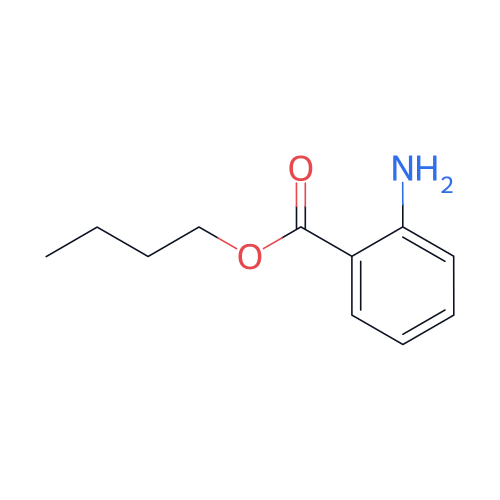
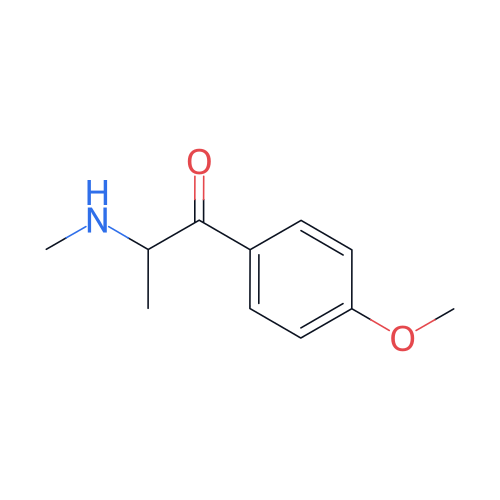
Parent and salt forms, stereoisomers, similar structures and isomers
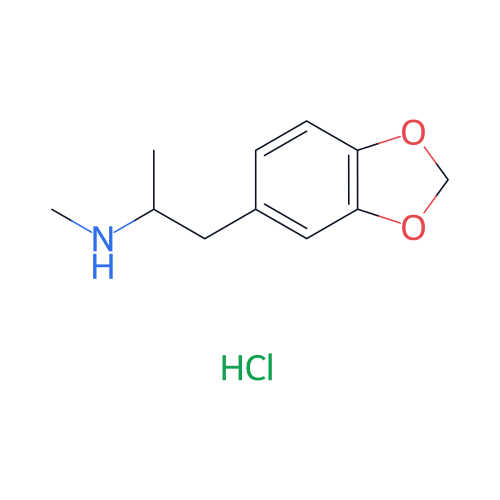
Salt and hydrate forms
Records that share this compound as their parent
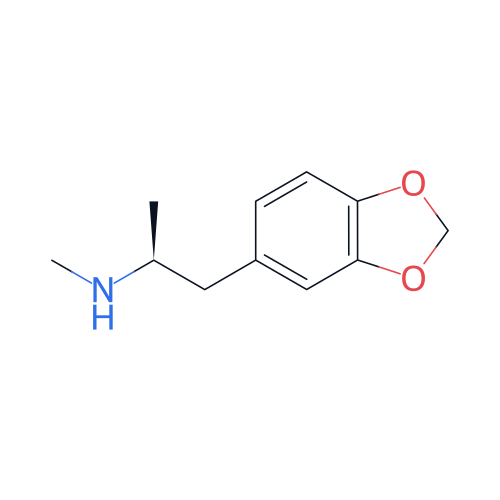
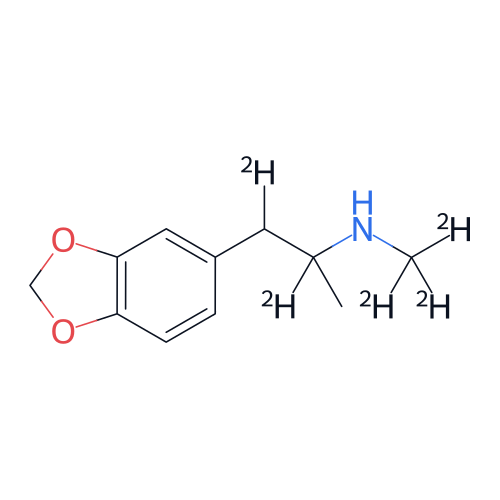
Stereoisomers and isotopic forms
Same connectivity, different stereochemistry or isotopes (same InChIKey skeleton)


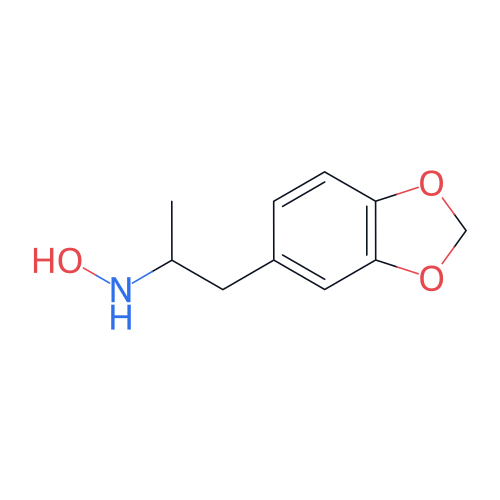
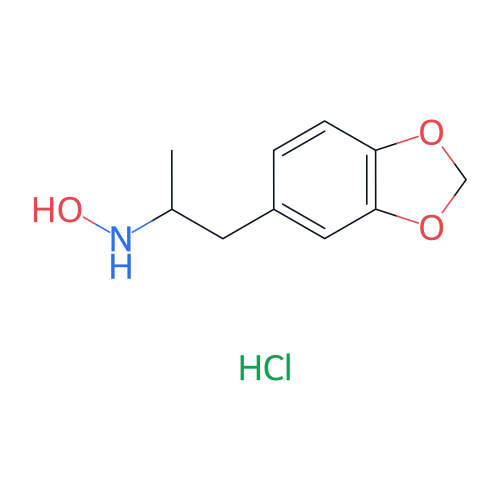
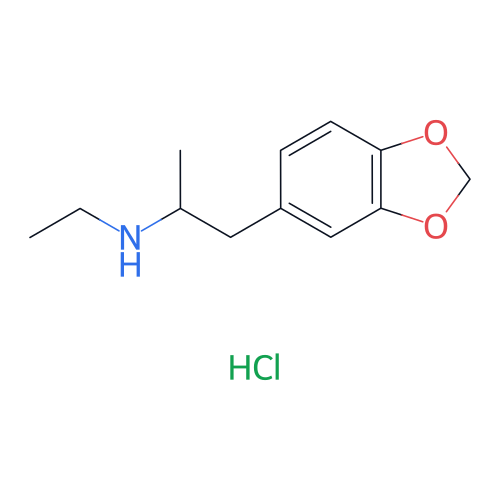
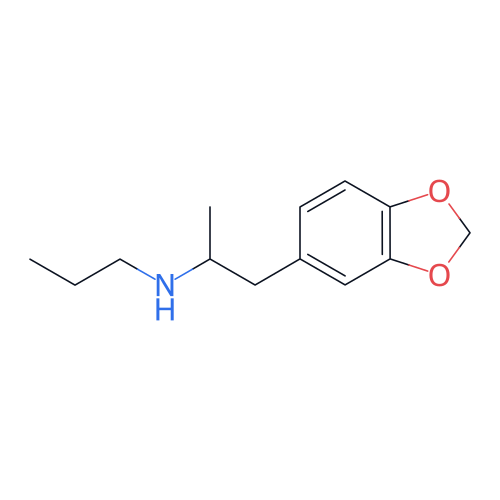
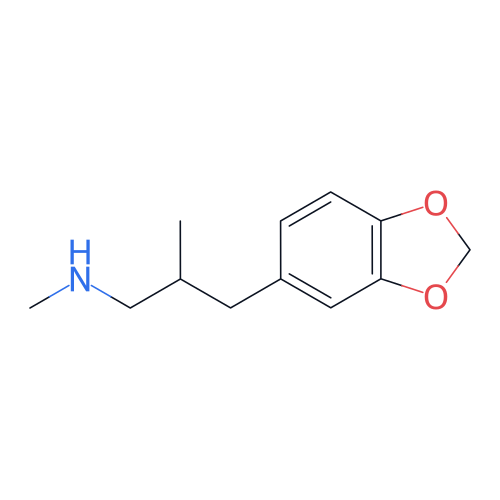
Similar structures
Nearest neighbours by Morgan fingerprint Tanimoto similarity




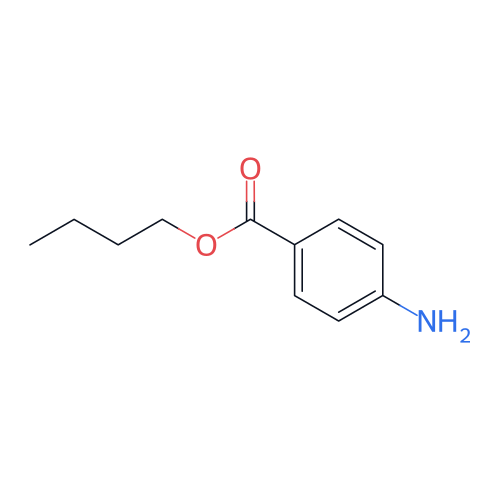
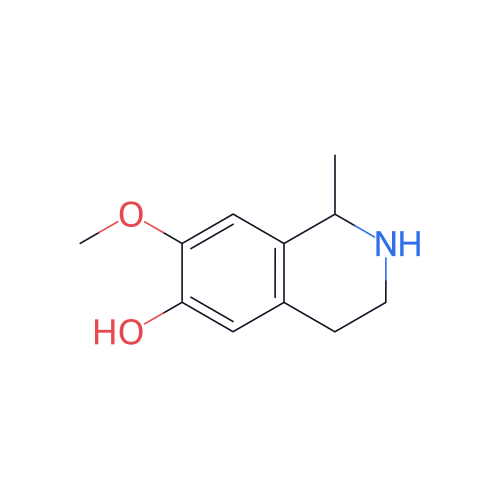
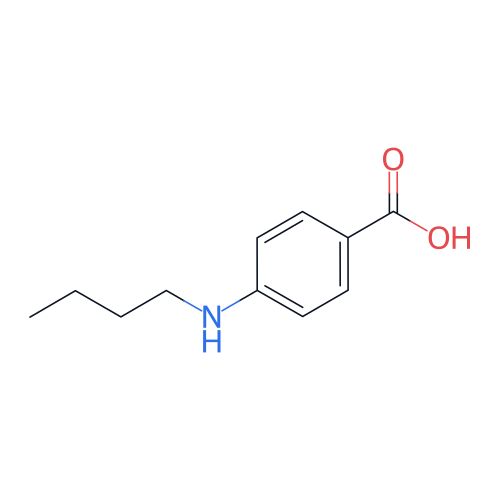
Same formula isomers
Different compounds that share this molecular formula







Frequently asked questions
Quick answers about 3,4-Methylenedioxymethamphetamine, based on the data on this page
What is 3,4-Methylenedioxymethamphetamine?
What is 3,4-Methylenedioxymethamphetamine used for?
Is 3,4-Methylenedioxymethamphetamine hazardous?
Can I buy 3,4-Methylenedioxymethamphetamine on CompoundList?
Guides for buyers
Practical guides that help when you source, ship or handle 3,4-Methylenedioxymethamphetamine
- Article, QualityPharma grades explained: IP vs BP vs USP vs EPWhat the Indian, British, US and European pharmacopoeias are, how their monographs differ, what multi grade claims mean and why a grade alone does not make a product fit for medicines.Read
- Guide, SafetyHow to read a safety data sheet in 10 minutesA section by section method to pull the essentials out of any 16 section SDS: identity, hazards, composition, storage, PPE, properties, transport and emergency measures.Read
- Guide, SafetyGHS pictograms, signal words and hazard statements explainedA practical guide to the nine GHS pictograms, the signal words Danger and Warning, H and P statements, and how to read a chemical label in seconds.Read
Explore more in Central nervous system drugs or HS code 293299