alpha-Terpineol safety data
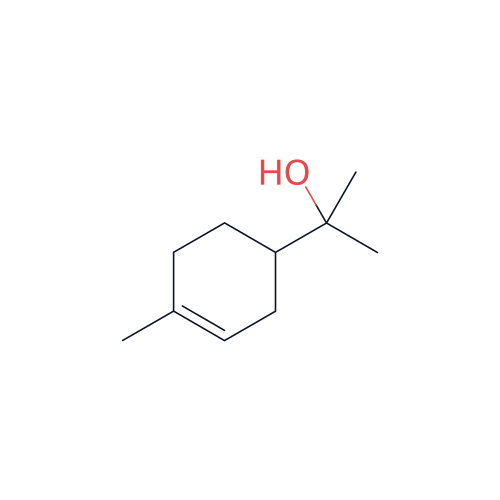
GHS classification summary, not a safety data sheet (SDS). Classifications can differ by supplier, grade and concentration. Always check the supplier's SDS.
GHS classification
Pictograms, signal word and hazard classes of the GHS classification
Hazard classes and categories
- Skin Irrit. 2
- Eye Irrit. 2
Hazard statements
H codes grouped by type. Percentages show the share of classification notifications that report the statement
Health hazards
- H315Causes skin irritation.
- H319Causes serious eye irritation.
Precautionary statements
P codes for prevention, response, storage and disposal
Prevention
- P264Wash skin thoroughly after handling.
- P264 + P265Wash skin thoroughly after handling. Do not touch eyes.
- P280Wear protective gloves, protective clothing, eye protection and face protection.
Response
- P302 + P352If on skin: Wash with plenty of water.
- P305 + P351 + P338If in eyes: Rinse cautiously with water for several minutes. Remove contact lenses, if present and easy to do. Continue rinsing.
- P321Specific treatment (see supplemental first aid instructions on the label).
- P332 + P317If skin irritation occurs: Get medical help.
- P337 + P317If eye irritation persists: Get medical help.
- P362 + P364Take off contaminated clothing. And wash it before reuse.
Handling, storage and disposal
Summaries only, follow the supplier SDS for your grade
Safe handling
Respiratory protection: Where risk assessment shows air-purifying respirators are appropriate use a full-face respirator with multipurpose combination (US) or type ABEK (EN 14387) respirator cartridges as a backup to engineering controls. If the respirator is the sole means of protection, use a full-face supplied air respirator. Use respirators and components tested and approved under appropriate government standards such as NIOSH (US) or CEN (EU). Body Protection: Impervious clothing. The type of protective equipment must be selected according to the concentration and amount of the dangerous substance at the specific workplace.
Storage
Conditions for safe storage, including any incompatibilities: Keep container tightly closed in a dry and well-ventilated place.
Disposal
SRP: Recycle any unused portion of the material for its approved use or return it to the manufacturer or supplier. Ultimate disposal of the chemical must consider: the material's impact on air quality, potential migration in air, soil or water, effects on animal, aquatic and plant life, and conformance with environmental and public health regulations. If it is possible or reasonable use an alternative chemical product with less inherent propensity for occupational harm/injury/toxicity or environmental contamination. Waste treatment methods: Product: Contact a licensed professional waste disposal service to dispose of this material. This combustible material may be burned in a chemical incinerator equipped with an afterburner and scrubber. Offer surplus and non-recyclable solutions to a licensed disposal company. Contaminated packaging: Dispose of as unused product.
Exposure limits and toxicity
Occupational exposure limits and toxicity data
In human subjects, alpha-terpineol had a low irritative potency but a strong odor. Two dermatitis patients were reported to be sensitized to alpha-terpineol, although attempts to induce skin sensitization in volunteers using a dilute solution of alpha-terpineol were unsuccessful. Two fatalities described in the literature were both due to accidental ingestion of a pine oil-containing products and were attributed to combined toxicity of isopropanol and 1-alpha-terpineol.
Supplier safety data sheets
SDS documents uploaded by suppliers who list this chemical
No supplier has uploaded an SDS for alpha-Terpineol yet. Suppliers usually send one with their quote. Request quotes
Safety questions
Quick answers about handling alpha-Terpineol safely
Is alpha-Terpineol hazardous?
Which GHS pictograms apply to alpha-Terpineol?
How should alpha-Terpineol be stored?
Where can I get the SDS for alpha-Terpineol?
GHS classification summary, not an SDS. Always check the supplier's SDS. Last updated 7 Oct 2026. Report an error