Dichlorophen safety data
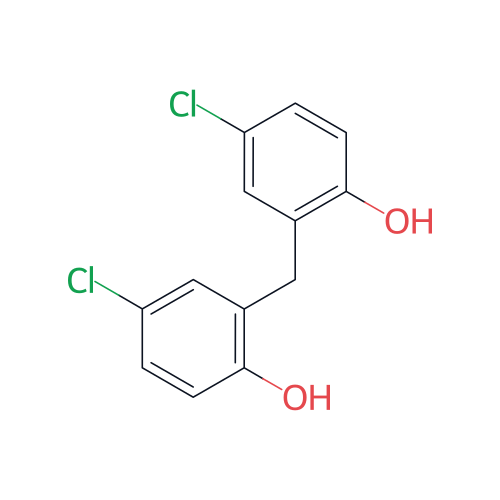
GHS classification summary, not a safety data sheet (SDS). Classifications can differ by supplier, grade and concentration. Always check the supplier's SDS.
GHS classification
Pictograms, signal word and hazard classes of the GHS classification
Hazard classes and categories
- Acute Tox. 4 (oral)
- Eye Irrit. 2
- Aquatic Acute 1
- Aquatic Chronic 1
Hazard statements
H codes grouped by type. Percentages show the share of classification notifications that report the statement
Health hazards
- H302Harmful if swallowed.
- H319Causes serious eye irritation.
Environmental hazards
- H400Very toxic to aquatic life.
- H410Very toxic to aquatic life with long lasting effects.
Precautionary statements
P codes for prevention, response, storage and disposal
Prevention
- P264Wash skin thoroughly after handling.
- P264 + P265Wash skin thoroughly after handling. Do not touch eyes.
- P270Do not eat, drink or smoke when using this product.
- P273Avoid release to the environment.
- P280Wear protective gloves, protective clothing, eye protection and face protection.
Response
- P301 + P317If swallowed: Get medical help.
- P305 + P351 + P338If in eyes: Rinse cautiously with water for several minutes. Remove contact lenses, if present and easy to do. Continue rinsing.
- P330Rinse mouth.
- P337 + P317If eye irritation persists: Get medical help.
- P391Collect spillage.
Disposal
- P501Dispose of contents and container in accordance with local regulations.
First aid
General first aid measures. Get medical advice if you feel unwell
Handling, storage and disposal
Summaries only, follow the supplier SDS for your grade
Safe handling
RECOMMENDED RESPIRATOR: Where the neat test chemical is weighed and diluted, wear a NIOSH-approved half face respirator equipped with an organic vapor/acid gas cartridge (specific for organic vapors, HCl, acid gas and SO2) with a dust/mist filter.
Storage
Safe Storage of Pesticides. Always store pesticides in their original containers, complete with labels that list ingredients, directions for use, and first aid steps in case of accidental poisoning. Never store pesticides in cabinets with or near food, animal feed, or medical supplies. Do not store pesticides in places where flooding is possible or in places where they might spill or leak into wells, drains, ground water, or surface water.
Disposal
Safe Disposal of Pesticides. The best way to dispose of small amounts of excess pesticides is to use them - apply them - according to the directions on the label. If you cannot use them, ask your neighbors whether they have a similar pest control problem and can use them. If all of the remaining pesticide cannot be properly used, check with your local solid waste management authority, environmental agency, or health department to find out whether your community has a household hazardous waste collection program or a similar program for getting rid of unwanted, leftover pesticides. These authorities can also inform you of any local requirements for pesticide waste disposal. Safe Disposal of Pesticides. An empty pesticide container can be as hazardous as a full one because of residues left inside. Never reuse such a container.
Exposure limits and toxicity
Occupational exposure limits and toxicity data
SYMPTOMS: Symptoms of exposure to this compound include sensitivity dermatitis, photosensitivity and stomatitis. Other symptoms include nausea, vomiting, gastrointestinal colic, diarrhea, urticarial rash and jaundice. Irritation of the skin, eyes, mucous membranes and upper respiratory tract may also occur. It can cause cramps.
Supplier safety data sheets
SDS documents uploaded by suppliers who list this chemical
No supplier has uploaded an SDS for Dichlorophen yet. Suppliers usually send one with their quote. Request quotes
Safety questions
Quick answers about handling Dichlorophen safely
Is Dichlorophen hazardous?
Which GHS pictograms apply to Dichlorophen?
How should Dichlorophen be stored?
Where can I get the SDS for Dichlorophen?
GHS classification summary, not an SDS. Always check the supplier's SDS. Last updated 7 Oct 2026. Report an error