Hydroquinone
Also known as Benzene-1,4-diol, 1,4-benzenediol, 1,4-Dihydroxybenzene

Key facts
What buyers check first
- Appearance
- White crystals
- Melting point
- 170 to 171
- Boiling point
- 285 to 287
- Density
- 1.330 g/cm³ at 20 °C
- Flash point
- 165 °C
- HS code
- 290722
- Category
- Skin conditioning agents and actives
- UN number
- UN 2662
What is Hydroquinone?
Plain description, key identifiers and synonyms
Hydroquinone is a benzenediol comprising benzene core carrying two hydroxy substituents para to each other. It has a role as an antioxidant, a cofactor, a carcinogenic agent, a mouse metabolite, a human xenobiotic metabolite, an Escherichia coli metabolite and a skin lightening agent. It is a benzenediol and a member of hydroquinones.
Identifiers
Registry numbers, names and line notations, tap to copy
- IUPAC name
- benzene-1,4-diol
- CAS number
- 123-31-9 CAS number cross-checked
- EC number
- 204-617-8
- Molecular formula
- C6H6O2
- UNII
- XV74C1N1AE
- MDL number
- MFCD00002339
- INCI name
- HYDROQUINONE
- InChIKey
- QIGBRXMKCJKVMJ-UHFFFAOYSA-N
- InChI
- InChI=1S/C6H6O2/c7-5-1-2-6(8)4-3-5/h1-4,7-8H
- SMILES (canonical and isomeric)
- C1=CC(=CC=C1O)O
Synonyms
- Benzene-1,4-diol
- 1,4-benzenediol
- 1,4-Dihydroxybenzene
- Quinol
- p-Hydroquinone
- p-Hydroxyphenol
- p-Benzenediol
- p-Dihydroxybenzene
- 4-Hydroxyphenol
- hydroquinol
- Benzoquinol
- Eldopaque
- Eldoquin
- Hydroquinole
- Phiaquin
- Tecquinol
- p-Dioxybenzene
- Solaquin forte
- Idrochinone
- Benzohydroquinone
- Hidroquinone
- Arctuvin
- Tequinol
- Dihydroxybenzene
- Tenox HQ
Show all 39 synonymsShow fewer synonyms
- Eldopaque Forte
- Eldoquin Forte
- Hydrochinon
- Usaf ek-356
- Diak 5
- Benzene, p-dihydroxy-
- 1,4-Dihydroxy-benzol
- 1,4-Diidrobenzene
- p-Dioxobenzene
- 1,4-Dihydroxybenzen
- para-Dioxybenzene
- para-Hydroquinone
- Pyrogentistic acid
- Black and White Bleaching Cream
Physical and chemical properties
Measured values and descriptors computed from the structure
Physical and chemical properties
Measured values, check the supplier specification for your grade
| Appearance | White crystalsexp.Measured value |
|---|---|
| Odour | Odorlessexp.Measured value |
| Taste | A slightly bitter taste in aqueous solutionsexp.Measured value |
| Melting point | 170 to 171exp.Measured value |
| Boiling point | 285 to 287exp.Measured value |
| Density | 1.330 g/cm³ at 20 °Cexp.Measured value |
| Flash point | 165 °Cexp.Measured value |
| Autoignition temperature | 516 °Cexp.Measured value |
| Solubility | In water, 72,000 mg/L at 25 °Cexp.Measured value |
| Vapour pressure | 1.9 × 10⁻⁵ mm Hg at 25 °Cexp.Measured value |
Values vary by grade. Ask suppliers for the COA or TDS of the batch you buy.
Computed descriptors
Calculated from the structure, useful for screening and formulation
| Molecular weight | 110.11 g/molcalc.Computed value |
|---|---|
| Exact mass | 110.0368 Dacalc.Computed value |
| LogP (octanol/water) | 1.1calc.Computed value |
| Topological polar surface area | 40.46 Ųcalc.Computed value |
| Hydrogen bond donors | 2calc.Computed value |
| Hydrogen bond acceptors | 2calc.Computed value |
| Rotatable bonds | 0calc.Computed value |
| Heavy atoms | 8calc.Computed value |
| Rings | 1calc.Computed value |
| Aromatic rings | 1calc.Computed value |
| Fraction sp3 carbons | 0calc.Computed value |
| Formal charge | 0calc.Computed value |
| Stereocentres | 0calc.Computed value |
| Lipinski rule of five | Passes (0 violations)calc.Computed value |
Calculated for screening. Confirm critical figures with the supplier.
Murcko scaffold
The ring system that remains when every side chain is removed

Safety and hazards
GHS classification summary, not a safety data sheet
Hazard statements
- H302Harmful if swallowed.
- H317May cause an allergic skin reaction.
- H318Causes serious eye damage.
- H341Suspected of causing genetic defects.
- H351Suspected of causing cancer.
- H400Very toxic to aquatic life.
Precautionary statements (20)
- P203Obtain, read and follow all safety instructions before use.
- P261Avoid breathing dust, fume, gas, mist, vapours or spray.
- P264Wash skin thoroughly after handling.
- P264 + P265Wash skin thoroughly after handling. Do not touch eyes.
- P270Do not eat, drink or smoke when using this product.
- P272Contaminated work clothing should not be allowed out of the workplace.
- P273Avoid release to the environment.
- P280Wear protective gloves, protective clothing, eye protection and face protection.
- P301 + P317If swallowed: Get medical help.
- P302 + P352If on skin: Wash with plenty of water.
- P305 + P354 + P338If in eyes: Immediately rinse with water for several minutes. Remove contact lenses, if present and easy to do. Continue rinsing.
- P317Get medical help.
- P318If exposed or concerned, get medical advice.
- P321Specific treatment (see supplemental first aid instructions on the label).
- P330Rinse mouth.
- P333 + P317If skin irritation or rash occurs: Get medical help.
- P362 + P364Take off contaminated clothing. And wash it before reuse.
- P391Collect spillage.
- P405Store locked up.
- P501Dispose of contents and container in accordance with local regulations.
- UN number
- UN 2662
- Transport hazard class
- 6.1
- Packing group
- III
GHS classification summary, not a safety data sheet (SDS). Classifications can differ by supplier, grade and concentration. Always check the supplier's SDS.
Full safety data and first aidHydroquinone suppliers
Sponsored listings first, then the documented ranking: membership, verification, replies, completeness, freshness and ratings
- India, Pune ManufacturerUnclaimed profileHydroquinoneGrade, purity and minimum order on requestPrice on request
- India, AhmedabadUnclaimed profileHydroquinoneGrade, purity and minimum order on requestPrice on request
- China, DalianUnclaimed profileHydroquinoneGrade, purity and minimum order on requestPrice on request
- Spain, BarcelonaUnclaimed profileHydroquinoneGrade, purity and minimum order on requestPrice on request
- Poland, WołówUnclaimed profileHydroquinoneGrade, purity and minimum order on requestPrice on request
- United StatesUnclaimed profileHydroquinoneGrade, purity and minimum order on requestPrice on request
- IndiaUnclaimed profileHydroquinoneGrade, purity and minimum order on requestPrice on request
- NetherlandsUnclaimed profileHydroquinoneGrade, purity and minimum order on requestPrice on request
- China, GuangzhouUnclaimed profileHydroquinoneGrade, purity and minimum order on requestPrice on request
- TaiwanUnclaimed profileHydroquinoneGrade, purity and minimum order on requestPrice on request
Suppliers marked Unclaimed profile have not claimed their profile yet. They are not verified by CompoundList, their offers are price on request and details may have changed, so please confirm them with the supplier. Company representatives can claim a profile with a business email on the company's own website domain. Our team verifies each claim and sends the result by email.
Where suppliers are based
265 suppliers in 34 countries
- China63
- United States57
- India56
- Canada11
- United Kingdom9
- Germany6
- and 28 more countries
Send one request to many suppliers
Choose up to 10 suppliers or let us match your request. Compare quotes side by side, free.
Hydroquinone price
Indicative price range per kg from live supplier offers
Suppliers quote this chemical on request. Send one free request and compare quotes side by side.
Uses and applications
What the substance is used for, by industry and function
The largest demand for hydroquinone is as a photographic developer, principally for black-and-white film, lithography, photochemical machining, microfilm, and X-ray film. ... The second largest consumer of hydroquinone is the rubber industry, which requires hydroquinone for the production of antioxidants and antiozonants.
Used extensively in the vinyl monomer industry to inhibit free-radical polymerization during both processing and storage ... Used as stabilizers for unsaturated polyester resins.
Hydroquinone is an aromatic compound that functions in cosmetics as an antioxidant, fragrance, reducing agent, or polymerization inhibitor...
Hydroquinone (U.S.P. grade) ... (is) used in topical formulations as (a) skin bleaching and depigmenting agent.
Hydroquinone is used as a developing agent in black-and-white photography, lithography, and x-ray films.
Read more
It is also used as an intermediate to produce antioxidants for rubber and food. It is added to a number of industrial monomers to inhibit polymerization during shipping, storage, and processing.
Industrial uses: Polymerization promoter, Solvent, Antioxidant, Corrosion inhibitor, Intermediate, Photosensitive agent.
Consumer uses: Photosensitive agent.
Use classes: Pesticide transformation products, Cosmetics.
Industries and functions
Cosmetic ingredient, INCI name HYDROQUINONE(antioxidant, bleaching, hair dyeing, fragrance)
Pharmacological actions
- Antioxidants
- Mutagens
- Radiation-Protective Agents
Roles
- Escherichia coli metabolite
- aetiopathogenetic role
- animal metabolite
- antioxidant
- bacterial metabolite
- carcinogenic agent
- cofactor
- cosmetic
- eukaryotic metabolite
- human metabolite
- human xenobiotic metabolite
- mammalian metabolite
- metabolite
- mouse metabolite
- prokaryotic metabolite
- skin lightening agent
- xenobiotic metabolite
Functional uses
- Antioxidant
- Bleaching agent
- Dye
- Flavouring and nutrient
- Fragrance
- Monomers
- Reducing agent
- Stabilizing agent
Cosmetic functions
- Antioxidant
- Bleaching
- Fragrance
- Hair dyeing
- Reducing
Pharmacology
Hydroquinone is a Melanin Synthesis Inhibitor. The mechanism of action of hydroquinone is as a Melanin Synthesis Inhibitor. The physiologic effect of hydroquinone is by means of Depigmenting Activity.
How it is made
P-Diisopropylbenzene (p-DIPB) is produced by Friedel-Crafts alkylation of benzene with propene. Purified p-DIPB is subsequently converted to the dihydroperoxide (DHP) by air oxidation under slightly alkaline conditions at 80 - 90 °C. The DHP is separated from the reaction mixture either by extraction or by crystallization, and is then cleaved to hydroquinone and acetone by an acid-catalyzed Hock rearrangement, the DHP solution is treated with sulfuric acid catalyst (0.2 - 1.0%) at 60 - 80 °C. The hydroquinone is crystallized and isolated.
Read more
The overall yield of hydroquinone (based on p-DIPB) is ca. 80%.
The catalyzed hydroxylation of phenol at ca. 80 °C with 70% aqueous hydrogen peroxide produces a mixture of hydroquinone and catechol. The catalyst may be a strong mineral acid, iron(II), or a cobalt(II) salt. Depending on catalyst selection, the ratio of catechol to hydroquinone can be varied from 3:1 to 0.1:1, in practice, the ratio is typically 1.5:1, i.e., catechol is the major product. The reaction proceeds by an ionic mechanism in which hydrogen peroxide is polarized by the strong acid catalyst and phenol is subsequently hydroxylated the resulting isomers are separated by a series of extractions and solvent-stripping operations. The ratio of the products hydroquinone and catechol may be influenced by the presence of superacids or shape-selective zeolites.
Regulatory status
Inventories, regulations and trade controls that list this substance
Europe
- EU harmonised classification (CLP Annex VI)Index no: 604-005-00-4
Health and food
- EU cosmetic ingredient inventory
- EU Cosmetics Regulation Annex II, prohibited in cosmeticsName: 1,4-Dihydroxybenzene (Hydroquinone), with the exception of entry 14 in Annex III, Ref no: 1339, Annex ref: II/1339
- EU Cosmetics Regulation Annex III, restricted in cosmeticsName: HYDROQUINONE, Ref no: 14, Annex ref: III/14
- Active ingredient in FDA approved drug labels
United States
- TSCA inventory (USA)Status: Active in US commerce
HS code and trade data
Customs classification and reported world trade statistics
Global trade
World import and export statistics for the HS code Hydroquinone is traded under.
Hydroquinone (quinol) and its salts
- United States33.1%
- Japan18.2%
- China17.8%
- China21.2%
- India * partner reported16.1%
- South Korea7.5%
* Partner reported figures, a lower bound.
The HS code shown for Hydroquinone is indicative (it was matched by name in the HS nomenclature). Confirm the classification with your customs broker before shipping.
Related chemicals
Parent and salt forms, stereoisomers, similar structures and isomers
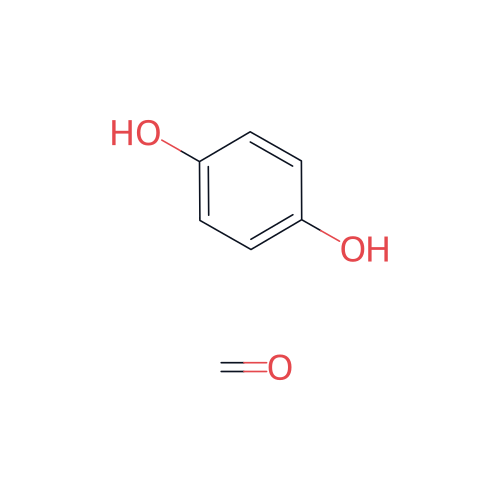
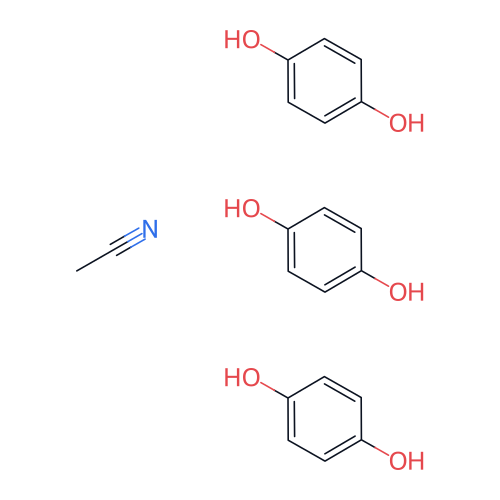
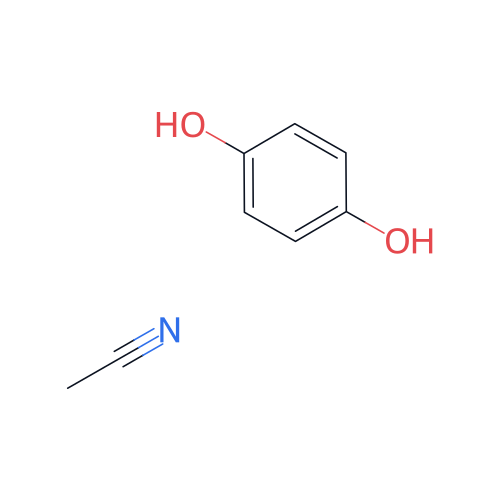
Salt and hydrate forms
Records that share this compound as their parent



Stereoisomers and isotopic forms
Same connectivity, different stereochemistry or isotopes (same InChIKey skeleton)

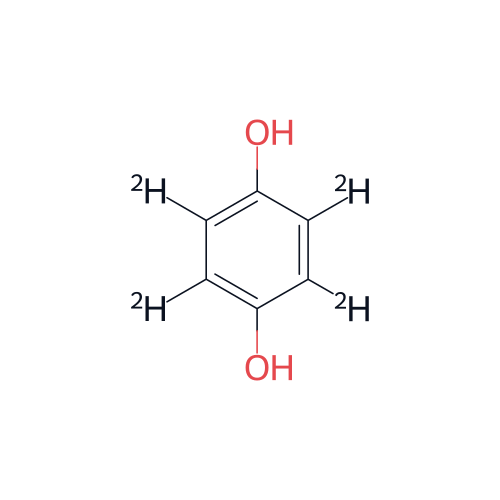

Similar structures
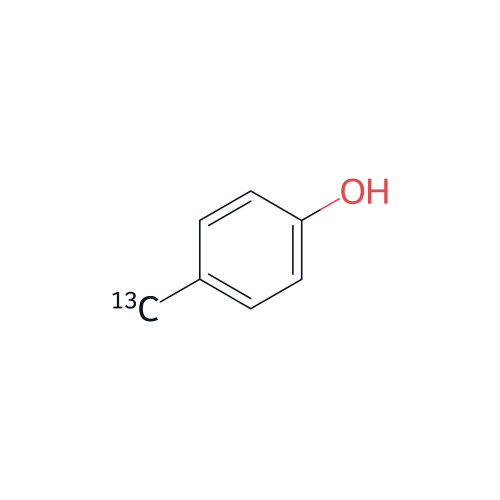
Nearest neighbours by Morgan fingerprint Tanimoto similarity

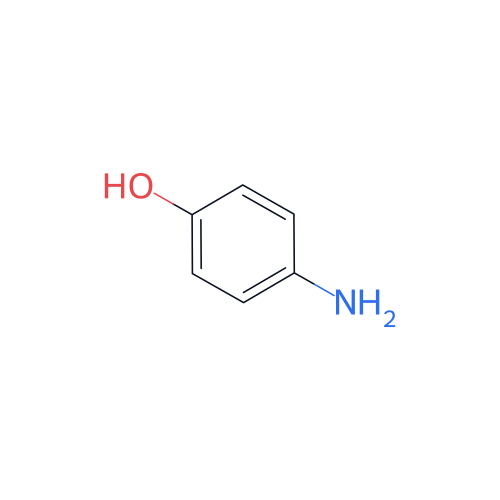
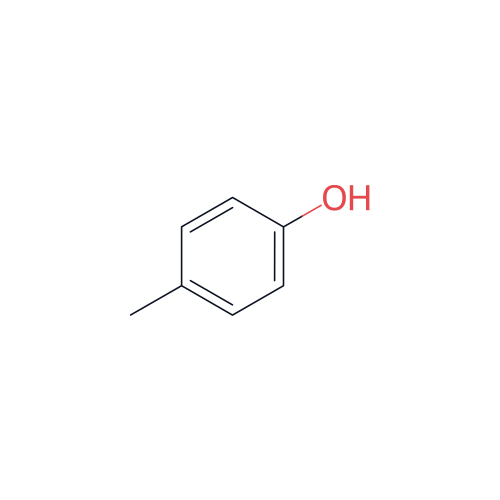


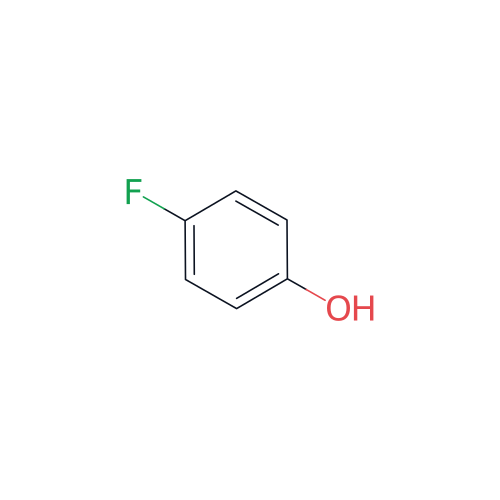


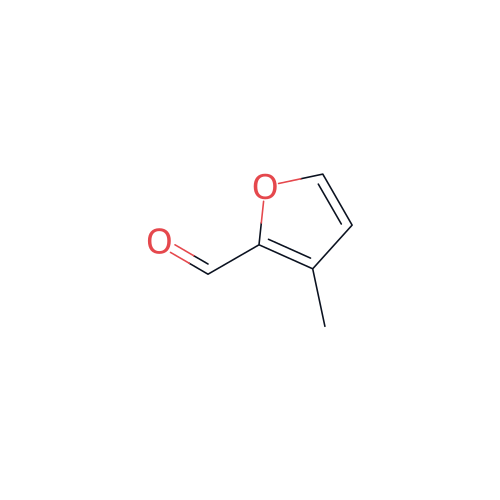
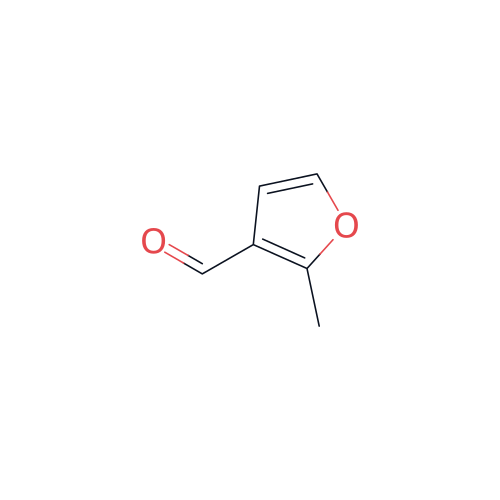
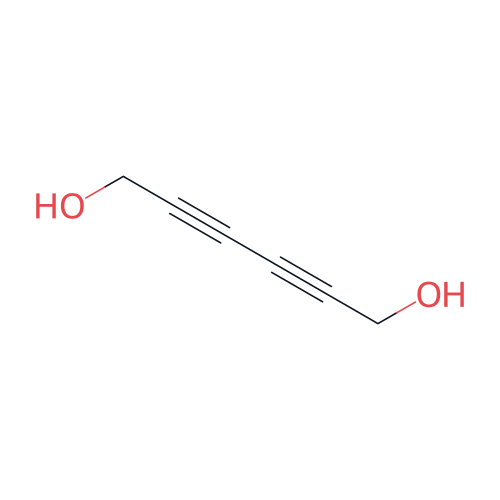
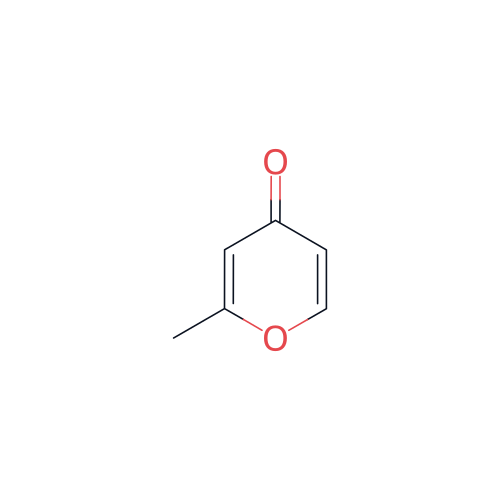
Same formula isomers
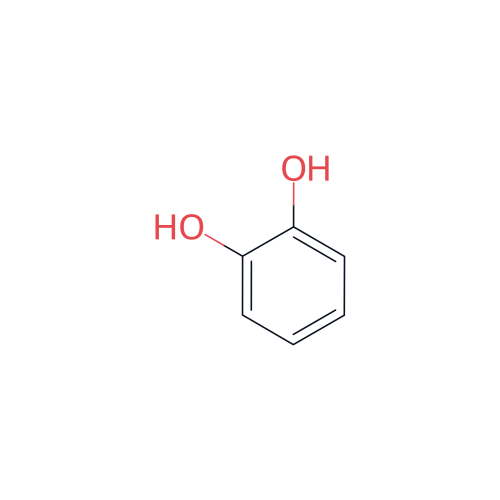
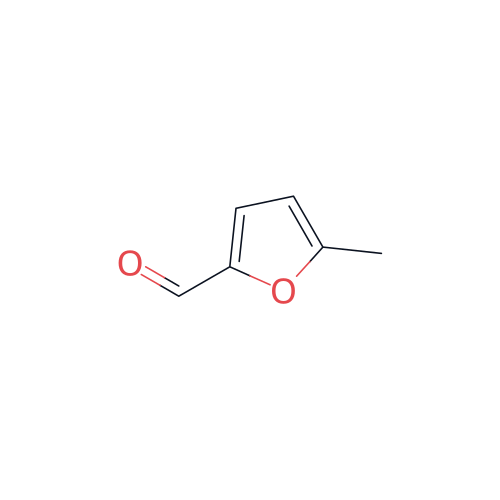
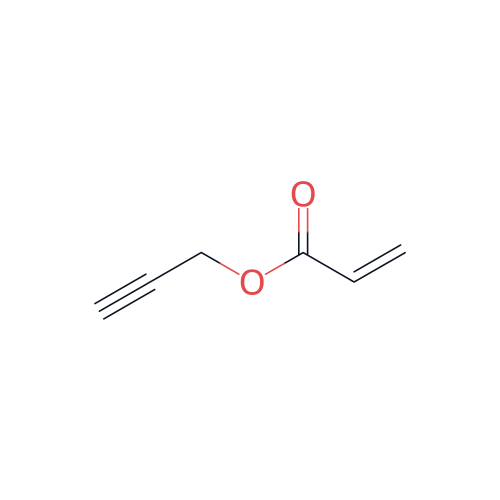
Different compounds that share this molecular formula





Frequently asked questions
Quick answers about Hydroquinone, based on the data on this page
What is Hydroquinone?
What is the CAS number of Hydroquinone?
What is the molecular formula and weight of Hydroquinone?
What is Hydroquinone used for?
Is Hydroquinone hazardous?
What is the HS code of Hydroquinone?
Where can I buy Hydroquinone?
Where can I buy Hydroquinone in India?
What is the price of Hydroquinone?
Guides for buyers
Practical guides that help when you source, ship or handle Hydroquinone
- Article, FormulationHow to choose a cosmetic emulsifierA structured way to choose an emulsifier for creams and lotions: emulsion type, HLB and its limits, emulsifier families, formula fit, stability testing and what to ask suppliers.Read
- Guide, SafetyHow to read a safety data sheet in 10 minutesA section by section method to pull the essentials out of any 16 section SDS: identity, hazards, composition, storage, PPE, properties, transport and emergency measures.Read
- Guide, Trade and logisticsShipping dangerous goods: UN numbers, classes and packing groupsHow the UN dangerous goods system works for chemicals, from the nine classes and UN numbers to packing groups, UN packaging marks, labels, documents and segregation.Read
Get quotes for Hydroquinone
Embed this structure on your websiteShow code
Paste this code into your page to show the 2D structure of Hydroquinone with a 3D view, its CAS number where known and a link back to this page. Free to use with the link kept.
<iframe src="https://www.compoundlist.com/embed/structure/hydroquinone-123-31-9" title="Hydroquinone structure on CompoundList" width="360" height="420" style="border:1px solid #E7E2DA;border-radius:12px;max-width:100%" loading="lazy" referrerpolicy="strict-origin-when-cross-origin"></iframe>Explore more in Skin conditioning agents and actives or HS code 290722