Mercury
Also known as Quicksilver, Hydrargyrum, Liquid silver
Key facts
What buyers check first
- Appearance
- Silver-white, heavy, mobile, liquid metal, solid mercury is tin-white
- Melting point
- -38.9 °C
- Boiling point
- 356.7 °C
- Density
- 13.5 g/cm³
- Solubility
- 0.28 umoles/l of water at 25 °C
- HS code
- 280540
- Category
- Metals, alloys and elements
- UN number
- UN 2809
What is Mercury?
Plain description, key identifiers and synonyms
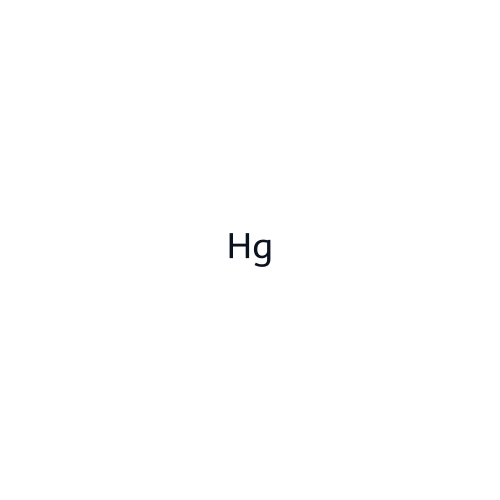
Mercury(0) is elemental mercury of oxidation state zero. It has a role as a neurotoxin.
Identifiers
Registry numbers, names and line notations, tap to copy
- IUPAC name
- mercury
- CAS number
- 7439-97-6 CAS number cross-checked
- EC number
- 231-106-7
- Molecular formula
- Hg
- UNII
- FXS1BY2PGL
- MDL number
- MFCD00011035
- InChIKey
- QSHDDOUJBYECFT-UHFFFAOYSA-N
- InChI
- InChI=1S/Hg
- SMILES (canonical and isomeric)
- [Hg]
Synonyms
- Quicksilver
- Hydrargyrum
- Liquid silver
- Metallic mercury
- Quecksilber
- Mercure
- Mercurio
- Colloidal mercury
- Kwik
- Mercurius vivus
- Mercury, elemental
- Mercury metal
- Hg
- Mercury element
- Dietary Mercury
- Mercury metal: Colloidal mercury
- Mercurius 12X
- Mercurius 21X
- Mercurius vivus 8
- Mercurius vivus 6X
- Mercurius Vivus 30X
- Total mercury
- Mercurius auratus 15X
- Mercurius vivus 200C
- Mercurius vivus 5 Special Order
Show all 38 synonymsShow fewer synonyms
- Mercurius Vivus 6 Special Order
- Mercurius vivus 12 Special Order
- Mercurius auratus 15 Special Order
- Mercurius 10/20/30 Special Order
- Mercurius vivus 10/20/30 Special Order
- mercury(II)
- mercury(II) cation
- Mercury(II) ion
- Quick silver
- Rtec
- elemental mercury
- RCRA waste number U151
- mercury atom
Physical and chemical properties
Measured values and descriptors computed from the structure
Physical and chemical properties
Measured values, check the supplier specification for your grade
| Appearance | Silver-white, heavy, mobile, liquid metal, solid mercury is tin-whiteexp.Measured value |
|---|---|
| Odour | Odorlessexp.Measured value |
| Melting point | -38.9 °Cexp.Measured value |
| Boiling point | 356.7 °Cexp.Measured value |
| Density | 13.5 g/cm³exp.Measured value |
| Autoignition temperature | Not flammableexp.Measured value |
| Solubility | 0.28 umoles/l of water at 25 °Cexp.Measured value |
| Vapour pressure | 2 × 10⁻³ mm Hg @ 25 °Cexp.Measured value |
Values vary by grade. Ask suppliers for the COA or TDS of the batch you buy.
Computed descriptors
Calculated from the structure, useful for screening and formulation
| Molecular weight | 200.59 g/molcalc.Computed value |
|---|---|
| Exact mass | 201.9706 Dacalc.Computed value |
| LogP (octanol/water) | 0calc.Computed value |
| Topological polar surface area | 0 Ųcalc.Computed value |
| Hydrogen bond donors | 0calc.Computed value |
| Hydrogen bond acceptors | 0calc.Computed value |
| Rotatable bonds | 0calc.Computed value |
| Heavy atoms | 1calc.Computed value |
| Rings | 0calc.Computed value |
| Aromatic rings | 0calc.Computed value |
| Fraction sp3 carbons | 0calc.Computed value |
| Formal charge | 0calc.Computed value |
| Stereocentres | 0calc.Computed value |
Calculated for screening. Confirm critical figures with the supplier.
Safety and hazards
GHS classification summary, not a safety data sheet
Hazard statements
- H330Fatal if inhaled.
- H360DMay damage the unborn child.
- H372Causes damage to organs through prolonged or repeated exposure.
- H400Very toxic to aquatic life.
- H410Very toxic to aquatic life with long lasting effects.
Precautionary statements (17)
- P203Obtain, read and follow all safety instructions before use.
- P260Do not breathe dust, fume, gas, mist, vapours or spray.
- P264Wash skin thoroughly after handling.
- P270Do not eat, drink or smoke when using this product.
- P271Use only outdoors or in a well-ventilated area.
- P273Avoid release to the environment.
- P280Wear protective gloves, protective clothing, eye protection and face protection.
- P284In case of inadequate ventilation wear respiratory protection.
- P304 + P340If inhaled: Remove person to fresh air and keep comfortable for breathing.
- P316Get emergency medical help immediately.
- P318If exposed or concerned, get medical advice.
- P319Get medical help if you feel unwell.
- P320Specific treatment is urgent (see supplemental first aid instructions on the label).
- P391Collect spillage.
- P403 + P233Store in a well-ventilated place. Keep container tightly closed.
- P405Store locked up.
- P501Dispose of contents and container in accordance with local regulations.
- UN number
- UN 2809
- Transport hazard class
- 8
- Packing group
- III
GHS classification summary, not a safety data sheet (SDS). Classifications can differ by supplier, grade and concentration. Always check the supplier's SDS.
Full safety data and first aidMercury suppliers
Controlled substance, listings of documented suppliers only, in the documented ranking
Mercury is controlled. Only documented suppliers can list it, and buyers must upload a valid licence with their request. Every request is reviewed before suppliers see it.
Licensed buyers only, every enquiry is reviewed by our compliance team.
Reference: Minamata Convention on Mercury
Our policy on controlled substancesLicensed buyers can post a request for Mercury with their licence. Our compliance team reviews it before suppliers see it.
Mercury price
Indicative price range per kg from live supplier offers
Suppliers quote this chemical on request. Send one free request and compare quotes side by side.
Uses and applications
What the substance is used for, by industry and function
For Elemental Mercury (USEPA/OPP PC Code: 052301) there are 0 labels match.
In barometers, thermometers, hydrometers, pyrometers, in mercury arc lamps producing ultraviolet rays, in switches, fluorescent lamps, in mercury boilers, mfr all mercury salts, mirrors, catalyst in oxidn of org cmpd, extracting gold and silver from ores, electric rectifiers, making mercury fulminate, for Millon's reagent, as cathode in electrolysis, electroanalysis.
Component of batteries (eg, zinc-carbon & mercury cells), industrial & control instruments (eg, meters), & amalgams (eg, for dental preparations), agent in manufacture of wire & switching devices (eg, oscillators), cathode in electrolytic manufacture of chlorine & caustic soda, catalyst for urethane & epoxy resins, laboratory reagent, lubricant (eg, in turbines).
Metallic mercury (quicksilver) has been employed in India to fumigate and protect grain
Read more
in closed containers from ... insect infestation.
Mercury exists naturally in the earth’s crust, and is released by degassing of the earth’s crust, volcanic emissions, and through evaporation. It can be obtained by heating mercury containing ores and condensing the vapors. Mercury is used in many industries, especially the electrical industry, and in many instruments such as thermometers and barometers. It has been used clinically, but because of its toxicity this use is diminishing. Most people are exposed to mercury through diet and dental fillings. Mercury is odorless. This card will only address elemental mercury.
Industrial uses: Laboratory chemicals, Processing aids not otherwise specified.
Consumer uses: Processing aids not otherwise specified.
Use classes: Inorganic substances.
Roles
- aetiopathogenetic role
- neurotoxin
- poison
Functional uses
- Surface modifier
Pharmacology
Mercury is a naturally occurring trace metalloid element and known neurotoxin with atomic symbol Hg, atomic number 80, and atomic weight 200.59. Mercury has been used in manufacturing, as well as in dental and medical equipment, fertilizers, and pesticides. It is characterized as a heavy, silvery-white metallic liquid at room temperature that is odorless. Exposure occurs by inhalation of fumes, ingestion, or contact.
How it is made
Condensation of mercury vapor from mercury ore roasting or from heating secondary mercury-eg, from batteries or sludges & wastes
Obtained by roasting cinnabar (mercuric sulfide).
By heating cinnabar with lime and condensing the vapor.
Regulatory status
Inventories, regulations and trade controls that list this substance
Mercury is controlled. Only documented suppliers can list it, and buyers must upload a valid licence with their request. Every request is reviewed before suppliers see it.
Licensed buyers only, every enquiry is reviewed by our compliance team.
Reference: Minamata Convention on Mercury
Our policy on controlled substancesEurope
- EU harmonised classification (CLP Annex VI)Index no: 080-001-00-0
Health and food
- EU Cosmetics Regulation Annex II, prohibited in cosmeticsName: Mercury and its compounds, except those special cases included in Annex V, Ref no: 221, Annex ref: II/221
- Active ingredient in FDA approved drug labels
Other lists
- Other regulatory list
United States
- TSCA inventory (USA)Status: Active in US commerce, Regulatory flags: Significant new use rule, section 12(c) export ban
HS code and trade data
Customs classification and reported world trade statistics
Global trade
World import and export statistics for the HS code Mercury is traded under.
Mercury
- Kyrgyzstan * partner reported39.8%
- Japan17.1%
- Peru13.0%
- South Africa66.3%
- Argentina8.9%
- India * partner reported8.5%
* Partner reported figures, a lower bound.
The HS code shown for Mercury is indicative (it was matched by name in the HS nomenclature). Confirm the classification with your customs broker before shipping.
Related chemicals
Parent and salt forms, stereoisomers, similar structures and isomers
Stereoisomers and isotopic forms
Same connectivity, different stereochemistry or isotopes (same InChIKey skeleton)
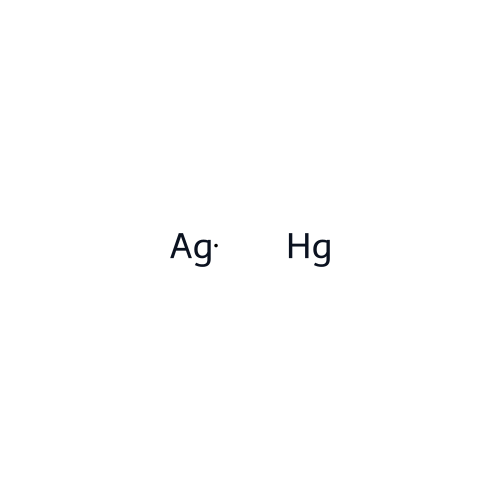
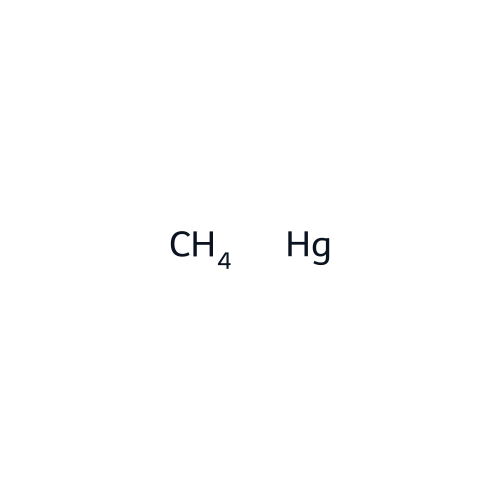
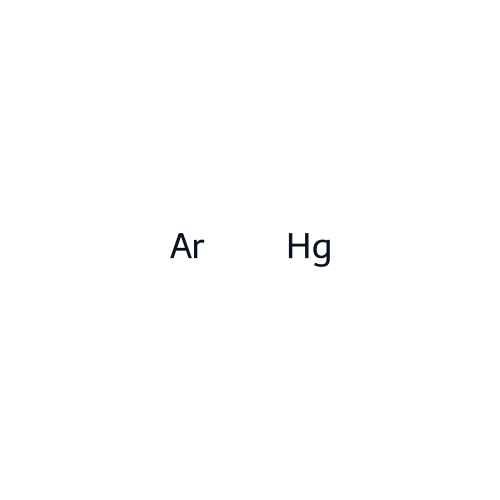
Similar structures
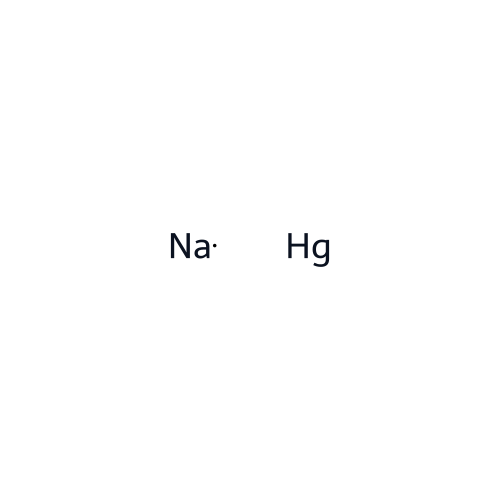
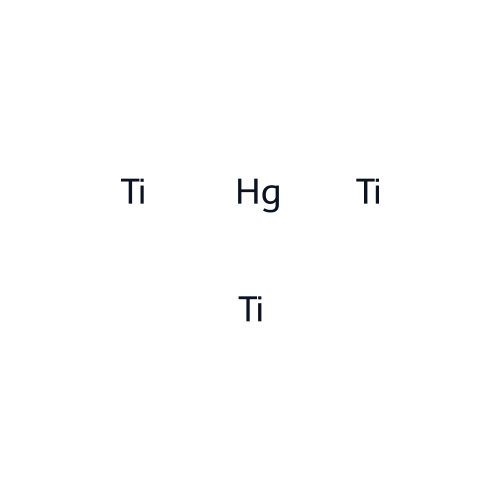
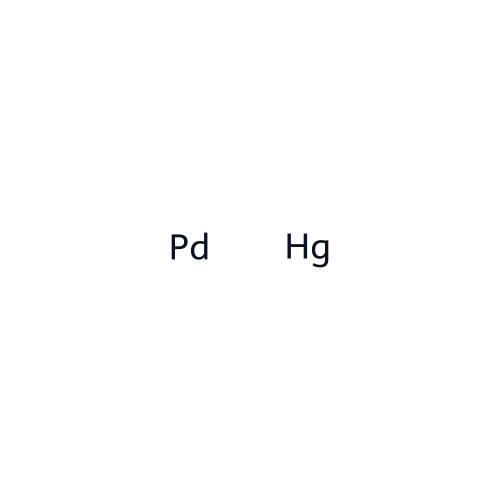
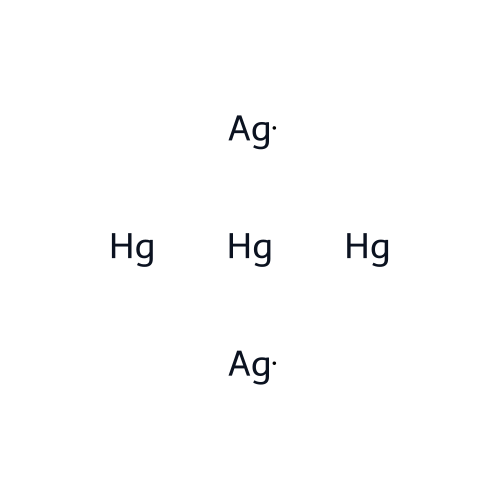
Nearest neighbours by Morgan fingerprint Tanimoto similarity


Frequently asked questions
Quick answers about Mercury, based on the data on this page
What is Mercury?
What is the CAS number of Mercury?
What is the molecular formula and weight of Mercury?
What is Mercury used for?
Is Mercury hazardous?
What is the HS code of Mercury?
Can I buy Mercury on CompoundList?
Guides for buyers
Practical guides that help when you source, ship or handle Mercury
- Guide, SafetyHow to read a safety data sheet in 10 minutesA section by section method to pull the essentials out of any 16 section SDS: identity, hazards, composition, storage, PPE, properties, transport and emergency measures.Read
- Guide, Trade and logisticsShipping dangerous goods: UN numbers, classes and packing groupsHow the UN dangerous goods system works for chemicals, from the nine classes and UN numbers to packing groups, UN packaging marks, labels, documents and segregation.Read
- Guide, SafetyGHS pictograms, signal words and hazard statements explainedA practical guide to the nine GHS pictograms, the signal words Danger and Warning, H and P statements, and how to read a chemical label in seconds.Read
Request as a licensed buyer
Embed this structure on your websiteShow code
Paste this code into your page to show the 2D structure of Mercury with a 3D view, its CAS number where known and a link back to this page. Free to use with the link kept.
<iframe src="https://www.compoundlist.com/embed/structure/mercury-7439-97-6" title="Mercury structure on CompoundList" width="360" height="420" style="border:1px solid #E7E2DA;border-radius:12px;max-width:100%" loading="lazy" referrerpolicy="strict-origin-when-cross-origin"></iframe>Explore more in Metals, alloys and elements or HS code 280540