Methyl chloride
Also known as Chloromethane, Monochloromethane, Methane, chloro-
Key facts
What buyers check first
- Appearance
- Colorless compressed gas or liquid
- Melting point
- -97.6 °C
- Boiling point
- -23.7 °C
- Density
- 0.911 g/cm³ at 25 °C (pressure > 1 atm)
- Flash point
- -45.6 °C
- HS code
- 290311
- Category
- Refrigerants and blowing agents
- UN number
- UN 1063

What is Methyl chloride?
Plain description, key identifiers and synonyms
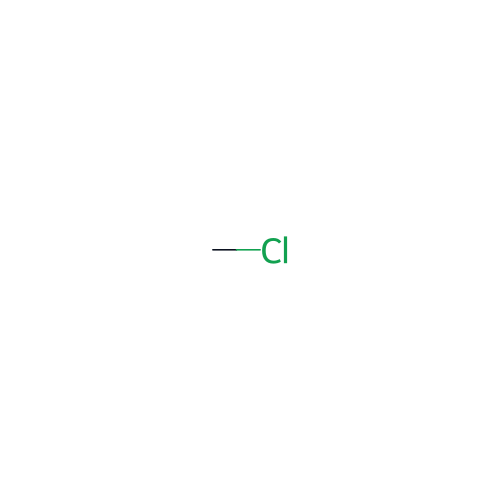
Chloromethane is a one-carbon compound that is methane in which one of the hydrogens is replaced by a chloro group. It has a role as a mutagen, a marine metabolite and a refrigerant. It is a member of chloromethanes and a member of methyl halides.
Identifiers
Registry numbers, names and line notations, tap to copy
- IUPAC name
- chloromethane
- CAS number
- 74-87-3 CAS number cross-checkedOther or deprecated CAS: 2108-20-5
- EC number
- 200-817-4
- Molecular formula
- CH3Cl
- UNII
- A6R43525YO
- MDL number
- MFCD00000872
- InChIKey
- NEHMKBQYUWJMIP-UHFFFAOYSA-N
- InChI
- InChI=1S/CH3Cl/c1-2/h1H3
- SMILES (canonical and isomeric)
- CCl
Synonyms
- Chloromethane
- Monochloromethane
- Methane, chloro-
- Methylchloride
- Artic
- CH3Cl
- Methylchlorid
- Clorometano
- Chloor-methaan
- Metylu chlorek
- Chlor-methan
- Cloruro di metile
- Chlorure de methyle
- RCRA waste number U045
- Chloride, Methyl
- Chloromethane, methyl chloride
- MeCl
- Refrigerant R40
- Methyl Chloride (ca. 5.7% in Tetrahydrofuran, ca. 1mol/L)
- Freon 40
- Chlorocarbon
- Merrifield's peptide resin, 50-100 mesh
- RCRA waste no. U045
- carbon-chlorine
- chloro-methane
Show all 31 synonymsShow fewer synonyms
- methyl-chloride
- methane chloride
- Chloro Methyl group
- Cl-Me
- a rt i c
- Chloromethane 99.9%
Physical and chemical properties
Measured values and descriptors computed from the structure
Physical and chemical properties
Measured values, check the supplier specification for your grade
| Appearance | Colorless compressed gas or liquidexp.Measured value |
|---|---|
| Odour | Faint sweet ethereal odorexp.Measured value |
| Taste | Sweet tasteexp.Measured value |
| Melting point | -97.6 °Cexp.Measured value |
| Boiling point | -23.7 °Cexp.Measured value |
| Density | 0.911 g/cm³ at 25 °C (pressure > 1 atm)exp.Measured value |
| Flash point | -45.6 °Cexp.Measured value |
| Autoignition temperature | 632 °Cexp.Measured value |
| Solubility | In water, 5040 mg/L at 25 °Cexp.Measured value |
| Vapour pressure | 4300 mm Hg at 25 °Cexp.Measured value |
Values vary by grade. Ask suppliers for the COA or TDS of the batch you buy.
Computed descriptors
Calculated from the structure, useful for screening and formulation
| Molecular weight | 50.49 g/molcalc.Computed value |
|---|---|
| Exact mass | 49.9923 Dacalc.Computed value |
| LogP (octanol/water) | 0.85calc.Computed value |
| Topological polar surface area | 0 Ųcalc.Computed value |
| Hydrogen bond donors | 0calc.Computed value |
| Hydrogen bond acceptors | 0calc.Computed value |
| Rotatable bonds | 0calc.Computed value |
| Heavy atoms | 2calc.Computed value |
| Rings | 0calc.Computed value |
| Aromatic rings | 0calc.Computed value |
| Fraction sp3 carbons | 1calc.Computed value |
| Formal charge | 0calc.Computed value |
| Stereocentres | 0calc.Computed value |
| Lipinski rule of five | Passes (0 violations)calc.Computed value |
Calculated for screening. Confirm critical figures with the supplier.
Safety and hazards
GHS classification summary, not a safety data sheet
Hazard statements
- H220Extremely flammable gas.
- H351Suspected of causing cancer.
- H373May cause damage to organs through prolonged or repeated exposure.
Precautionary statements (12)
- P203Obtain, read and follow all safety instructions before use.
- P210Keep away from heat, hot surfaces, sparks, open flames and other ignition sources. No smoking.
- P222Do not allow contact with air.
- P260Do not breathe dust, fume, gas, mist, vapours or spray.
- P280Wear protective gloves, protective clothing, eye protection and face protection.
- P318If exposed or concerned, get medical advice.
- P319Get medical help if you feel unwell.
- P377Leaking gas fire: do not extinguish, unless leak can be stopped safely.
- P381In case of leakage, eliminate all ignition sources.
- P403Store in a well-ventilated place.
- P405Store locked up.
- P501Dispose of contents and container in accordance with local regulations.
- UN number
- UN 1063
- Transport hazard class
- 2.1
GHS classification summary, not a safety data sheet (SDS). Classifications can differ by supplier, grade and concentration. Always check the supplier's SDS.
Full safety data and first aidMethyl chloride suppliers
Sponsored listings first, then the documented ranking: membership, verification, replies, completeness, freshness and ratings
- India, Ahmedabad ManufacturerUnclaimed profileMethyl ChlorideGrade, purity and minimum order on requestPrice on request
- Price on request
- China, Chengdu ManufacturerUnclaimed profileMethyl ChlorideGrade, purity and minimum order on requestPrice on request
- Germany, MarlUnclaimed profileMethyl ChlorideGrade, purity and minimum order on requestPrice on request
- China, XuchangUnclaimed profileMethyl ChlorideGrade, purity and minimum order on requestPrice on request
- France, Saint-Thibault-des-VignesUnclaimed profileMethyl ChlorideGrade, purity and minimum order on requestPrice on request
- India, Navi Mumbai ManufacturerUnclaimed profileMethyl ChlorideGrade, purity and minimum order on requestPrice on request
- China ManufacturerUnclaimed profileMethyl ChlorideGrade, purity and minimum order on requestPrice on request
- China, Zibo ManufacturerUnclaimed profileMethyl ChlorideGrade, purity and minimum order on requestPrice on request
- India, VadodaraUnclaimed profileMethyl ChlorideGrade, purity and minimum order on requestPrice on request
Suppliers marked Unclaimed profile have not claimed their profile yet. They are not verified by CompoundList, their offers are price on request and details may have changed, so please confirm them with the supplier. Company representatives can claim a profile with a business email on the company's own website domain. Our team verifies each claim and sends the result by email.
Where suppliers are based
60 suppliers in 14 countries
Send one request to many suppliers
Choose up to 10 suppliers or let us match your request. Compare quotes side by side, free.
Methyl chloride price
Indicative price range per kg from live supplier offers
Suppliers quote this chemical on request. Send one free request and compare quotes side by side.
Uses and applications
What the substance is used for, by industry and function
Monochloromethane is employed as a component in the Wurtz-Fittig reaction, it is also used in Friedel-Crafts reactions for the production of alkylbenzenes.
A methylating agent: examples include its reaction with hydroxyl groups to give the corresponding ethers (methylcellulose from cellulose, various methyl ethers from phenolates), and its use in the preparation of methyl-substituted amino compounds (quaternary methylammonium compounds for tensides). All of the various methylamines result from its reaction with ammonia.
Read more
Treatment of CH3Cl with sodium hydrogen sulfide under pressure and at elevated temperature gives methyl mercaptan.
Methyl chloride uses break down into the following categories: intermediates for silicons (89%), methyl cellulose ethers (3%), quaternary ammonium compounds (3%), herbicides (2%), butyl rubber (1%), and miscellaneous uses (2%).
Methyl chloride is used mainly in the production of silicones where it is used to make methylate silicon. It is also used in the production of agricultural chemicals, methyl cellulose, quaternary amines, and butyl rubber and for miscellaneous uses including tetramethyl lead.
Industrial uses: Intermediate, Surface modifier, Monomers.
Consumer uses: Intermediate.
Use classes: Volatile organic compounds.
Roles
- aetiopathogenetic role
- genotoxin
- marine metabolite
- metabolite
- mutagen
- refrigerant
Pharmacology
Methyl Chloride is a colorless, flammable, toxic gas that was used widely as a refrigerant and has many current industrial applications, including use as a local anesthetic, a chemical intermediate in silicone polymer production and drug manufacturing, an extractant for oils and resins, a solvent in butyl rubber and petroleum refining, a propellant in polystyrene foam production, a methylating and chlorinating agent in organic chemistry and an herbicide. Exposure to methyl chloride can cause a wide variety of issues from frostbite, drowsiness and dizziness to paralysis, seizures and coma depending on the route and level (concentration and duration) of exposure.
How it is made
Monochloromethane production from methanol and hydrogen chloride is carried out catalytically in the gas phase at 0.3-0.6 MPa (3-6 bar) and temperatures of 280-350 °C. The usual catalyst is activated aluminum oxide. Excess hydrogen chloride is introduced in order to provide a more favorable equilibrium point (located 96-99% on the side of products at 280-350 °C) and to reduce the formation of dimethyl ether as a side product (0.2 to 1%). The raw materials must be of high purity in order to prolong catalyst life as much as possible.
Read more
Technically pure (99.9%) methanol is employed, along with very clean hydrogen chloride. In the event that the latter is obtained from hydrochloric acid, it must be subjected to special purification (stripping) in order to remove interfering chlorinated hydrocarbons.
Derivation: (1) Chlorination of methane, (2) Action of hydrochloric acid on methanol either in vapor or liquid phase.
Regulatory status
Inventories, regulations and trade controls that list this substance
Europe
- EU harmonised classification (CLP Annex VI)Index no: 602-001-00-7
Health and food
- EU Cosmetics Regulation Annex II, prohibited in cosmeticsName: Chloromethane (Methyl chloride), Ref no: 1095, Annex ref: II/1095
United States
- TSCA inventory (USA)Status: Active in US commerce
HS code and trade data
Customs classification and reported world trade statistics
Global trade
World import and export statistics for the HS code Methyl chloride is traded under.
Chloromethane (methyl chloride) and chloroethane (ethyl chloride)
- Germany84.0%
- China5.0%
- United States4.0%
- United States21.5%
- France * partner reported19.1%
- United Kingdom17.6%
* Partner reported figures, a lower bound.
The HS code shown for Methyl chloride is indicative (it was matched by name in the HS nomenclature). Confirm the classification with your customs broker before shipping.
Related chemicals
Parent and salt forms, stereoisomers, similar structures and isomers
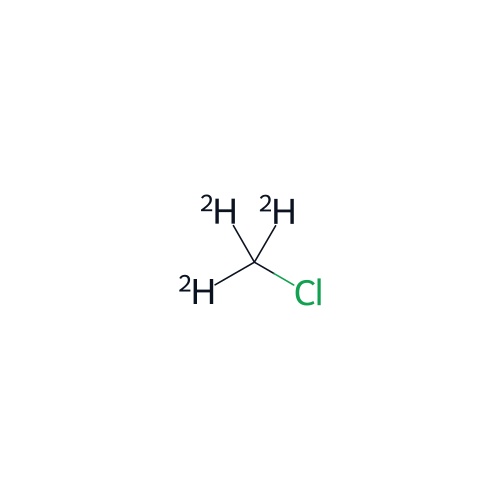
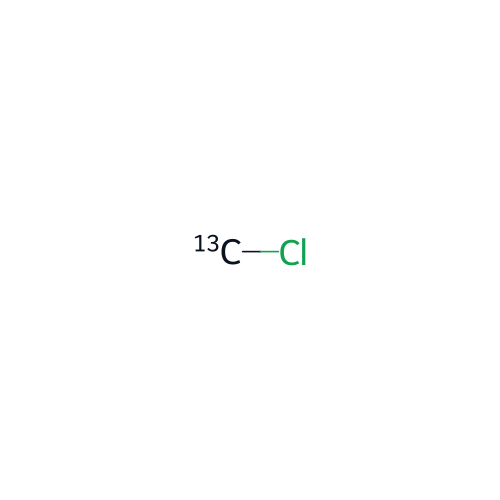
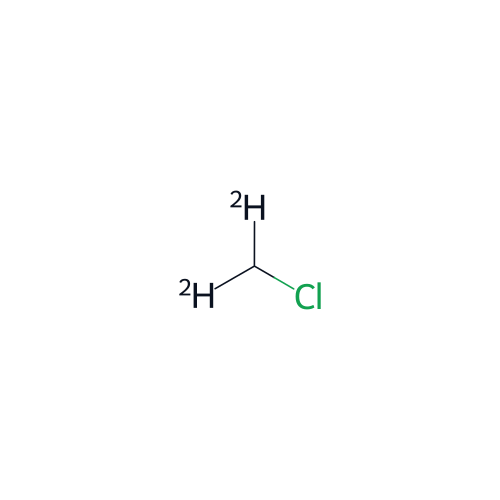
Stereoisomers and isotopic forms
Same connectivity, different stereochemistry or isotopes (same InChIKey skeleton)
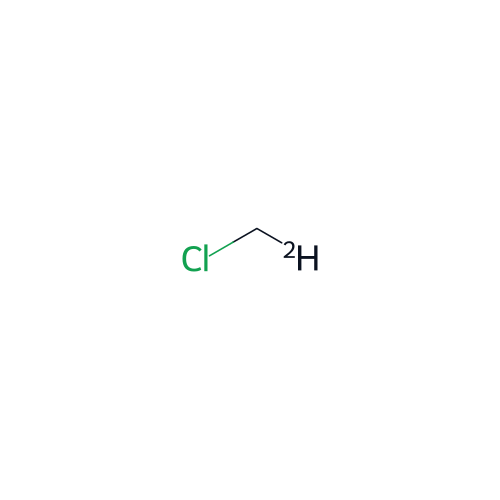
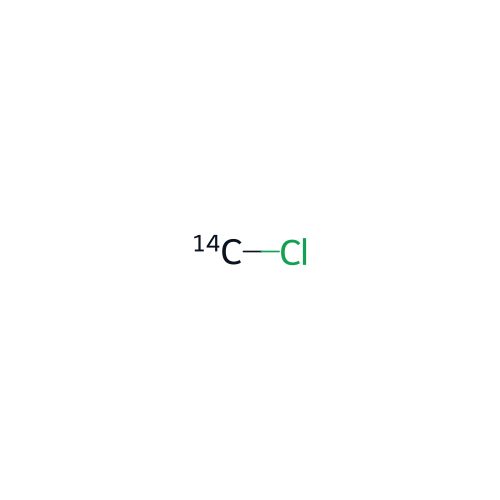
Frequently asked questions
Quick answers about Methyl chloride, based on the data on this page
What is Methyl chloride?
What is Methyl chloride used for?
Is Methyl chloride hazardous?
Guides for buyers
Practical guides that help when you source, ship or handle Methyl chloride
- Guide, Trade and logisticsShipping dangerous goods: UN numbers, classes and packing groupsHow the UN dangerous goods system works for chemicals, from the nine classes and UN numbers to packing groups, UN packaging marks, labels, documents and segregation.Read
- Guide, SafetyHow to read a safety data sheet in 10 minutesA section by section method to pull the essentials out of any 16 section SDS: identity, hazards, composition, storage, PPE, properties, transport and emergency measures.Read
- Guide, SafetyGHS pictograms, signal words and hazard statements explainedA practical guide to the nine GHS pictograms, the signal words Danger and Warning, H and P statements, and how to read a chemical label in seconds.Read
Get quotes for Methyl chloride
Embed this structure on your websiteShow code
Paste this code into your page to show the 2D structure of Methyl chloride with a 3D view, its CAS number where known and a link back to this page. Free to use with the link kept.
<iframe src="https://www.compoundlist.com/embed/structure/methyl-chloride-74-87-3" title="Methyl chloride structure on CompoundList" width="360" height="420" style="border:1px solid #E7E2DA;border-radius:12px;max-width:100%" loading="lazy" referrerpolicy="strict-origin-when-cross-origin"></iframe>Explore more in Refrigerants and blowing agents or HS code 290311