Thiourea
Also known as Thiocarbamide, Isothiourea, Sulfourea

Key facts
What buyers check first
- Appearance
- White solid which crystallizes in a rhombic bipyramidal structure
- Melting point
- 176 to 178
- Boiling point
- 150 to 160
- Density
- 1.405 g/cm³ at 25 °C
- Solubility
- In water, 1.42 × 10⁺⁵ mg/L at 25 °C
- HS code
- 293090
- Category
- Humectants
- UN number
- UN 2811
What is Thiourea?
Plain description, key identifiers and synonyms
Thiourea is the simplest member of the thiourea class, consisting of urea with the oxygen atom substituted by sulfur. It has a role as an antioxidant and a chromophore. It is a member of ureas, a member of thioureas and a one-carbon compound. It is functionally related to a urea and a carbonothioic O,O-acid.
Identifiers
Registry numbers, names and line notations, tap to copy
- IUPAC name
- thiourea
- CAS number
- 62-56-6 CAS number cross-checkedOther or deprecated CAS: 17356-08-0, 53754-90-8
- EC number
- 200-543-5
- Molecular formula
- CH4N2S
- UNII
- GYV9AM2QAG
- MDL number
- MFCD00008067
- INCI name
- THIOUREA
- InChIKey
- UMGDCJDMYOKAJW-UHFFFAOYSA-N
- InChI
- InChI=1S/CH4N2S/c2-1(3)4/h(H4,2,3,4)
- SMILES (canonical and isomeric)
- C(=S)(N)N
Synonyms
- Thiocarbamide
- Isothiourea
- Sulfourea
- 2-Thiourea
- Pseudothiourea
- Thiuronium
- Sulourea
- 2-Thiopseudourea
- Thiocarbonic acid diamide
- Urea, thio-
- beta-Thiopseudourea
- Thiomocovina
- Urea, 2-thio-
- Tsizp 34
- Pseudourea, 2-thio-
- Thiocarbamid
- Thioharnstoff
- Thiokarbamid
- USAF EK-497
- carbonothioic diamide
- RCRA waste number U219
- H2NC(S)NH2
- thiourea, thiocarbamide
- Carbamimidothioic acid
- Sulfouren
Show all 36 synonymsShow fewer synonyms
- thio-urea
- Thiourea-(1)N2
- Thiourea, acs
- (NH2)2CS
- sulfocarbamide
- Thiourea-1?N2
- TOU
- RCRA waste no. U219
- Thiocarbonic diamide
- S C (N H2)2
- aminothioamide
Physical and chemical properties
Measured values and descriptors computed from the structure
Physical and chemical properties
Measured values, check the supplier specification for your grade
| Appearance | White solid which crystallizes in a rhombic bipyramidal structureexp.Measured value |
|---|---|
| Odour | Odorlessexp.Measured value |
| Taste | Bitterexp.Measured value |
| Melting point | 176 to 178exp.Measured value |
| Boiling point | 150 to 160exp.Measured value |
| Density | 1.405 g/cm³ at 25 °Cexp.Measured value |
| Solubility | In water, 1.42 × 10⁺⁵ mg/L at 25 °Cexp.Measured value |
| Vapour pressure | 1.41 × 10⁻⁷ mm Hg at 25 °Cexp.Measured value |
Values vary by grade. Ask suppliers for the COA or TDS of the batch you buy.
Computed descriptors
Calculated from the structure, useful for screening and formulation
| Molecular weight | 76.12 g/molcalc.Computed value |
|---|---|
| Exact mass | 76.0095 Dacalc.Computed value |
| LogP (octanol/water) | -0.81calc.Computed value |
| Topological polar surface area | 52.04 Ųcalc.Computed value |
| Hydrogen bond donors | 2calc.Computed value |
| Hydrogen bond acceptors | 1calc.Computed value |
| Rotatable bonds | 0calc.Computed value |
| Heavy atoms | 4calc.Computed value |
| Rings | 0calc.Computed value |
| Aromatic rings | 0calc.Computed value |
| Fraction sp3 carbons | 0calc.Computed value |
| Formal charge | 0calc.Computed value |
| Stereocentres | 0calc.Computed value |
| Lipinski rule of five | Passes (0 violations)calc.Computed value |
Calculated for screening. Confirm critical figures with the supplier.
Safety and hazards
GHS classification summary, not a safety data sheet
Hazard statements
- H302Harmful if swallowed.
- H351Suspected of causing cancer.
- H361dSuspected of damaging the unborn child.
- H411Toxic to aquatic life with long lasting effects.
Precautionary statements (11)
- P203Obtain, read and follow all safety instructions before use.
- P264Wash skin thoroughly after handling.
- P270Do not eat, drink or smoke when using this product.
- P273Avoid release to the environment.
- P280Wear protective gloves, protective clothing, eye protection and face protection.
- P301 + P317If swallowed: Get medical help.
- P318If exposed or concerned, get medical advice.
- P330Rinse mouth.
- P391Collect spillage.
- P405Store locked up.
- P501Dispose of contents and container in accordance with local regulations.
- UN number
- UN 2811
- Transport hazard class
- 6.1
- Packing group
- III
GHS classification summary, not a safety data sheet (SDS). Classifications can differ by supplier, grade and concentration. Always check the supplier's SDS.
Full safety data and first aidThiourea suppliers
Sponsored listings first, then the documented ranking: membership, verification, replies, completeness, freshness and ratings
- India, Vadodara ManufacturerUnclaimed profileThioureaGrade, purity and minimum order on requestPrice on request
- China, Yantai ManufacturerUnclaimed profileThioureaGrade, purity and minimum order on requestPrice on request
- Germany, Trostberg ManufacturerUnclaimed profileThioureaGrade, purity and minimum order on requestPrice on request
- Price on request
- Japan, Chuo-KuUnclaimed profileThioureaGrade, purity and minimum order on requestPrice on request
- Price on request
- Price on request
- Poland, WołówUnclaimed profileThioureaGrade, purity and minimum order on requestPrice on request
- ChinaUnclaimed profileThioureaGrade, purity and minimum order on requestPrice on request
- Price on request
Suppliers marked Unclaimed profile have not claimed their profile yet. They are not verified by CompoundList, their offers are price on request and details may have changed, so please confirm them with the supplier. Company representatives can claim a profile with a business email on the company's own website domain. Our team verifies each claim and sends the result by email.
Where suppliers are based
219 suppliers in 37 countries
- China63
- United States39
- India29
- United Kingdom10
- Germany7
- Malaysia5
- and 31 more countries
Send one request to many suppliers
Choose up to 10 suppliers or let us match your request. Compare quotes side by side, free.
Thiourea price
Indicative price range per kg from live supplier offers
Suppliers quote this chemical on request. Send one free request and compare quotes side by side.
Uses and applications
What the substance is used for, by industry and function
Thiourea is used in four main ways: as an intermediate in the production of thiourea dioxide for wool and textile processing (30%), in ore leaching (25%), in diazo papers (15%) and as a catalyst in fumaric acid synthesis (10%), the remainder has smaller areas of use.
Thiourea has a wide range of uses, e.g., for producing and modifying textile and dyeing auxiliaries, in the production and modification of synthetic resins, in repro technology, in the production of pharmaceuticals (sulfathiazoles, tetramisole, and cephalosporins), in the production of industrial cleaning agents (e.g., for photographic tanks and metal surfaces in general), for engraving metal surfaces, as an isomerization catalyst in the conversion of maleic to fumaric acid, in copper refining electrolysis, in electroplating (e.g., of copper), and as an antioxidant (e.g., in biochemistry).
Read more
Other uses are as an additive for slurry explosives, as a viscosity stabilizer for polymer solutions (e.g., in drilling muds), and as a mobility buffer in petroleum extraction. The removal of mercury from wastewater from chlorine-alkali electrolysis and gold and silver extraction from minerals are also of economic importance.
Thiourea use in thyrotoxicosis is discontinued.
Industrial uses: Leaching agent, Fuel agents, Intermediate.
Use classes: Pharmaceuticals.
Industries and functions
Cosmetic ingredient, INCI name THIOUREA(antimicrobial, humectant)
Pharmacological actions
- Indicators and Reagents
Roles
- antioxidant
- chromophore
- photochemical role
Functional uses
- Biocide
- Humectant
Cosmetic functions
- Antimicrobial
- Humectant
Pharmacology
Thiourea is a white crystalline solid, both naturally occurring and synthetic, that is soluble in water, ammonium thiocyanate solution and ethanol. In the past, it was used as a photographic toning agent, a component of hair preparations and a dry cleaning agent. Currently, it is only used in animal glue liquefiers and silver tarnish removers. When heated to decomposition, thiourea emits toxic fumes of nitrogen oxides and sulfur oxides. Long-term exposure of humans to thiourea may cause bone marrow damage, resulting in reduced levels of red blood cells, white blood cells and/or platelets. It is reasonably anticipated to be a human carcinogen. (NCI05)
How it is made
Production of thiourea is now carried out by treating technical-grade calcium cyanamide (CaCN2) with hydrogen sulfide or one of its precursors, e.g., ammonium sulfide or calcium hydrogen sulfide [19]. The calcium cyanamide must contain at least 23% nitrogen and must be free from calcium carbide (CaC2), as otherwise explosive acetylene is liberated by water or hydrogen sulfide. ... A reaction vessel is charged continuously with an aqueous suspension of calcium cyanamide and a mixture of hydrogen sulfide and carbon dioxide, such that the above reactions go to completion.
Read more
The converted reaction mixture is removed continuously from the reactor and excess H2S is removed by stripping. Waste-gas from the reactor contains hydrogen sulfide, which is purified in a scrubber connected to the reactor. The stripped thiourea solution is filtered to remove the precipitated calcium carbonate formed as one of the reaction products. The filtrate is evaporated in vacuum and thiourea is crystallized by cooling. It is filtered, washed, and dried in an air stream.
Made by fusing ammonium thiocyanate: R. E. Powers, United States of America patent 2552584, R. E. Powers, J. Mitchell, United States of America patent 2560596 (both 1951 to Koppers), by treating cyanamide with hydrogen sulfide: R. O. Roblin, Jr., United States of America patent 2173067 (1940 to American Cyanamid), W. F. Lewis, United States of America patent 2393917 (1946 to Monsanto), J.
Regulatory status
Inventories, regulations and trade controls that list this substance
Europe
- EU harmonised classification (CLP Annex VI)Index no: 612-082-00-0
Health and food
- EU cosmetic ingredient inventory
- EU Cosmetics Regulation Annex II, prohibited in cosmeticsName: Thiourea and its derivatives, with the exception of the one listed in Annex III, Ref no: 321, Annex ref: II/321
United States
- TSCA inventory (USA)Status: Active in US commerce
HS code and trade data
Customs classification and reported world trade statistics
Global trade
World import and export statistics for the HS code Thiourea is traded under.
Organo-sulphur compounds, other
- China40.7%
- United States10.9%
- Japan9.3%
- United States13.3%
- Brazil12.6%
- China6.6%
The HS code shown for Thiourea is indicative (it was assigned by structure rules). Confirm the classification with your customs broker before shipping.
Related chemicals
Parent and salt forms, stereoisomers, similar structures and isomers
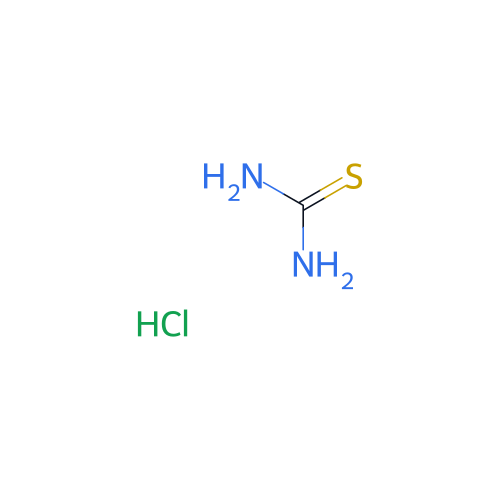
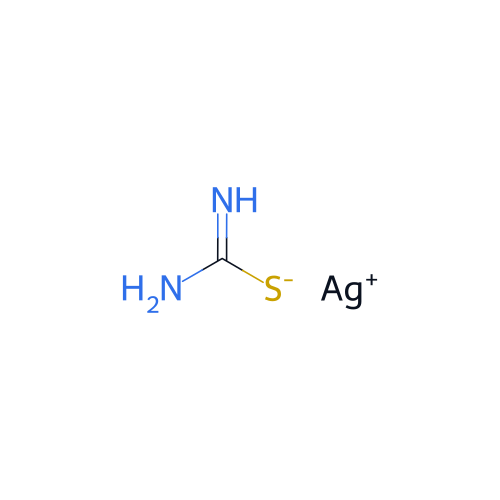
Salt and hydrate forms
Records that share this compound as their parent
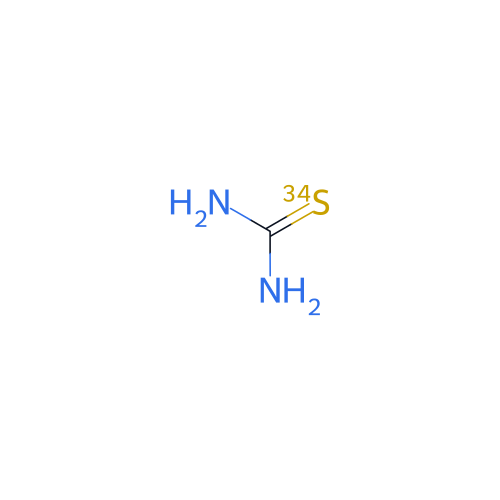
Stereoisomers and isotopic forms
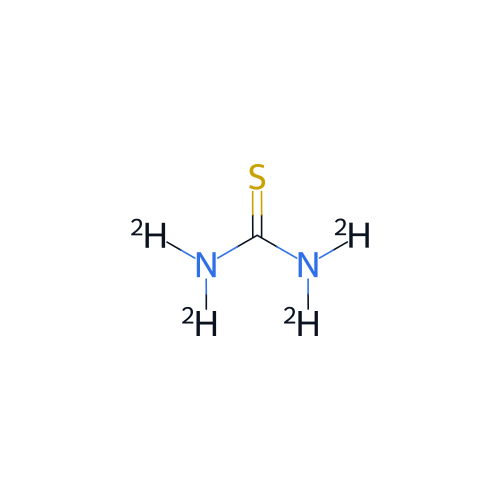
Same connectivity, different stereochemistry or isotopes (same InChIKey skeleton)



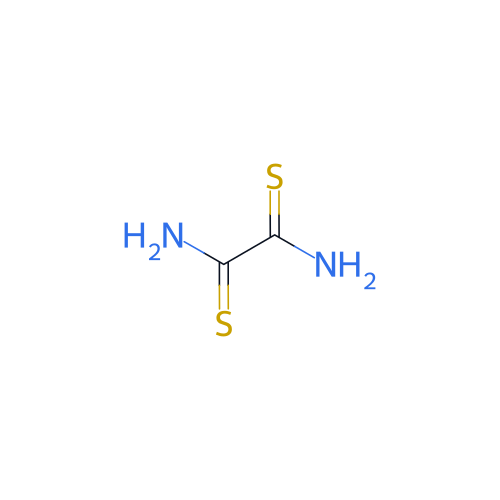
Similar structures
Nearest neighbours by Morgan fingerprint Tanimoto similarity
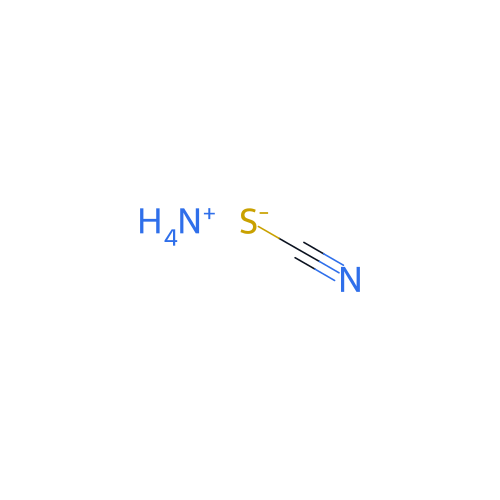
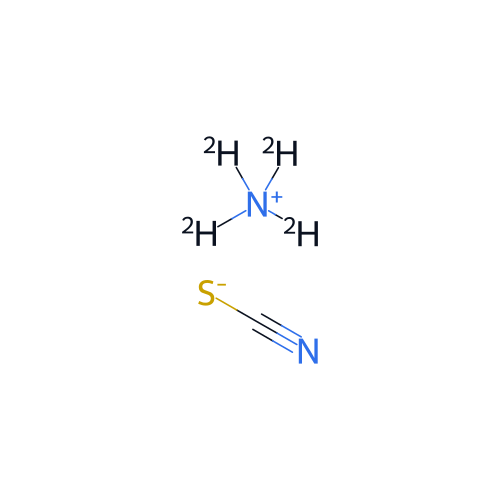
Same formula isomers
Different compounds that share this molecular formula
Frequently asked questions
Quick answers about Thiourea, based on the data on this page
What is Thiourea?
What is the CAS number of Thiourea?
What is the molecular formula and weight of Thiourea?
What is Thiourea used for?
Is Thiourea hazardous?
What is the HS code of Thiourea?
Where can I buy Thiourea?
Where can I buy Thiourea in India?
What is the price of Thiourea?
Guides for buyers
Practical guides that help when you source, ship or handle Thiourea
- Article, FormulationHow to choose a cosmetic emulsifierA structured way to choose an emulsifier for creams and lotions: emulsion type, HLB and its limits, emulsifier families, formula fit, stability testing and what to ask suppliers.Read
- Guide, SafetyHow to read a safety data sheet in 10 minutesA section by section method to pull the essentials out of any 16 section SDS: identity, hazards, composition, storage, PPE, properties, transport and emergency measures.Read
- Guide, Trade and logisticsShipping dangerous goods: UN numbers, classes and packing groupsHow the UN dangerous goods system works for chemicals, from the nine classes and UN numbers to packing groups, UN packaging marks, labels, documents and segregation.Read
Get quotes for Thiourea
Embed this structure on your websiteShow code
Paste this code into your page to show the 2D structure of Thiourea with a 3D view, its CAS number where known and a link back to this page. Free to use with the link kept.
<iframe src="https://www.compoundlist.com/embed/structure/thiourea-62-56-6" title="Thiourea structure on CompoundList" width="360" height="420" style="border:1px solid #E7E2DA;border-radius:12px;max-width:100%" loading="lazy" referrerpolicy="strict-origin-when-cross-origin"></iframe>Explore more in Humectants or HS code 293090