Thymol safety data
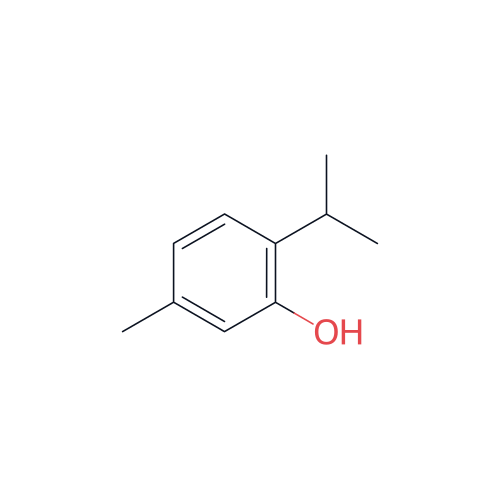
GHS classification summary, not a safety data sheet (SDS). Classifications can differ by supplier, grade and concentration. Always check the supplier's SDS.
GHS classification
Pictograms, signal word and hazard classes of the GHS classification
Hazard classes and categories
- Acute Tox. 4 (oral)
- Skin Corr. 1
- Aquatic Chronic 2
Hazard statements
H codes grouped by type. Percentages show the share of classification notifications that report the statement
Health hazards
- H302Harmful if swallowed.
- H314Causes severe skin burns and eye damage.
Environmental hazards
- H411Toxic to aquatic life with long lasting effects.
Precautionary statements
P codes for prevention, response, storage and disposal
Prevention
- P260Do not breathe dust, fume, gas, mist, vapours or spray.
- P264Wash skin thoroughly after handling.
- P270Do not eat, drink or smoke when using this product.
- P273Avoid release to the environment.
- P280Wear protective gloves, protective clothing, eye protection and face protection.
Response
- P301 + P317If swallowed: Get medical help.
- P301 + P330 + P331If swallowed: Rinse mouth. Do not induce vomiting.
- P302 + P361 + P354If on skin: Take off immediately all contaminated clothing. Immediately rinse with water for several minutes.
- P304 + P340If inhaled: Remove person to fresh air and keep comfortable for breathing.
- P305 + P354 + P338If in eyes: Immediately rinse with water for several minutes. Remove contact lenses, if present and easy to do. Continue rinsing.
- P316Get emergency medical help immediately.
- P321Specific treatment (see supplemental first aid instructions on the label).
- P330Rinse mouth.
- P363Wash contaminated clothing before reuse.
- P391Collect spillage.
Storage
- P405Store locked up.
Disposal
- P501Dispose of contents and container in accordance with local regulations.
Handling, storage and disposal
Summaries only, follow the supplier SDS for your grade
Safe handling
Wear rubber gloves, face shield, and multipurpose /NIOSH approved respirator/. Eye/face protection: Face shield and safety glasses Use equipment for eye protection tested and approved under appropriate government standards such as NIOSH (US) or EN 166(EU).
Storage
Conditions for safe storage, including any incompatibilities: Keep container tightly closed in a dry and well-ventilated place.
Disposal
Waste treatment methods. Product: Offer surplus and non-recyclable solutions to a licensed disposal company. Contact a licensed professional waste disposal service to dispose of this material. Dissolve or mix the material with a combustible solvent and burn in a chemical incinerator equipped with an afterburner and scrubber. Contaminated packaging: Dispose of as unused product.
Exposure limits and toxicity
Occupational exposure limits and toxicity data
In humans, thymol on its own or as an ingredient in combination preparations, considering its wide use, has led to primary skin irritation and skin sensitisation only in rare cases. Thymol is a mild local irritant. It resembles phenol in its systemic actions but is less toxic, partly because it is less soluble. It produces gastric pain, nausea, vomiting, central hyperactivity (eg, talkativeness), occasionally convulsions, coma, cardiac and respiratory collapse. Thymol was not genotoxic in the human colon carcinoma cell line Caco-2.
Supplier safety data sheets
SDS documents uploaded by suppliers who list this chemical
No supplier has uploaded an SDS for Thymol yet. Suppliers usually send one with their quote. Request quotes
Safety questions
Quick answers about handling Thymol safely
Is Thymol hazardous?
Which GHS pictograms apply to Thymol?
How should Thymol be stored?
Where can I get the SDS for Thymol?
GHS classification summary, not an SDS. Always check the supplier's SDS. Last updated 7 Oct 2026. Report an error