Vernolate
Also known as cis-12,13-ep, 9c-18:1, N,N-dipropyl(propylsulfanyl)formamide, Carbamic acid, dipropylthio-, S-propyl ester
Key facts
What buyers check first
- Appearance
- Clear liquid
- Boiling point
- 149 to 150
- Density
- 0.952 at 20 °C/20 °C
- Flash point
- 122.2 °C
- Solubility
- In water, 90 mg/L at 25 °C
- HS code
- 291615
- Category
- Herbicides

What is Vernolate?
Plain description, key identifiers and synonyms
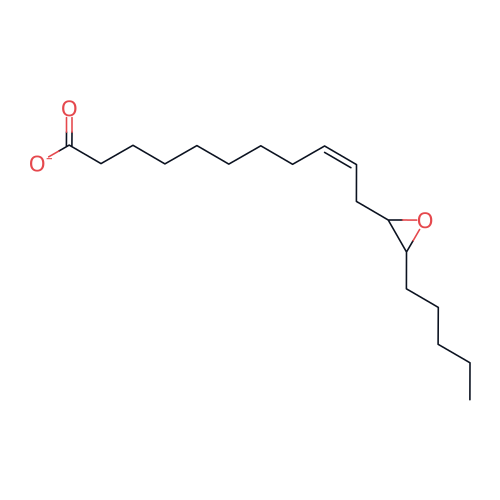
Vernolate is a monounsaturated fatty acid anion that is the conjugate base of vernolic acid, obtained by deprotonation of the carboxy group, major species at pH 7.3. It is an epoxyoctadecenoate, an epoxy fatty acid anion, a long-chain fatty acid anion and a monounsaturated fatty acid anion. It is a conjugate base of a vernolic acid.
Identifiers
Registry numbers, names and line notations, tap to copy
- IUPAC name
- (Z)-11-(3-pentyloxiran-2-yl)undec-9-enoate
- CAS number
- 1929-77-7 CAS number cross-checked
- EC number
- 217-681-7
- Molecular formula
- C18H31O3-
- InChIKey
- CCPPLLJZDQAOHD-FLIBITNWSA-M
- InChI
- InChI=1S/C18H32O3/c1-2-3-10-13-16-17(21-16)14-11-8-6-4-5-7-9-12-15-18(19)20/h8,11,16-17H,2-7,9-10,12-15H2,1H3,(H,19,20)/p-1/b11-8-
- Canonical SMILES
- CCCCCC1OC1CC=CCCCCCCCC(=O)[O-]
- Isomeric SMILES
- CCCCCC1C(O1)C/C=C\CCCCCCCC(=O)[O-]
Synonyms
- cis-12,13-ep, 9c-18:1
- N,N-dipropyl(propylsulfanyl)formamide
- Carbamic acid, dipropylthio-, S-propyl ester
- Dipropylcarbamothioic acid S-propyl ester
- Dipropylthiocarbamic acid S-propyl ester
- N-propyl-di-n-propylthiolcarbamate
- N-propyldi-n-propylthiocarbamate
- Perbulate
- PPTC
- Propyl dipropylthiolcarbamate
- Propyl-n,n-dipropylthiolcarbamate
- Reward
- S-Propyl dipropylcarbamothioate
- S-propyl dipropylthiocarbamate
- S-Propyl-N,N-dipropylthiocarbamate
- Surpass
- Surpass E
- Vanalate
- Vernam
- Vernam 10G
- Vernam 7E
- Vernam E Vernam G Surpass E
- Vernam G
- (9Z)-11-(3-pentyloxiran-2-yl)undec-9-enoate
- 12,13-epoxy-(9Z)-octadecenoate
Show all 29 synonymsShow fewer synonyms
- 12,13-epoxy-9-cis-octadecenoate
- 12,13-EpOME(1-)
- 12,13-epoxy-9-cis-octadecenoic acid
- (Z)-11-(3-pentyloxiran-2-yl)undec-9-enoate
Physical and chemical properties
Measured values and descriptors computed from the structure
Physical and chemical properties
Measured values, check the supplier specification for your grade
| Appearance | Clear liquidexp.Measured value |
|---|---|
| Odour | Slight aromatic odorexp.Measured value |
| Boiling point | 149 to 150exp.Measured value |
| Density | 0.952 at 20 °C/20 °Cexp.Measured value |
| Flash point | 122.2 °Cexp.Measured value |
| Solubility | In water, 90 mg/L at 25 °Cexp.Measured value |
| Vapour pressure | 1.04 × 10⁻² mm Hg at 25 °Cexp.Measured value |
Values vary by grade. Ask suppliers for the COA or TDS of the batch you buy.
Computed descriptors
Calculated from the structure, useful for screening and formulation
| Molecular weight | 295.44 g/molcalc.Computed value |
|---|---|
| Exact mass | 295.2279 Dacalc.Computed value |
| LogP (octanol/water) | 3.76calc.Computed value |
| Topological polar surface area | 52.66 Ųcalc.Computed value |
| Hydrogen bond donors | 0calc.Computed value |
| Hydrogen bond acceptors | 3calc.Computed value |
| Rotatable bonds | 14calc.Computed value |
| Heavy atoms | 21calc.Computed value |
| Rings | 1calc.Computed value |
| Aromatic rings | 0calc.Computed value |
| Fraction sp3 carbons | 0.83calc.Computed value |
| Formal charge | -1calc.Computed value |
| Stereocentres | 2calc.Computed value |
| Lipinski rule of five | Passes (0 violations)calc.Computed value |
Calculated for screening. Confirm critical figures with the supplier.
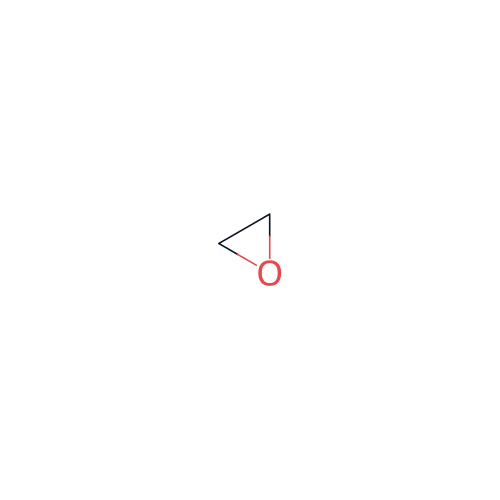
Murcko scaffold
The ring system that remains when every side chain is removed
Safety and hazards
GHS classification summary, not a safety data sheet
Hazard statements
- H302Harmful if swallowed.
- H411Toxic to aquatic life with long lasting effects.
Precautionary statements (7)
- P264Wash skin thoroughly after handling.
- P270Do not eat, drink or smoke when using this product.
- P273Avoid release to the environment.
- P301 + P317If swallowed: Get medical help.
- P330Rinse mouth.
- P391Collect spillage.
- P501Dispose of contents and container in accordance with local regulations.
GHS classification summary, not a safety data sheet (SDS). Classifications can differ by supplier, grade and concentration. Always check the supplier's SDS.
Full safety data and first aidVernolate suppliers
Sponsored listings first, then the documented ranking: membership, verification, replies, completeness, freshness and ratings
Post one free request and suppliers who make or trade Vernolate can send you quotes. Your contact details stay private until you accept a quote.
Vernolate price
Indicative price range per kg from live supplier offers
Suppliers quote this chemical on request. Send one free request and compare quotes side by side.
Uses and applications
What the substance is used for, by industry and function
Selective soil incorporated herbicide. (Former).
Vernolate is selective herbicide which... will control annual grass species such as crabgrass... foxtails... goosegrass... and barnyard grass... It will control nutsedges... and seedling johnsongrass... It is... useful against certain broadleaf weed species such as annual morning glory... purslane... pigweed...
Controls... wild cane. Broadleaf weeds such as... lambsquarters, sicklepod,... carpetweed... will be controlled if application is made when conditions are favorable for germination.
Control of germinating broad-leaved and grass weeds in groundnuts, soya beans, maize, tobacco and sweet potatoes. ...Soil incorporation is necessary, either pre-planting or pre-emergence.
Use classes: Herbicides.
Roles
- eukaryotic metabolite
- metabolite
- plant metabolite
Functional uses
- Biocide
How it is made
Vernolate is produced by reaction of N-dipropylcarbamoyl chloride with propylmercaptan.
Sodium dispersion method: ... anhydrous alkoxide-free sodium alkylmercaptide is refluxed with ... dialkylcarbamoyl chloride in xylene. After removal of most of solvent, remaining product is then subjected to fractional distillation.
Regulatory status
Inventories, regulations and trade controls that list this substance
Europe
- EU harmonised classification (CLP Annex VI)Index no: 006-066-00-7
HS code and trade data
Customs classification and reported world trade statistics
Global trade
World import and export statistics for the HS code Vernolate is traded under.
Oleic, linoleic or linolenic acids, their salts and esters
* Partner reported figures, a lower bound.
The HS code shown for Vernolate is indicative (it was assigned by structure rules). Confirm the classification with your customs broker before shipping.
Related chemicals
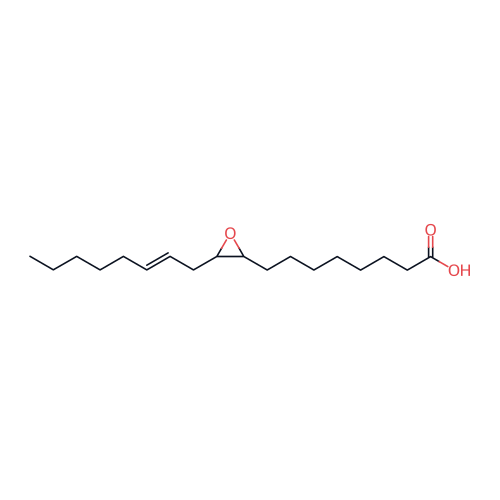
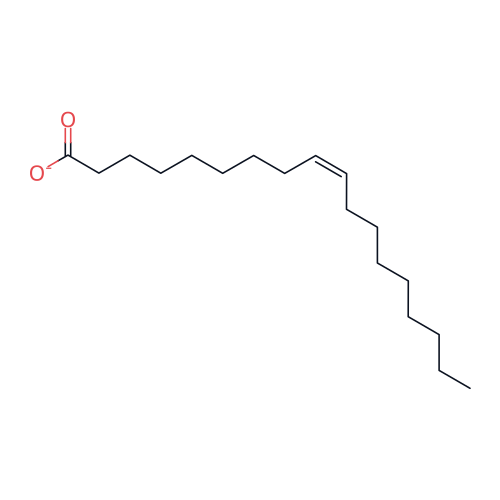
Parent and salt forms, stereoisomers, similar structures and isomers
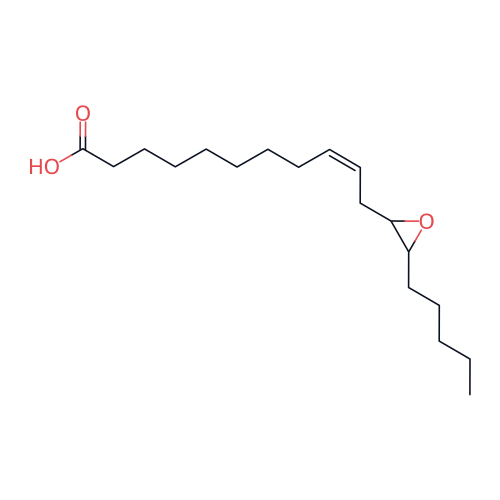
Parent compound
The neutral parent of this salt, hydrate or mixture
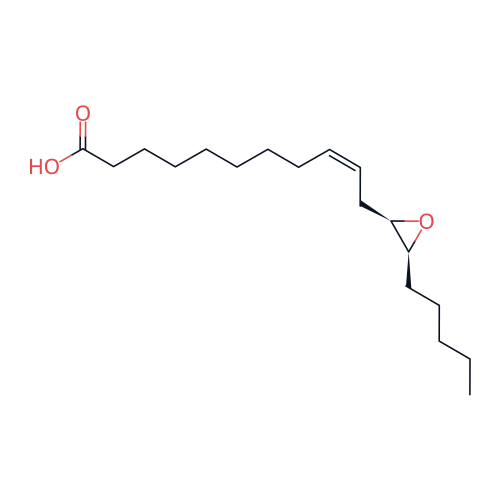
Stereoisomers and isotopic forms
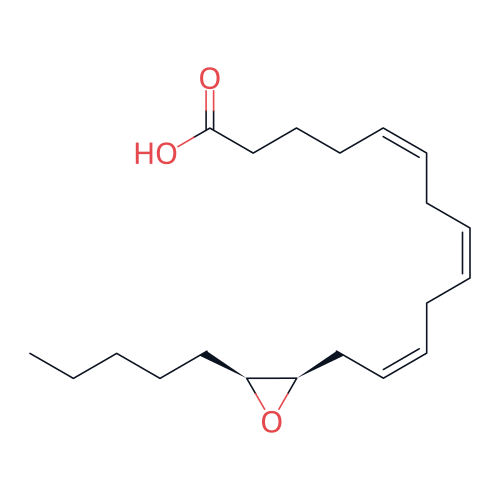
Same connectivity, different stereochemistry or isotopes (same InChIKey skeleton)



Similar structures
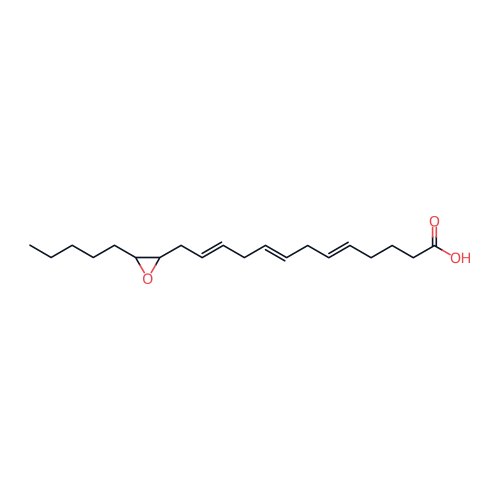
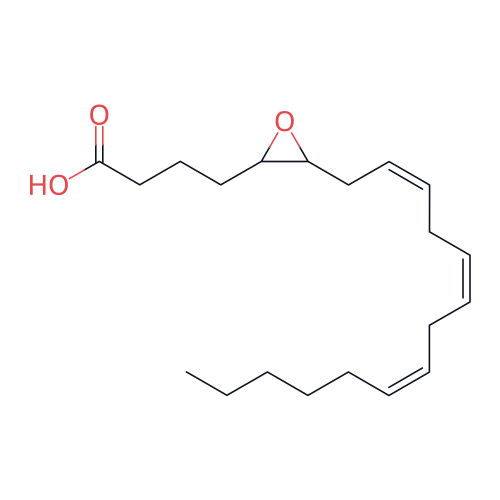
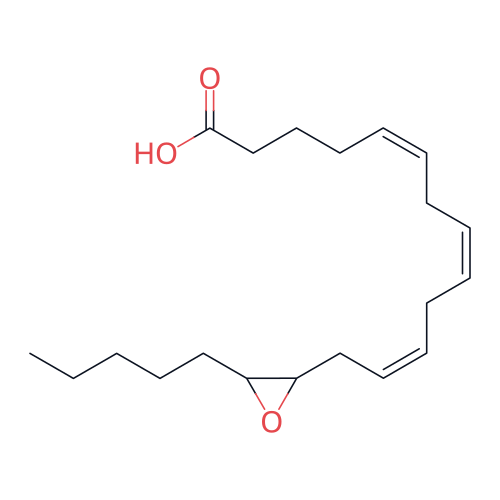
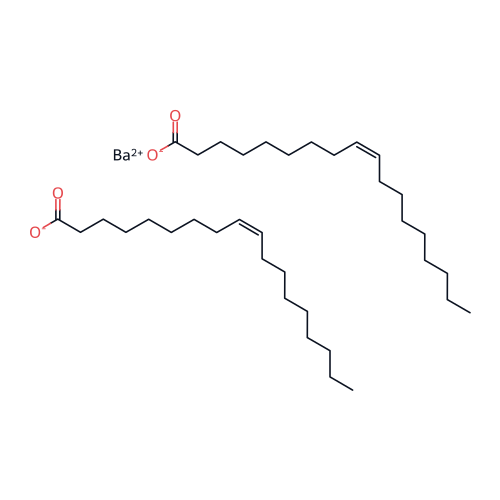
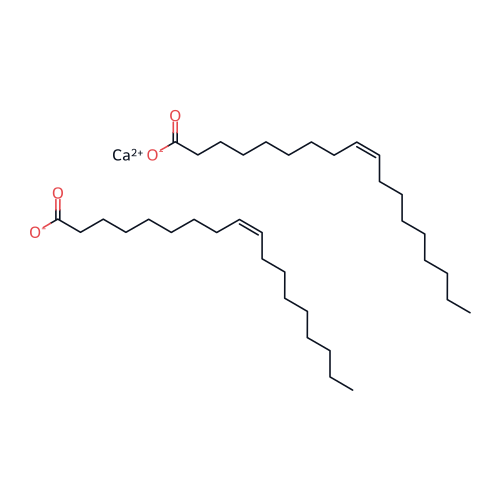
Nearest neighbours by Morgan fingerprint Tanimoto similarity


Frequently asked questions
Quick answers about Vernolate, based on the data on this page
What is Vernolate?
What is the CAS number of Vernolate?
What is the molecular formula and weight of Vernolate?
What is Vernolate used for?
Is Vernolate hazardous?
What is the HS code of Vernolate?
Where can I buy Vernolate?
What is the price of Vernolate?
Guides for buyers
Practical guides that help when you source, ship or handle Vernolate
- Guide, SafetyHow to read a safety data sheet in 10 minutesA section by section method to pull the essentials out of any 16 section SDS: identity, hazards, composition, storage, PPE, properties, transport and emergency measures.Read
- Guide, SafetyGHS pictograms, signal words and hazard statements explainedA practical guide to the nine GHS pictograms, the signal words Danger and Warning, H and P statements, and how to read a chemical label in seconds.Read
- Article, SourcingHow to write an RFQ that gets fast and accurate quotesWhat suppliers need to quote quickly and comparably: exact product identity, quantity and packing, delivery terms, documents, samples and payment, with a ready to use template.Read
Get quotes for Vernolate
Embed this structure on your websiteShow code
Paste this code into your page to show the 2D structure of Vernolate with a 3D view, its CAS number and a link back to this page. Free to use with the link kept.
<iframe src="https://www.compoundlist.com/embed/structure/vernolate-1929-77-7" title="Vernolate structure on CompoundList" width="360" height="420" style="border:1px solid #E7E2DA;border-radius:12px;max-width:100%" loading="lazy" referrerpolicy="strict-origin-when-cross-origin"></iframe>Explore more in Herbicides or HS code 291615