C10H17NO4
608 compounds have this formula on CompoundList.
- Molar mass
- 215.25g/mol
- Monoisotopic mass
- 220.1325Da
- Atoms
- 32
- Elements
- 4
- Rings plus double bonds
- 3
The formula C10H17NO4 describes a molecule made of 10 carbon atoms, 17 hydrogen atoms, 1 nitrogen atom and 4 oxygen atoms. It is written in Hill notation: carbon first, then hydrogen, then the other elements in alphabetical order. The formula tells you which atoms are present, not how they are connected, which is why several different chemicals can share it.
Elemental composition
- C Carbon × 1055.80%12.011 × 10 = 120.110 g/mol
- H Hydrogen × 177.96%1.008 × 17 = 17.136 g/mol
- N Nitrogen × 16.51%14.007 × 1 = 14.007 g/mol
- O Oxygen × 429.73%15.999 × 4 = 63.996 g/mol
Compounds with the formula C10H17NO4
Isomers we list, best known first. Open one to see its structure, properties, safety data and suppliers.
Showing 1 to 100 of 608 compounds

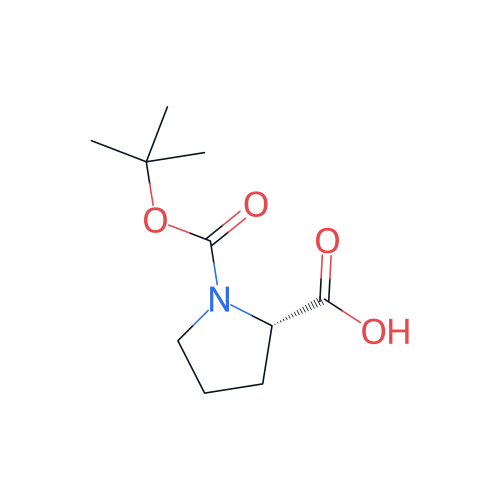
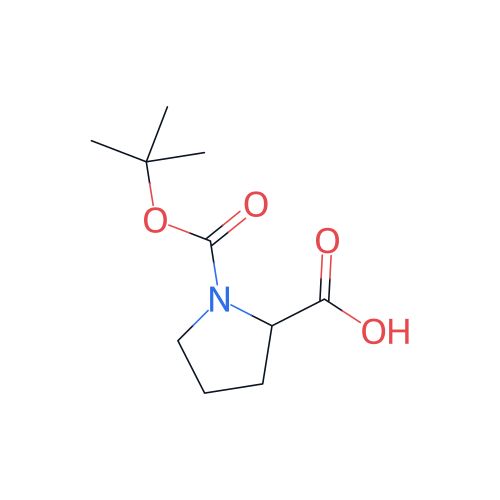

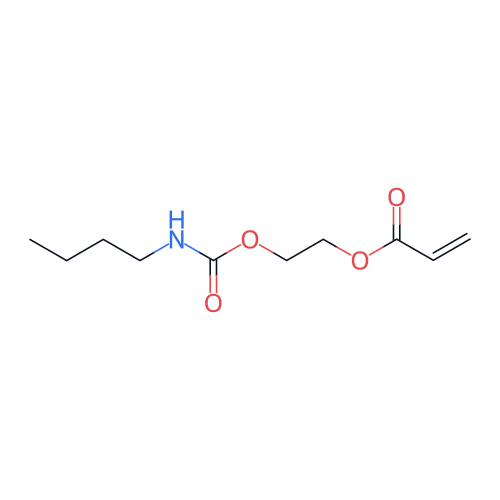
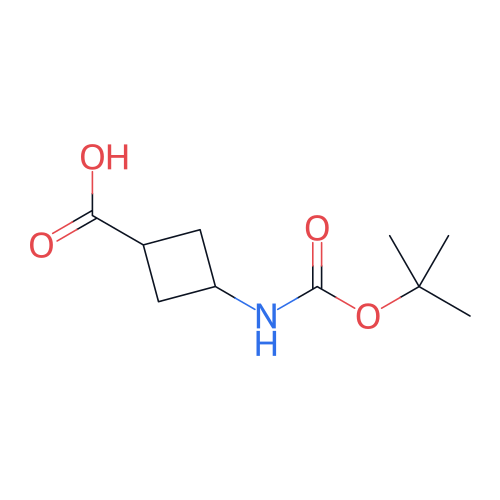
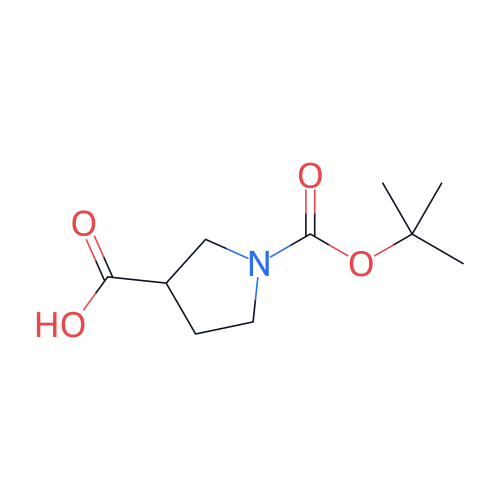
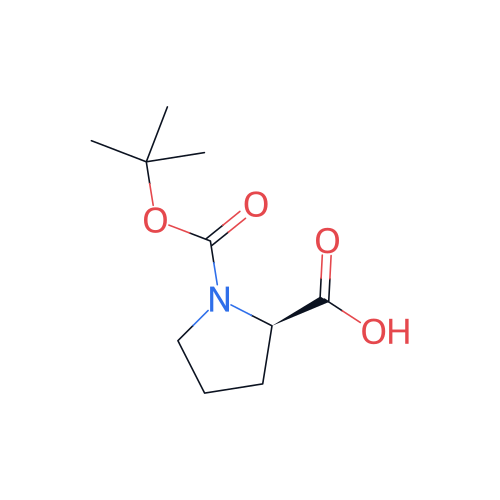

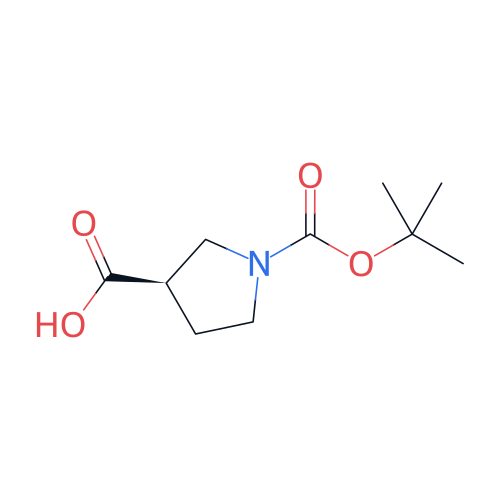

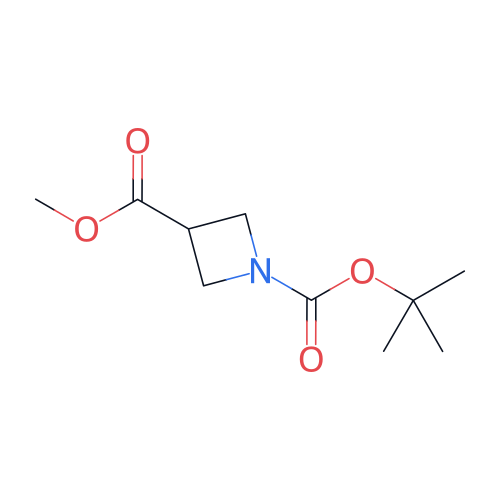


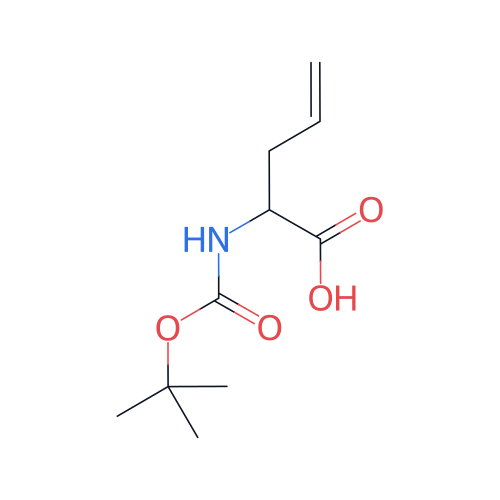
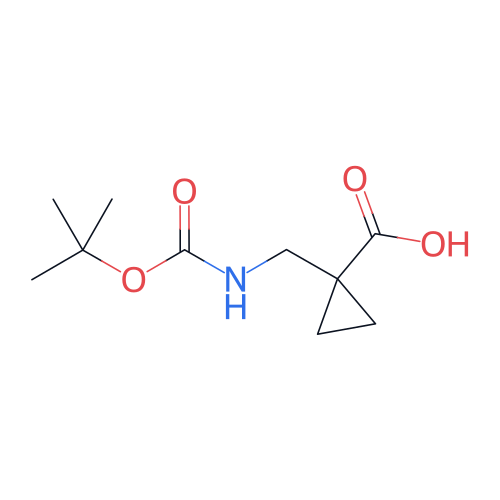
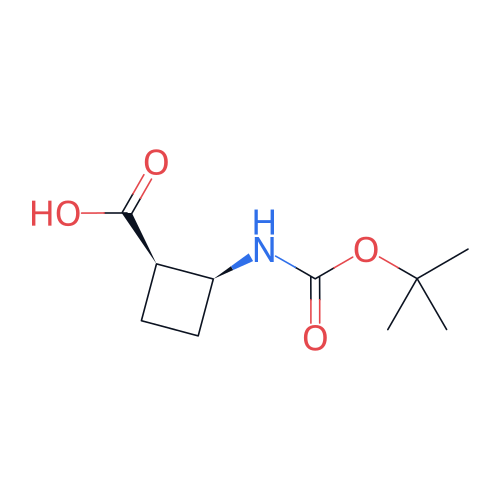
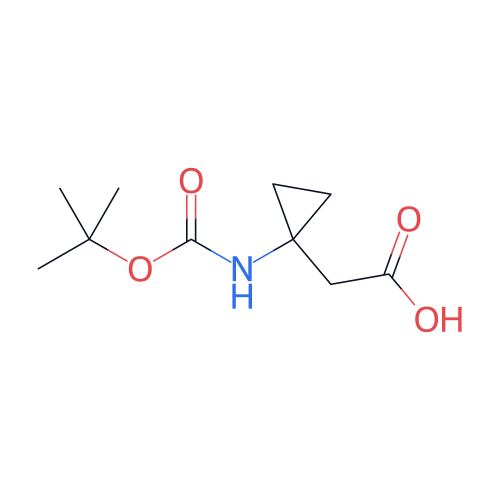
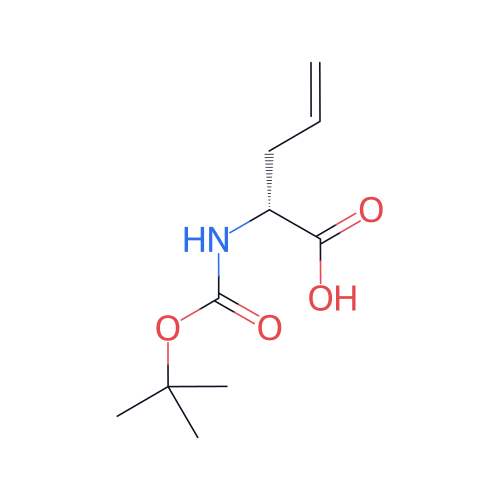


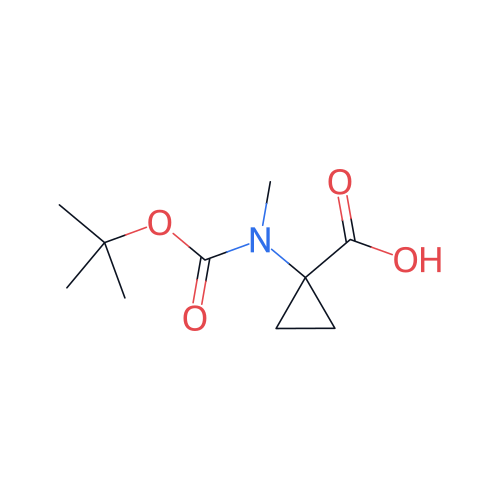

- 1-[(tert-Butoxy)carbonyl]-2-methylazetidine-2-carboxylic acid449758-77-4C10H17NO4
- 2-{[(tert-Butoxy)carbonyl](cyclopropyl)amino}acetic acid182291-93-6C10H17NO4
- tert-Butyl (2S)-2-formylmorpholine-4-carboxylate847805-31-6C10H17NO4
- 1 suppliers1-((tert-Butoxy)carbonyl)-3-methylazetidine-3-carboxylic acid887591-62-0C10H17NO4
- tert-Butyl 3-formylmorpholine-4-carboxylate833474-06-9C10H17NO4
- rac-(1R,2S)-2-({[(tert-Butoxy)carbonyl]amino}methyl)cyclopropane-1-carboxylic acid1638768-80-5C10H17NO4
- 1 suppliersN-(3-Hydroxyhexanoyl)homoserine lactone192883-16-2C10H17NO4
- tert-Butyl (2R)-2-formylmorpholine-4-carboxylate913642-85-0C10H17NO4
- 1 suppliers4-Boc-2-morpholinecarbaldehyde218594-02-6C10H17NO4
- tert-Butyl 6-oxo-1,4-oxazepane-4-carboxylate748805-97-2C10H17NO4
- 1 suppliers(2E)-4-(((tert-Butoxy)carbonyl)(methyl)amino)but-2-enoic acid915788-19-1C10H17NO4
- 1-Oxa-6-azaspiro[3.3]heptane-6-carboxylic acid, 3-hydroxy-, 1,1-dimethylethyl ester1349199-63-8C10H17NO4
- rac-(2R,3S)-1-[(tert-Butoxy)carbonyl]-3-methylazetidine-2-carboxylic acid1277097-48-9C10H17NO4
- 1-[(tert-Butoxy)carbonyl]-4-methylazetidine-2-carboxylic acid1822530-58-4C10H17NO4
- Pyrrolidine-1,2-dicarboxylic acid 1-isobutyl ester1161601-91-7C10H17NO4
- tert-Butyl (2S,3S)-3-hydroxy-2-methyl-5-oxopyrrolidine-1-carboxylate664364-20-9C10H17NO4
- Ctk1A0455253779-06-5C10H17NO4
- (Z)-Methyl 2-(tert-butoxycarbonylamino)but-2-enoate63658-16-2C10H17NO4
- 1-((tert-Butoxy)carbonyl)-3-methylazetidine-2-carboxylic acid1822562-98-0C10H17NO4
- Methyl 1-nitrocyclohexanepropionate71648-41-4C10H17NO4
- Methyl 2-(((tert-butoxy)carbonyl)(methyl)amino)prop-2-enoate56776-34-2C10H17NO4
- tert-Butyl 2-(methoxymethyl)-3-oxoazetidine-1-carboxylate1909314-38-0C10H17NO4
- 1-(3-Methoxy-2-methyl-3-oxopropyl)pyrrolidine-3-carboxylic acid886366-35-4C10H17NO4
- (2E)-4-(((tert-Butoxy)carbonyl)amino)pent-2-enoic acid1334509-60-2C10H17NO4
- Methyl 2-(((tert-butoxy)carbonyl)amino)but-3-enoate100038-68-4C10H17NO4
- tert-Butyl N-(3-formyloxolan-3-yl)carbamate2170650-09-4C10H17NO4
- tert-Butyl N-((3-formyloxetan-3-yl)methyl)carbamate2694735-15-2C10H17NO4
- (2E)-4-{[(tert-Butoxy)carbonyl]amino}-2-methylbut-2-enoic acid128121-02-8C10H17NO4
- tert-Butyl N-[(4-oxooxolan-2-yl)methyl]carbamate2012119-14-9C10H17NO4
- 2-(tert-Butoxycarbonylamino)-2-butenoic acid methyl ester56776-41-1C10H17NO4
- rac-(2R,4S)-1-((tert-Butoxy)carbonyl)-4-methylazetidine-2-carboxylic acid2580113-33-1C10H17NO4
- tert-Butyl N-(3-formyloxetan-3-yl)-N-methylcarbamate2751615-86-6C10H17NO4
- tert-Butyl N-[1-(oxetan-3-yl)-2-oxoethyl]carbamate2751615-57-1C10H17NO4
- 3-Methyl-3-nitro-1,5-dioxaspiro[5.5]undecane6413-23-6C10H17NO4
- tert-Butyl N-(3-(2-oxoethyl)oxetan-3-yl)carbamate2137575-41-6C10H17NO4
- Methyl 2-((((tert-butoxy)carbonyl)amino)methyl)prop-2-enoate651724-25-3C10H17NO4
- (2E)-5-(((tert-Butoxy)carbonyl)amino)pent-2-enoic acid69619-29-0C10H17NO4
- tert-Butyl 2-acetamido-3-oxobutanoate129024-29-9C10H17NO4
- 4-{[(tert-Butoxy)carbonyl]amino}-2-methylidenebutanoic acid2354507-87-0C10H17NO4
- tert-Butyl 3-acetyl-3-hydroxyazetidine-1-carboxylate2168686-62-0C10H17NO4
- Boc-N-(Allyl)-Glycine145618-68-4C10H17NO4
- tert-Butyl 2-((vinyloxy)carbonyl)ethylcarbamate1154062-74-4C10H17NO4
- tert-Butyl N-[(3-oxooxolan-2-yl)methyl]carbamate2356718-32-4C10H17NO4
- Fuscoatramide476485-50-4C10H17NO4
- 11 suppliersCyclobutanecarboxylic acid, 1-(((1,1-dimethylethoxy)carbonyl)amino)-120728-10-1C10H17NO4
- rel-(1R,2R)-2-[[(1,1-Dimethylethoxy)carbonyl]amino]cyclobutanecarboxylic acid951173-25-4C10H17NO4
- 11 suppliers(S)-tert-Butoxycarbonylamino-cyclopropyl-acetic acid155976-13-9C10H17NO4
- LY 221501145512-35-2C10H17NO4
- 2-{[(tert-Butoxy)carbonyl]amino}cyclobutane-1-carboxylic acid841202-83-3C10H17NO4
- 2 suppliersMethyl 1-((tert-butoxycarbonyl)amino)cyclopropanecarboxylate66494-26-6C10H17NO4
- 3,4-Diethyl (3R,4R)-pyrrolidine-3,4-dicarboxylate904304-88-7C10H17NO4
- 2-(tert-Butoxycarbonylamino)-2-cyclopropylacetic acid54256-41-6C10H17NO4
- Methyl 2-((tert-butoxycarbonyl)amino)cyclopropanecarboxylate1426414-00-7C10H17NO4
- 5 suppliers(R)-2-((tert-Butoxycarbonyl)amino)-2-cyclopropylacetic acid609768-49-2C10H17NO4
- (1R,2R)-rel-Methyl 2-((tert-butoxycarbonyl)amino)cyclopropanecarboxylate162129-55-7C10H17NO4
- 2-[3-(Carboxymethyl)-2-methylpiperidin-4-yl]acetic acid6945-42-2C10H17NO4
- 2-{1-[(tert-Butoxy)carbonyl]azetidin-2-yl}acetic acid1781968-79-3C10H17NO4
- 2,4-Azetidinedicarboxylic acid, 2-methyl-4-(2-methylpropyl)-, (2R,4S)-673477-38-8C10H17NO4
- Methyl 2-tert-butyl-3-formyl-1,3-oxazolidine-4-carboxylateC10H17NO4
- 2-[[2-(Methacryloyloxy)ethyl]dimethylammonio]acetate62723-61-9C10H17NO4
- tert-Butyl 4-hydroxy-2-oxopiperidine-1-carboxylate1245646-10-9C10H17NO4
- (2R,3S)-1-tert-Butoxycarbonyl-2-methyl-azetidine-3-carboxylic acid2231663-77-5C10H17NO4
- 1 suppliers3-Hydroxy-N-(2-oxooxolan-3-yl)hexanamide161234-45-3C10H17NO4
- tert-Butyl 2-(hydroxymethyl)-5-oxopyrrolidine-1-carboxylate344884-10-2C10H17NO4
- 1 suppliers(S)-tert-Butyl 3-formylmorpholine-4-carboxylate218594-01-5C10H17NO4
- 1-tert-Butyl 2-methyl (2R)-azetidine-1,2-dicarboxylate1260593-39-2C10H17NO4
- (1S,2S)-2-{[(tert-Butoxy)carbonyl]amino}cyclobutane-1-carboxylic acid951173-39-0C10H17NO4
- 2-(((tert-Butoxycarbonyl)amino)methyl)cyclopropanecarboxylic acid1000535-88-5C10H17NO4
- 1-[(tert-Butoxy)carbonyl]-2-methylazetidine-3-carboxylic acid1638760-82-3C10H17NO4
- tert-Butyl N-(5-oxooxan-3-yl)carbamate1638767-05-1C10H17NO4
- (1R,2S)-rel-Methyl 2-((tert-butoxycarbonyl)amino)cyclopropanecarboxylate170299-60-2C10H17NO4
- 1-Ethyl 4-methyl piperidine-1,4-dicarboxylate126291-64-3C10H17NO4
- 1 supplierstert-Butyl 3-hydroxy-4-oxopiperidine-1-carboxylate1130156-23-8C10H17NO4
- (2S)-1-[(tert-Butoxy)carbonyl]-2-methylazetidine-2-carboxylic acid1363402-35-0C10H17NO4
- 4-(2,2-Dimethylpropylidene)-L-glutamic acid302906-55-4C10H17NO4
- 1 suppliersBoc-D-Pyroglutaminol128811-37-0C10H17NO4
Frequently asked questions
What is the molar mass of C10H17NO4?
The molar mass of C10H17NO4 is 215.25 g/mol, calculated from standard atomic weights for 10 carbon atoms, 17 hydrogen atoms, 1 nitrogen atom and 4 oxygen atoms. The monoisotopic mass is 220.1325 Da.
How many compounds have the formula C10H17NO4?
CompoundList lists 608 compounds with the molecular formula C10H17NO4, including Dihydrokainic acid, 1,2-Pyrrolidinedicarboxylic acid, 1-(1,1-dimethylethyl) ester, (2S)-, 1-[(tert-Butoxy)carbonyl]pyrrolidine-2-carboxylic acid. Compounds that share a formula are isomers. They contain the same atoms arranged differently, so their properties, uses and prices can be very different.
What is the degree of unsaturation of C10H17NO4?
C10H17NO4 has a degree of unsaturation of 3. That is the total number of rings and pi bonds (a double bond counts as one, a triple bond as two) in any structure with this formula.