C13H16ClNO4
143 compounds have this formula on CompoundList.
- Molar mass
- 285.72g/mol
- Monoisotopic mass
- 285.0768Da
- Atoms
- 35
- Elements
- 5
- Rings plus double bonds
- 6
The formula C13H16ClNO4 describes a molecule made of 13 carbon atoms, 16 hydrogen atoms, 1 chlorine atom, 1 nitrogen atom and 4 oxygen atoms. It is written in Hill notation: carbon first, then hydrogen, then the other elements in alphabetical order. The formula tells you which atoms are present, not how they are connected, which is why several different chemicals can share it.
Elemental composition
- C Carbon × 1354.65%12.011 × 13 = 156.143 g/mol
- H Hydrogen × 165.64%1.008 × 16 = 16.128 g/mol
- Cl Chlorine × 112.41%35.45 × 1 = 35.450 g/mol
- N Nitrogen × 14.90%14.007 × 1 = 14.007 g/mol
- O Oxygen × 422.40%15.999 × 4 = 63.996 g/mol
Compounds with the formula C13H16ClNO4
Isomers we list, best known first. Open one to see its structure, properties, safety data and suppliers.
Showing 1 to 100 of 143 compounds
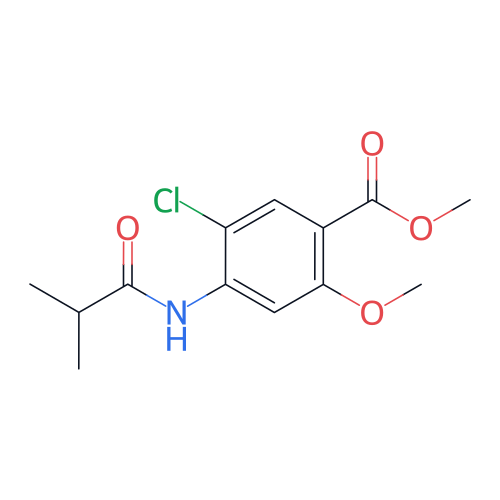


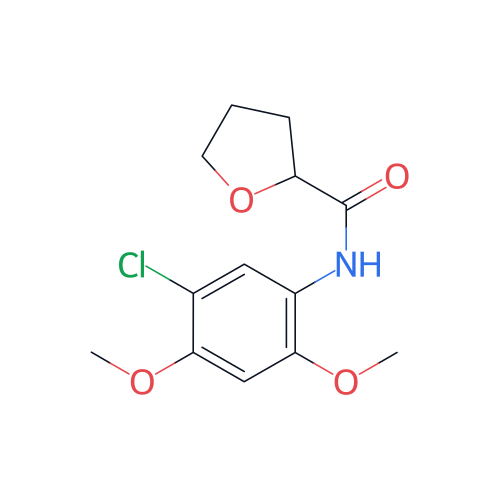
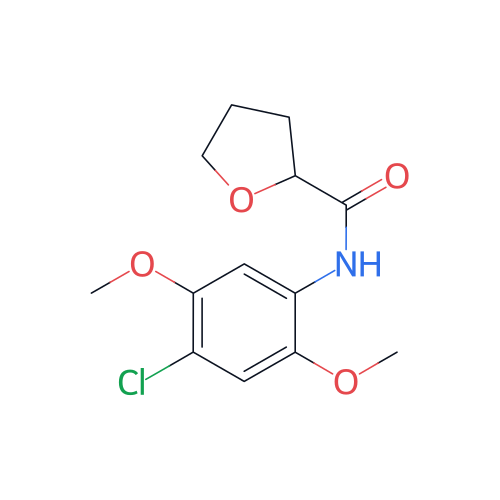


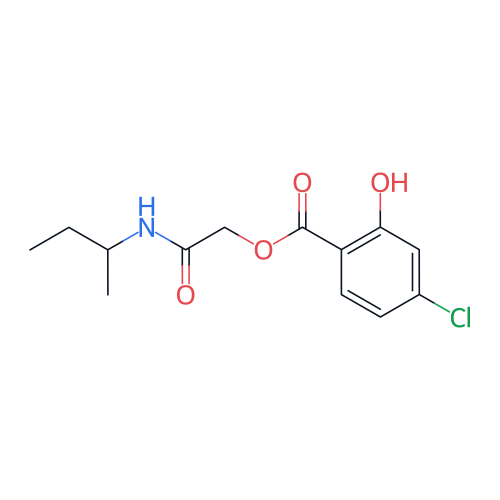
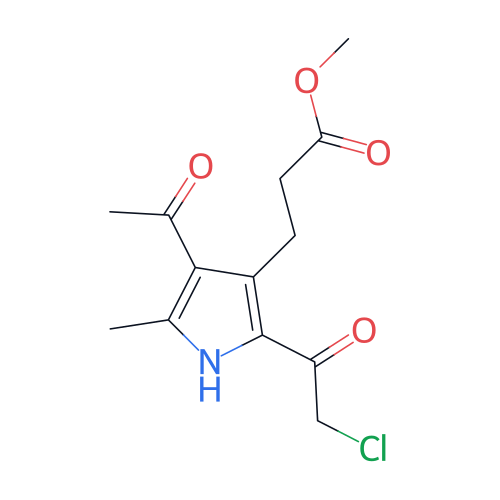

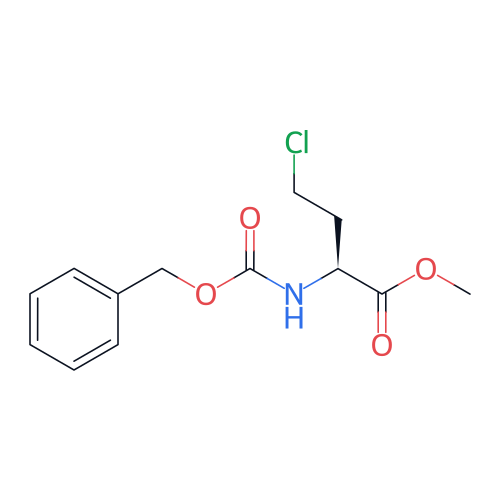
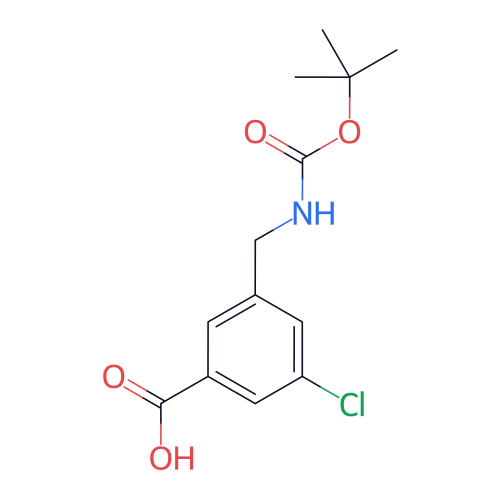
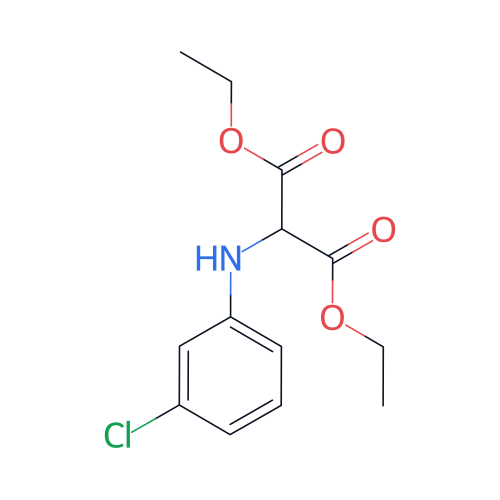

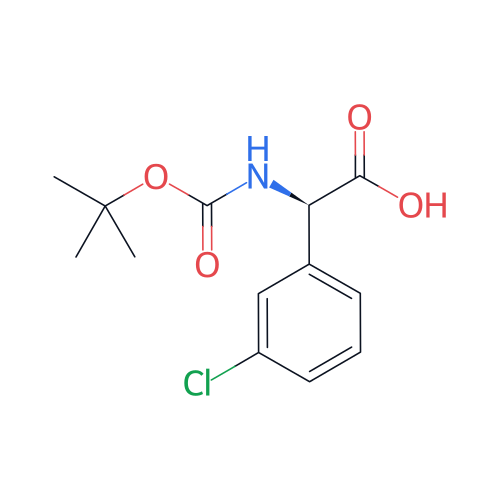

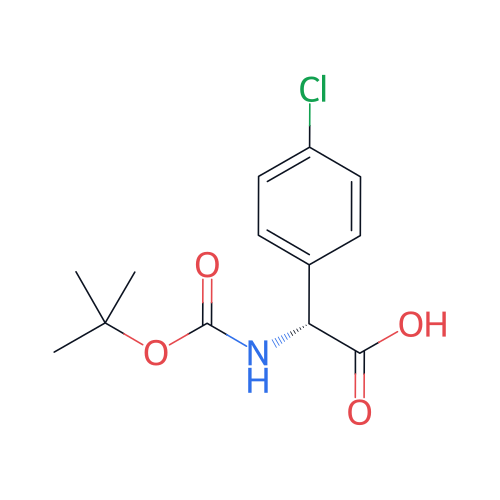
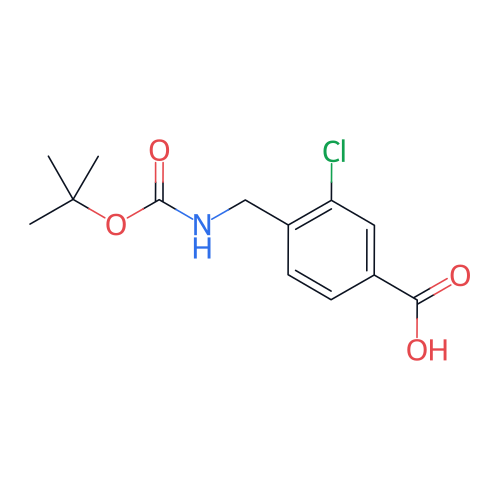

- 5-(((tert-Butoxycarbonyl)amino)methyl)-2-chlorobenzoic acid165950-04-9C13H16ClNO4
- (R)-2-((tert-Butoxycarbonyl)amino)-2-(2-chlorophenyl)acetic acid1212602-23-7C13H16ClNO4
- 2-((tert-Butoxycarbonyl)(methyl)amino)-5-chlorobenzoic acid886362-04-5C13H16ClNO4
- 4-[(Boc-amino)methyl]-2-chlorobenzoic acid879088-65-0C13H16ClNO4
- 3-(4-Chlorobenzyl)pyrrolidine oxalate957998-82-2C13H16ClNO4
- 1-Benzylpyrrolidine-2,5-dicarboxylic acid--hydrogen chloride (1/1)325146-20-1C13H16ClNO4
- 3-(2-Chlorobenzyl)pyrrolidine oxalate1188263-58-2C13H16ClNO4
- Methyl 4-((tert-butoxycarbonyl)amino)-3-chlorobenzoate1260650-61-0C13H16ClNO4
- Methyl 5-(tert-butoxycarbonylamino)-2-chlorobenzoate942631-63-2C13H16ClNO4
- 2-(tert-Butoxycarbonyl(2-chlorophenyl)amino)acetic acid1245646-11-0C13H16ClNO4
- 2-(Boc-amino)methyl-4-chloro-benzoic acid669713-63-7C13H16ClNO4
- 2H-1,4-Benzoxazin-3(4H)-one, 6-chloro-4-(2,3-dihydroxypropyl)-2-ethyl-52042-25-8C13H16ClNO4
- 2-{[(tert-Butoxy)carbonyl](4-chlorophenyl)amino}acetic acid1135310-18-7C13H16ClNO4
- (4-Chloro-2-formyl-5-methoxy-phenyl)-carbamic acid tert-butyl ester1632286-03-3C13H16ClNO4
- 2-[(2-Chloro-4-methyl-5-nitrophenyl)methoxy]tetrahydro-2H-pyran1481633-46-8C13H16ClNO4
- 2-(2-Chloro-6-ethoxy-4-formylphenoxy)-N,N-dimethylacetamide746630-78-4C13H16ClNO4
- Diethyl (pyridin-4-ylmethylene)malonate hydrochloride52601-18-0C13H16ClNO4
- Methyl 3-{[(tert-butoxy)carbonyl]amino}-5-chlorobenzoate1398570-12-1C13H16ClNO4
- Methyl 4-acetamido-5-chloro-2-isopropoxybenzoate172093-28-6C13H16ClNO4
- 2-tert-Butoxycarbonylamino-4-chloro-benzoic acid methyl ester851045-57-3C13H16ClNO4
- Chloroac-tyr-oet26212-73-7C13H16ClNO4
- 2(R)-[5(R)-(3-Chlorophenoxymethyl)-2-oxooxazolidin-3-yl]propanol175717-81-4C13H16ClNO4
- 2-(5-{[(tert-Butoxy)carbonyl]amino}-2-chlorophenyl)acetic acid200214-51-3C13H16ClNO4
- Ethyl 4-[2-(2-chloroethoxy)acetamido]benzoate820232-32-4C13H16ClNO4
- Benzamide, N-acetyloxy-N-butoxy-4-chloro-131229-62-4C13H16ClNO4
- Methyl (2S,4R)-4-(benzoyloxy)-2-pyrrolidinecarboxylate hydrochloride879399-04-9C13H16ClNO4
- 1,3-Diethyl 2-(5-amino-2-chlorophenyl)propanedioate1232505-92-8C13H16ClNO4
- Ethyl 3-(4-chloro-3-methoxyphenylamino)-2-methyl-3-oxopropanoate1259440-14-6C13H16ClNO4
- Ethyl 4-acetamido-5-chloro-2-ethoxybenzoate1173203-33-2C13H16ClNO4
- 2-((3-(3-Chlorophenyl)-3-hydroxypropyl)amino)-2-oxoethyl acetate2034606-47-6C13H16ClNO4
- N-{2-[2-(2-Chloro-4-formylphenoxy)ethoxy]ethyl}acetamide2094512-93-1C13H16ClNO4
- 2-[2-(2-Chlorophenoxy)acetamido]-3-methylbutanoic acid1028530-51-9C13H16ClNO4
- 4-{[(tert-Butoxy)carbonyl](methyl)amino}-2-chlorobenzoic acid2248355-15-7C13H16ClNO4
- 6-[(5-Chloro-2-hydroxybenzoyl)amino]hexanoic acid257952-26-4C13H16ClNO4
- 5-Chloro-2-[2-[(2-methylpropyl)amino]-2-oxoethoxy]benzoic acid1050886-01-5C13H16ClNO4
- 2-[[(2-Chloro-5-nitrophenyl)methoxy]methyl]tetrahydro-2H-pyran1097816-81-3C13H16ClNO4
- 2-{[(tert-Butoxy)carbonyl](3-chlorophenyl)amino}acetic acid1179281-77-6C13H16ClNO4
- Methyl (2S,4S)-4-(benzoyloxy)-2-pyrrolidinecarboxylate hydrochloride1354487-14-1C13H16ClNO4
- Ethyl N-[(4-chloro-3-methylphenoxy)acetyl]glycinate1178259-09-0C13H16ClNO4
- (5-Chloro-2-methoxyphenyl)(3-(hydroxymethyl)morpholino)methanone1421462-46-5C13H16ClNO4
- 3-{[(tert-Butoxycarbonyl)amino]methyl}-4-chlorobenzoic acid153346-57-7C13H16ClNO4
- 2-Chloro-6-(4-methoxy-3-methylbutanamido)benzoic acid1539960-59-2C13H16ClNO4
- 5-Chloro-N-((3-hydroxytetrahydrofuran-3-yl)methyl)-2-methoxybenzamide1919550-23-4C13H16ClNO4
- 2-(4-Chlorophenoxy)-N-((3-hydroxytetrahydrofuran-3-yl)methyl)acetamide1912096-72-0C13H16ClNO4
- 2-{[(tert-Butoxy)carbonyl]amino}-4-chloro-3-methylbenzoic acid2248287-49-0C13H16ClNO4
- 2-Chloro-1-[3-[2-(furan-2-yl)-2-oxoethyl]morpholin-4-yl]propan-1-one2411255-87-1C13H16ClNO4
- 2-(2-((tert-Butoxycarbonyl)amino)-4-chlorophenyl)acetic acid2229376-11-6C13H16ClNO4
- Diethyl [(6-chloropyridin-3-yl)methyl]propanedioate61659-01-6C13H16ClNO4
- Ethyl 5-aminoacetyl-2,3-dihydro-2-benzofurancarboxylate hydrochloride133033-52-0C13H16ClNO4
- ET-N-Chloroacetyl-N-(2meoph)glycinate60145-78-0C13H16ClNO4
- 4-[2-(4-Chloro-2-methylphenoxy)acetamido]butanoic acid857846-76-5C13H16ClNO4
- Ethyl 1-(5-chlorofuran-2-carbonyl)piperidine-3-carboxylate1153351-54-2C13H16ClNO4
- Carbamic acid, (6-chloro-2,3-dihydro-1,4-benzodioxin-5-yl)-, 1,1-dimethylethyl ester (9CI)445219-92-1C13H16ClNO4
- Ethyl (2-(4-chlorophenoxy)propanoyl)glycinate1183095-10-4C13H16ClNO4
- Methyl 2-((tert-butoxycarbonyl)amino)-5-chlorobenzoate1495813-19-8C13H16ClNO4
- N-[2-(4-Chlorophenoxy)-2-methylpropanoyl]-L-alanine65732-70-9C13H16ClNO4
- 5-{[(tert-Butoxy)carbonyl](methyl)amino}-2-chlorobenzoic acid2027523-92-6C13H16ClNO4
- Ethyl 2-((6-chloro-4-methoxypyridin-3-yl)(hydroxy)methyl)cyclopropanecarboxylate2042342-03-8C13H16ClNO4
- 3-{[(tert-Butoxy)carbonyl]amino}-4-chloro-2-methylbenzoic acid2248312-20-9C13H16ClNO4
- 2-{[(tert-Butoxy)carbonyl]amino}-6-chloro-3-methylbenzoic acid2248297-37-0C13H16ClNO4
- 2-{[(tert-Butoxy)carbonyl]amino}-3-chloro-4-methylbenzoic acid2248349-98-4C13H16ClNO4
- 2-{[(tert-Butoxy)carbonyl]amino}-3-chloro-6-methylbenzoic acid2248415-92-9C13H16ClNO4
- 5-{[(tert-Butoxy)carbonyl]amino}-2-chloro-4-methylbenzoic acid2248350-02-7C13H16ClNO4
- 2-{[(tert-Butoxy)carbonyl]amino}-4-chloro-6-methylbenzoic acid2248268-38-2C13H16ClNO4
- 4-{[(tert-Butoxy)carbonyl]amino}-3-chloro-5-methylbenzoic acid2248384-02-1C13H16ClNO4
- 3-{[(tert-Butoxy)carbonyl]amino}-6-chloro-2-methylbenzoic acid2248363-08-6C13H16ClNO4
- 2-{[(tert-Butoxy)carbonyl]amino}-3-chloro-5-methylbenzoic acid2248319-78-8C13H16ClNO4
- Methyl 2-{[(benzyloxy)carbonyl]amino}-4-chlorobutanoate2680546-43-2C13H16ClNO4
- 2-(4-((tert-Butoxycarbonyl)amino)-2-chlorophenyl)acetic acid2228173-07-5C13H16ClNO4
- (2S)-2-{[(Benzyloxy)carbonyl]amino}-5-chloropentanoic acid152861-35-3C13H16ClNO4
- 1-Ethyl-3,4-dimethylquinolin-1-ium perchlorate82815-11-0C13H16ClNO4
- Methyl 3-(2-(5-chloro-2-methoxyphenyl)acetamido)propanoate1304094-10-7C13H16ClNO4
- Ethyl 1-(5-chlorofuran-2-carbonyl)piperidine-4-carboxylate1157069-26-5C13H16ClNO4
- Methyl 2-(2-(2-chlorophenoxy)acetamido)-2-methylpropanoate2105160-12-9C13H16ClNO4
- Methyl 3-(5-chloro-2-methoxy-N-methylbenzamido)propanoate1271030-50-2C13H16ClNO4
- Ethyl (3-(2-chlorophenoxy)propanoyl)glycinate1183116-01-9C13H16ClNO4
Frequently asked questions
What is the molar mass of C13H16ClNO4?
The molar mass of C13H16ClNO4 is 285.72 g/mol, calculated from standard atomic weights for 13 carbon atoms, 16 hydrogen atoms, 1 chlorine atom, 1 nitrogen atom and 4 oxygen atoms. The monoisotopic mass is 285.0768 Da.
How many compounds have the formula C13H16ClNO4?
CompoundList lists 143 compounds with the molecular formula C13H16ClNO4, including Methyl 5-chloro-4-(isobutyrylamino)-2-methoxybenzoate, 2-(((tert-Butoxy)carbonyl)amino)-2-(4-chlorophenyl)acetic acid, 2-{[(tert-Butoxy)carbonyl]amino}-2-(3-chlorophenyl)acetic acid. Compounds that share a formula are isomers. They contain the same atoms arranged differently, so their properties, uses and prices can be very different.
What is the degree of unsaturation of C13H16ClNO4?
C13H16ClNO4 has a degree of unsaturation of 6. That is the total number of rings and pi bonds (a double bond counts as one, a triple bond as two) in any structure with this formula.