C16H11ClN2O2
122 compounds have this formula on CompoundList.
- Molar mass
- 298.73g/mol
- Monoisotopic mass
- 302.0760Da
- Atoms
- 32
- Elements
- 5
- Rings plus double bonds
- 12
The formula C16H11ClN2O2 describes a molecule made of 16 carbon atoms, 11 hydrogen atoms, 1 chlorine atom, 2 nitrogen atoms and 2 oxygen atoms. It is written in Hill notation: carbon first, then hydrogen, then the other elements in alphabetical order. The formula tells you which atoms are present, not how they are connected, which is why several different chemicals can share it.
Elemental composition
- C Carbon × 1664.33%12.011 × 16 = 192.176 g/mol
- H Hydrogen × 113.71%1.008 × 11 = 11.088 g/mol
- Cl Chlorine × 111.87%35.45 × 1 = 35.450 g/mol
- N Nitrogen × 29.38%14.007 × 2 = 28.014 g/mol
- O Oxygen × 210.71%15.999 × 2 = 31.998 g/mol
Compounds with the formula C16H11ClN2O2
Isomers we list, best known first. Open one to see its structure, properties, safety data and suppliers.
Showing 1 to 100 of 122 compounds
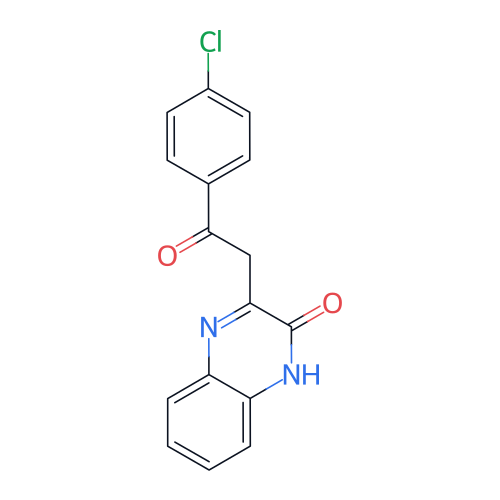


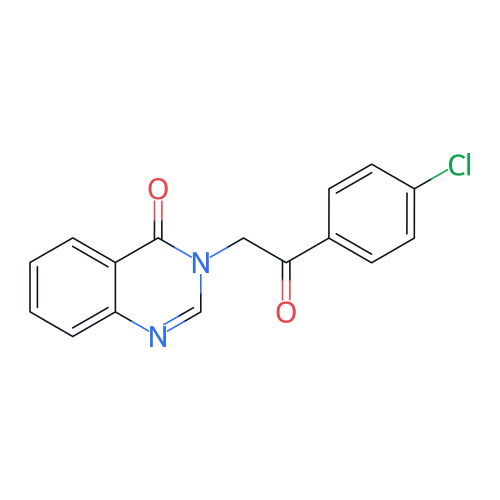
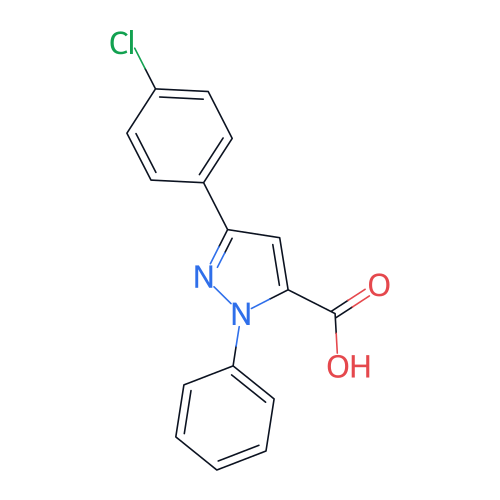
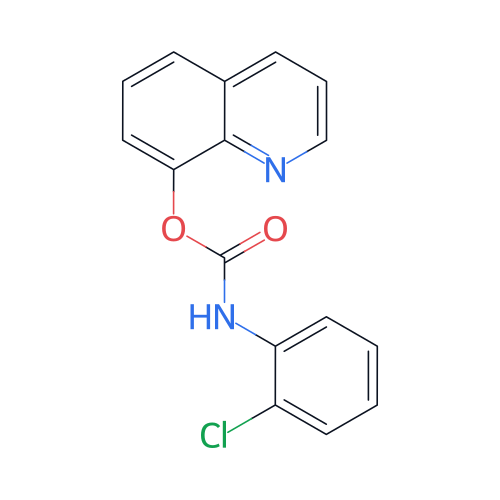

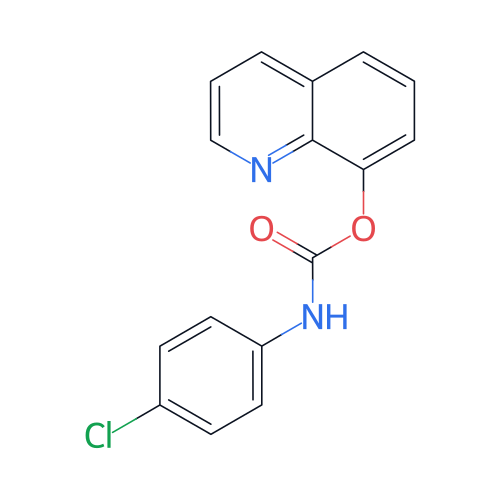
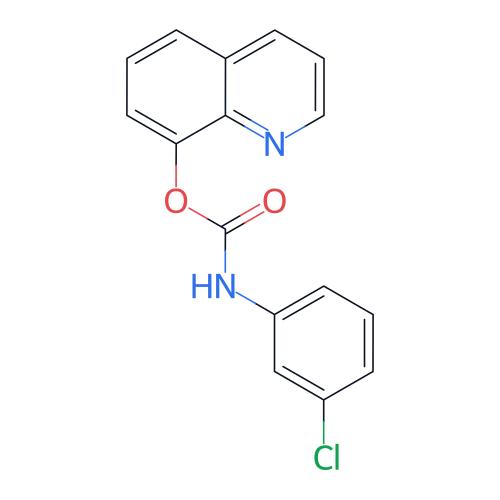
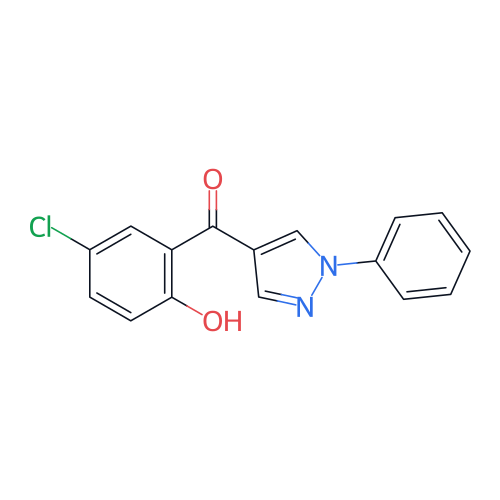
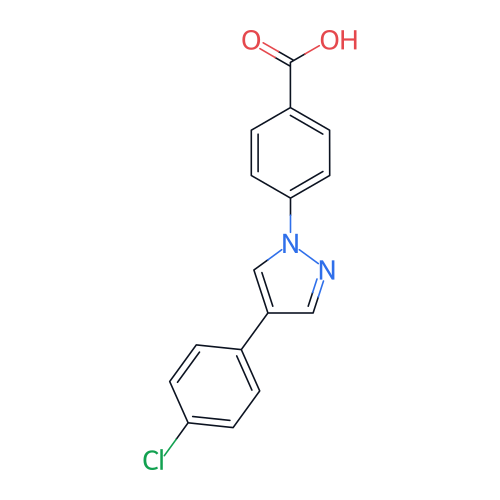


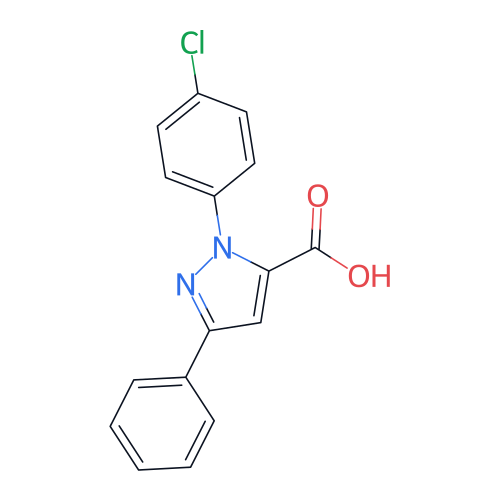
methanone chemical structure, C16H11ClN2O2, CAS 61466-47-5](/s/IUHJXLFNKATJBA-UHFFFAOYSA-N.svg)
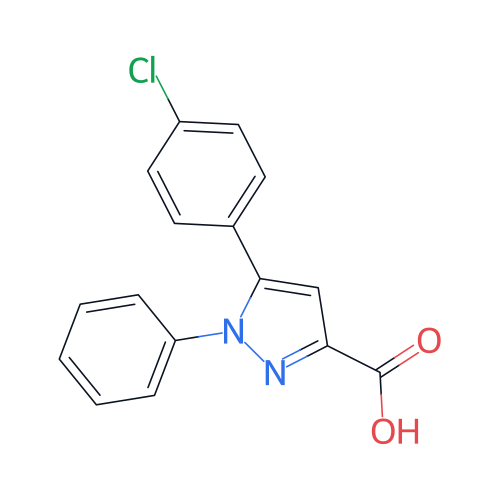
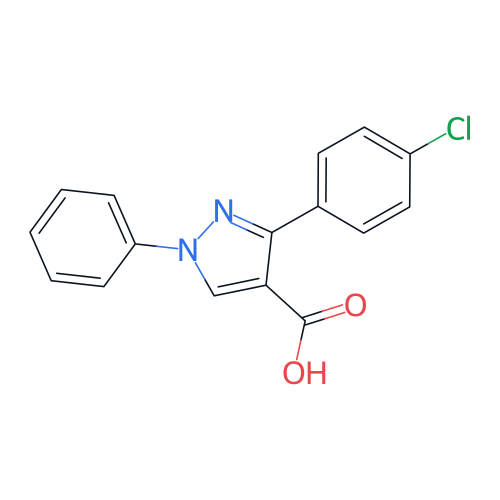
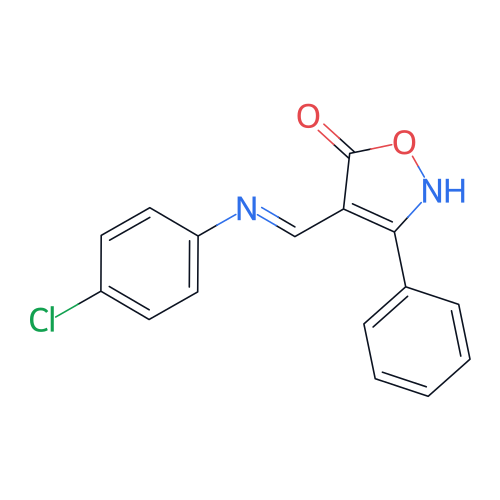
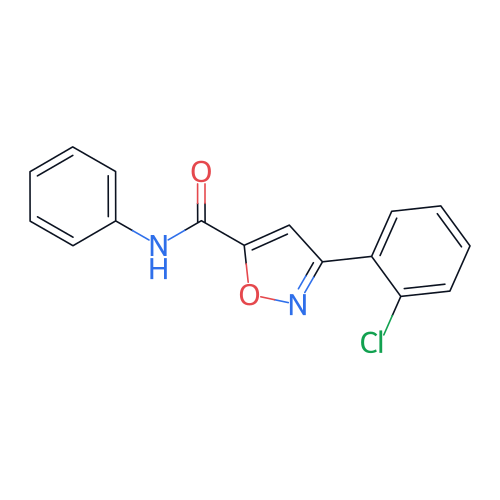

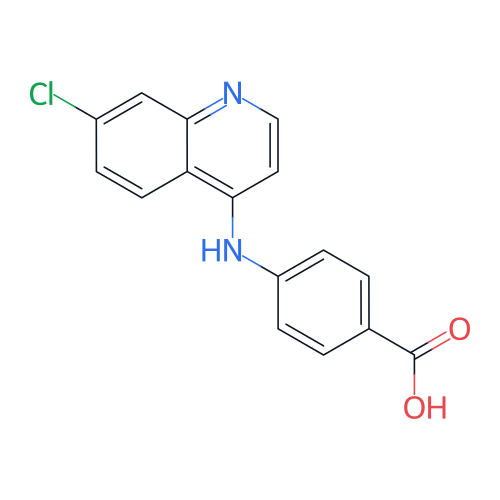
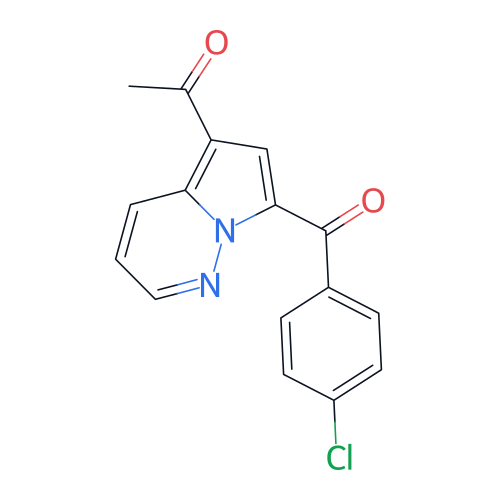
- Glafenic acid10440-42-3C16H11ClN2O2
- 1-(3-Chlorophenyl)-3-phenyl-1H-pyrazole-5-carboxylic acid618101-99-8C16H11ClN2O2
- 1-(5-Chloro-2-hydroxyphenylazo)-2-naphthol3566-94-7C16H11ClN2O2
- 3-(4-Chloroanilino)-1-phenylpyrrole-2,5-dione5761-93-3C16H11ClN2O2
- 3-[(7-Chloroquinolin-4-yl)amino]benzoic acid50534-30-0C16H11ClN2O2
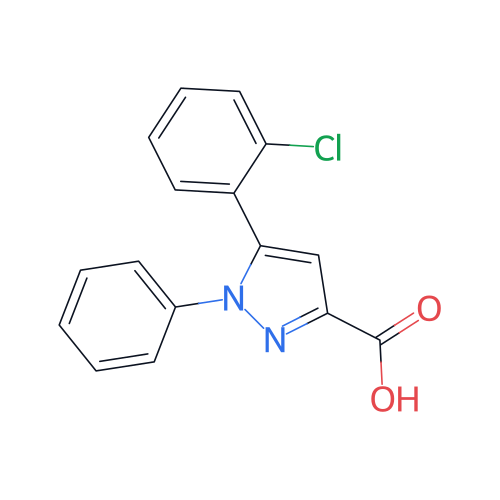
- 1H-Pyrazole-3-carboxylic acid, 1-(2-chlorophenyl)-5-phenyl-116572-69-1C16H11ClN2O2
- (2Z)-6-Chloro-2-(phenylimino)-2H-chromene-3-carboxamide306320-29-6C16H11ClN2O2
- 4-[(3-Chloroanilino)methylene]-2-phenyl-1,3-oxazol-5(4H)-one313971-65-2C16H11ClN2O2
- (2Z)-2-[(4-Chlorophenyl)imino]-2H-chromene-3-carboxamide314048-22-1C16H11ClN2O2
- N-(4-Chlorophenyl)-2-(1H-indol-3-yl)-2-oxoacetamide852367-67-0C16H11ClN2O2
- N-(4-Chlorophenyl)-2-cyano-3-(4-hydroxyphenyl)prop-2-enamide16435-09-9C16H11ClN2O2
- 2H-Benzimidazol-2-one, 1-(1-(4-chlorobenzoyl)ethenyl)-1,3-dihydro-108664-33-1C16H11ClN2O2
- 5-Chloro-2-hydroxy-N-(quinolin-8-yl)benzamide1040312-13-7C16H11ClN2O2
- 8-Benzylamino-7-chloro-5,6-quinolinedione25943-56-0C16H11ClN2O2
- 7-Chloro-8-methyl-2-pyridin-2-ylquinoline-4-carboxylic acid588696-82-6C16H11ClN2O2
- 7-Chloro-8-methyl-2-pyridin-3-ylquinoline-4-carboxylic acid588696-83-7C16H11ClN2O2
- 1-(2-Chlorophenyl)-3-(phenylamino)-1H-pyrrole-2,5-dione315240-38-1C16H11ClN2O2
- 2-(4-Aminophenyl)-6-chloroquinoline-4-carboxylic acid590357-66-7C16H11ClN2O2
- N-(4-Chlorophenyl)-5-phenyl-1,2-oxazole-3-carboxamide107402-55-1C16H11ClN2O2
- 7-Chloro-8-methyl-2-pyridin-4-ylquinoline-4-carboxylic acid588696-85-9C16H11ClN2O2
- 2-(3-Aminophenyl)-6-chloroquinoline-4-carboxylic acid590359-91-4C16H11ClN2O2
- 3-(4-Chloroquinazolin-2-yl)phenyl acetate911417-24-8C16H11ClN2O2
- (4Z)-4-[(4-Chlorophenyl)methylidene]-1-phenylpyrazolidine-3,5-dione4590-87-8C16H11ClN2O2
- 1H-Pyrrole-2,5-dione, 3-chloro-1-phenyl-4-(phenylamino)-6903-92-0C16H11ClN2O2
- 6-Chloro-1,3-diphenylpyrimidine-2,4-dione5759-74-0C16H11ClN2O2
- (E)-3-[3-(4-Chlorophenyl)imidazo[1,5-a]pyridin-1-yl]prop-2-enoic acid461684-32-2C16H11ClN2O2
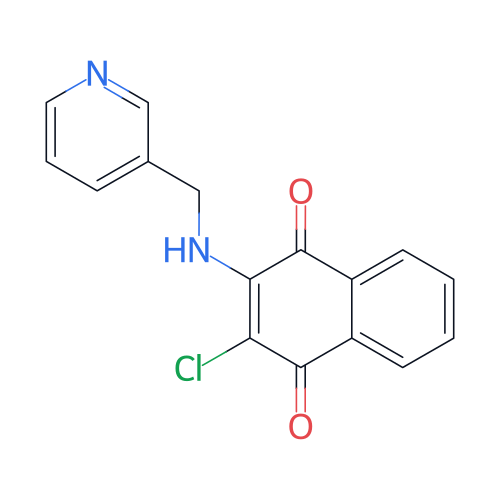
- 2-Chloro-3-[(2-pyridinylmethyl)amino]naphthoquinone21217-58-3C16H11ClN2O2
- Dock2-IN-14590-86-7C16H11ClN2O2
- 2,4-Imidazolidinedione, 5-((4-chlorophenyl)methylene)-3-phenyl-76112-89-5C16H11ClN2O2
- 2,4-Imidazolidinedione, 5-((3-chlorophenyl)methylene)-3-phenyl-76112-85-1C16H11ClN2O2
- (Z)-3-(4-Chlorophenyl)-2-cyano-N-(4-hydroxyphenyl)prop-2-enamide5732-24-1C16H11ClN2O2
- (2Z)-N-(4-Chlorophenyl)-2-cyano-3-(3-hydroxyphenyl)prop-2-enamide340315-62-0C16H11ClN2O2
- (E)-2-Benzoyl-3-[4-(2-chloroacetyl)-1H-pyrrol-2-yl]prop-2-enenitrile866038-40-6C16H11ClN2O2
- 4-Chloro-N-(3-phenyl-1,2-oxazol-5-yl)benzamide119162-71-9C16H11ClN2O2
- Methyl 6-chloro-4-phenylquinazoline-2-carboxylate62705-47-9C16H11ClN2O2
- 2-[3-(4-Chlorophenyl)-1,2,4-oxadiazol-5-yl]-1-phenylethan-1-one65696-83-5C16H11ClN2O2
- (4E)-4-(3-Chlorobenzylidene)-1-phenylpyrazolidine-3,5-dione141985-71-9C16H11ClN2O2
- N-(2-Chlorophenyl)-2-imino-2H-chromene-3-carboxamide71586-56-6C16H11ClN2O2
- N-(4-Chlorophenyl)-2-imino-2H-chromene-3-carboxamide52218-03-8C16H11ClN2O2
- 2,4-Imidazolidinedione, 5-((2-chlorophenyl)methylene)-3-phenyl-76112-81-7C16H11ClN2O2
- 3-Chloro-N-(3-phenyl-1,2-oxazol-5-yl)benzamide874192-57-1C16H11ClN2O2
- 8-Chloro-4-hydroxy-N-phenylquinoline-3-carboxamide955328-54-8C16H11ClN2O2
- 5-[(7-Chloro-4-quinolinyl)amino]-2-hydroxybenzaldehyde172476-18-5C16H11ClN2O2
- 4-(7-Chloro-3-oxo-2,3-dihydro-1,4-benzoxazepin-4(5H)-yl)benzonitrile1357962-58-3C16H11ClN2O2
- 2-[4-(2-Chlorophenyl)-1H-pyrazol-1-yl]benzoic acid1518356-25-6C16H11ClN2O2
- 5-(4-Chlorophenyl)-1-hydroxy-3-phenyl-2(1H)-pyrazinone400086-54-6C16H11ClN2O2
- 5-(3-Chlorophenyl)-1-hydroxy-3-phenyl-2(1H)-pyrazinone339030-55-6C16H11ClN2O2
- 5-(2-Chlorophenyl)-N-(pyridin-3-yl)furan-2-carboxamide618401-87-9C16H11ClN2O2
- N-(4-Chlorophenyl)-4-hydroxy-3-quinolinecarboxamide77779-63-6C16H11ClN2O2
- 2-[2-(4-Chlorophenyl)-2-oxoethyl]-1(2H)-phthalazinone108664-73-9C16H11ClN2O2
- N-[3-(4-Chlorophenyl)isoxazol-5-yl]benzamide898494-36-5C16H11ClN2O2
- 3-(4-Chlorobenzoyl)-7-methyl-1,8-naphthyridin-4(1H)-one894888-28-9C16H11ClN2O2
- 2-((3-Chloroquinolin-6-yl)methyl)isonicotinic acid1860892-42-7C16H11ClN2O2
- 3-Phenacylidene-7-chloro-1,2,3,4-tetrahydroquinoxaline-2-one906439-35-8C16H11ClN2O2
- [[4-[(4-Chlorophenyl)-cyanomethylidene]cyclohexa-2,5-dien-1-ylidene]amino] acetate7509-90-2C16H11ClN2O2
- 3-(2-(4-Chlorophenyl)imidazo[1,2-a]pyridin-3-yl)acrylic acid817172-46-6C16H11ClN2O2
- 7-Chloro-1-methyl-5-phenyl-1H-1,4-benzodiazepine-2,3-dione20927-54-2C16H11ClN2O2
- 1-(3-Chlorophenyl)-5-phenyl-1H-pyrazole-3-carboxylic acid1152523-07-3C16H11ClN2O2
- 2-Chloro-5-(quinolin-2-ylamino)benzoic acid1001341-59-8C16H11ClN2O2
- 3-Chloro-4-phenyl-1-[(pyridin-3-yl)methyl]-1H-pyrrole-2,5-dione828932-26-9C16H11ClN2O2
- 3-Chloro-4-phenyl-1-(pyridin-2-ylmethyl)-1H-pyrrole-2,5-dione828932-28-1C16H11ClN2O2
- 3-(2H-1,3-Benzodioxol-5-yl)-5-(4-chlorophenyl)-1H-pyrazole651717-17-8C16H11ClN2O2
- Phenyl (1-chloroisoquinolin-5-yl)carbamate628721-56-2C16H11ClN2O2
- 2-Amino-4-(3-chlorophenyl)-7-hydroxy-4H-1-benzopyran-3-carbonitrile303066-29-7C16H11ClN2O2
- 5-(4-Chlorophenyl)-6-phenyl-1H-pyrimidine-2,4-dione613667-36-0C16H11ClN2O2
- 6-(4-Chlorophenyl)-5-phenyl-1H-pyrimidine-2,4-dione613667-33-7C16H11ClN2O2
- Methyl 4-(4-chlorophthalazin-1-yl)benzoate400743-23-9C16H11ClN2O2
- N-(2-chlorophenyl)-1,4-dihydro-4-oxo-3-Quinolinecarboxamide873053-41-9C16H11ClN2O2
- 1H-Pyrazole-4-carboxylic acid, 1-(2-chlorophenyl)-5-phenyl-1171970-88-9C16H11ClN2O2
- 2-(3-Aminoanilino)-3-chloronaphthalene-1,4-dione634612-25-2C16H11ClN2O2
- N-(5-Chloropyridin-2-yl)-5-phenylfuran-2-carboxamide887710-15-8C16H11ClN2O2
- 3-Chloro-4-(6-hydroxyquinolin-2-yl)benzamide1371588-38-3C16H11ClN2O2
- Methyl 3-chloro-2-phenylquinoxaline-6-carboxylate1268867-65-7C16H11ClN2O2
- N-(4-Chlorophenyl)-5-nitronaphthalen-1-amine1446113-39-8C16H11ClN2O2
- (3-Indolylmethylene)-4-chloroanthranilic acid22394-35-0C16H11ClN2O2
- 5-Chloro-1,3-diphenyl-1H-pyrazole-4-carboxylic acid171663-86-8C16H11ClN2O2
Frequently asked questions
What is the molar mass of C16H11ClN2O2?
The molar mass of C16H11ClN2O2 is 298.73 g/mol, calculated from standard atomic weights for 16 carbon atoms, 11 hydrogen atoms, 1 chlorine atom, 2 nitrogen atoms and 2 oxygen atoms. The monoisotopic mass is 302.0760 Da.
How many compounds have the formula C16H11ClN2O2?
CompoundList lists 122 compounds with the molecular formula C16H11ClN2O2, including 3-(2-(4-Chlorophenyl)-2-oxoethylidene)-1,2,3,4-tetrahydroquinoxalin-2-one, 5-Chloro-8-quinolyl N-phenylcarbamate, 5-(4-Chlorophenyl)-N-(pyridin-3-yl)furan-2-carboxamide. Compounds that share a formula are isomers. They contain the same atoms arranged differently, so their properties, uses and prices can be very different.
What is the degree of unsaturation of C16H11ClN2O2?
C16H11ClN2O2 has a degree of unsaturation of 12. That is the total number of rings and pi bonds (a double bond counts as one, a triple bond as two) in any structure with this formula.