C6H10O5
153 compounds have this formula on CompoundList.
- Molar mass
- 162.14g/mol
- Monoisotopic mass
- 169.0968Da
- Atoms
- 21
- Elements
- 3
- Rings plus double bonds
- 2
The formula C6H10O5 describes a molecule made of 6 carbon atoms, 10 hydrogen atoms and 5 oxygen atoms. It is written in Hill notation: carbon first, then hydrogen, then the other elements in alphabetical order. The formula tells you which atoms are present, not how they are connected, which is why several different chemicals can share it.
Elemental composition
- C Carbon × 644.45%12.011 × 6 = 72.066 g/mol
- H Hydrogen × 106.22%1.008 × 10 = 10.080 g/mol
- O Oxygen × 549.34%15.999 × 5 = 79.995 g/mol
Compounds with the formula C6H10O5
Isomers we list, best known first. Open one to see its structure, properties, safety data and suppliers.
Showing 1 to 100 of 153 compounds
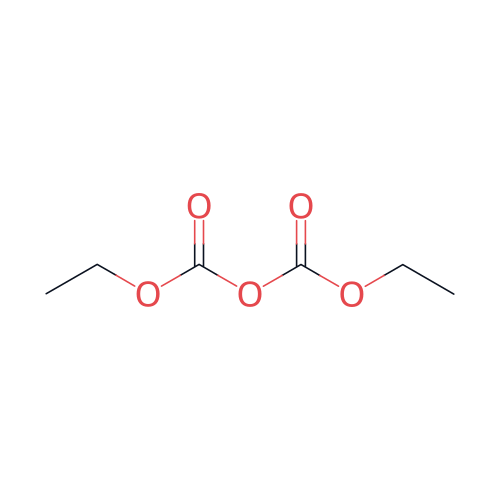


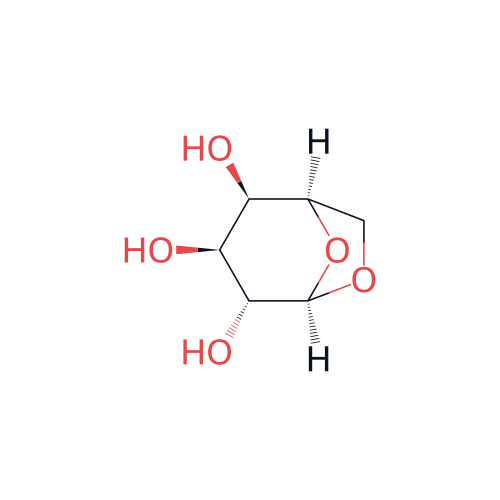


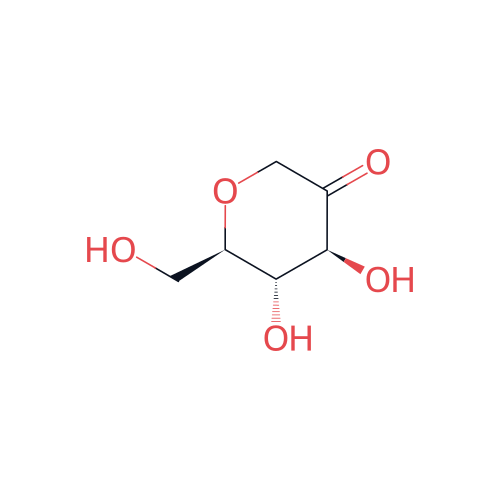
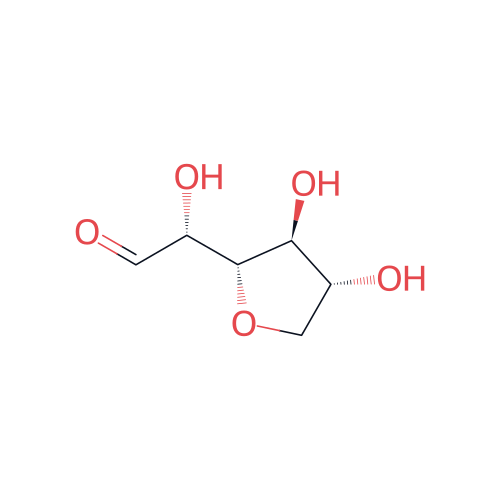

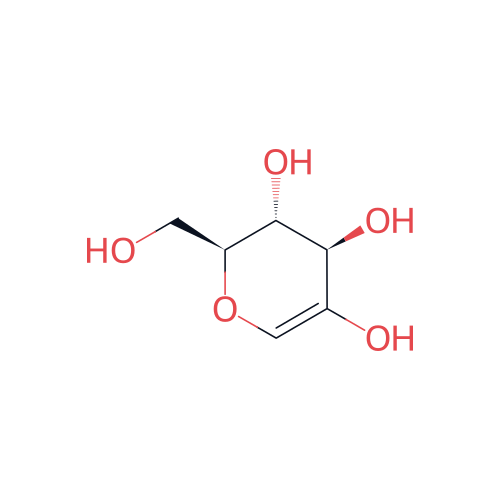


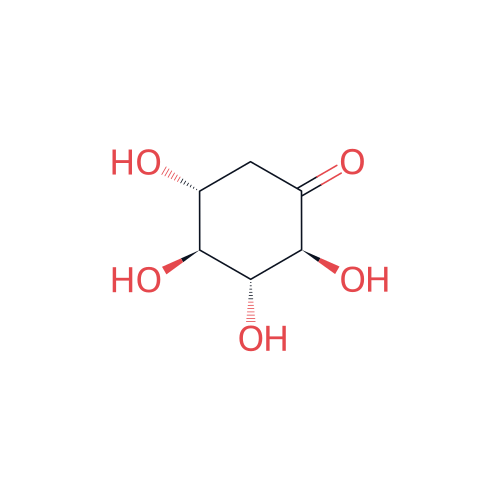
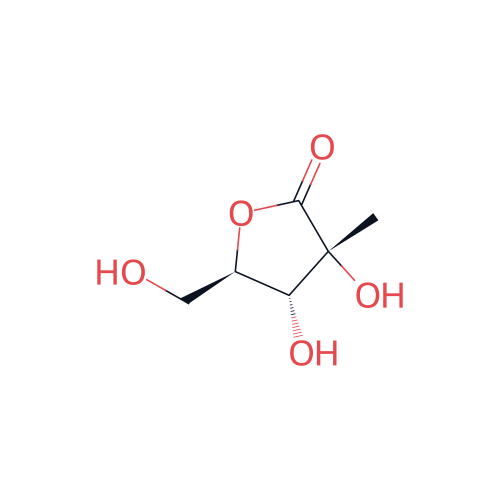
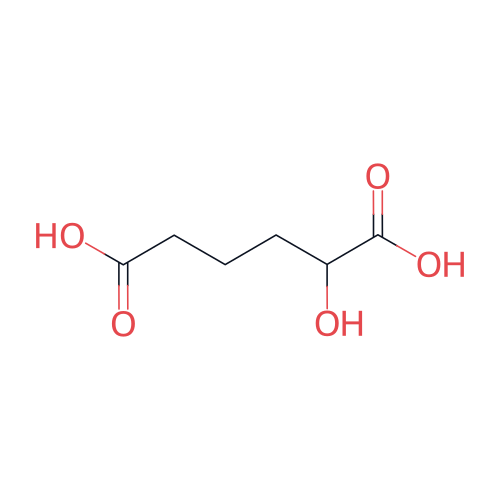


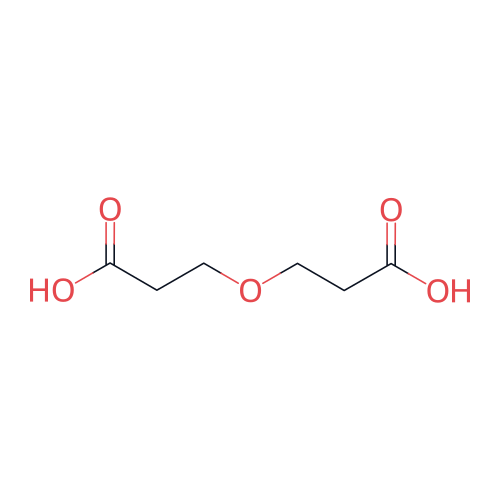
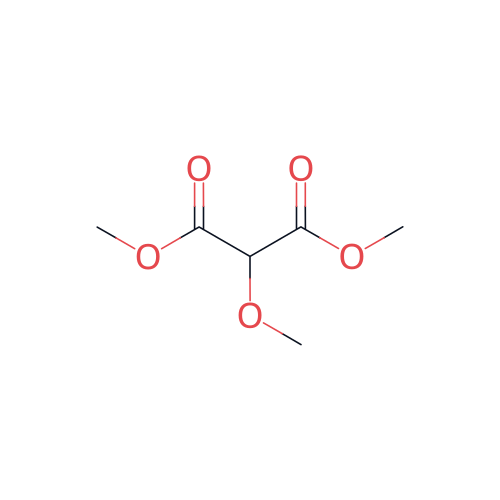

- (5R)-2,5-Dihydroxy-6-(hydroxymethyl)oxan-3-one4134-97-8C6H10O5
- 3-Hydroxyadipic acid14292-29-6C6H10O5
- 2-(1-Carboxyethoxy)propanoic acid19201-34-4C6H10O5
- 2 suppliersEthanol, 2,2'-oxybis-, 1,1'-diformate120570-77-6C6H10O5
- 2,5-Anhydromannose495-75-0C6H10O5
- (2R)-2-Hydroxyhexanedioic acid77252-44-9C6H10O5
- 3,6-Anhydro-D-glucose7625-23-2C6H10O5
- 3-Ethoxy-2-methoxy-3-oxopropanoic acid113137-31-8C6H10O5
- 1,6-Anhydro-beta-D-glucofuranose7425-74-3C6H10O5
- 2-(Methoxymethyl)succinic acid81949-89-5C6H10O5
- rac-(2R,4S,5R)-4,5-Dihydroxyoxane-2-carboxylic acid2741465-53-0C6H10O5
- Lactyl lactate97-73-4C6H10O5
- 2-(Methoxymethyl)-2-methylpropanedioic acid95757-42-9C6H10O5
- 3-Hydroxymethyl-glutaric acid121152-92-9C6H10O5
- L-Rhamnono-1,4-lactone20031-16-7C6H10O5
- Isosaccharino-1,4-lactone7397-89-9C6H10O5
- 1 suppliers6,8-Dioxabicyclo[3.2.1]octane-2,3,4-triol644-76-8C6H10O5
- Lactic acid lactate, L-923-17-1C6H10O5
- 3,6-Anhydro-alpha-L-galactopyranose19479-27-7C6H10O5
- Streptose13008-73-6C6H10O5
- 3,6-Anhydrogalactose, L-28251-55-0C6H10O5
- 1,1'-Dimethyl 2,2'-oxybis(acetate)7040-23-5C6H10O5
- 2S-Hydroxyadipic acid77252-45-0C6H10O5
- (R)-2-Ethylmalic acid873073-25-7C6H10O5
- 4-Ethoxy-2-hydroxy-4-oxobutanoic acid15690-37-6C6H10O5
- (2-Hydroxyethyl) hydrogen succinate21583-38-0C6H10O5
- 2-Hydroxy-2-ethylsuccinic acid1944-62-3C6H10O5
- L-Fucono-1,4-lactone24286-28-0C6H10O5
- 6-Deoxyglucosone54166-09-5C6H10O5
- Rhamnono-1,5-lactone69992-12-7C6H10O5
- Butanedioic acid, 2-hydroxy-, 1-ethyl ester71901-42-3C6H10O5
- 1,6-Anhydro-beta-D-glucopyranose-13C6478518-93-3C6H10O5
- o-Carbethoxylactic acid, DL-5700-72-1C6H10O5
- 2-O,4-Methylene-beta-D-ribofuranose1089666-57-8C6H10O5
- 6-Deoxy-D-mannono-1,4-lactone106293-98-5C6H10O5
- Methanol, 1,1'-oxybis-, 1,1'-diacetate4082-91-1C6H10O5
- 3-Hydroxy-3-methyl-D3-pentanedioic acid59060-36-5C6H10O5
- 1,6-Anhydro-alpha-D-galactopyranoseC6H10O5
- 6-Deoxy-L-galactonolactone24286-61-1C6H10O5
- (2R)-2-[(1R)-1-Carboxyethoxy]propanoic acid14711-85-4C6H10O5
- Propanedioic acid, 2-hydroxy-2-methyl-, 1-ethyl ester889460-07-5C6H10O5
- Propanoic acid, 3-(acetyloxy)-3-hydroxy-, methyl ester846021-40-7C6H10O5
- 1-Deoxy-D-threo-hexo-2,5-diulose57538-80-4C6H10O5
- Methyl 2-[(methoxycarbonyl)oxy]propanoate6288-11-5C6H10O5
- 3,4-Dihydroxy-5-(hydroxymethyl)-3-methyl-tetrahydrofuran-2-one53008-96-1C6H10O5
- 3-Deoxy-d-ribo-hexono-1,4-lactone499-87-6C6H10O5
- Lactic acid lactate, D-1115-79-3C6H10O5
- (2S,2'R)-2,2'-Oxydipropionic acid18609-85-3C6H10O5
- Ascopyrone T150943-97-8C6H10O5
- (2R)-3-Hydroxy-2-[(1R)-1-methoxy-2-oxoethoxy]propanal64952-14-3C6H10O5
- 2-Methoxy-2-oxoethyl lactate144875-08-1C6H10O5
- 2,3-Anhydro-D-allose61176-67-8C6H10O5
- beta-L-Gulopyranose, 1,6-anhydro-67999-95-5C6H10O5
- (1R,2R,3R,4R,5R)-6,8-Dioxabicyclo[3.2.1]octane-2,3,4-triol14274-90-9C6H10O5
- alpha-D-Glucopyranose, 1,2-anhydro-17673-28-8C6H10O5
- 5-(1,2-Dihydroxyethyl)-3-hydroxyoxolan-2-one6936-66-9C6H10O5
- Conduritol A epoxide57090-00-3C6H10O5
- beta-D-Mannofuranose, 1,6-anhydro-31880-33-8C6H10O5
- 2-Ethoxysuccinic acid1726-75-6C6H10O5
- Dimethyl diglycolate-d41107650-54-3C6H10O5
- (5S)-1,5,6-Trihydroxyhexane-2,3-dione64623-59-2C6H10O5
- 1,4-Anhydro-beta-D-glucopyranose24516-44-7C6H10O5
- 5-Hydroperoxy-4,4,5-trimethyldioxolan-3-one42260-61-7C6H10O5
- (3S)-3-Hydroxy-5-methoxy-5-oxopentanoic acid87118-64-7C6H10O5
- (2S,4S,5R)-4,5-Dihydroxyoxane-2-carboxylic acid2309431-21-6C6H10O5
- (2S)-4-Ethoxy-2-hydroxy-4-oxobutanoic Acid225933-67-5C6H10O5
- Hexanedioic acid, 3-hydroxy-, (S)-96426-16-3C6H10O5
- 2-Hydroxyethyl 2-(acetyloxy)acetate1823893-16-8C6H10O5
- 1,2-Anhydro-D-allo-inositol145107-29-5C6H10O5
- 2-Methyl-1,3-dioxolan-2-yl ethaneperoxoate86590-56-9C6H10O5
- 6-Hydroperoxy-6-oxohexanoic acid77155-29-4C6H10O5
- 2-Deoxy D-arabino hexonic acid-delta-lactone91447-00-6C6H10O5
- 3-Hydroxy-2-methylglutaric acid54665-33-7C6H10O5
- 1-Methyl 3-propyl dicarbonate5944-43-4C6H10O5
- 2,3-Dideoxy-2-methylpentaric acid101257-21-0C6H10O5
- (3R)-3-Hydroxyhexanedioic acid694533-31-8C6H10O5
Frequently asked questions
What is the molar mass of C6H10O5?
The molar mass of C6H10O5 is 162.14 g/mol, calculated from standard atomic weights for 6 carbon atoms, 10 hydrogen atoms and 5 oxygen atoms. The monoisotopic mass is 169.0968 Da.
How many compounds have the formula C6H10O5?
CompoundList lists 153 compounds with the molecular formula C6H10O5, including Diethyl pyrocarbonate, Levoglucosan, 3-Hydroxy-3-methylglutaric acid. Compounds that share a formula are isomers. They contain the same atoms arranged differently, so their properties, uses and prices can be very different.
What is the degree of unsaturation of C6H10O5?
C6H10O5 has a degree of unsaturation of 2. That is the total number of rings and pi bonds (a double bond counts as one, a triple bond as two) in any structure with this formula.