Ammonia
Also known as azane, Ammonia gas, Nitro-sil

Key facts
What buyers check first
- Appearance
- Colorless gas
- Melting point
- -77.7 °C
- Boiling point
- -33.4 °C
- Density
- Relative density (water = 1): 0.7 (-33 °C)
- Flash point
- 132 °C
- HS code
- 281410
- Category
- Industrial gases
- UN number
- UN 1005

What is Ammonia?
Plain description, key identifiers and synonyms
Ammonia is an azane that consists of a single nitrogen atom covelently bonded to three hydrogen atoms. It has a role as a NMR chemical shift reference compound, a metabolite, a neurotoxin, a nucleophilic reagent, a mouse metabolite, an EC 3.5.1.4 (amidase) inhibitor and a refrigerant. It is a gas molecular entity, an azane and a mononuclear parent hydride. It is a conjugate base of an ammonium. It is a conjugate acid of an azanide.
Identifiers
Registry numbers, names and line notations, tap to copy
- IUPAC name
- azane
- CAS number
- 7664-41-7 CAS number cross-checkedOther or deprecated CAS: 8007-57-6, 82168-61-4
- EC numbers
- 231-635-3, 913-720-3, 921-643-1
- Molecular formula
- H3N
- UNII
- 5138Q19F1X
- MDL number
- MFCD00011418, MFCD17018871
- INCI name
- AMMONIA
- InChIKey
- QGZKDVFQNNGYKY-UHFFFAOYSA-N
- InChI
- InChI=1S/H3N/h1H3
- SMILES (canonical and isomeric)
- N
Synonyms
- azane
- Ammonia gas
- Nitro-sil
- Ammonia anhydrous
- Ammonia, anhydrous
- Anhydrous ammonia
- Ammoniak
- Liquid Ammonia
- AM-Fol
- ammoniac
- Aqueous ammonia
- Refrigerent R717
- amoniaco
- Ammoniaca
- Amoniak
- R 717 (ammonia)
- Aqua ammonia
- Ammonia inhalant
- Ammonium causticum
- Ammonia (anhydrous)
- Inhalant
- Smelling Salts
- Smelling Salt
- Ammonia Pad
- Ammonia Inhalants
Show all 38 synonymsShow fewer synonyms
- AmmoniaSport RAW
- Ammonia 2%
- VYV Smelling Salts
- WXMX Smelling Salts
- Summit Smelling Salts
- AmmoniaSport SQUEEZE
- Ammonia (29%)
- GO TIME
- ANTYZE Smelling Salts
- Shock-X Ammonia Inhalant
- Bighero SMELLING SALTS
- Gluvelop SMELLING SALTS
- Ammonia 15% Smelling Salts
Physical and chemical properties
Measured values and descriptors computed from the structure
Physical and chemical properties
Measured values, check the supplier specification for your grade
| Appearance | Colorless gasexp.Measured value |
|---|---|
| Odour | Sharp, cloying, repellentexp.Measured value |
| Melting point | -77.7 °Cexp.Measured value |
| Boiling point | -33.4 °Cexp.Measured value |
| Density | Relative density (water = 1): 0.7 (-33 °C)exp.Measured value |
| Flash point | 132 °Cexp.Measured value |
| Autoignition temperature | 651 °Cexp.Measured value |
| Solubility | In water, 4.82 × 10⁺⁵ mg/L at 24 °Cexp.Measured value |
| Vapour pressure | 1 Pa at -139 °C, 10 Pa at -127 °C, 100 Pa at -112 °C, 1 kPa at -94.5 °C (solids), 10 kPa at -71.3 °C, 100 kPa at -33.6 °C (liquid)exp.Measured value |
Values vary by grade. Ask suppliers for the COA or TDS of the batch you buy.
Computed descriptors
Calculated from the structure, useful for screening and formulation
| Molecular weight | 17.03 g/molcalc.Computed value |
|---|---|
| Exact mass | 17.0265 Dacalc.Computed value |
| LogP (octanol/water) | 0.16calc.Computed value |
| Topological polar surface area | 35 Ųcalc.Computed value |
| Hydrogen bond donors | 1calc.Computed value |
| Hydrogen bond acceptors | 1calc.Computed value |
| Rotatable bonds | 0calc.Computed value |
| Heavy atoms | 1calc.Computed value |
| Rings | 0calc.Computed value |
| Aromatic rings | 0calc.Computed value |
| Fraction sp3 carbons | 0calc.Computed value |
| Formal charge | 0calc.Computed value |
| Stereocentres | 0calc.Computed value |
Calculated for screening. Confirm critical figures with the supplier.
Safety and hazards
GHS classification summary, not a safety data sheet
Hazard statements
- H221Flammable gas.
- H314Causes severe skin burns and eye damage.
- H331Toxic if inhaled.
- H400Very toxic to aquatic life.
Precautionary statements (21)
- P210Keep away from heat, hot surfaces, sparks, open flames and other ignition sources. No smoking.
- P260Do not breathe dust, fume, gas, mist, vapours or spray.
- P261Avoid breathing dust, fume, gas, mist, vapours or spray.
- P264Wash skin thoroughly after handling.
- P271Use only outdoors or in a well-ventilated area.
- P273Avoid release to the environment.
- P280Wear protective gloves, protective clothing, eye protection and face protection.
- P301 + P330 + P331If swallowed: Rinse mouth. Do not induce vomiting.
- P302 + P361 + P354If on skin: Take off immediately all contaminated clothing. Immediately rinse with water for several minutes.
- P304 + P340If inhaled: Remove person to fresh air and keep comfortable for breathing.
- P305 + P354 + P338If in eyes: Immediately rinse with water for several minutes. Remove contact lenses, if present and easy to do. Continue rinsing.
- P316Get emergency medical help immediately.
- P321Specific treatment (see supplemental first aid instructions on the label).
- P363Wash contaminated clothing before reuse.
- P377Leaking gas fire: do not extinguish, unless leak can be stopped safely.
- P381In case of leakage, eliminate all ignition sources.
- P391Collect spillage.
- P403Store in a well-ventilated place.
- P403 + P233Store in a well-ventilated place. Keep container tightly closed.
- P405Store locked up.
- P501Dispose of contents and container in accordance with local regulations.
- UN number
- UN 1005
- Transport hazard class
- 2.3
GHS classification summary, not a safety data sheet (SDS). Classifications can differ by supplier, grade and concentration. Always check the supplier's SDS.
Full safety data and first aidAmmonia suppliers
Sponsored listings first, then the documented ranking: membership, verification, replies, completeness, freshness and ratings
- India, Mumbai ManufacturerUnclaimed profileAmmoniaGrade, purity and minimum order on requestPrice on request
- India, MumbaiUnclaimed profileAmmonia GASGrade, purity and minimum order on requestPrice on request
- China, NingboUnclaimed profileAmmoniaGrade, purity and minimum order on requestPrice on request
- United States, Huntington BeachUnclaimed profileAmmoniaGrade, purity and minimum order on requestPrice on request
- Germany, HamburgUnclaimed profileAmmoniaGrade, purity and minimum order on requestPrice on request
- Italy, MilanoUnclaimed profileAmmoniaGrade, purity and minimum order on requestPrice on request
- France, CourbevoieUnclaimed profileAmmonia (anhydrous)Grade, purity and minimum order on requestPrice on request
- Sri Lanka, Colombo ManufacturerUnclaimed profileAnhydrous AmmoniaGrade, purity and minimum order on requestPrice on request
- Singapore, Singapore ManufacturerUnclaimed profileAmmonia GasGrade, purity and minimum order on requestPrice on request
- Price on request
Suppliers marked Unclaimed profile have not claimed their profile yet. They are not verified by CompoundList, their offers are price on request and details may have changed, so please confirm them with the supplier. Company representatives can claim a profile with a business email on the company's own website domain. Our team verifies each claim and sends the result by email.
Where suppliers are based
239 suppliers in 22 countries
- United States164
- China18
- India12
- South Korea10
- Germany5
- France3
- and 16 more countries
Send one request to many suppliers
Choose up to 10 suppliers or let us match your request. Compare quotes side by side, free.
Ammonia price
Indicative price range per kg from live supplier offers
Suppliers quote this chemical on request. Send one free request and compare quotes side by side.
Uses and applications
What the substance is used for, by industry and function
/Ammonia/ is used in the production of ammonium sulfate and ammonium nitrate for fertilizers, and in the manufacture of nitric acid, soda, synthetic urea, synthetic fibers, dyes, and plastics.
Fertilizer, corrosion inhibitor, purification of water supplies, component of household cleaners, as refrigerant. Manufacture of nitric acid, explosives, synthetic fibers. In pulp and paper, metallurgy, rubber, food and beverage, textile and leather industries.
Preharvest cotton defoliant (Former).
For the purposes of this card, ammonia refers to solutions that are 50% ammonia or greater, ammonia anhydrous, and ammonia anhydrous liquified, unless otherwise specified.Ammonia is a toxic gas or liquid that, when concentrated, is corrosive to tissues upon contact. Exposure to ammonia in sufficient quantities can be fatal.
Read more
One of the highest production-volume chemicals in the U.S., concentrated ammonia is used in manufacturing, refrigeration, and agriculture (as a fertilizer). Household ammonia is much less concentrated, it rarely causes burns, but it does cause irritation. The lowest level at which humans can detect the odor of ammonia (odor threshold) generally provides sufficient warning of exposure, however, persons with prolonged exposure to ammonia will lose their ability to detect the odor (olfactory fatigue). Ammonia commonly exists as part of a solution.
Industrial uses: Soil amendments (fertilizers), Ion exchange agent, Catalyst, Stabilizing agent, Refrigerants, Reducing agent, Cleaning agent.
Industries and functions
Cosmetic ingredient, INCI name AMMONIA(buffering, fragrance)
Roles
- Lewis base
- NMR chemical shift reference compound
- aetiopathogenetic role
- animal metabolite
- base
- donor
- enzyme inhibitor
- eukaryotic metabolite
- mammalian metabolite
- metabolite
- mouse metabolite
- neurotoxin
- nucleophilic reagent
- poison
- reagent
- reference compound
- refrigerant
Functional uses
- Cleaning agent
- Deodorizer
- Flavouring and nutrient
- Fragrance
- Preservative
- Processing aids not otherwise specified
- pH regulating agent
Cosmetic functions
- Buffering
- Fragrance
Pharmacology
Ammonia is an inorganic compound composed of a single nitrogen atom covalently bonded to three hydrogen atoms that is an amidase inhibitor and neurotoxin. It is both manufactured and produced naturally from bacterial processes and the breakdown of organic matter. Ammonia is used in many industrial processes, and as a fertilizer and refrigerant. It is characterized as a colorless gas or compressed liquid with a pungent odor and exposure occurs by inhalation, ingestion, or contact.
How it is made
Ammonia is produced as a by-product in coal distillation and by the action of steam on calcium cyanamide, and from the decomposition of nitrogenous materials.
Ammonia is manufactured primarily by a modified Haber reduction process using atmospheric nitrogen and a hydrogen source, for example, methane, ethylene or naphtha, at high temperatures (400 to 6500 °C) and pressures (100 to 900 atm) in the presence of an iron catalyst.
From synthesis gas, a mixture of carbon monoxide, hydrogen, carbon dioxide, and nitrogen (from air) obtained by steam reforming or by partial combustion of natural gas (U.S.). or from the action of steam on hot coke (Haber-Bosch process).
Regulatory status
Inventories, regulations and trade controls that list this substance
Europe
- EU harmonised classification (CLP Annex VI)Index no: 007-001-00-5
Health and food
- EU cosmetic ingredient inventory
- EU Cosmetics Regulation Annex III, restricted in cosmeticsName: AMMONIA, Ref no: 4, Annex ref: III/4
- Active ingredient in FDA approved drug labels
United States
- TSCA inventory (USA)Status: Active in US commerce
HS code and trade data
Customs classification and reported world trade statistics
Global trade
World import and export statistics for the HS code Ammonia is traded under.
Anhydrous ammonia
- Saudi Arabia15.5%
- Trinidad and Tobago * partner reported14.7%
- Canada13.3%
- Morocco24.2%
- United States16.6%
- South Korea6.7%
* Partner reported figures, a lower bound.
The HS code shown for Ammonia is indicative (it was assigned by structure rules). Confirm the classification with your customs broker before shipping.
Related chemicals
Parent and salt forms, stereoisomers, similar structures and isomers
Stereoisomers and isotopic forms
Same connectivity, different stereochemistry or isotopes (same InChIKey skeleton)


Similar structures
Nearest neighbours by Morgan fingerprint Tanimoto similarity
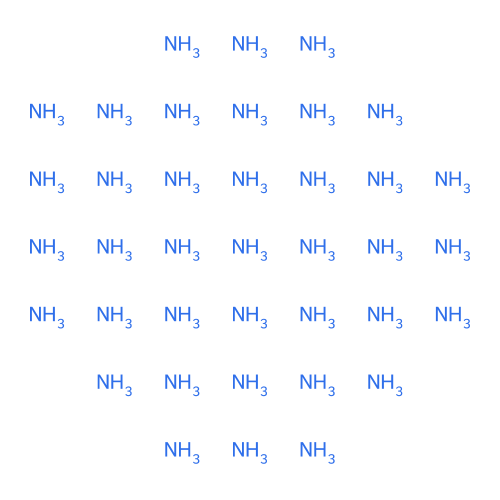
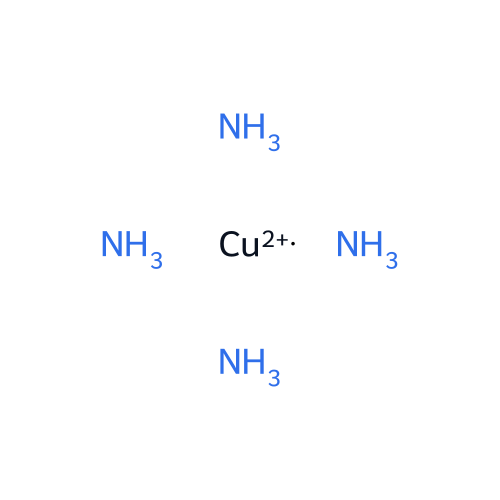
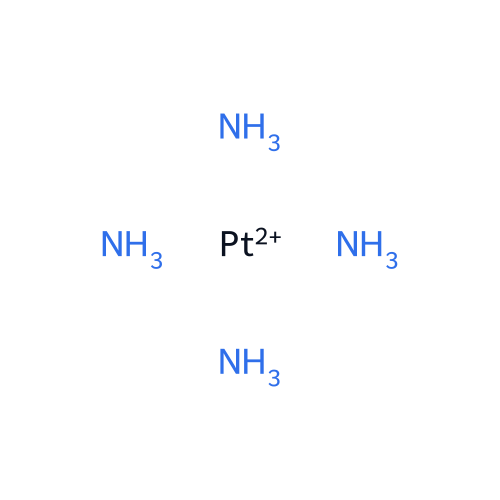

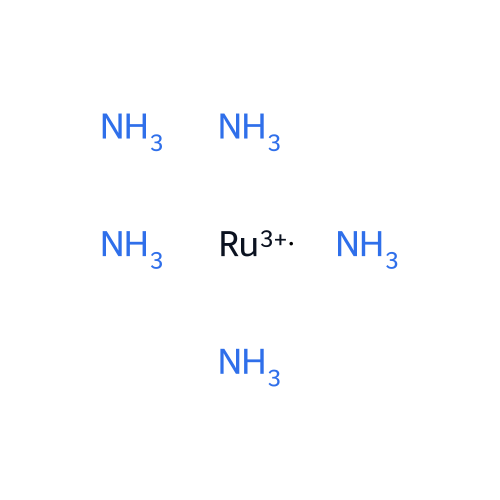
Frequently asked questions
Quick answers about Ammonia, based on the data on this page
What is Ammonia?
What is the CAS number of Ammonia?
What is the molecular formula and weight of Ammonia?
What is Ammonia used for?
Is Ammonia hazardous?
What is the HS code of Ammonia?
Where can I buy Ammonia?
Where can I buy Ammonia in India?
What is the price of Ammonia?
Guides for buyers
Practical guides that help when you source, ship or handle Ammonia
- Guide, SafetyHow to read a safety data sheet in 10 minutesA section by section method to pull the essentials out of any 16 section SDS: identity, hazards, composition, storage, PPE, properties, transport and emergency measures.Read
- Guide, Trade and logisticsShipping dangerous goods: UN numbers, classes and packing groupsHow the UN dangerous goods system works for chemicals, from the nine classes and UN numbers to packing groups, UN packaging marks, labels, documents and segregation.Read
- Guide, SafetyGHS pictograms, signal words and hazard statements explainedA practical guide to the nine GHS pictograms, the signal words Danger and Warning, H and P statements, and how to read a chemical label in seconds.Read
Get quotes for Ammonia
Embed this structure on your websiteShow code
Paste this code into your page to show the 2D structure of Ammonia with a 3D view, its CAS number where known and a link back to this page. Free to use with the link kept.
<iframe src="https://www.compoundlist.com/embed/structure/ammonia-7664-41-7" title="Ammonia structure on CompoundList" width="360" height="420" style="border:1px solid #E7E2DA;border-radius:12px;max-width:100%" loading="lazy" referrerpolicy="strict-origin-when-cross-origin"></iframe>Explore more in Industrial gases or HS code 281410