L-Glutamic acid
Also known as Glutamic acid, (2S)-2-Aminopentanedioic acid, L-glutamate

Key facts
What buyers check first
- Appearance
- Orthorhombic plates from dilute alcohol
- Melting point
- 213 °C
- Boiling point
- 175 °C
- Density
- 1.538 g/cm³ at 20 °C
- Solubility
- In water, 8570 mg/L at 25 °C
- HS code
- 292242
- Category
- Amino acids and derivatives
What is L-Glutamic acid?
Plain description, key identifiers and synonyms
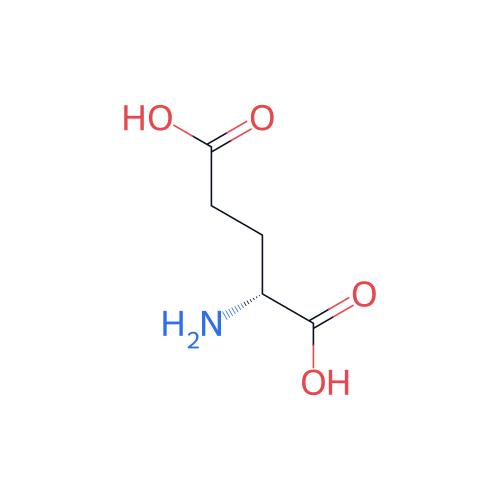
L-glutamic acid is an optically active form of glutamic acid having L-configuration. It has a role as a ferroptosis inducer, a neurotransmitter, a micronutrient, a nutraceutical, a mouse metabolite and an Escherichia coli metabolite. It is a L-alpha-amino acid, a glutamic acid, a glutamine family amino acid and a proteinogenic amino acid. It is a conjugate acid of a L-glutamate(1-). It is an enantiomer of a D-glutamic acid.
Identifiers
Registry numbers, names and line notations, tap to copy
- IUPAC name
- (2S)-2-aminopentanedioic acid
- CAS number
- 56-86-0 CAS number cross-checkedOther or deprecated CAS: 617-65-2, 6899-05-4
- EC number
- 200-293-7
- Molecular formula
- C5H9NO4
- UNII
- 3KX376GY7L
- MDL number
- MFCD00002634
- INCI name
- GLUTAMIC ACID
- InChIKey
- WHUUTDBJXJRKMK-VKHMYHEASA-N
- InChI
- InChI=1S/C5H9NO4/c6-3(5(9)10)1-2-4(7)8/h3H,1-2,6H2,(H,7,8)(H,9,10)/t3-/m0/s1
- Canonical SMILES
- NC(CCC(=O)O)C(=O)O
- Isomeric SMILES
- C(CC(=O)O)[C@@H](C(=O)O)N
Synonyms
- Glutamic acid
- (2S)-2-Aminopentanedioic acid
- L-glutamate
- (S)-2-Aminopentanedioic acid
- Glutamidex
- Glutaton
- L-Glutaminic acid
- Aciglut
- Glutaminol
- glutacid
- Glutamicol
- (S)-Glutamic acid
- glutaminic acid
- L-glu
- L-(+)-glutamic acid
- Glutamic acid, L-
- Acido glutamico
- Acide glutamique
- alpha-aminoglutaric acid
- Acidum glutamicum
- (S)-(+)-Glutamic acid
- L-alpha-Aminoglutaric acid
- Acidum glutaminicum
- glut
- L-2-Aminoglutaric acid
Show all 38 synonymsShow fewer synonyms
- 1-Aminopropane-1,3-dicarboxylic acid
- alpha-Glutamic acid
- 2-Aminoglutaric acid
- aminoglutaric acid
- L-2-amino-pentanedioic acid
- INS NO.620
- 1-amino-propane-1,3-dicarboxylic acid
- l glutamic acid
- Glutamate, L
- Glutamic acid, L
- L-Glutamate, Aluminum
- Stemega anti hair loss gel
- (2S)-2-azaniumyl-5-hydroxy-5-oxopentanoate
Physical and chemical properties
Measured values and descriptors computed from the structure
Physical and chemical properties
Measured values, check the supplier specification for your grade
| Appearance | Orthorhombic plates from dilute alcoholexp.Measured value |
|---|---|
| Odour | Odorlessexp.Measured value |
| Taste | Umami sour tasteexp.Measured value |
| Melting point | 213 °Cexp.Measured value |
| Boiling point | 175 °Cexp.Measured value |
| Density | 1.538 g/cm³ at 20 °Cexp.Measured value |
| Solubility | In water, 8570 mg/L at 25 °Cexp.Measured value |
| Vapour pressure | 1.7 × 10⁻⁸ mm Hg at 25 °C /Extrapolated from liquid-phase temperatures to a solid at 25 °C/exp.Measured value |
Values vary by grade. Ask suppliers for the COA or TDS of the batch you buy.
Computed descriptors
Calculated from the structure, useful for screening and formulation
| Molecular weight | 147.13 g/molcalc.Computed value |
|---|---|
| Exact mass | 147.0532 Dacalc.Computed value |
| LogP (octanol/water) | -0.74calc.Computed value |
| Topological polar surface area | 100.6 Ųcalc.Computed value |
| Hydrogen bond donors | 3calc.Computed value |
| Hydrogen bond acceptors | 3calc.Computed value |
| Rotatable bonds | 4calc.Computed value |
| Heavy atoms | 10calc.Computed value |
| Rings | 0calc.Computed value |
| Aromatic rings | 0calc.Computed value |
| Fraction sp3 carbons | 0.6calc.Computed value |
| Formal charge | 0calc.Computed value |
| Stereocentres | 1calc.Computed value |
| Lipinski rule of five | Passes (0 violations)calc.Computed value |
Calculated for screening. Confirm critical figures with the supplier.
Safety and hazards
GHS classification summary, not a safety data sheet
Hazard statements
- H314Causes severe skin burns and eye damage.
- H318Causes serious eye damage.
Precautionary statements (14)
- P260Do not breathe dust, fume, gas, mist, vapours or spray.
- P264Wash skin thoroughly after handling.
- P264 + P265Wash skin thoroughly after handling. Do not touch eyes.
- P280Wear protective gloves, protective clothing, eye protection and face protection.
- P301 + P330 + P331If swallowed: Rinse mouth. Do not induce vomiting.
- P302 + P361 + P354If on skin: Take off immediately all contaminated clothing. Immediately rinse with water for several minutes.
- P304 + P340If inhaled: Remove person to fresh air and keep comfortable for breathing.
- P305 + P354 + P338If in eyes: Immediately rinse with water for several minutes. Remove contact lenses, if present and easy to do. Continue rinsing.
- P316Get emergency medical help immediately.
- P317Get medical help.
- P321Specific treatment (see supplemental first aid instructions on the label).
- P363Wash contaminated clothing before reuse.
- P405Store locked up.
- P501Dispose of contents and container in accordance with local regulations.
GHS classification summary, not a safety data sheet (SDS). Classifications can differ by supplier, grade and concentration. Always check the supplier's SDS.
Full safety data and first aidL-Glutamic acid suppliers
Sponsored listings first, then the documented ranking: membership, verification, replies, completeness, freshness and ratings
- China, WuhanUnclaimed profileL-Glutamic AcidGrade, purity and minimum order on requestPrice on request
- France, CourbevoieUnclaimed profileL-Glutamic AcidGrade, purity and minimum order on requestPrice on request
- Netherlands, HilversumUnclaimed profileGlutamic AcidGrade, purity and minimum order on requestPrice on request
- Belgium, AartselaarUnclaimed profileL-Glutamic AcidGrade, purity and minimum order on requestPrice on request
- ChinaUnclaimed profileL-Glutamic AcidGrade, purity and minimum order on requestPrice on request
- ChinaUnclaimed profileL-Glutamic AcidGrade, purity and minimum order on requestPrice on request
- China ManufacturerUnclaimed profileL-Glutamic AcidGrade, purity and minimum order on requestPrice on request
- China, NingboUnclaimed profileL-Glutamic AcidGrade, purity and minimum order on requestPrice on request
- United StatesUnclaimed profileL-Glutamic AcidGrade, purity and minimum order on requestPrice on request
- China, BeijingUnclaimed profileL-Glutamic AcidGrade, purity and minimum order on requestPrice on request
Suppliers marked Unclaimed profile have not claimed their profile yet. They are not verified by CompoundList, their offers are price on request and details may have changed, so please confirm them with the supplier. Company representatives can claim a profile with a business email on the company's own website domain. Our team verifies each claim and sends the result by email.
Where suppliers are based
217 suppliers in 26 countries
- China79
- United States42
- India24
- Canada11
- Germany10
- United Kingdom7
- and 20 more countries
Send one request to many suppliers
Choose up to 10 suppliers or let us match your request. Compare quotes side by side, free.
L-Glutamic acid price
Indicative price range per kg from live supplier offers
Suppliers quote this chemical on request. Send one free request and compare quotes side by side.
Uses and applications
What the substance is used for, by industry and function
Gastric medicines, infusion solutions/diagnostic aids, raw material (peptide drugs).
Nutritional supplement. Hydrochloride as gastric acidifier.
Veterinary medication:.
Use classes: Food additives, Cosmetics.
Industries and functions
Cosmetic ingredient, INCI name GLUTAMIC ACID(antistatic, hair conditioning, humectant)
Roles
- Escherichia coli metabolite
- animal metabolite
- bacterial metabolite
- eukaryotic metabolite
- ferroptosis inducer
- food component
- mammalian metabolite
- metabolite
- micronutrient
- molecular messenger
- mouse metabolite
- neurotransmitter
- nutraceutical
- nutrient
- pharmaceutical
- physiological role
- prokaryotic metabolite
Functional uses
- Anti-static agent
- Flavouring and nutrient
- Humectant
- Softener and conditioner
- pH regulating agent
Cosmetic functions
- Antistatic
- Hair conditioning
- Humectant
Pharmacology
Glutamic Acid is a non-essential alpha-amino acid and excitatory neurotransmitter. Glutamic acid can serve as a precursor for the synthesis of the inhibitory neurotransmitter gamma-aminobutyric acid (GABA).
How it is made
By hydrolysis of gluten (wheat, corn or other vegetable sources), by fermentation from glucose-containing raw materials, the racemic acid may be resolved into the d- and l-isomer by fractional crystallization, from 2-cyclopentenylamine, by microbial conversion of alpha-ketoglutaric acid, or by an alternative method, using Bacillus megatherium-cereus, from fumaric acid, using Bacillus pumilus, from starch.
The first industrial production process was an extraction method in which vegetable proteins were treated with hydrochloric acid to disrupt peptide bonds.
Read more
L-Glutamic acid hydrochloride was then isolated from this material and purified as MSG. Initial production of MSG was limited because of the technical drawbacks of this method. Better methods did not emerge until the 1950s. One of these was direct chemical synthesis, which was used from 1962 to 1973. In this procedure, acrylonitrile was the starting material, and optical resolution of DL-glutamic acid was achieved by preferential crystallization. In 1956 a direct fermentation method to produce glutamate was introduced. The advantages of the fermentation method (eg, reduction of production costs and environmental load) were large enough to cause all glutamate manufacturers to shift to fermentation. Today, total world production of MSG by fermentation is estimated to be 2 million tons/y (2 billion kg/y). However, future production growth will likely require further innovation.
Regulatory status
Inventories, regulations and trade controls that list this substance
Health and food
- EU cosmetic ingredient inventory
- Active ingredient in FDA approved drug labels
- Food additive
United States
- TSCA inventory (USA)Status: Active in US commerce
HS code and trade data
Customs classification and reported world trade statistics
Global trade
World import and export statistics for the HS code L-Glutamic acid is traded under.
Glutamic acid and its salts
* Partner reported figures, a lower bound.
The HS code shown for L-Glutamic acid is indicative (it was matched by name in the HS nomenclature). Confirm the classification with your customs broker before shipping.
Related chemicals
Parent and salt forms, stereoisomers, similar structures and isomers
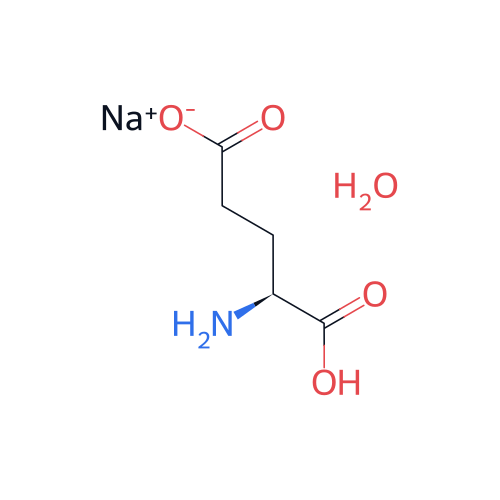
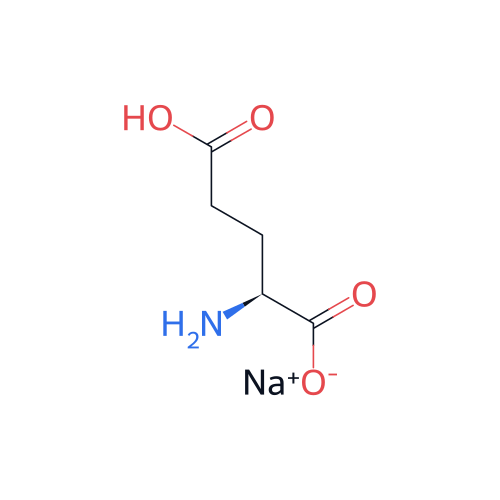
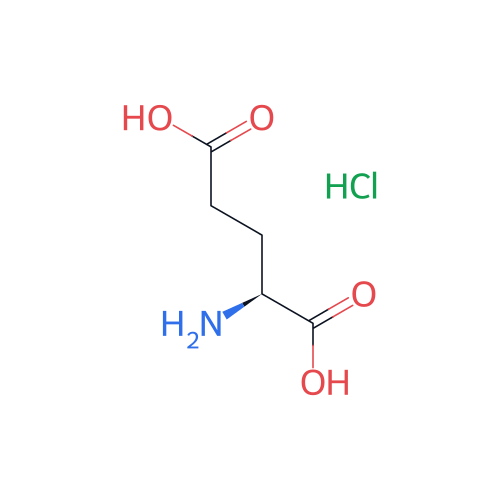
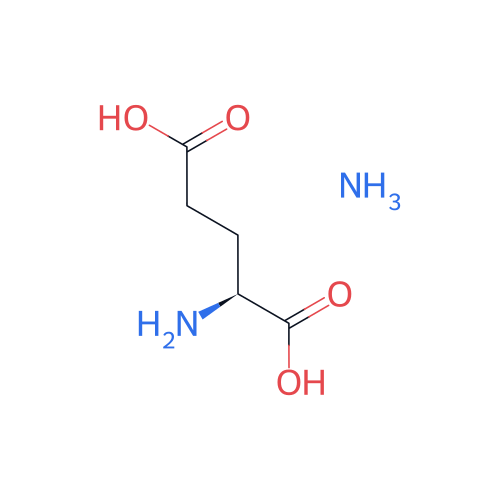
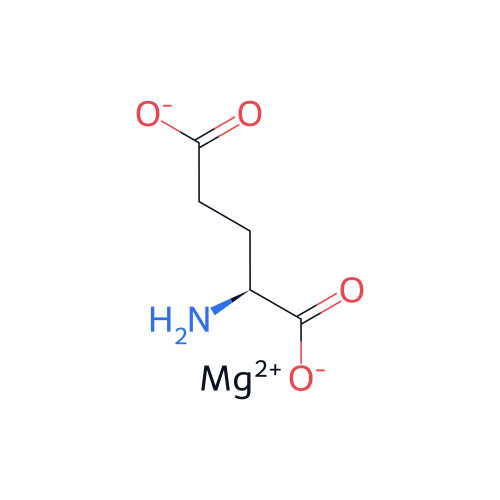
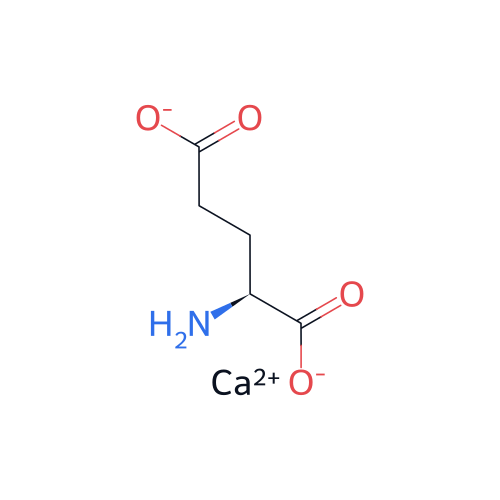
Salt and hydrate forms
Records that share this compound as their parent






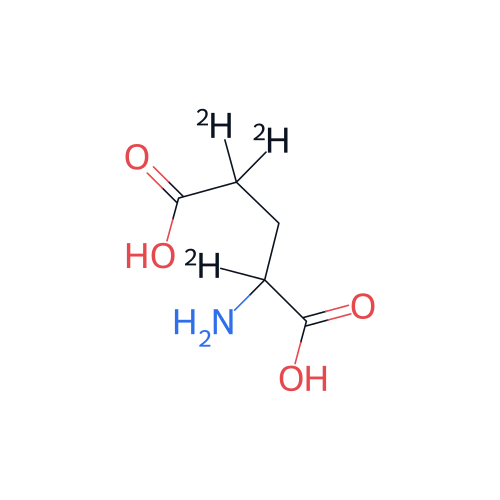
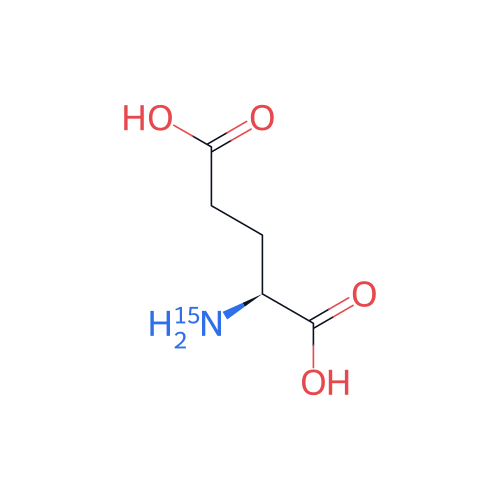
Stereoisomers and isotopic forms
Same connectivity, different stereochemistry or isotopes (same InChIKey skeleton)
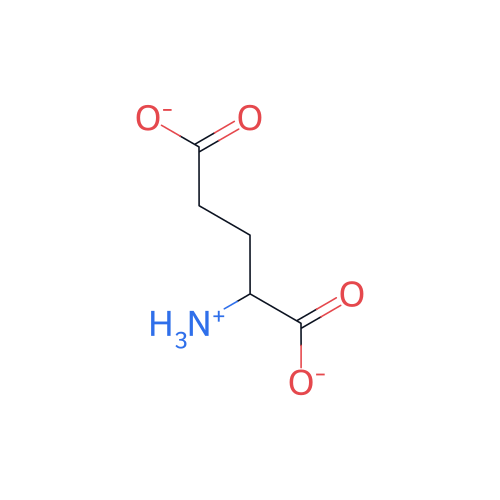
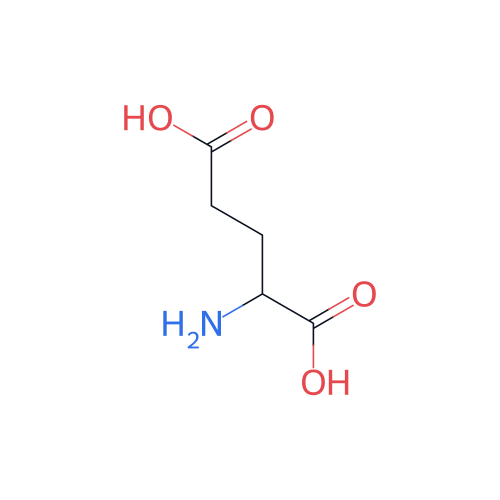


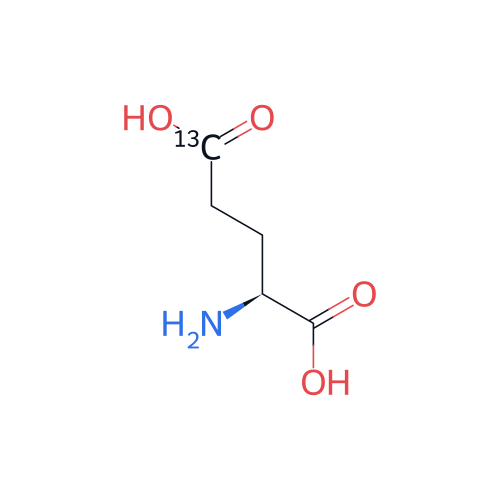
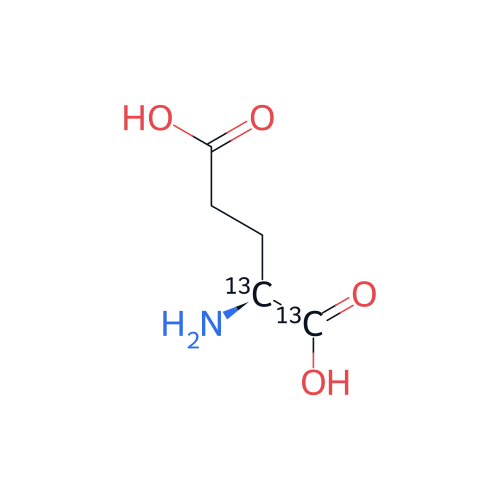

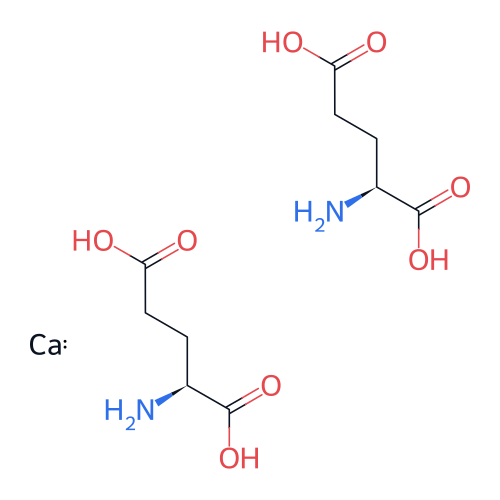
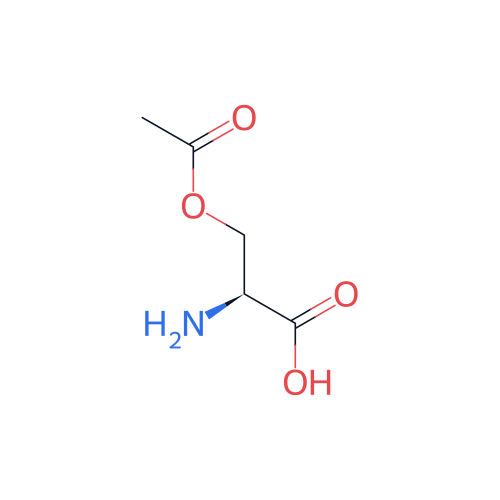
Similar structures
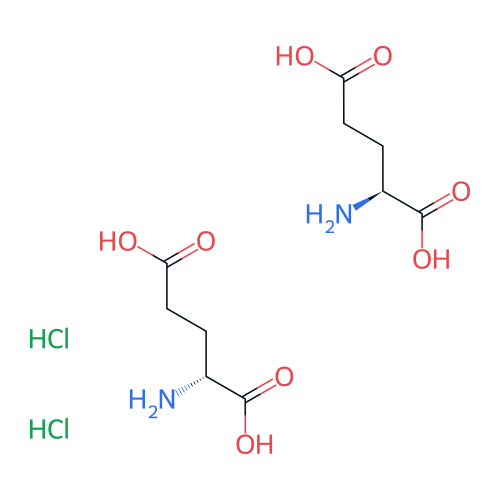
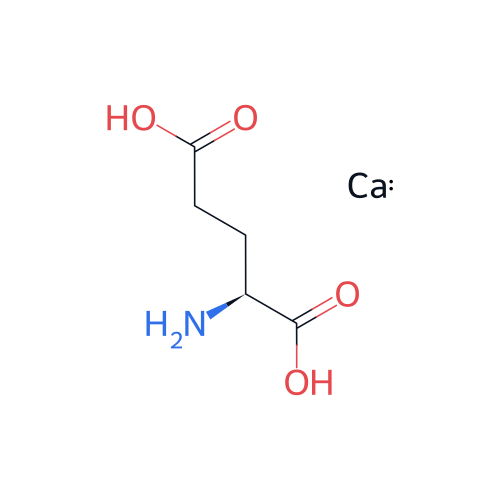
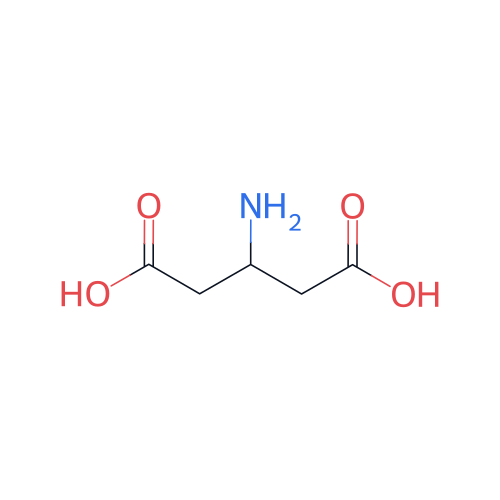
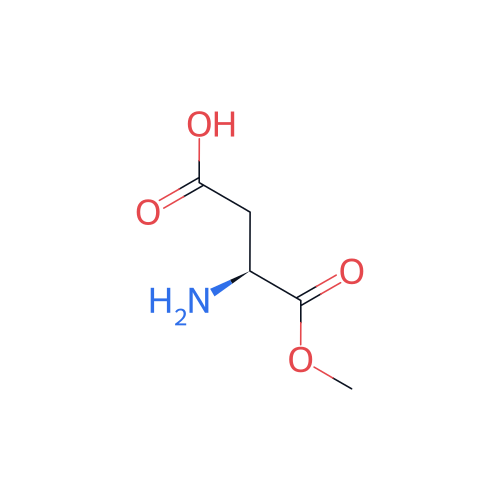
Nearest neighbours by Morgan fingerprint Tanimoto similarity


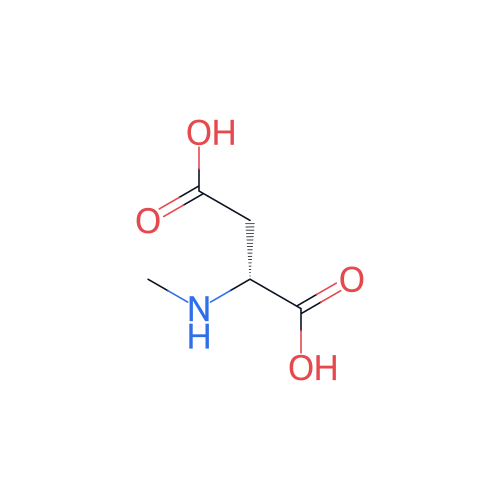
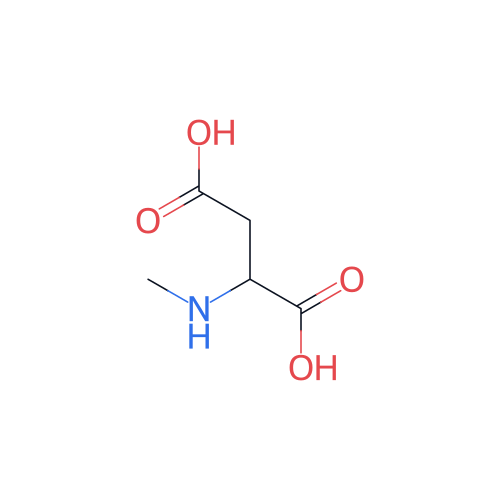
Same formula isomers
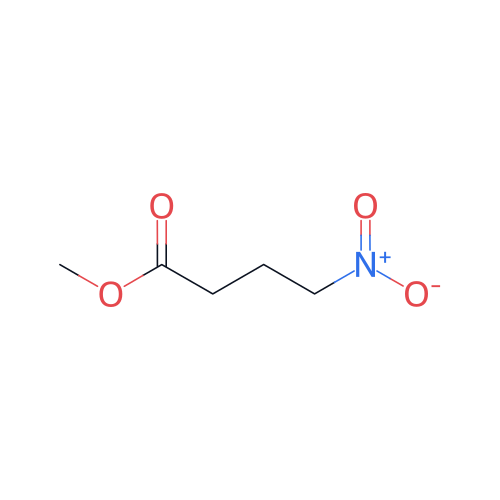
Different compounds that share this molecular formula





Frequently asked questions
Quick answers about L-Glutamic acid, based on the data on this page
What is L-Glutamic acid?
What is the CAS number of L-Glutamic acid?
What is the molecular formula and weight of L-Glutamic acid?
What is L-Glutamic acid used for?
Is L-Glutamic acid hazardous?
What is the HS code of L-Glutamic acid?
Where can I buy L-Glutamic acid?
Where can I buy L-Glutamic acid in India?
What is the price of L-Glutamic acid?
Guides for buyers
Practical guides that help when you source, ship or handle L-Glutamic acid
- Guide, SafetyHow to read a safety data sheet in 10 minutesA section by section method to pull the essentials out of any 16 section SDS: identity, hazards, composition, storage, PPE, properties, transport and emergency measures.Read
- Guide, SafetyGHS pictograms, signal words and hazard statements explainedA practical guide to the nine GHS pictograms, the signal words Danger and Warning, H and P statements, and how to read a chemical label in seconds.Read
- Article, QualityPharma grades explained: IP vs BP vs USP vs EPWhat the Indian, British, US and European pharmacopoeias are, how their monographs differ, what multi grade claims mean and why a grade alone does not make a product fit for medicines.Read
Get quotes for L-Glutamic acid
Embed this structure on your websiteShow code
Paste this code into your page to show the 2D structure of L-Glutamic acid with a 3D view, its CAS number where known and a link back to this page. Free to use with the link kept.
<iframe src="https://www.compoundlist.com/embed/structure/l-glutamic-acid-56-86-0" title="L-Glutamic acid structure on CompoundList" width="360" height="420" style="border:1px solid #E7E2DA;border-radius:12px;max-width:100%" loading="lazy" referrerpolicy="strict-origin-when-cross-origin"></iframe>Explore more in Amino acids and derivatives or HS code 292242