Benzene
Also known as benzol, Cyclohexatriene, benzole

Key facts
What buyers check first

What is Benzene?
Plain description, key identifiers and synonyms
Benzene is a six-carbon aromatic annulene in which each carbon atom donates one of its two 2p electrons into a delocalised system. A toxic, flammable liquid byproduct of coal distillation, it is used as an industrial solvent. Benzene is a carcinogen that also damages bone marrow and the central nervous system. It has a role as a non-polar solvent, a carcinogenic agent and an environmental contaminant. It is a volatile organic compound, a member of benzenes and an aromatic annulene.
Benzene is a hydrocarbon compound consisting of a 6-sided ring.
Identifiers
Registry numbers, names and line notations, tap to copy
- IUPAC name
- benzene
- CAS number
- 71-43-2 CAS number cross-checkedOther or deprecated CAS: 25053-22-9, 26181-88-4, 54682-86-9, 62485-97-6
- EC number
- 200-753-7
- Molecular formula
- C6H6
- UNII
- J64922108F
- MDL number
- MFCD00003009
- InChIKey
- UHOVQNZJYSORNB-UHFFFAOYSA-N
- InChI
- InChI=1S/C6H6/c1-2-4-6-5-3-1/h1-6H
- SMILES (canonical and isomeric)
- C1=CC=CC=C1
Synonyms
- benzol
- Cyclohexatriene
- benzole
- Pyrobenzole
- Benzine
- Coal naphtha
- Pyrobenzol
- Benzen
- Phene
- Phenyl hydride
- Mineral naphtha
- Benzolene
- Bicarburet of hydrogen
- Motor benzol
- Benzeen
- Benzolo
- Fenzen
- (6)Annulene
- [6]Annulene
- Nitration benzene
- Benzol 90
- 1,3,5-cyclohexatriene
- Benzine (Obs.)
- Rcra waste number U019
- Benzin (Obs.)
Show all 34 synonymsShow fewer synonyms
- Benzinum
- Headache insomnia
- Benzin
- UN 1114
- phenylmanganese iodide
- BNZ
- Benzene 100 microg/mL in Methanol
- Benzene, ACS reagent, >=99.0%
- Benzene, pure
Physical and chemical properties
Measured values and descriptors computed from the structure
Physical and chemical properties
Measured values, check the supplier specification for your grade
| Appearance | Clear, colorless liquidexp.Measured value |
|---|---|
| Odour | Aromatic odorexp.Measured value |
| Taste | Taste threshold in water is 0.5-4.5 mg/l.exp.Measured value |
| Melting point | 5.6 °Cexp.Measured value |
| Boiling point | 80.1 °Cexp.Measured value |
| Density | 0.8756 g/cm³ at 20 °Cexp.Measured value |
| Flash point | -11 °Cexp.Measured value |
| Autoignition temperature | 498 °Cexp.Measured value |
| Solubility | In water, 1.79 × 10⁺³ mg/L at 25 °Cexp.Measured value |
| Vapour pressure | 94.8 mm Hg at 25 °Cexp.Measured value |
Values vary by grade. Ask suppliers for the COA or TDS of the batch you buy.
Computed descriptors
Calculated from the structure, useful for screening and formulation
| Molecular weight | 78.11 g/molcalc.Computed value |
|---|---|
| Exact mass | 78.047 Dacalc.Computed value |
| LogP (octanol/water) | 1.69calc.Computed value |
| Topological polar surface area | 0 Ųcalc.Computed value |
| Hydrogen bond donors | 0calc.Computed value |
| Hydrogen bond acceptors | 0calc.Computed value |
| Rotatable bonds | 0calc.Computed value |
| Heavy atoms | 6calc.Computed value |
| Rings | 1calc.Computed value |
| Aromatic rings | 1calc.Computed value |
| Fraction sp3 carbons | 0calc.Computed value |
| Formal charge | 0calc.Computed value |
| Stereocentres | 0calc.Computed value |
| Lipinski rule of five | Passes (0 violations)calc.Computed value |
Calculated for screening. Confirm critical figures with the supplier.
Murcko scaffold
The ring system that remains when every side chain is removed

c1ccccc1
1 ring, 6 atoms. This chemical is the scaffold itself.
485,677 other chemicals share this scaffoldSafety and hazards
GHS classification summary, not a safety data sheet
Hazard statements
- H225Highly flammable liquid and vapour.
- H304May be fatal if swallowed and enters airways.
- H315Causes skin irritation.
- H319Causes serious eye irritation.
- H340May cause genetic defects.
- H350May cause cancer.
- H372Causes damage to organs through prolonged or repeated exposure.
Precautionary statements (27)
- P203Obtain, read and follow all safety instructions before use.
- P210Keep away from heat, hot surfaces, sparks, open flames and other ignition sources. No smoking.
- P233Keep container tightly closed.
- P240Ground and bond container and receiving equipment.
- P241Use explosion-proof electrical, ventilating and lighting equipment.
- P242Use non-sparking tools.
- P243Take action to prevent static discharges.
- P260Do not breathe dust, fume, gas, mist, vapours or spray.
- P264Wash skin thoroughly after handling.
- P264 + P265Wash skin thoroughly after handling. Do not touch eyes.
- P270Do not eat, drink or smoke when using this product.
- P280Wear protective gloves, protective clothing, eye protection and face protection.
- P301 + P316If swallowed: Get emergency medical help immediately.
- P302 + P352If on skin: Wash with plenty of water.
- P303 + P361 + P353If on skin (or hair): Take off immediately all contaminated clothing. Rinse skin with water or shower.
- P305 + P351 + P338If in eyes: Rinse cautiously with water for several minutes. Remove contact lenses, if present and easy to do. Continue rinsing.
- P318If exposed or concerned, get medical advice.
- P319Get medical help if you feel unwell.
- P321Specific treatment (see supplemental first aid instructions on the label).
- P331Do not induce vomiting.
- P332 + P317If skin irritation occurs: Get medical help.
- P337 + P317If eye irritation persists: Get medical help.
- P362 + P364Take off contaminated clothing. And wash it before reuse.
- P370 + P378In case of fire: Use appropriate media to extinguish.
- P403 + P235Store in a well-ventilated place. Keep cool.
- P405Store locked up.
- P501Dispose of contents and container in accordance with local regulations.
- UN number
- UN 1114
- Transport hazard class
- 3
- Packing group
- II
GHS classification summary, not a safety data sheet (SDS). Classifications can differ by supplier, grade and concentration. Always check the supplier's SDS.
Full safety data and first aidBenzene suppliers
Sponsored listings first, then the documented ranking: membership, verification, replies, completeness, freshness and ratings
- India, Mumbai ManufacturerUnclaimed profileBenzeneGrade, purity and minimum order on requestPrice on request
- China, ShanghaiUnclaimed profileBenzeneGrade, purity and minimum order on requestPrice on request
- China, Jiaozhou ManufacturerUnclaimed profileBenzeneGrade, purity and minimum order on requestPrice on request
- China, NingboUnclaimed profileBenzeneGrade, purity and minimum order on requestPrice on request
- Belgium, AntwerpenUnclaimed profileBenzeneGrade, purity and minimum order on requestPrice on request
- Kuwait, Safat ManufacturerUnclaimed profileBenzeneGrade, purity and minimum order on requestPrice on request
- Price on request
- Price on request
- India, Panchkula ManufacturerUnclaimed profileBenzeneGrade, purity and minimum order on requestPrice on request
- Price on request
Suppliers marked Unclaimed profile have not claimed their profile yet. They are not verified by CompoundList, their offers are price on request and details may have changed, so please confirm them with the supplier. Company representatives can claim a profile with a business email on the company's own website domain. Our team verifies each claim and sends the result by email.
Where suppliers are based
398 suppliers in 43 countries
- United States146
- India81
- China57
- Germany9
- Japan9
- United Kingdom7
- and 37 more countries
Send one request to many suppliers
Choose up to 10 suppliers or let us match your request. Compare quotes side by side, free.
Benzene price
Indicative price range per kg from live supplier offers
Suppliers quote this chemical on request. Send one free request and compare quotes side by side.
Uses and applications
What the substance is used for, by industry and function
Manufacture of industrial chemicals such as polymers, detergents, pesticides pharmaceuticals, dyes, plastics, resins. Organic solvent for waxes, resins, oils, natural rubber, etc. Reference for quantitating compounds. Gasoline additive.
Used for printing and lithography, paint, rubber, dry cleaning, adhesives and coatings, detergents.
Extraction and rectification, preparation and use of inks in the graphic arts industries, as a thinner for paints, as a degreasing agent.
Benzene is used to make chemicals used in the manufacture of industrial products such as dyes, detergents, explosives, pesticides, synthetic rubber, plastics, and pharmaceuticals. Benzene is found in gasoline and trace amounts are found in cigarette smoke. Benzene has been banned as an ingredient in products intended for use in the home, including toys. Benzene has a sweet, aromatic, gasoline-like odor.
Read more
Most individuals can begin to smell benzene in air at 1.5 to 4.7 ppm. The odor threshold generally provides adequate warning for acutely hazardous exposure concentrations but is inadequate for more chronic exposures.
Industrial uses: Binder, Other, Solvent, pH regulating agent, Fuel, Heat transferring agent, Fuel agents, Surfactant (surface active agent).
Consumer uses: Intermediate, Etching agent, Plasticizer, Soil amendments (fertilizers), Catalyst, Fuel, Fuel agents.
Use classes: Hydrocarbons, Volatile organic compounds, Solvents.
Industries and functions
Roles
- aetiopathogenetic role
- carcinogenic agent
- environmental contaminant
- non-polar solvent
- solvent
Functional uses
- Fragrance
- Propellants, non-motive (blowing agents)
Pharmacology
Benzene is a clear, colorless, highly flammable and volatile, liquid aromatic hydrocarbon with a gasoline-like odor. Benzene is found in crude oils and as a by-product of oil-refining processes. In industry benzene is used as a solvent, as a chemical intermediate, and is used in the synthesis of numerous chemicals. Exposure to this substance causes neurological symptoms and affects the bone marrow causing aplastic anemia, excessive bleeding and damage to the immune system. Benzene is a known human carcinogen and is linked to an increased risk of developing lymphatic and hematopoietic cancers, acute myelogenous leukemia, as well as chronic lymphocytic leukemia. (NCI05)
How it is made
Worldwide, ~30% of commercial benzene is produced by catalytic reforming, a process in which aromatic molecules are produced from the dehydrogenation of cycloparaffins, dehydroisomerization of alkyl cyclopentanes, and the cyclization and subsequent dehydrogenation of paraffins. The feed to the catalytic reformer may be a straight-run, hydrocracked, or thermally cracked naphtha fraction in the C6 to 200 °C range. If benzene is the main product desired, a narrow naphtha cut of 71-104 °C is fed to the reformer.
Read more
The reforming catalyst most frequently consists of platinum-rhenium on a high surface area alumina support. The reformer operating conditions and type of feedstock largely determine the amount of benzene that can be produced. The benzene product is most often recovered from the reformate by solvent extraction techniques.
Benzene is produced from the hydrodemethylation of toluene under catalytic or thermal conditions. The main catalytic hydrodealkylation processes are Hydeal and DETOL. Two widely used thermal processes are HDA and THD. These processes contribute 25-30% of the world's total benzene supply. In catalytic toluene hydrodealkylation, toluene is mixed with a hydrogen stream and passed through a vessel packed with a catalyst, usually supported chromium or molybdenum oxides, platinum or platinum oxides, on silica or alumina. The operating temperatures range from 500 to 595 °C and pressures are usually 4-6 MPa (40-60 atm).
Regulatory status
Inventories, regulations and trade controls that list this substance
Europe
- EU harmonised classification (CLP Annex VI)Index no: 601-020-00-8
Health and food
- EU Cosmetics Regulation Annex II, prohibited in cosmeticsName: Benzene, Ref no: 47, Annex ref: II/47
- Active ingredient in FDA approved drug labels
United States
- TSCA inventory (USA)Status: Active in US commerce
HS code and trade data
Customs classification and reported world trade statistics
Global trade
World import and export statistics for the HS code Benzene is traded under.
Cyclic hydrocarbons: benzene
- South Korea32.1%
- Netherlands12.2%
- India * partner reported9.2%
- China48.1%
- United States17.6%
- Saudi Arabia6.3%
* Partner reported figures, a lower bound.
The HS code shown for Benzene is indicative (it was matched by name in the HS nomenclature). Confirm the classification with your customs broker before shipping.
Related chemicals
Parent and salt forms, stereoisomers, similar structures and isomers
Salt and hydrate forms
Records that share this compound as their parent
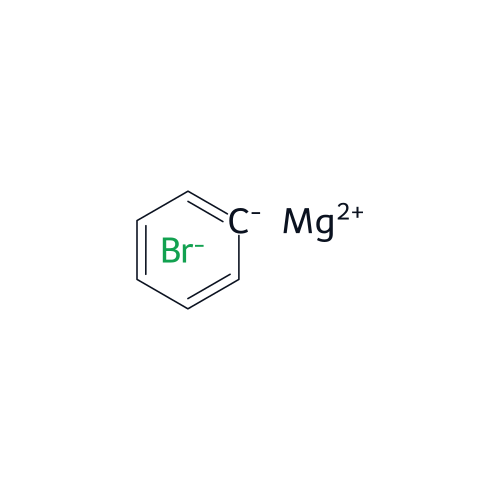

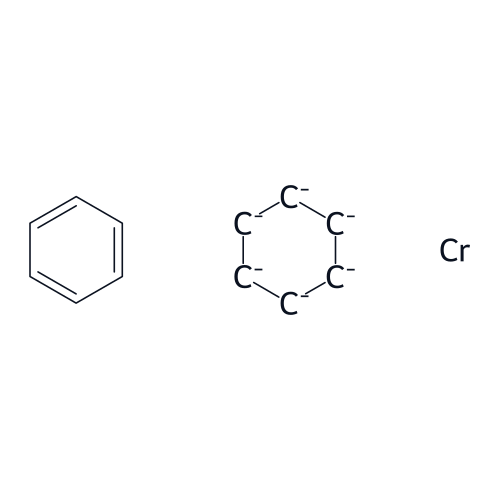
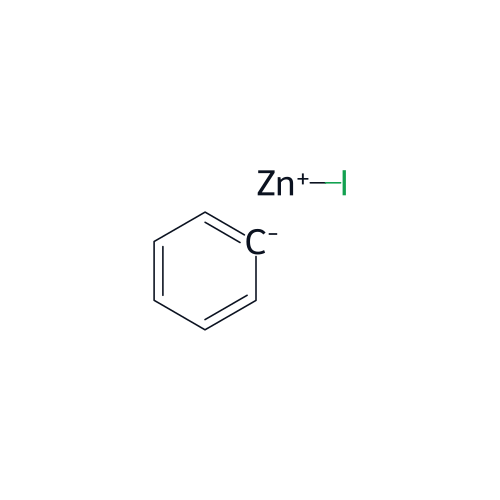
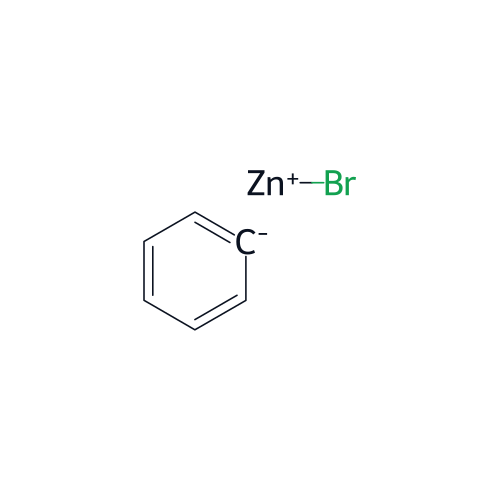


Stereoisomers and isotopic forms
Same connectivity, different stereochemistry or isotopes (same InChIKey skeleton)


Similar structures
Nearest neighbours by Morgan fingerprint Tanimoto similarity

Frequently asked questions
Quick answers about Benzene, based on the data on this page
What is Benzene?
What is the CAS number of Benzene?
What is the molecular formula and weight of Benzene?
What is Benzene used for?
Is Benzene hazardous?
What is the HS code of Benzene?
Where can I buy Benzene?
Where can I buy Benzene in India?
What is the price of Benzene?
Guides for buyers
Practical guides that help when you source, ship or handle Benzene
- Guide, Trade and logisticsShipping dangerous goods: UN numbers, classes and packing groupsHow the UN dangerous goods system works for chemicals, from the nine classes and UN numbers to packing groups, UN packaging marks, labels, documents and segregation.Read
- Guide, SafetyHow to read a safety data sheet in 10 minutesA section by section method to pull the essentials out of any 16 section SDS: identity, hazards, composition, storage, PPE, properties, transport and emergency measures.Read
- Guide, SafetyGHS pictograms, signal words and hazard statements explainedA practical guide to the nine GHS pictograms, the signal words Danger and Warning, H and P statements, and how to read a chemical label in seconds.Read
Get quotes for Benzene
Embed this structure on your websiteShow code
Paste this code into your page to show the 2D structure of Benzene with a 3D view, its CAS number where known and a link back to this page. Free to use with the link kept.
<iframe src="https://www.compoundlist.com/embed/structure/benzene-71-43-2" title="Benzene structure on CompoundList" width="360" height="420" style="border:1px solid #E7E2DA;border-radius:12px;max-width:100%" loading="lazy" referrerpolicy="strict-origin-when-cross-origin"></iframe>Explore more in Aromatics or HS code 290220