Captafol safety data
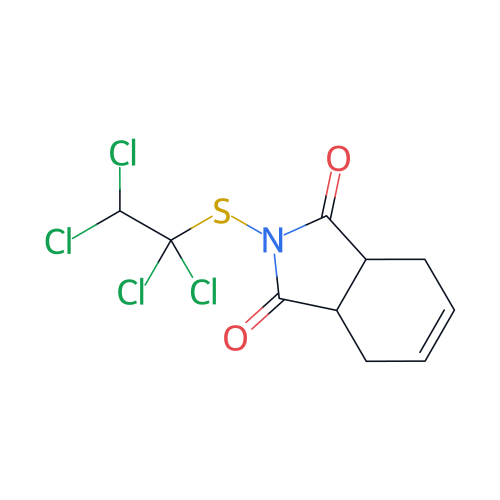
Captafol is controlled. Only documented suppliers can list it, and buyers must upload a valid licence with their request. Every request is reviewed before suppliers see it.
Licensed buyers only, every enquiry is reviewed by our compliance team.
Reference: Rotterdam Convention Annex III prior informed consent chemical, HS 2022 subheading 2930.80 (aldicarb, captafol and methamidophos)
Our policy on controlled substancesGHS classification summary, not a safety data sheet (SDS). Classifications can differ by supplier, grade and concentration. Always check the supplier's SDS.
GHS classification
Pictograms, signal word and hazard classes of the GHS classification
Hazard classes and categories
- Skin Sens. 1
- Carc. 1A/1B
- Aquatic Acute 1
- Aquatic Chronic 1
Hazard statements
H codes grouped by type. Percentages show the share of classification notifications that report the statement
Health hazards
- H317May cause an allergic skin reaction.
- H350May cause cancer.
Environmental hazards
- H400Very toxic to aquatic life.
- H410Very toxic to aquatic life with long lasting effects.
Precautionary statements
P codes for prevention, response, storage and disposal
Prevention
- P203Obtain, read and follow all safety instructions before use.
- P261Avoid breathing dust, fume, gas, mist, vapours or spray.
- P272Contaminated work clothing should not be allowed out of the workplace.
- P273Avoid release to the environment.
- P280Wear protective gloves, protective clothing, eye protection and face protection.
Response
- P302 + P352If on skin: Wash with plenty of water.
- P318If exposed or concerned, get medical advice.
- P321Specific treatment (see supplemental first aid instructions on the label).
- P333 + P317If skin irritation or rash occurs: Get medical help.
- P362 + P364Take off contaminated clothing. And wash it before reuse.
- P391Collect spillage.
Storage
- P405Store locked up.
Disposal
- P501Dispose of contents and container in accordance with local regulations.
First aid
General first aid measures. Get medical advice if you feel unwell
Handling, storage and disposal
Summaries only, follow the supplier SDS for your grade
Safe handling
Fire: NO open flames.
General: AVOID ALL CONTACT! IN ALL CASES CONSULT A DOCTOR!
Inhalation: Use ventilation (not if powder), local exhaust or breathing protection.
Skin: Protective gloves. Protective clothing.
Eyes: Wear face shield or eye protection in combination with breathing protection.
Ingestion: Do not eat, drink, or smoke during work. Wash hands before eating.
Storage
Provision to contain effluent from fire extinguishing. Separated from strong bases and food and feedstuffs. Store in an area without drain or sewer access.
Disposal
Hydrolysis: The hydrolysis products are not fungicidally active.
Exposure limits and toxicity
Occupational exposure limits and toxicity data
- NIOSH REL
- Potential occupational carcinogen, TWA 0.1 mg/m3 [skin]
- ACGIH TLV, 8-hour TWA
- 0.1 mg/m³ (inhalable fraction and vapor)
Short-term exposure: The substance is irritating to the eyes, skin and respiratory tract. Long-term exposure: Repeated or prolonged contact with skin may cause dermatitis. Repeated or prolonged contact may cause skin sensitization and allergic conjunctivities. Repeated or prolonged inhalation may cause asthma. This substance is probably carcinogenic to humans.
Supplier safety data sheets
SDS documents uploaded by suppliers who list this chemical
No supplier has uploaded an SDS for Captafol yet. Suppliers usually send one with their quote. Request quotes
Safety questions
Quick answers about handling Captafol safely
Is Captafol hazardous?
Which GHS pictograms apply to Captafol?
How should Captafol be stored?
Where can I get the SDS for Captafol?
GHS classification summary, not an SDS. Always check the supplier's SDS. Last updated 7 Oct 2026. Report an error