Curcumin
Also known as Diferuloylmethane, Natural yellow 3, Kacha haldi
Key facts
What buyers check first
- Appearance
- Orange-yellow, crystal powder, gives brownish-red color with alkali, light-yellow color…
- Melting point
- 183 °C
- Density
- 0.9348 at 59 °F - Less dense than water, will float
- Solubility
- Insoluble in water
- HS code
- 291450
- Category
- Dyes and pigments
What is Curcumin?
Plain description, key identifiers and synonyms
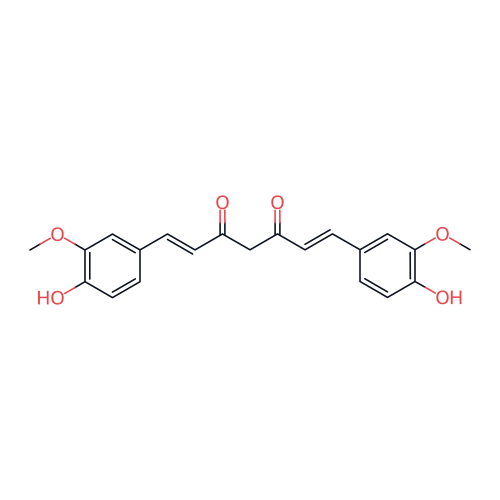
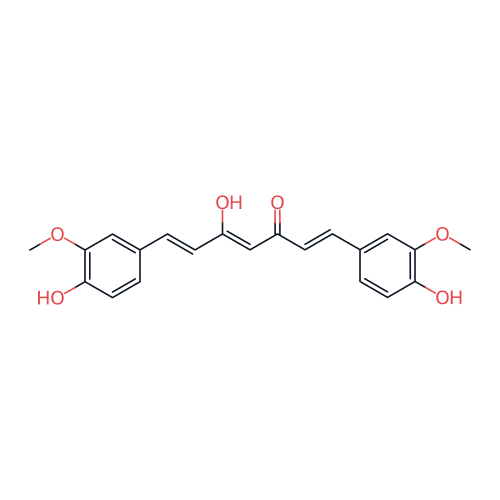
Curcumin is a beta-diketone that is methane in which two of the hydrogens are substituted by feruloyl groups. A natural dyestuff found in the root of Curcuma longa. It has a role as a geroprotector, a metabolite, a biological pigment, an antineoplastic agent, a flavouring agent, an antifungal agent, a lipoxygenase inhibitor, a dye, an iron chelator, an EC 1.1.1.21 (aldehyde reductase) inhibitor, a radical scavenger, a contraceptive drug, an EC 1.6.5.2 [NAD(P)H dehydrogenase (quinone)] inhibitor, a nutraceutical, an immunomodulator, a ligand, an EC 1.1.1.205 (IMP dehydrogenase) inhibitor, an EC 3.5.1.98 (histone deacetylase) inhibitor, a hepatoprotective agent, a neuroprotective agent, an EC 1.8.1.9 (thioredoxin reductase) inhibitor, an anti-inflammatory agent, an EC 2.7.10.2 (non-specific protein-tyrosine kinase) inhibitor, a food colouring and an EC 1.1.1.25 (shikimate dehydrogenase) inhibitor. It is a polyphenol, an aromatic ether, an enone, a beta-diketone and a diarylheptanoid. It is functionally related to a trans-ferulic acid.
Curcumin is a main yellow-orange-colored pigment and active principle of turmeric or curcuma.
Identifiers
Registry numbers, names and line notations, tap to copy
- IUPAC name
- (1E,6E)-1,7-bis(4-hydroxy-3-methoxyphenyl)hepta-1,6-diene-3,5-dione
- CAS number
- 458-37-7 CAS number cross-checkedOther or deprecated CAS: 94875-80-6
- EC numbers
- 207-280-5, 678-357-2
- Molecular formula
- C21H20O6
- UNII
- IT942ZTH98
- MDL number
- MFCD00008365
- INCI name
- CI 75300, CURCUMIN
- InChIKey
- VFLDPWHFBUODDF-FCXRPNKRSA-N
- InChI
- InChI=1S/C21H20O6/c1-26-20-11-14(5-9-18(20)24)3-7-16(22)13-17(23)8-4-15-6-10-19(25)21(12-15)27-2/h3-12,24-25H,13H2,1-2H3/b7-3+,8-4+
- Canonical SMILES
- COc1cc(C=CC(=O)CC(=O)C=Cc2ccc(O)c(OC)c2)ccc1O
- Isomeric SMILES
- COC1=C(C=CC(=C1)/C=C/C(=O)CC(=O)/C=C/C2=CC(=C(C=C2)O)OC)O
Synonyms
- Diferuloylmethane
- Natural yellow 3
- Kacha haldi
- Curcumin I
- Curcuma
- Haldar
- Indian saffron
- Gelbwurz
- Yellow Ginger
- (1E,6E)-1,7-Bis(4-hydroxy-3-methoxyphenyl)hepta-1,6-diene-3,5-dione
- Souchet
- Haidr
- Halad
- Halud
- Terra Merita
- C.I. Natural Yellow 3
- Safran d'Inde
- Yo-Kin
- Yellow puccoon
- Diferaloylmethane
- CI Natural Yellow 3
- C.I. 75300
- Jianghuangsu
- Kurkumin
- NanoCurc
Show all 39 synonymsShow fewer synonyms
- Zlut prirodni 3
- Lipocurc
- Kurkum
- CI 75300
- Curcumin e100
- 1,5-Di(vanillyliden)acetylaceton
- 1,5-Divanillyliden-2,4-pentandion
- 1,9-Bis(4-hydroxy-3-methoxyphenyl)-2,7-nonadiene-4,6-dione
- 1,6-Heptadiene-3,5-dione, 1,7-bis(4-hydroxy-3-methoxyphenyl)-
- INS NO. 100(I)
- INS-100(I)
- Victory 19 Virus Out
- 1,6-Heptadiene-3,5-dione, 1,7-bis(4-hydroxy-3-methoxyphenyl)-, (E,E)-
- (E,E)-1,7-bis(4-Hydroxy-3-methoxyphenyl)-1,6-heptadiene-3,5-dione
Physical and chemical properties
Measured values and descriptors computed from the structure
Physical and chemical properties
Measured values, check the supplier specification for your grade
| Appearance | Orange-yellow, crystal powder, gives brownish-red color with alkali, light-yellow color with acidsexp.Measured value |
|---|---|
| Melting point | 183 °Cexp.Measured value |
| Density | 0.9348 at 59 °F - Less dense than water, will floatexp.Measured value |
| Solubility | Insoluble in waterexp.Measured value |
Values vary by grade. Ask suppliers for the COA or TDS of the batch you buy.
Computed descriptors
Calculated from the structure, useful for screening and formulation
| Molecular weight | 368.39 g/molcalc.Computed value |
|---|---|
| Exact mass | 368.126 Dacalc.Computed value |
| LogP (octanol/water) | 3.37calc.Computed value |
| Topological polar surface area | 93.06 Ųcalc.Computed value |
| Hydrogen bond donors | 2calc.Computed value |
| Hydrogen bond acceptors | 6calc.Computed value |
| Rotatable bonds | 8calc.Computed value |
| Heavy atoms | 27calc.Computed value |
| Rings | 2calc.Computed value |
| Aromatic rings | 2calc.Computed value |
| Fraction sp3 carbons | 0.14calc.Computed value |
| Formal charge | 0calc.Computed value |
| Stereocentres | 0calc.Computed value |
| Lipinski rule of five | Passes (0 violations)calc.Computed value |
Calculated for screening. Confirm critical figures with the supplier.
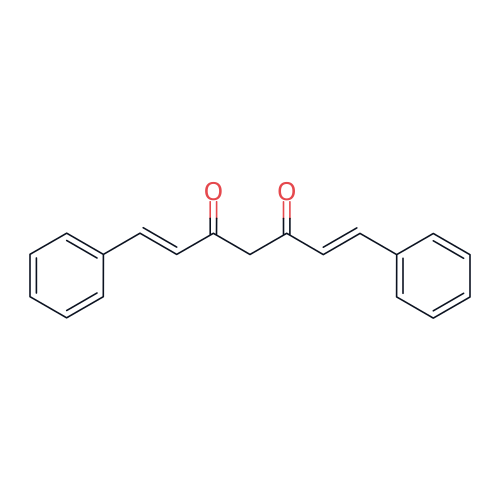
Murcko scaffold
The ring system that remains when every side chain is removed
Safety and hazards
GHS classification summary, not a safety data sheet
Hazard statements
- H315Causes skin irritation.
- H319Causes serious eye irritation.
- H335May cause respiratory irritation.
Precautionary statements (16)
- P261Avoid breathing dust, fume, gas, mist, vapours or spray.
- P264Wash skin thoroughly after handling.
- P264 + P265Wash skin thoroughly after handling. Do not touch eyes.
- P271Use only outdoors or in a well-ventilated area.
- P280Wear protective gloves, protective clothing, eye protection and face protection.
- P302 + P352If on skin: Wash with plenty of water.
- P304 + P340If inhaled: Remove person to fresh air and keep comfortable for breathing.
- P305 + P351 + P338If in eyes: Rinse cautiously with water for several minutes. Remove contact lenses, if present and easy to do. Continue rinsing.
- P319Get medical help if you feel unwell.
- P321Specific treatment (see supplemental first aid instructions on the label).
- P332 + P317If skin irritation occurs: Get medical help.
- P337 + P317If eye irritation persists: Get medical help.
- P362 + P364Take off contaminated clothing. And wash it before reuse.
- P403 + P233Store in a well-ventilated place. Keep container tightly closed.
- P405Store locked up.
- P501Dispose of contents and container in accordance with local regulations.
GHS classification summary, not a safety data sheet (SDS). Classifications can differ by supplier, grade and concentration. Always check the supplier's SDS.
Full safety data and first aidCurcumin suppliers
Sponsored listings first, then the documented ranking: membership, verification, replies, completeness, freshness and ratings
- India, KochiUnclaimed profileCurcuminGrade, purity and minimum order on requestPrice on request
- China, Ningbo ManufacturerUnclaimed profileCurcuminGrade, purity and minimum order on requestPrice on request
- China, Taizhou ManufacturerUnclaimed profileCurcuminGrade, purity and minimum order on requestPrice on request
- Japan, Chiyoda-KuUnclaimed profileCurcuminGrade, purity and minimum order on requestPrice on request
- Netherlands, HilversumUnclaimed profileCurcuminGrade, purity and minimum order on requestPrice on request
- United StatesUnclaimed profileNatural Yellow 3Grade, purity and minimum order on requestPrice on request
- ChinaUnclaimed profileCurcuminGrade, purity and minimum order on requestPrice on request
- China, ChangzhouUnclaimed profileCurcuminGrade, purity and minimum order on requestPrice on request
- India, Mumbai ManufacturerUnclaimed profileCurcuminGrade, purity and minimum order on requestPrice on request
Suppliers marked Unclaimed profile have not claimed their profile yet. They are not verified by CompoundList, their offers are price on request and details may have changed, so please confirm them with the supplier. Company representatives can claim a profile with a business email on the company's own website domain. Our team verifies each claim and sends the result by email.
Where suppliers are based
207 suppliers in 26 countries
- China78
- United States45
- India22
- Germany10
- United Kingdom5
- Hong Kong5
- and 20 more countries
Send one request to many suppliers
Choose up to 10 suppliers or let us match your request. Compare quotes side by side, free.
Curcumin price
Indicative price range per kg from live supplier offers
Suppliers quote this chemical on request. Send one free request and compare quotes side by side.
Uses and applications
What the substance is used for, by industry and function
For preparing curcuma paper, pH range 8-9. In the detection of boron.
Analytical reagent, food dye, biological stain. As an acid-base indicator it is brownish-red with alkalies, yellow with acids (pH range 7.4-8.6), also as an indicator for boron.
Flavoring and coloring agent in food-as turmeric, boron indicator, stain in microscopy, alkali indicator, coloring agent for oils, waxes, & textiles.
Curcumin is a natural polyphenol product derived from the rhizome of the Curcuma longa. In vivo and in vitro studies have uncovered many important bioactivities of curcumin, such as antioxidant activity, inducing cell apoptosis, inhibiting cell proliferation, anti-cell adhesion and motility, anti-angiogenesis and anti-microbe properties. Based on these functions, curcumin has been used in clinical trials on various inflammatory diseases and cancers.
Read more
In the future, it will be necessary to focus attention partly on the clinical application of curcumin in neurodegenerative diseases, cardiovascular diseases and diabetes, because many experiments have clarified the potential value of curcumin in these areas...
Use classes: Food additives, Cosmetics.
Industries and functions
- Anti-inflammatories in pharmaceuticals
- Anticancer drugs in pharmaceuticals
- Antioxidants in cosmetics and personal care
- Colorants in cosmetics and personal care
- Food colors in food and beverage
- Flavors in food and beverage
- Flavoring agents in flavors and fragrances
- Biochemical and pharmacological tools in research and laboratory
Cosmetic ingredient, INCI name CI 75300(colorant)
Pharmacological actions
- Anti-Inflammatory Agents, Non-Steroidal
- Antineoplastic Agents
- Coloring Agents
- Enzyme Inhibitors
Roles
- anti-asthmatic agent
- anti-inflammatory agent
- anti-ulcer drug
- antibacterial agent
- antidepressant
- antifibrotic agent
- antifungal agent
- antineoplastic agent
- antipsychotic agent
- contraceptive drug
- dermatologic drug
- dye
- flavouring agent
- food colouring
- geroprotector
- hepatoprotective agent
- hypoglycemic agent
- immunomodulator
- immunosuppressive agent
- ligand
- nephroprotective agent
- neuroprotective agent
- nutraceutical
- ophthalmology drug
Functional uses
- Antioxidant
- Dye
- Fragrance
Cosmetic functions
- Antioxidant
- Colorant
Pharmacology
Curcumin is a phytopolylphenol pigment isolated from the plant Curcuma longa, commonly known as turmeric, with a variety of pharmacologic properties. Curcumin blocks the formation of reactive-oxygen species, possesses anti-inflammatory properties as a result of inhibition of cyclooxygenases (COX) and other enzymes involved in inflammation, and disrupts cell signal transduction by various mechanisms including inhibition of protein kinase C. These effects may play a role in the agent's observed antineoplastic properties, which include inhibition of tumor cell proliferation and suppression of chemically induced carcinogenesis and tumor growth in animal models of cancer. (NCI04)
How it is made
Occurs naturally in the root of the herb curcuma longa (turmeric), isolation by steam distillation
The essential oil of Curcuma longa is obtained by steam distillation, with yields ranging between 1.3 and 5.5%. ... The oil contains, in addition to turmerone (~60%), free acids, cineol, borneol, zingerone, phellandrene, and 3 to 4% coloring matter (curcumin). (Essential oil of Curcuma longa)
Production: Stieglitz, Horn, German patent 859145 (1952 to Hoechst)
Regulatory status
Inventories, regulations and trade controls that list this substance
Health and food
- EU cosmetic ingredient inventory
- EU Cosmetics Regulation Annex IV, allowed colourantName: CI 75300, Ref no: 114, Annex ref: IV/114
- Active ingredient in FDA approved drug labels
- Food additive
United States
- TSCA inventory (USA)Status: Active in US commerce
HS code and trade data
Customs classification and reported world trade statistics
Global trade
World import and export statistics for the HS code Curcumin is traded under.
Ketone-phenols and ketones with other oxygen function
- China50.5%
- India * partner reported11.6%
- United States11.3%
- United States20.8%
- Germany10.0%
- Netherlands8.6%
* Partner reported figures, a lower bound.
The HS code shown for Curcumin is indicative (it was assigned by structure rules). Confirm the classification with your customs broker before shipping.
Related chemicals
Parent and salt forms, stereoisomers, similar structures and isomers
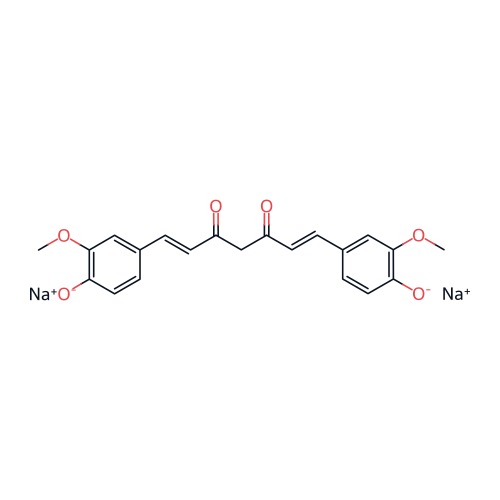
Salt and hydrate forms
Records that share this compound as their parent
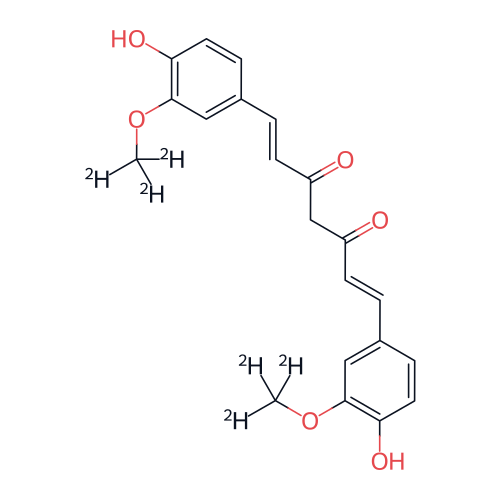
Stereoisomers and isotopic forms
Same connectivity, different stereochemistry or isotopes (same InChIKey skeleton)
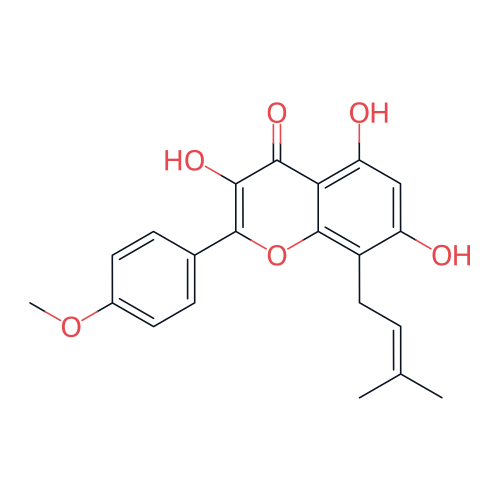
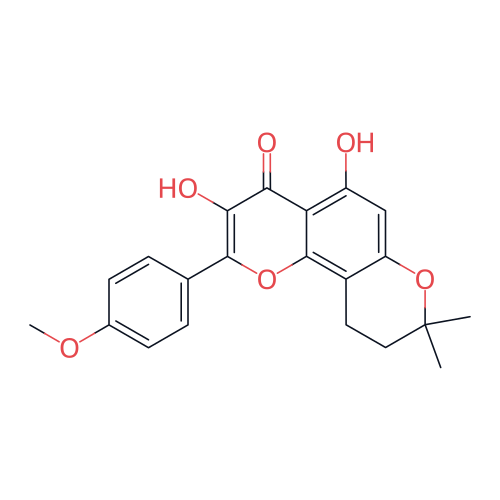
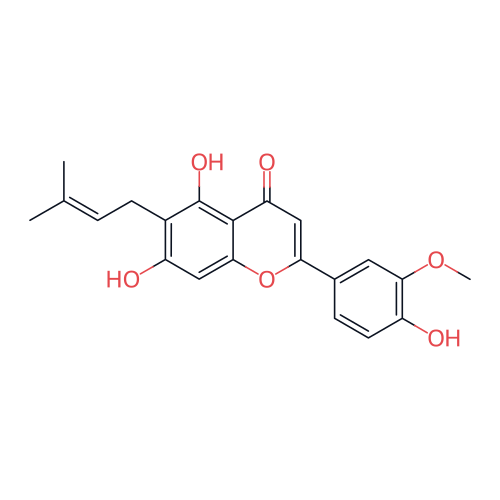
Similar structures
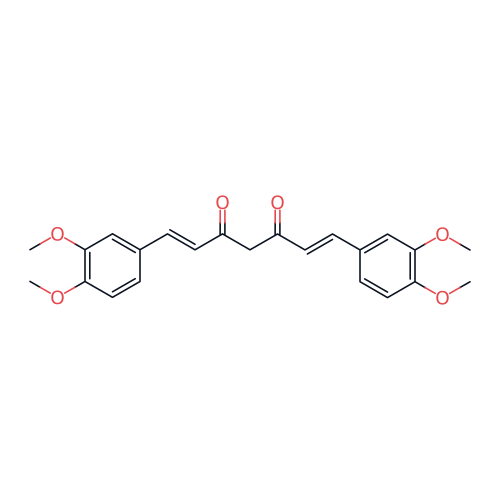
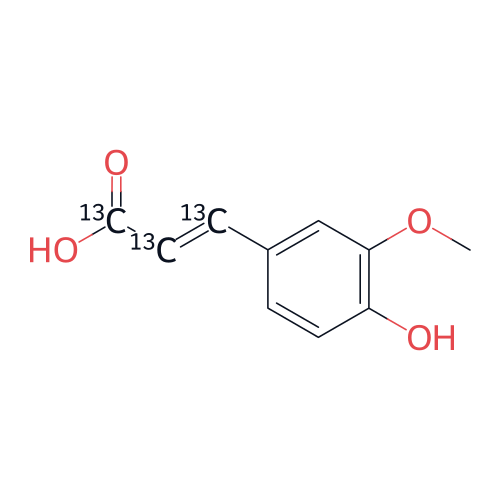
Nearest neighbours by Morgan fingerprint Tanimoto similarity




Same formula isomers
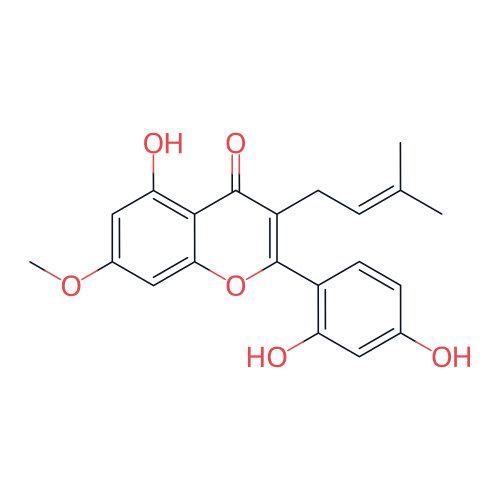
Different compounds that share this molecular formula





Frequently asked questions
Quick answers about Curcumin, based on the data on this page
What is Curcumin?
What is the CAS number of Curcumin?
What is the molecular formula and weight of Curcumin?
What is Curcumin used for?
Is Curcumin hazardous?
What is the HS code of Curcumin?
Where can I buy Curcumin?
Where can I buy Curcumin in India?
What is the price of Curcumin?
Guides for buyers
Practical guides that help when you source, ship or handle Curcumin
- Article, QualityPharma grades explained: IP vs BP vs USP vs EPWhat the Indian, British, US and European pharmacopoeias are, how their monographs differ, what multi grade claims mean and why a grade alone does not make a product fit for medicines.Read
- Guide, SafetyHow to read a safety data sheet in 10 minutesA section by section method to pull the essentials out of any 16 section SDS: identity, hazards, composition, storage, PPE, properties, transport and emergency measures.Read
- Guide, SafetyGHS pictograms, signal words and hazard statements explainedA practical guide to the nine GHS pictograms, the signal words Danger and Warning, H and P statements, and how to read a chemical label in seconds.Read
Get quotes for Curcumin
Embed this structure on your websiteShow code
Paste this code into your page to show the 2D structure of Curcumin with a 3D view, its CAS number and a link back to this page. Free to use with the link kept.
<iframe src="https://www.compoundlist.com/embed/structure/curcumin-458-37-7" title="Curcumin structure on CompoundList" width="360" height="420" style="border:1px solid #E7E2DA;border-radius:12px;max-width:100%" loading="lazy" referrerpolicy="strict-origin-when-cross-origin"></iframe>Explore more in Dyes and pigments or HS code 291450