
Key facts
What buyers check first
- Appearance
- Colorless crystals or white granular powder
- Melting point
- 146 °C
- Boiling point
- >100
- Density
- Relative density (water = 1): 1.56
- Solubility
- In water, 5.46 × 10⁺⁵ mg/L at 30 °C, 4.79 × 10⁺⁵ mg/L at 20 °C
- HS code
- 170230
- Category
- Sweeteners

What is D-Glucose?
Plain description, key identifiers and synonyms
D-glucopyranose is a glucopyranose having D-configuration. It has a role as a mouse metabolite, a Saccharomyces cerevisiae metabolite, an Escherichia coli metabolite and a human metabolite. It is a D-glucose and a glucopyranose.
Identifiers
Registry numbers, names and line notations, tap to copy
- IUPAC name
- (3R,4S,5S,6R)-6-(hydroxymethyl)oxane-2,3,4,5-tetrol
- CAS number
- 50-99-7 CAS number cross-checkedOther or deprecated CAS: 2280-44-6, 54-17-1
- EC numbers
- 200-075-1, 218-914-5, 807-615-0
- Molecular formula
- C6H12O6
- MDL number
- MFCD00063684
- INCI name
- GLUCOSE
- InChIKey
- WQZGKKKJIJFFOK-GASJEMHNSA-N
- InChI
- InChI=1S/C6H12O6/c7-1-2-3(8)4(9)5(10)6(11)12-2/h2-11H,1H2/t2-,3-,4+,5-,6?/m1/s1
- Canonical SMILES
- OCC1OC(O)C(O)C(O)C1O
- Isomeric SMILES
- C([C@@H]1[C@H]([C@@H]([C@H](C(O1)O)O)O)O)O
Synonyms
- D-Glucopyranose
- glucose
- Glucopyranose
- Grape sugar
- Blood sugar
- (3R,4S,5S,6R)-6-(hydroxymethyl)oxane-2,3,4,5-tetrol
- D-Glc
- Traubenzucker
- Glucosteril
- Cartose
- anhydrous glucose
- Maxim Energy Gel
- Glucosum, anhydrous
- Staleydex 333
- Corn sugar
- d-glucopyranoside
- Glucose, alpha-d-
- Cerelose
- Dextropur
- Dextrosol
- Glucolin
- Goldsugar
- Vadex
- Staleydex 111
- Cerelose 2001
Show all 40 synonymsShow fewer synonyms
- Tabfine 097(HS)
- D-gluco-hexose
- glc
- Dextrose 25%
- Clintec
- Dextrogel
- Gambrosol
- Leukotrap
- Rapilose
- Yourgluco
- Dextrose 60%
- Dextro energy
- Gsf-syrup
- Purified Glucose
- D Glucose
Physical and chemical properties
Measured values and descriptors computed from the structure
Physical and chemical properties
Measured values, check the supplier specification for your grade
| Appearance | Colorless crystals or white granular powderexp.Measured value |
|---|---|
| Odour | Odorlessexp.Measured value |
| Taste | Sweetexp.Measured value |
| Melting point | 146 °Cexp.Measured value |
| Boiling point | >100exp.Measured value |
| Density | Relative density (water = 1): 1.56exp.Measured value |
| Autoignition temperature | Not flammableexp.Measured value |
| Solubility | In water, 5.46 × 10⁺⁵ mg/L at 30 °C, 4.79 × 10⁺⁵ mg/L at 20 °Cexp.Measured value |
| Vapour pressure | 8.0 × 10⁻¹⁴ mm Hg at 25 °C /extrapolated from a higher solid-phase temperature range/exp.Measured value |
Values vary by grade. Ask suppliers for the COA or TDS of the batch you buy.
Computed descriptors
Calculated from the structure, useful for screening and formulation
| Molecular weight | 180.16 g/molcalc.Computed value |
|---|---|
| Exact mass | 180.0634 Dacalc.Computed value |
| LogP (octanol/water) | -3.22calc.Computed value |
| Topological polar surface area | 110.4 Ųcalc.Computed value |
| Hydrogen bond donors | 5calc.Computed value |
| Hydrogen bond acceptors | 6calc.Computed value |
| Rotatable bonds | 1calc.Computed value |
| Heavy atoms | 12calc.Computed value |
| Rings | 1calc.Computed value |
| Aromatic rings | 0calc.Computed value |
| Fraction sp3 carbons | 1calc.Computed value |
| Formal charge | 0calc.Computed value |
| Stereocentres | 5calc.Computed value |
| Lipinski rule of five | Passes (0 violations)calc.Computed value |
Calculated for screening. Confirm critical figures with the supplier.
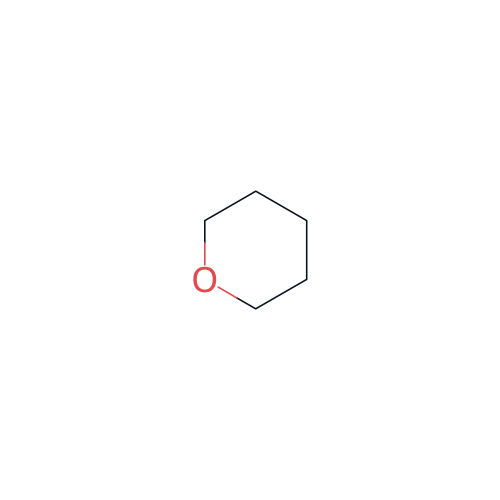
Murcko scaffold
The ring system that remains when every side chain is removed
Safety and hazards
GHS classification summary, not a safety data sheet
GHS classification summary, not a safety data sheet (SDS). Classifications can differ by supplier, grade and concentration. Always check the supplier's SDS.
Full safety data and first aidD-Glucose suppliers
Sponsored listings first, then the documented ranking: membership, verification, replies, completeness, freshness and ratings
- China, GuangzhouUnclaimed profileGlucoseGrade, purity and minimum order on requestPrice on request
- Thailand, SamphanthawongUnclaimed profileD-GlucoseGrade, purity and minimum order on requestPrice on request
- Argentina, San Lorenzo ManufacturerUnclaimed profileGlucoseGrade, purity and minimum order on requestPrice on request
- Price on request
- ChinaUnclaimed profileGlucoseGrade, purity and minimum order on requestPrice on request
- India, MumbaiUnclaimed profileGlucoseGrade, purity and minimum order on requestPrice on request
- ChinaUnclaimed profileD-GlucoseGrade, purity and minimum order on requestPrice on request
- China ManufacturerUnclaimed profileGlucoseGrade, purity and minimum order on requestPrice on request
- United States ManufacturerUnclaimed profileD-GlucoseGrade, purity and minimum order on requestPrice on request
- Price on request
Suppliers marked Unclaimed profile have not claimed their profile yet. They are not verified by CompoundList, their offers are price on request and details may have changed, so please confirm them with the supplier. Company representatives can claim a profile with a business email on the company's own website domain. Our team verifies each claim and sends the result by email.
Where suppliers are based
303 suppliers in 54 countries
- India71
- China53
- United States44
- Germany10
- United Kingdom7
- Japan7
- and 48 more countries
Send one request to many suppliers
Choose up to 10 suppliers or let us match your request. Compare quotes side by side, free.
D-Glucose price
Indicative price range per kg from live supplier offers
Suppliers quote this chemical on request. Send one free request and compare quotes side by side.
Uses and applications
What the substance is used for, by industry and function
Confectionary, infant foods, medicine, brewing and wine making, intermediate, caramel coloring, baking and canning, source of methane by anaerobic fermentation, source of certain amino acids (e.g. lysine) by fermentation.
Benzylisoquinoline alkaloids (BIAs) are a diverse family of plant-specialized metabolites that include the pharmaceuticals codeine and morphine and their derivatives. Microbial synthesis of BIAs holds promise as an alternative to traditional crop-based manufacturing. Here we demonstrate the production of the key BIA intermediate (S)-reticuline from glucose in Saccharomyces cerevisiae. To aid in this effort, we developed an enzyme-coupled biosensor for the upstream intermediate L-3,4-dihydroxyphenylalanine (L-DOPA). Using this sensor, we identified an active tyrosine hydroxylase and improved its L-DOPA yields by 2.8-fold via PCR mutagenesis.
Read more
Coexpression of DOPA decarboxylase enabled what is to our knowledge the first demonstration of dopamine production from glucose in yeast, with a 7.4-fold improvement in titer obtained for our best mutant enzyme. We extended this pathway to fully reconstitute the seven-enzyme pathway from L-tyrosine to (S)-reticuline. Future work to improve titers and connect these steps with downstream pathway branches, already demonstrated in S. cerevisiae, will enable low-cost production of many high-value BIAs.
Nutrient (carbohydrate) replenisher in pharmaceuticals, food component, fluid replenisher.
Instead of lactose, as a supplement to milk for infant feeding.
Industrial uses: Hardener, Soil amendments (fertilizers), Catalyst.
Consumer uses: Soil amendments (fertilizers).
Industries and functions
Cosmetic ingredient, INCI name GLUCOSE(humectant)
Pharmacological actions
- Sweetening Agents
Roles
- Escherichia coli metabolite
- Saccharomyces cerevisiae metabolite
- analgesic
- anti-HIV agent
- anti-inflammatory agent
- anti-obesity agent
- antibacterial agent
- anticholesteremic drug
- anticonvulsant
- antifungal agent
- antihypertensive agent
- antiinfective agent
- antimicrobial agent
- antineoplastic agent
- antipsychotic agent
- antiviral agent
- cardiovascular drug
- fundamental metabolite
- gastrointestinal drug
- hyperglycemic agent
- hypoglycemic agent
- immunosuppressive agent
- neuroprotective agent
- renoprotective agent
Functional uses
- Anti-caking agent
- Binder
- Drier
- Dye
- Flavouring and nutrient
- Fragrance
- Humectant
- Lubricating agent
- Pharmaceutical
- Processing aids not otherwise specified
- Solvent
- Thickening agent
Cosmetic functions
- Humectant
Pharmacology
Anhydrous Dextrose is the anhydrous form of D-glucose, a natural monosaccharide and carbohydrate. Dextrose serves to replenish lost nutrients and electrolytes. The agent provides metabolic energy and is the primary ingredient in oral rehydration salts (ORS) and is used in intravenous (IV) fluids to provide nutrients to patients under intensive care who are unable to receive them by the oral route. Solutions containing dextrose restore blood glucose levels and provide calories and may aid in minimizing liver glycogen depletion and exerts a protein-sparing action. Dextrose anhydrous also plays a role in the production of proteins and in lipid metabolism.
How it is made
Dextrose is manufactured almost exclusively from corn (maize) starch in the United States. In other countries, starch from sorghum (milo), wheat, rice, potato, tapioca (yucca, cassava), arrowroot, and sago are used to varying degrees along with corn starch. Prior to the 1960s, commercial dextrose was produced using acid and acid-enzyme hydrolysis processes that yielded only about 86 and 92-94% dextrose, respectively. The development of thermostable bacterial a-amylase enzymes led to total enzyme processes that eliminated acid degradation products and increased dextrose yield to about 95-97%.
Read more
In an enzymatic process, starch is hydrolyzed (thinned or liquefied) with a bacterial a-amylase. The resulting substrate is then hydrolyzed to dextrose (saccharified) using glucoamylase, a fungal enzyme that preferentially cleaves dextrose from the partially degraded starch. The initial extent of liquefaction is generally in the range of 10-20 dextrose equivalent (DE). DE is a measure of the reducing-sugar content calculated as dextrose and expressed as a percentage of the total dry substance. Several industrial enzyme liquefaction processes are used commercially. These processes are referred to as (1) enzyme-heat-enzyme, (2) low temperature, (3) dual enzyme/dual heating, (4) dual enzyme/single heating, and (5) thermal liquefaction.
Hydrolysis of cornstarch with acids or enzymes, hydrolysis of cellulosic wastes.
Regulatory status
Inventories, regulations and trade controls that list this substance
Health and food
- EU cosmetic ingredient inventory
- Active ingredient in FDA approved drug labels
United States
- Safer Choice ingredient list (USA)
- TSCA inventory (USA)Status: Active in US commerce
HS code and trade data
Customs classification and reported world trade statistics
Global trade
World import and export statistics for the HS code D-Glucose is traded under.
Glucose and glucose syrup, not containing fructose or containing in the dry state less…
Our trade statistics cover HS chapters 25 to 40 (minerals, chemicals, plastics and rubber). This code is in chapter 17, sugars and sugar confectionery, which is not included yet.
The HS code shown for D-Glucose is indicative (it was assigned by structure rules). Confirm the classification with your customs broker before shipping.
Related chemicals
Parent and salt forms, stereoisomers, similar structures and isomers
Salt and hydrate forms
Records that share this compound as their parent

Stereoisomers and isotopic forms
Same connectivity, different stereochemistry or isotopes (same InChIKey skeleton)


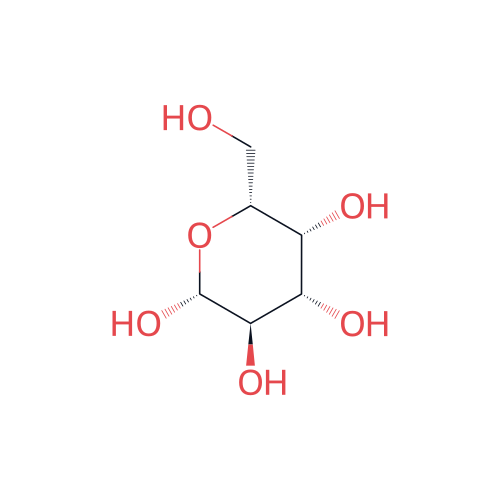


Similar structures
Nearest neighbours by Morgan fingerprint Tanimoto similarity


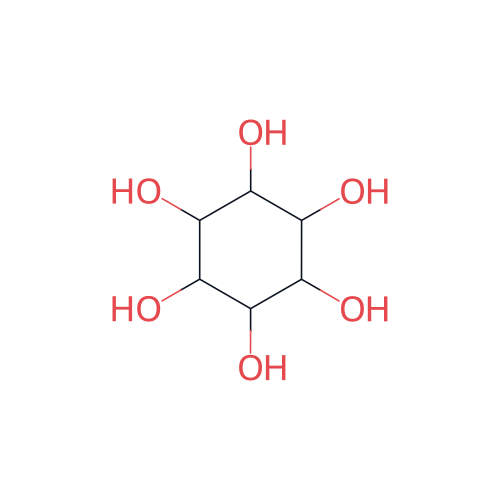
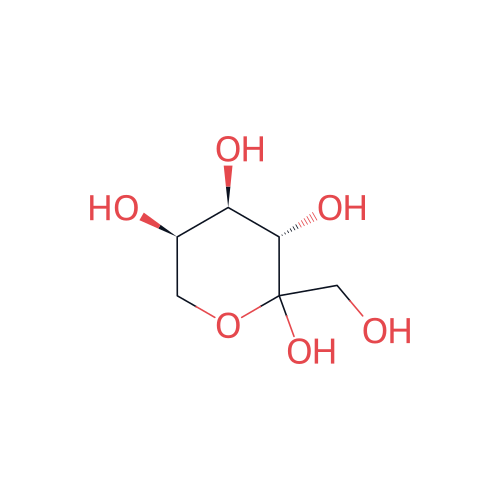
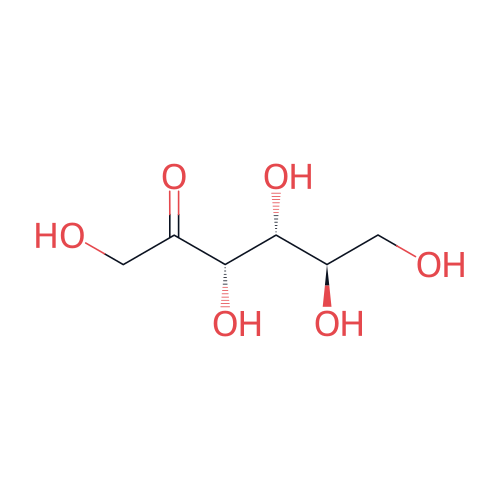
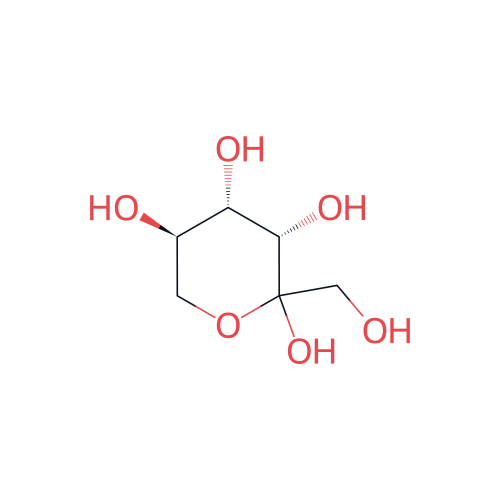
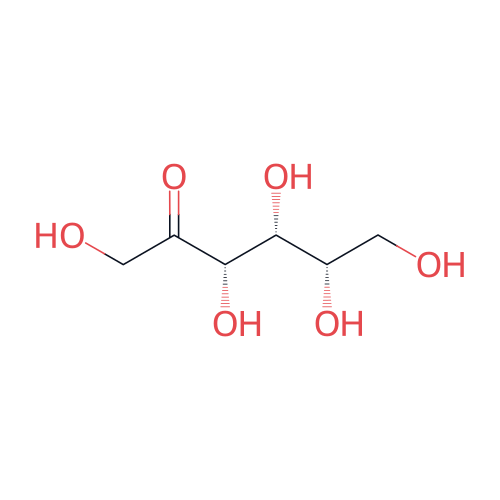
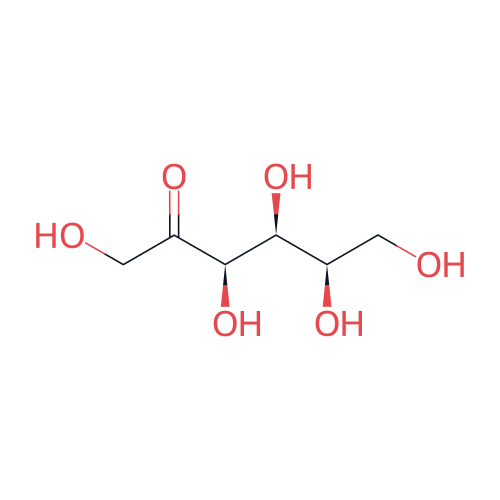
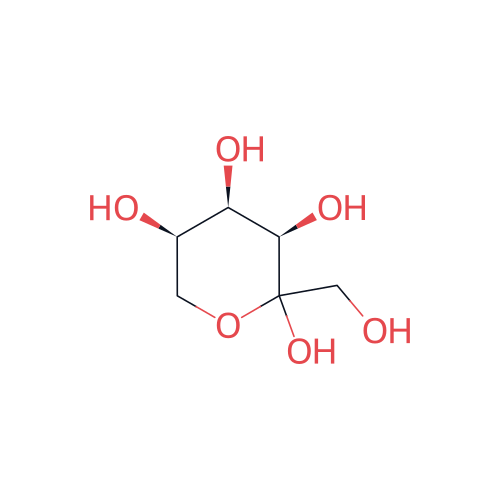
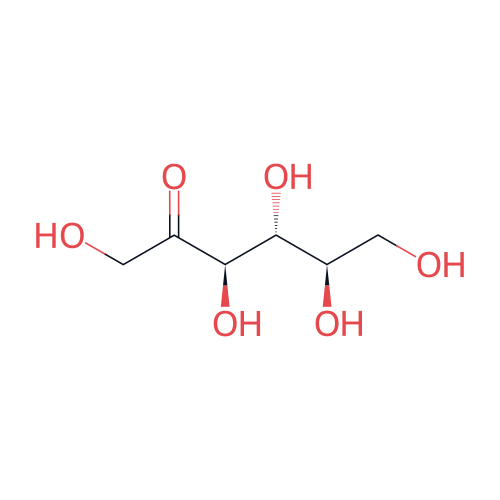
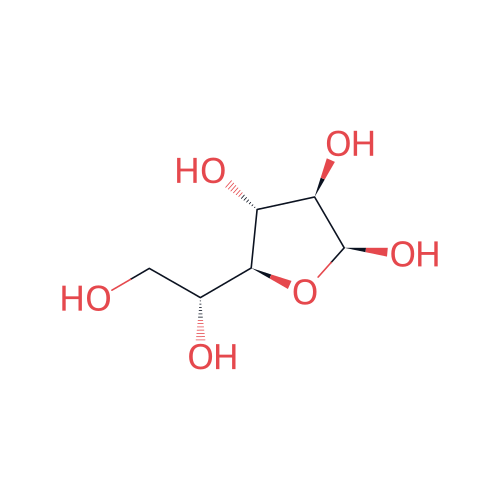
Same formula isomers
Different compounds that share this molecular formula



Frequently asked questions
Quick answers about D-Glucose, based on the data on this page
What is D-Glucose?
What is the CAS number of D-Glucose?
What is the molecular formula and weight of D-Glucose?
What is D-Glucose used for?
Is D-Glucose hazardous?
What is the HS code of D-Glucose?
Where can I buy D-Glucose?
Where can I buy D-Glucose in India?
What is the price of D-Glucose?
Guides for buyers
Practical guides that help when you source, ship or handle D-Glucose
- Article, QualityPharma grades explained: IP vs BP vs USP vs EPWhat the Indian, British, US and European pharmacopoeias are, how their monographs differ, what multi grade claims mean and why a grade alone does not make a product fit for medicines.Read
- Article, QualityWhat a certificate of analysis should containThe parts of a complete COA, how to read it against your specification, the warning signs of a weak or copied certificate and how to verify results.Read
- Article, SourcingHow to write an RFQ that gets fast and accurate quotesWhat suppliers need to quote quickly and comparably: exact product identity, quantity and packing, delivery terms, documents, samples and payment, with a ready to use template.Read
Get quotes for D-Glucose
Embed this structure on your websiteShow code
Paste this code into your page to show the 2D structure of D-Glucose with a 3D view, its CAS number where known and a link back to this page. Free to use with the link kept.
<iframe src="https://www.compoundlist.com/embed/structure/d-glucose-50-99-7" title="D-Glucose structure on CompoundList" width="360" height="420" style="border:1px solid #E7E2DA;border-radius:12px;max-width:100%" loading="lazy" referrerpolicy="strict-origin-when-cross-origin"></iframe>Explore more in Sweeteners or HS code 170230