Dextromethorphan safety data
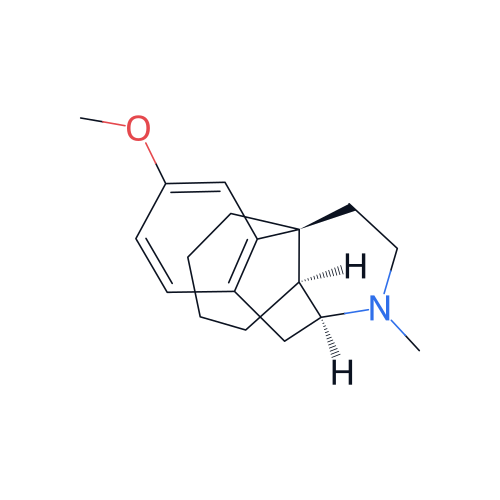
GHS classification summary, not a safety data sheet (SDS). Classifications can differ by supplier, grade and concentration. Always check the supplier's SDS.
GHS classification
Pictograms, signal word and hazard classes of the GHS classification
Hazard classes and categories
- Acute Tox. 3 (oral)
Hazard statements
H codes grouped by type. Percentages show the share of classification notifications that report the statement
Health hazards
- H301Toxic if swallowed.
Precautionary statements
P codes for prevention, response, storage and disposal
Prevention
- P264Wash skin thoroughly after handling.
- P270Do not eat, drink or smoke when using this product.
Response
- P301 + P316If swallowed: Get emergency medical help immediately.
- P321Specific treatment (see supplemental first aid instructions on the label).
- P330Rinse mouth.
Storage
- P405Store locked up.
Disposal
- P501Dispose of contents and container in accordance with local regulations.
Handling, storage and disposal
Summaries only, follow the supplier SDS for your grade
Safe handling
Eye/face protection: Use equipment for eye protection tested and approved under appropriate government standards such as NIOSH (US) or EN 166(EU). /Dextromethorphan hydrobromide/ Skin protection: Handle with gloves. /Dextromethorphan hydrobromide/
Storage
Keep container tightly closed in a dry and well-ventilated place. /Dextromethorphan hydrobromide/ Lozenges: store between 15 and 30 degrees C in well closed containers. Syrup USP: Store between 15 and 30 degrees C in light, resistant container, protected from freezing.
Disposal
SRP: Expired or waste pharmaceuticals shall carefully take into consideration applicable DEA, EPA, and FDA regulations. It is not appropriate to dispose by flushing the pharmaceutical down the toilet or discarding to trash. If possible return the pharmaceutical to the manufacturer for proper disposal being careful to properly label and securely package the material. Alternatively, the waste pharmaceutical shall be labeled, securely packaged and transported by a state licensed medical waste contractor to dispose by burial in a licensed hazardous or toxic waste landfill or incinerator. Product: Offer surplus and non-recyclable solutions to a licensed disposal company, Contaminated packaging: Dispose of as unused product. /Dextromethorphan hydrobromide/
Exposure limits and toxicity
Occupational exposure limits and toxicity data
Dextromethorphan is a drug of abuse. The main risks associated with dextromethorphan are ataxia, central nervous system (CNS) stimulation, dizziness, lethargy and psychotic behavior. Less frequently with large doses seizures and respiratory depression can occur. Nausea, vomiting, constipation and tachycardia may also occur. CNS effects include ataxia, drowsiness, vertigo and rarely coma. CNS stimulation may be observed. Restlessness, increased muscle tone with body rigidity have been reported. With extremely large ingestions respiratory depression can occur. Gastrointestinal effects include nausea, vomiting, constipation and dry mouth. Urinary retention may be seen.
Supplier safety data sheets
SDS documents uploaded by suppliers who list this chemical
No supplier has uploaded an SDS for Dextromethorphan yet. Suppliers usually send one with their quote. Request quotes
Safety questions
Quick answers about handling Dextromethorphan safely
Is Dextromethorphan hazardous?
Which GHS pictograms apply to Dextromethorphan?
How should Dextromethorphan be stored?
Where can I get the SDS for Dextromethorphan?
GHS classification summary, not an SDS. Always check the supplier's SDS. Last updated 7 Oct 2026. Report an error