Melamine
Also known as 1,3,5-Triazine-2,4,6-triamine, Cyanuramide, Cyanurotriamide
Key facts
What buyers check first

What is Melamine?
Plain description, key identifiers and synonyms
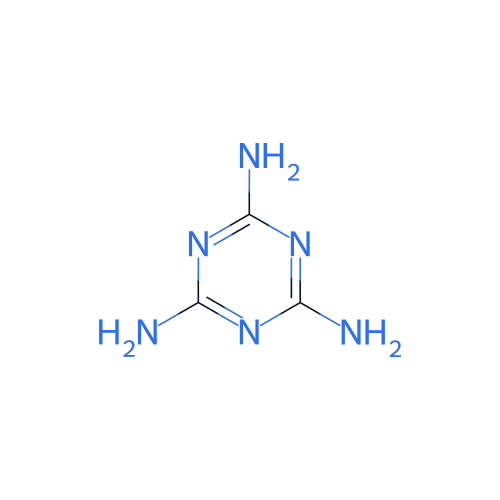
Melamine is a trimer of cyanamide, with a 1,3,5-triazine skeleton. It has a role as a xenobiotic metabolite. It is functionally related to a cyanamide. It is a conjugate base of a melamine(1+).
Identifiers
Registry numbers, names and line notations, tap to copy
- IUPAC name
- 1,3,5-triazine-2,4,6-triamine
- CAS number
- 108-78-1 CAS number cross-checkedOther or deprecated CAS: 5432-64-4, 67297-95-4
- EC number
- 203-615-4
- Molecular formula
- C3H6N6
- UNII
- N3GP2YSD88
- MDL number
- MFCD00006055
- InChIKey
- JDSHMPZPIAZGSV-UHFFFAOYSA-N
- InChI
- InChI=1S/C3H6N6/c4-1-7-2(5)9-3(6)8-1/h(H6,4,5,6,7,8,9)
- SMILES (canonical and isomeric)
- C1(=NC(=NC(=N1)N)N)N
Synonyms
- 1,3,5-Triazine-2,4,6-triamine
- Cyanuramide
- Cyanurotriamide
- Cyanurotriamine
- Isomelamine
- Theoharn
- Cyanuric triamide
- s-Triazinetriamine
- Teoharn
- Triaminotriazine
- Hicophor PR
- 2,4,6-Triamino-1,3,5-triazine
- Aero
- Pluragard
- Yukamelamine
- 2,4,6-Triamino-s-triazine
- Cymel
- Virset 656-4
- Spinflam ML 94M
- Pluragard C 133
- 2,4,6-Triaminotriazine
- Mark ZS 27
- ADK Stab ZS 27
- DG 002 (amine)
- s-Triazine, 2,4,6-triamino-
Show all 38 synonymsShow fewer synonyms
- sym-Triaminotriazine
- ZS 27
- 1,3,5-Triazine-2,4,6(1H,3H,5H)-triimine
- DG 002
- 1,3,5-triazinane-2,4,6-triimine
- Melamine Monomer
- Metformin EP impurity D
- Cyanurtriamide
- NtN',N''-tri-2-pyridinyl-1,3,5-triazine-2,4,6-triamine
- s-triaminotriazine
- Melamine, 99%
- 1,3,5-Triazine-2,4,6-triamine (Melamine)
- Melamine (1.0 mg/10 mL in 84:16% ACN:H2O)
Physical and chemical properties
Measured values and descriptors computed from the structure
Physical and chemical properties
Measured values, check the supplier specification for your grade
| Appearance | Monoclinic prismsexp.Measured value |
|---|---|
| Melting point | 354 °Cexp.Measured value |
| Boiling point | Sublimesexp.Measured value |
| Density | 1.573 at 14 °Cexp.Measured value |
| Autoignition temperature | >500exp.Measured value |
| Solubility | In water, 3.23 × 10⁺³ mg/L at 20 °Cexp.Measured value |
| Vapour pressure | VP: 50 mm Hg at 315 °Cexp.Measured value |
Values vary by grade. Ask suppliers for the COA or TDS of the batch you buy.
Computed descriptors
Calculated from the structure, useful for screening and formulation
| Molecular weight | 126.12 g/molcalc.Computed value |
|---|---|
| Exact mass | 126.0654 Dacalc.Computed value |
| LogP (octanol/water) | -1.38calc.Computed value |
| Topological polar surface area | 116.7 Ųcalc.Computed value |
| Hydrogen bond donors | 3calc.Computed value |
| Hydrogen bond acceptors | 6calc.Computed value |
| Rotatable bonds | 0calc.Computed value |
| Heavy atoms | 9calc.Computed value |
| Rings | 1calc.Computed value |
| Aromatic rings | 1calc.Computed value |
| Fraction sp3 carbons | 0calc.Computed value |
| Formal charge | 0calc.Computed value |
| Stereocentres | 0calc.Computed value |
| Lipinski rule of five | Passes (0 violations)calc.Computed value |
Calculated for screening. Confirm critical figures with the supplier.
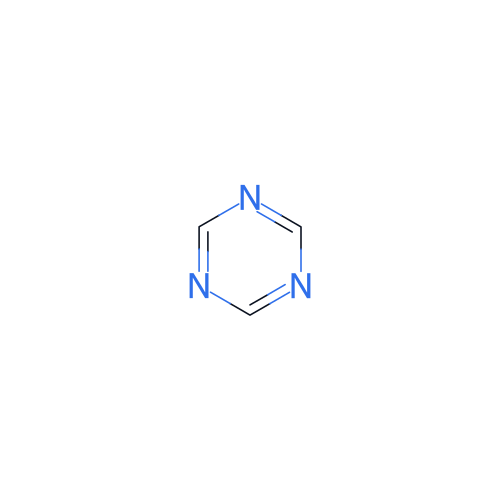
Murcko scaffold
The ring system that remains when every side chain is removed
Safety and hazards
GHS classification summary, not a safety data sheet
Hazard statements
- H351Suspected of causing cancer.
- H373May cause damage to organs through prolonged or repeated exposure.
Precautionary statements (7)
- P203Obtain, read and follow all safety instructions before use.
- P260Do not breathe dust, fume, gas, mist, vapours or spray.
- P280Wear protective gloves, protective clothing, eye protection and face protection.
- P318If exposed or concerned, get medical advice.
- P319Get medical help if you feel unwell.
- P405Store locked up.
- P501Dispose of contents and container in accordance with local regulations.
GHS classification summary, not a safety data sheet (SDS). Classifications can differ by supplier, grade and concentration. Always check the supplier's SDS.
Full safety data and first aidMelamine suppliers
Sponsored listings first, then the documented ranking: membership, verification, replies, completeness, freshness and ratings
- India, ChennaiUnclaimed profileMelamineGrade, purity and minimum order on requestPrice on request
- India, Mumbai ManufacturerUnclaimed profileMelamineGrade, purity and minimum order on requestPrice on request
- China, MudanjiangUnclaimed profileMelamineGrade, purity and minimum order on requestPrice on request
- United States, KatyUnclaimed profileMelamineGrade, purity and minimum order on requestPrice on request
- United States, West Palm BeachUnclaimed profileMelamineGrade, purity and minimum order on requestPrice on request
- Germany, HamburgUnclaimed profileMelamineGrade, purity and minimum order on requestPrice on request
- Price on request
- Belgium, AntwerpenUnclaimed profileMelamineGrade, purity and minimum order on requestPrice on request
- Cyprus, LimassolUnclaimed profileMelamineGrade, purity and minimum order on requestPrice on request
- Price on request
Suppliers marked Unclaimed profile have not claimed their profile yet. They are not verified by CompoundList, their offers are price on request and details may have changed, so please confirm them with the supplier. Company representatives can claim a profile with a business email on the company's own website domain. Our team verifies each claim and sends the result by email.
Where suppliers are based
356 suppliers in 45 countries
Send one request to many suppliers
Choose up to 10 suppliers or let us match your request. Compare quotes side by side, free.
Melamine price
Indicative price range per kg from live supplier offers
Suppliers quote this chemical on request. Send one free request and compare quotes side by side.
Uses and applications
What the substance is used for, by industry and function
Melamine, melamine cyanurate, other melamine salts and guanidine compounds are currently the most used group of nitrogen-containing flame retardants. Melamine is used as a flame retardant additive for polypropylene and polyethylene. Melamine cyanurate is employed commercially as a flame retardant for polyamides and terephthalates (PET/PBT) and is being developed for use in epoxy and polyurethane resins. Melamine phosphate is also used as a flame retardant for terephthalates (PET/PBT) and is currently being developed for use in epoxy and polyurethane flame retardant formulations.
Read more
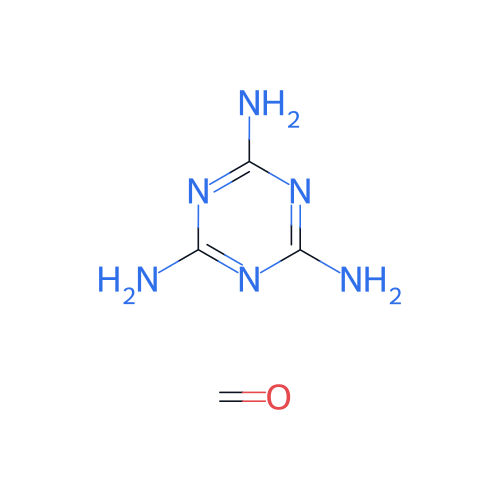
Also in the development stages for use as flame-retardant additives are melamine salts and melamine formaldehyde for their application in thermoset resins.
Melamine resins, organic syntheses, leather tanning.
To make high pressure laminate resins, molding compounds & surface coating resins, textile & paper treating resins, adhesive resins for gluing lumber, plywood, & flooring.
Comonomer with formaldehyde for amino resin prodn.
Plastics -> Typical concentration range in plastic materials -> 25%.
Industrial uses: Flame retardant, Sealant (barrier), Stabilizing agent, Filler, Hardener, Pigment, Adhesion/cohesion promoter.
Consumer uses: Filler, Sealant (barrier), Flame retardant, Surface modifier, Hardener, Pigment, Adhesion/cohesion promoter.
Use classes: Plastics, Pesticide transformation products.
Roles
- metabolite
- xenobiotic metabolite
Functional uses
- Chemical reaction regulator
- Flame retardant
- Monomers
How it is made
Melamine is produced from urea by a high or low pressure process in either one or two stages. In the low pressure route, the reaction is carried out in the vapour phase generally using an alumina catalyst. Urea forms isocyanic acid, which is converted first to cyanamide and then to melamine. In the high pressure process, carried out in the liquid phase without a catalyst, urea forms cyanuric acid which is reacted with ammonia to form melamine.
Read more
Carbon dioxide and ammonia by-products are recycled to urea.
1) by heating urea and ammonia, the resulting mixture of isocyanic acid and ammonia reacts over a solid catalyst at about 400 °C to form melamine, 2) from cyanamide, dicyanamide or cyanuric chloride
Melamine can be synthesized from urea at 390 - 410 °C: ... The overall reaction is endothermic, requiring 649 kJ per mole of melamine starting with molten urea at 135 °C. The processes themselves may be subdivided into two categories: 1. noncatalytic, high-pressure (> or = to 8 MPa) processes, and 2. catalytic, low-pressure processes (ca 1 MPa). Each type includes three stages: synthesis, melamine recovery and purification, and off-gas treatment.
Regulatory status
Inventories, regulations and trade controls that list this substance
Europe
- EU harmonised classification (CLP Annex VI)Index no: 613-345-00-2
Health and food
- EU Cosmetics Regulation Annex II, prohibited in cosmeticsName: 1,3,5-triazine-2,4,6-triamine, melamine, Ref no: 1711, Annex ref: II/1711
United States
- TSCA inventory (USA)Status: Active in US commerce
HS code and trade data
Customs classification and reported world trade statistics
Global trade
World import and export statistics for the HS code Melamine is traded under.
Heterocyclic compounds: containing an unfused triazine ring (whether or not hydrogenated) in the structure…
- China70.1%
- Netherlands8.4%
- Qatar * partner reported6.9%
* Partner reported figures, a lower bound.
The HS code shown for Melamine is indicative (it was matched by name in the HS nomenclature). Confirm the classification with your customs broker before shipping.
Related chemicals
Parent and salt forms, stereoisomers, similar structures and isomers
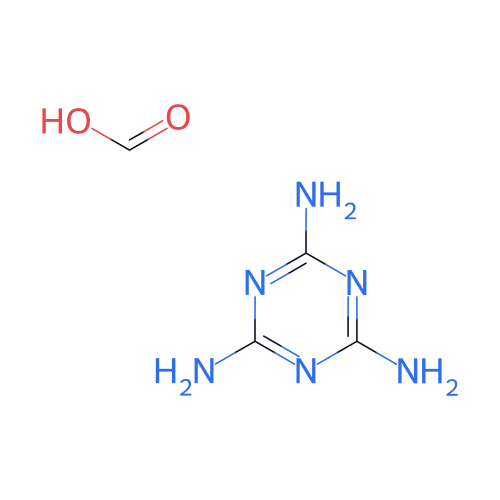
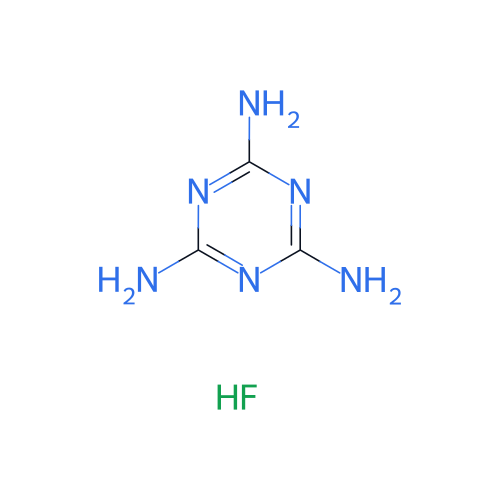
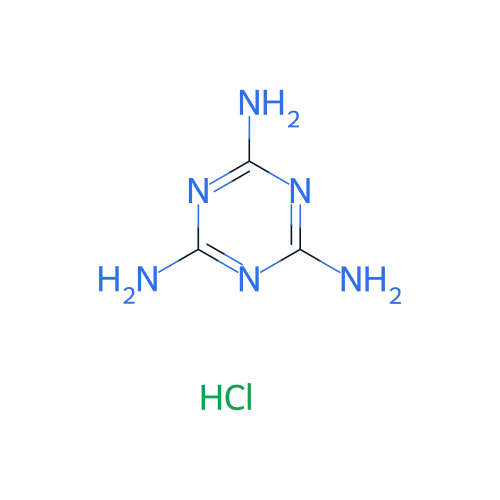
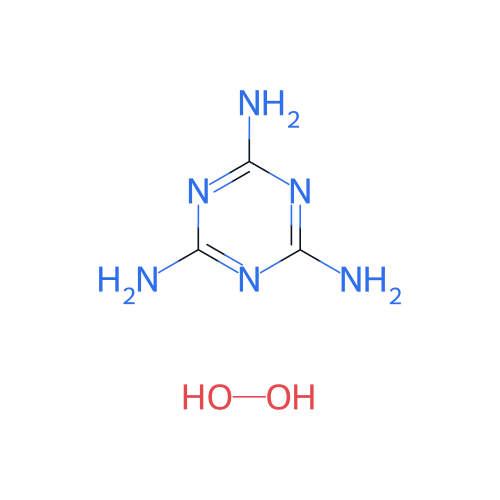
Salt and hydrate forms
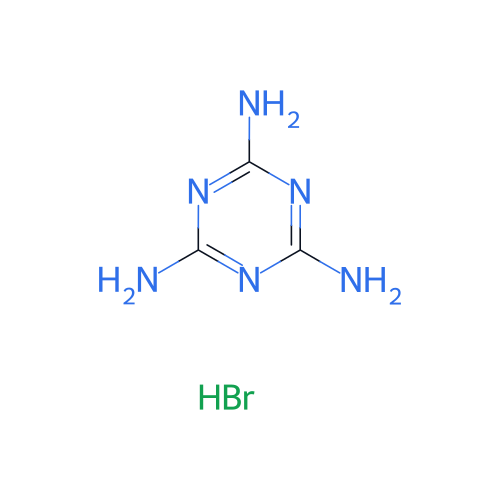
Records that share this compound as their parent
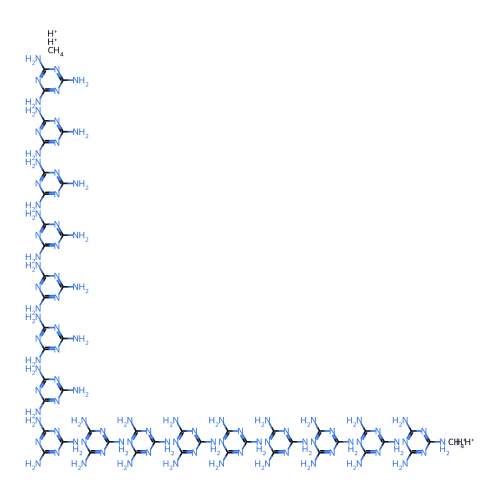

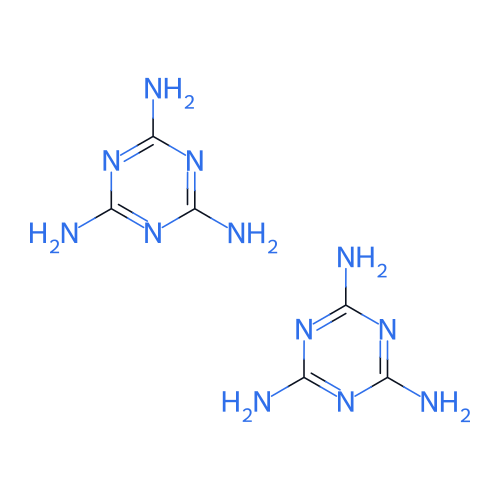
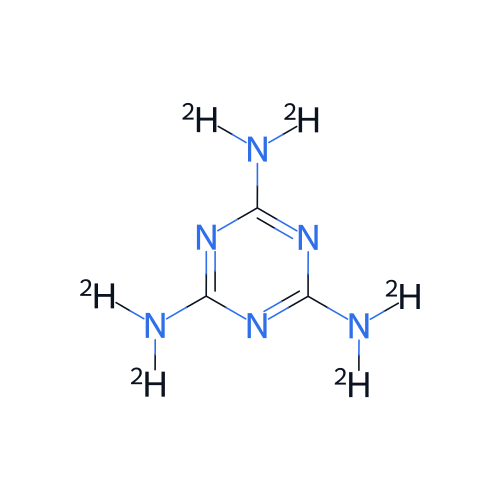
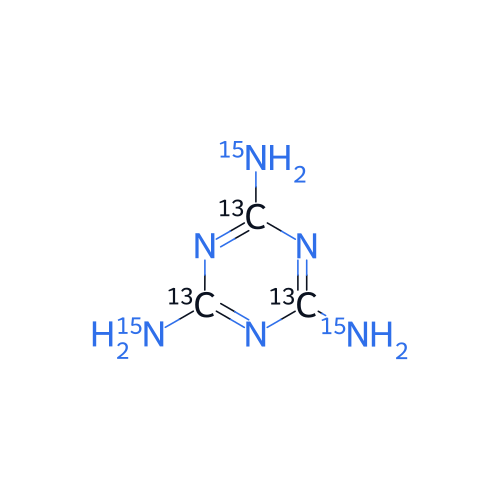
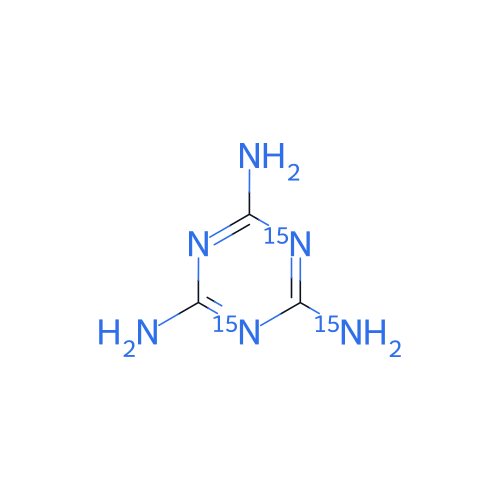
Stereoisomers and isotopic forms
Same connectivity, different stereochemistry or isotopes (same InChIKey skeleton)
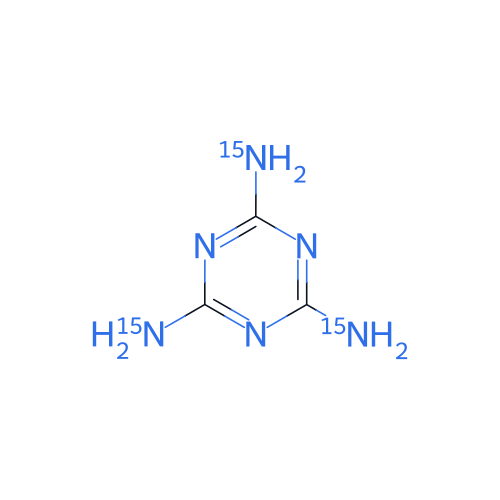
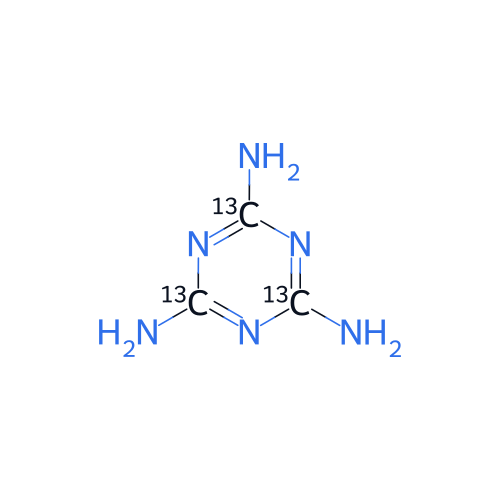
Similar structures
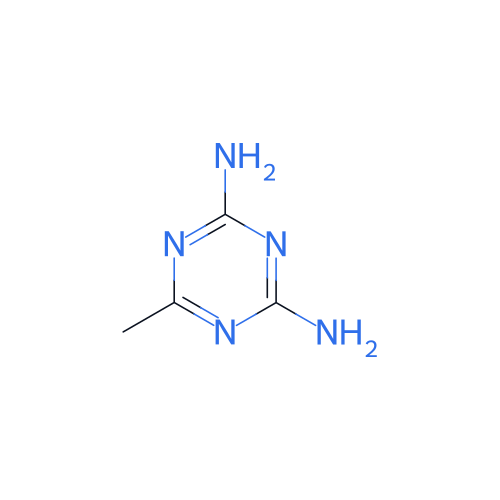
Nearest neighbours by Morgan fingerprint Tanimoto similarity



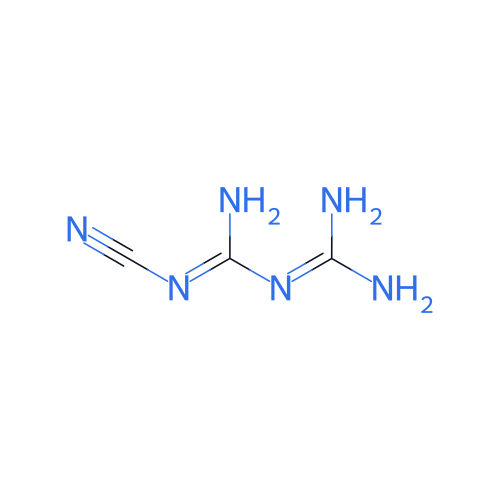
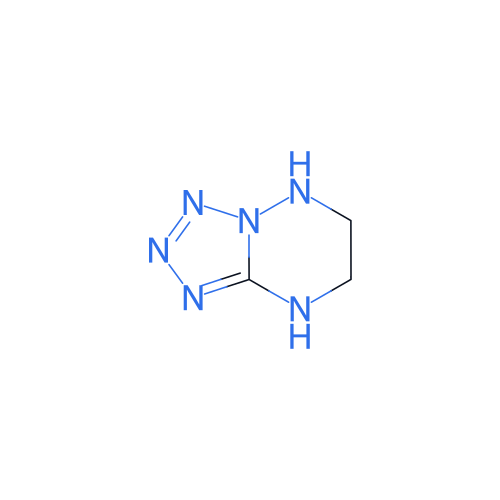
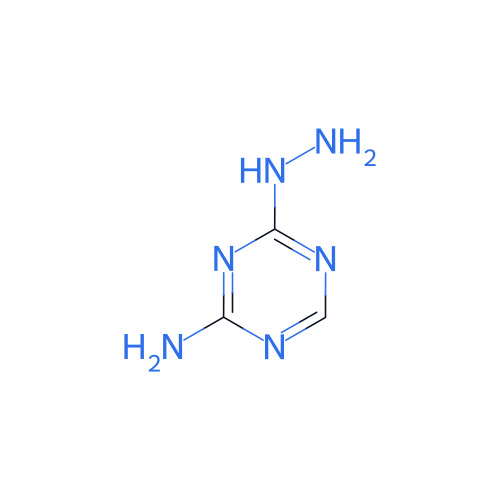
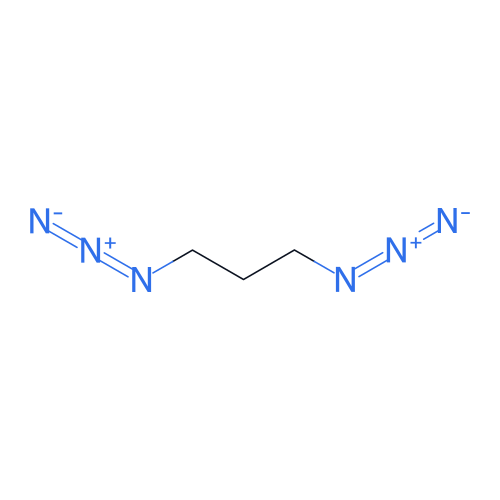
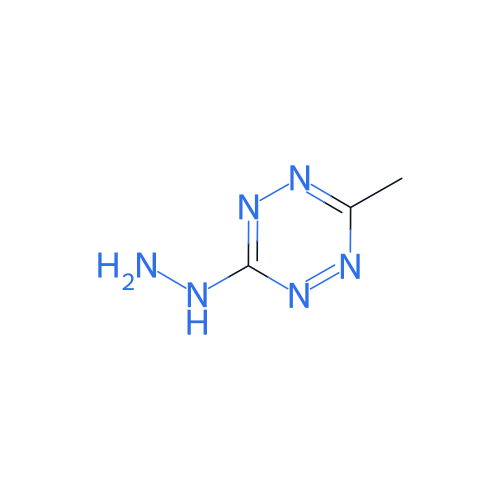
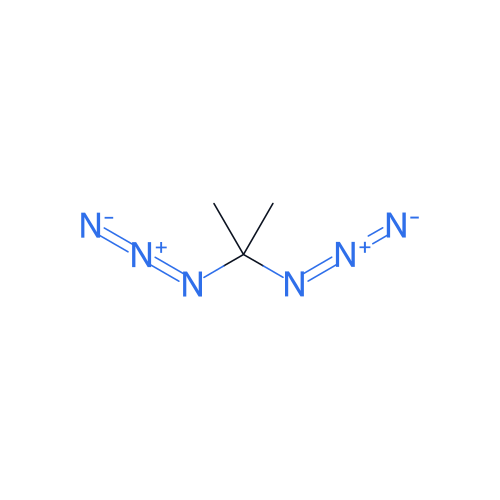
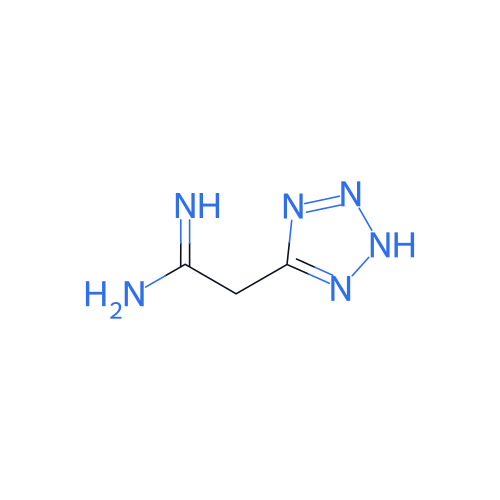
Same formula isomers
Different compounds that share this molecular formula


Frequently asked questions
Quick answers about Melamine, based on the data on this page
What is Melamine?
What is the CAS number of Melamine?
What is the molecular formula and weight of Melamine?
What is Melamine used for?
Is Melamine hazardous?
What is the HS code of Melamine?
Where can I buy Melamine?
Where can I buy Melamine in India?
What is the price of Melamine?
Guides for buyers
Practical guides that help when you source, ship or handle Melamine
- Guide, SafetyHow to read a safety data sheet in 10 minutesA section by section method to pull the essentials out of any 16 section SDS: identity, hazards, composition, storage, PPE, properties, transport and emergency measures.Read
- Guide, SafetyGHS pictograms, signal words and hazard statements explainedA practical guide to the nine GHS pictograms, the signal words Danger and Warning, H and P statements, and how to read a chemical label in seconds.Read
- Article, QualityWhat a certificate of analysis should containThe parts of a complete COA, how to read it against your specification, the warning signs of a weak or copied certificate and how to verify results.Read
Get quotes for Melamine
Embed this structure on your websiteShow code
Paste this code into your page to show the 2D structure of Melamine with a 3D view, its CAS number where known and a link back to this page. Free to use with the link kept.
<iframe src="https://www.compoundlist.com/embed/structure/melamine-108-78-1" title="Melamine structure on CompoundList" width="360" height="420" style="border:1px solid #E7E2DA;border-radius:12px;max-width:100%" loading="lazy" referrerpolicy="strict-origin-when-cross-origin"></iframe>Explore more in Monomers or HS code 293361