Methylene blue
Also known as Basic blue 9, Methylthioninium chloride, Solvent blue 8

Key facts
What buyers check first
- Appearance
- Dark green crystals or powder from chloroform-ethyl ether
- Melting point
- 100 to 110
- Solubility
- In water, 43,600 mg/L at 25 °C.
- HS code
- 320419
- Category
- Basic and cationic dyes

What is Methylene blue?
Plain description, key identifiers and synonyms
Methylene blue is an organic chloride salt having 3,7-bis(dimethylamino)phenothiazin-5-ium as the counterion. A commonly used dye that also exhibits antioxidant, antimalarial, antidepressant and cardioprotective properties. It has a role as an antioxidant, an antimicrobial agent, a physical tracer, an antidepressant, an EC 3.1.1.8 (cholinesterase) inhibitor, an antimalarial, an EC 1.4.3.4 (monoamine oxidase) inhibitor, an acid-base indicator, a fluorochrome, a neuroprotective agent, a histological dye, a cardioprotective agent and an EC 4.6.1.2 (guanylate cyclase) inhibitor. It contains a 3,7-bis(dimethylamino)phenothiazin-5-ium.
Identifiers
Registry numbers, names and line notations, tap to copy
- IUPAC name
- [7-(dimethylamino)phenothiazin-3-ylidene]-dimethylazanium chloride
- CAS number
- 61-73-4 CAS number cross-checkedOther or deprecated CAS: 105504-42-5, 12262-49-6, 150645-86-6, 152071-32-4, 7220-79-3, 97130-83-1
- EC numbers
- 200-515-2, 686-172-3
- Molecular formula
- C16H18ClN3S
- UNII
- 8NAP7826UB
- MDL number
- MFCD00012111
- INCI name
- BASIC BLUE 9
- InChIKey
- CXKWCBBOMKCUKX-UHFFFAOYSA-M
- InChI
- InChI=1S/C16H18N3S.ClH/c1-18(2)11-5-7-13-15(9-11)20-16-10-12(19(3)4)6-8-14(16)17-13;/h5-10H,1-4H3;1H/q+1;/p-1
- SMILES (canonical and isomeric)
- CN(C)C1=CC2=C(C=C1)N=C3C=CC(=[N+](C)C)C=C3S2.[Cl-]
Synonyms
- Basic blue 9
- Methylthioninium chloride
- Solvent blue 8
- Swiss Blue
- C.I. Basic Blue 9
- Chromosmon
- Methylene Blue anhydrous
- Methylene Blue N
- Methylene Blue BB
- Urolene blue
- Methylenium ceruleum
- Methylene Blue chloride
- Bleu de methylene
- Methylene Blue A
- Methylene Blue B
- Methylene Blue D
- Methylene Blue G
- External Blue 1
- Tetramethylene Blue
- Calcozine Blue ZF
- Methylene Blue BD
- Methylene Blue BP
- Methylene Blue BX
- Methylene Blue BZ
- Methylene Blue FZ
Show all 39 synonymsShow fewer synonyms
- Methylene Blue GZ
- Methylene Blue NZ
- Methylene Blue SG
- Methylene Blue SP
- Methylene Blue ZF
- Methylene Blue ZX
- Methylthionine chloride
- Methylenblau
- Methylene Blue 2B
- Methylene Blue BBA
- Methylene Blue BPC
- Methylene Blue HGG
- Methylene Blue IAD
- Methylene Blue JFA
Physical and chemical properties
Measured values and descriptors computed from the structure
Physical and chemical properties
Measured values, check the supplier specification for your grade
| Appearance | Dark green crystals or powder from chloroform-ethyl etherexp.Measured value |
|---|---|
| Odour | Slight odorexp.Measured value |
| Melting point | 100 to 110exp.Measured value |
| Solubility | In water, 43,600 mg/L at 25 °C.exp.Measured value |
Values vary by grade. Ask suppliers for the COA or TDS of the batch you buy.
Computed descriptors
Calculated from the structure, useful for screening and formulation
| Molecular weight | 319.86 g/molcalc.Computed value |
|---|---|
| Exact mass | 319.091 Dacalc.Computed value |
| LogP (octanol/water) | -0.5calc.Computed value |
| Topological polar surface area | 19.14 Ųcalc.Computed value |
| Hydrogen bond donors | 0calc.Computed value |
| Hydrogen bond acceptors | 3calc.Computed value |
| Rotatable bonds | 1calc.Computed value |
| Heavy atoms | 21calc.Computed value |
| Rings | 3calc.Computed value |
| Aromatic rings | 1calc.Computed value |
| Fraction sp3 carbons | 0.25calc.Computed value |
| Formal charge | 0calc.Computed value |
| Stereocentres | 0calc.Computed value |
| Components | 2calc.Computed value |
| Lipinski rule of five | Passes (0 violations)calc.Computed value |
Calculated for screening. Confirm critical figures with the supplier.
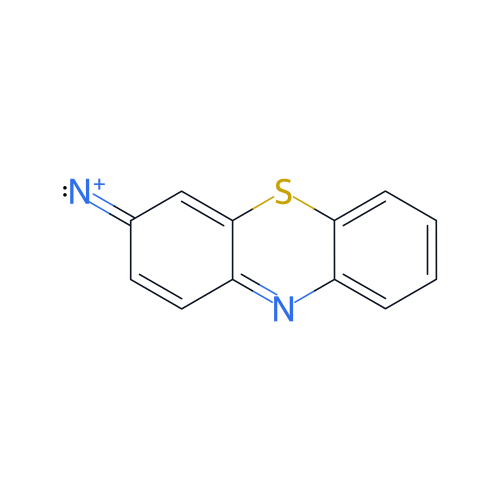
Murcko scaffold
The ring system that remains when every side chain is removed
Safety and hazards
GHS classification summary, not a safety data sheet
Hazard statements
- H302Harmful if swallowed.
- H318Causes serious eye damage.
- H412Harmful to aquatic life with long lasting effects.
Precautionary statements (10)
- P264Wash skin thoroughly after handling.
- P264 + P265Wash skin thoroughly after handling. Do not touch eyes.
- P270Do not eat, drink or smoke when using this product.
- P273Avoid release to the environment.
- P280Wear protective gloves, protective clothing, eye protection and face protection.
- P301 + P317If swallowed: Get medical help.
- P305 + P354 + P338If in eyes: Immediately rinse with water for several minutes. Remove contact lenses, if present and easy to do. Continue rinsing.
- P317Get medical help.
- P330Rinse mouth.
- P501Dispose of contents and container in accordance with local regulations.
GHS classification summary, not a safety data sheet (SDS). Classifications can differ by supplier, grade and concentration. Always check the supplier's SDS.
Full safety data and first aidMethylene blue suppliers
Sponsored listings first, then the documented ranking: membership, verification, replies, completeness, freshness and ratings
- India, Ahmedabad ManufacturerUnclaimed profileMethylene BlueGrade, purity and minimum order on requestPrice on request
- China, Ningbo ManufacturerUnclaimed profileBasic Blue 9Grade, purity and minimum order on requestPrice on request
- Belgium, AartselaarUnclaimed profileMethylene BlueGrade, purity and minimum order on requestPrice on request
- Turkey, Istanbul (Europe)Unclaimed profileMethylene BlueGrade, purity and minimum order on requestPrice on request
- Canada, MississaugaUnclaimed profileMethylene BlueGrade, purity and minimum order on requestPrice on request
- United StatesUnclaimed profileMethylene BlueGrade, purity and minimum order on requestPrice on request
- IndiaUnclaimed profileMethylene BlueGrade, purity and minimum order on requestPrice on request
- PolandUnclaimed profileMethylene BlueGrade, purity and minimum order on requestPrice on request
- India, Mumbai ManufacturerUnclaimed profileMethylene BlueGrade, purity and minimum order on requestPrice on request
- India, Vadodara ManufacturerUnclaimed profileMethylene BlueGrade, purity and minimum order on requestPrice on request
Suppliers marked Unclaimed profile have not claimed their profile yet. They are not verified by CompoundList, their offers are price on request and details may have changed, so please confirm them with the supplier. Company representatives can claim a profile with a business email on the company's own website domain. Our team verifies each claim and sends the result by email.
Where suppliers are based
190 suppliers in 24 countries
- United States48
- India46
- China40
- Germany10
- United Kingdom6
- Canada3
- and 18 more countries
Send one request to many suppliers
Choose up to 10 suppliers or let us match your request. Compare quotes side by side, free.
Methylene blue price
Indicative price range per kg from live supplier offers
Suppliers quote this chemical on request. Send one free request and compare quotes side by side.
Uses and applications
What the substance is used for, by industry and function
Stain in bacteriology, reagent for several chemicals, as mixed indicator, as redox colorimetric agent. Targeting agent for melanoma.
Dyeing cotton and wool, biological and bacteriological stains, reagent in oxidation-reduction titrations in volumetric analysis, indicator.
Methylene blue is mainly used to dye paper and office supplies, but also to tone up silk colors. ... as a stain in microscopy, as a hydrogen acceptor in enzymatic dehydrogenations, as a redox indicator in iodometry and titanometry, and as a cosmetic dye.
Use classes: Cosmetics.
Industries and functions
Cosmetic ingredient, INCI name BASIC BLUE 9(hair dyeing)
Pharmacological actions
- Enzyme Inhibitors
Roles
- acid-base indicator
- antidepressant
- antiinfective agent
- antimalarial
- antimicrobial agent
- antimicrobial drug
- antineoplastic agent
- antioxidant
- antiparasitic agent
- antiprotozoal drug
- cardioprotective agent
- central nervous system drug
- colour indicator
- dye
- fluorescent dye
- fluorochrome
- histological dye
- indicator
- neuroprotective agent
- pharmaceutical
- physical tracer
- protective agent
- tracer
- visual indicator
Functional uses
- Dye
Cosmetic functions
- Hair dyeing
Pharmacology
Methylene Blue is a synthetic basic dye. Methylene blue stains to negatively charged cell components like nucleic acids, when administered in the lymphatic bed of a tumor during oncologic surgery, methylene blue may stain lymph nodes draining from the tumor, thereby aiding in the visual localization of tumor sentinel lymph nodes. When administered intravenously in low doses, this agent may convert methemoglobin to hemoglobin.
How it is made
Methylene blue ... is obtained by oxidation of 4-aminodimethylaniline in the presence of sodium thiosulfate to give the quinonediiminothiosulfonic acid, reaction with dimethylaniline, oxidation to the indamine, and cyclization to give the thiazine. The dye is commercially available as the hydrochloride and as the zinc chloride double salt.
By treating a solution of N,N-dimethyl-p-phenylenediamine and N,N,-dimethylaniline hydrochlorides with H2S and FeCl3 or another suitable oxidizing agent.
By oxidation of p-aminodimethylaniline with ferric chloride in the presence of hydrogen sulfide. The dye is the zinc chloride double salt of the chloride.
Regulatory status
Inventories, regulations and trade controls that list this substance
Health and food
- EU cosmetic ingredient inventory
- EU Cosmetics Regulation Annex II, prohibited in cosmeticsName: Phenothiazin-5-ium, 3,7-bis(dimethylamino)- and its salts, when used as a substance in hair dye products, Ref no: 1306, Annex ref: II/1306
- Active ingredient in FDA approved drug labels
United States
- TSCA inventory (USA)Status: Active in US commerce
HS code and trade data
Customs classification and reported world trade statistics
Global trade
World import and export statistics for the HS code Methylene blue is traded under.
Synthetic organic colouring matter and preparations based thereon as specified in note 3…
- United States23.7%
- India * partner reported12.4%
- China9.0%
* Partner reported figures, a lower bound.
The HS code shown for Methylene blue is indicative (it is known at chapter level only). Confirm the classification with your customs broker before shipping.
Related chemicals
Parent and salt forms, stereoisomers, similar structures and isomers
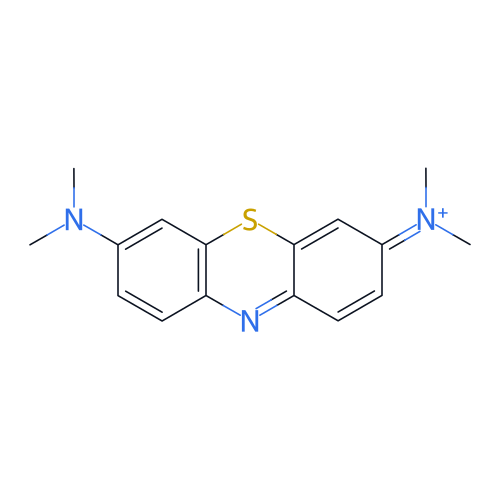
Parent compound
The neutral parent of this salt, hydrate or mixture
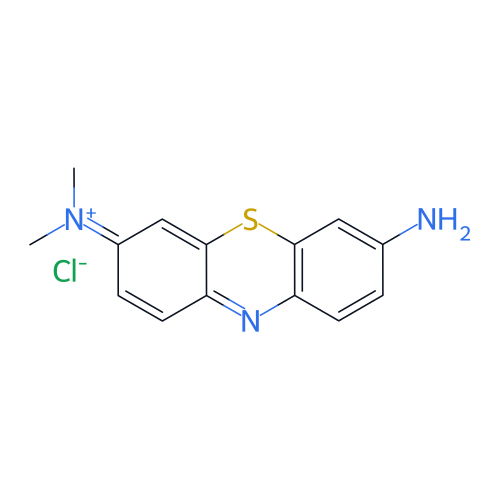
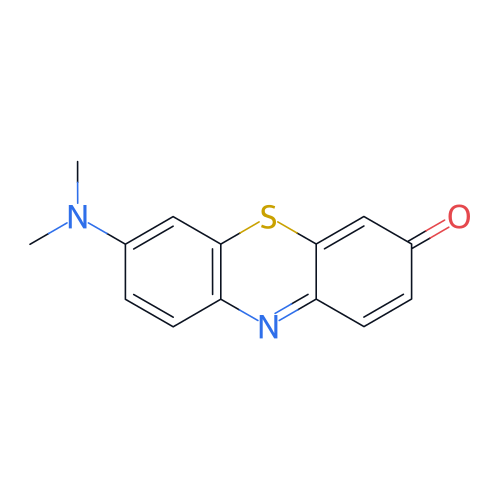
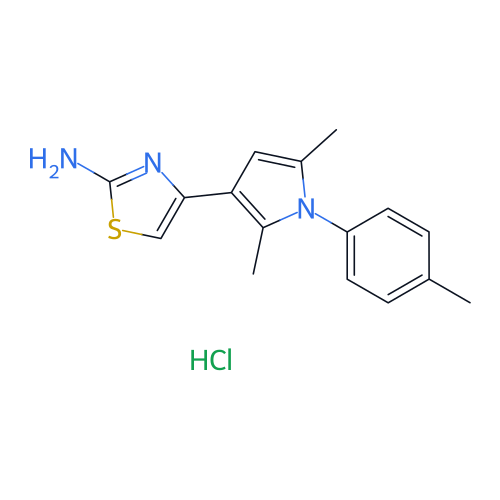
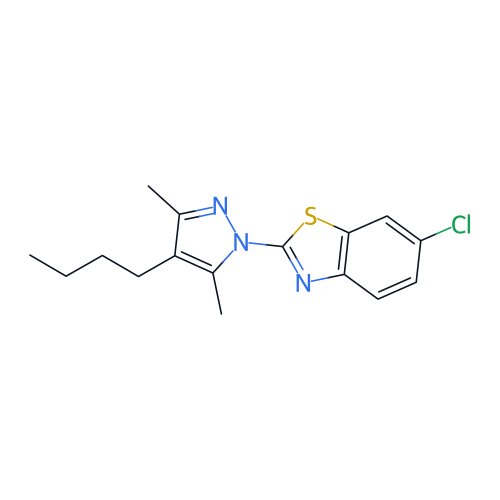
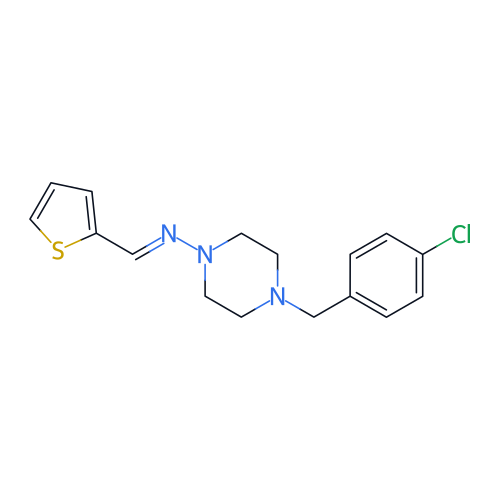
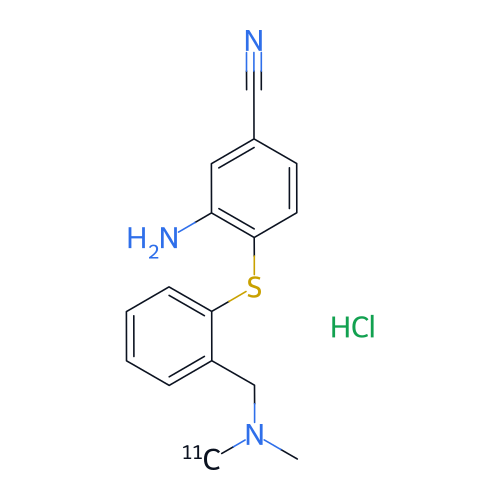
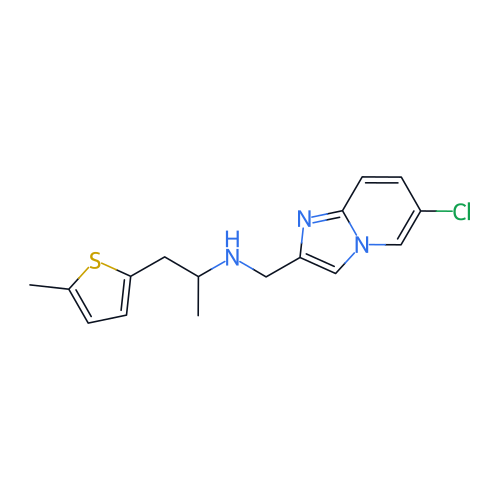
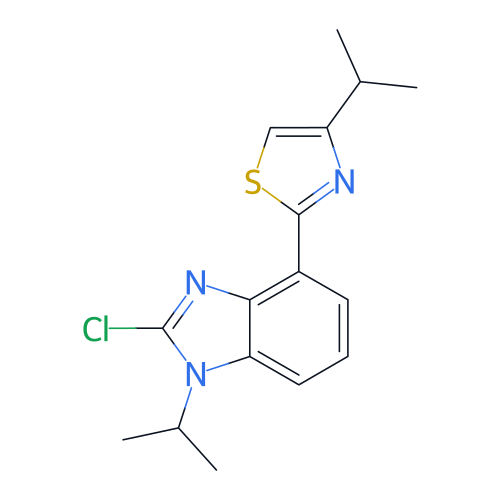
Similar structures
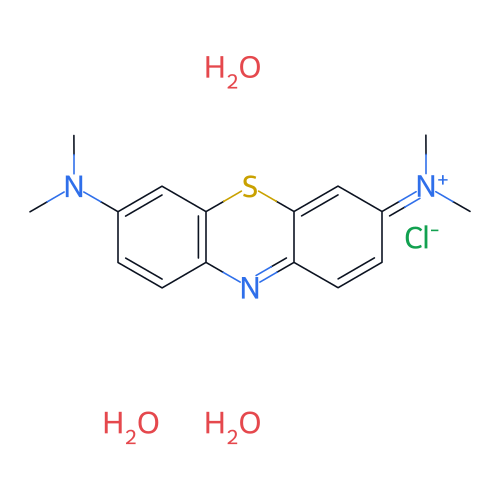
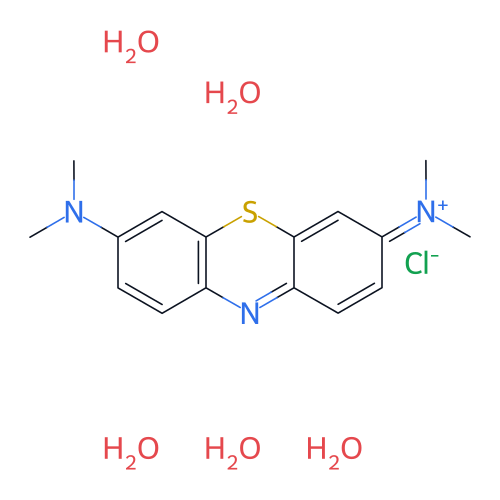
Nearest neighbours by Morgan fingerprint Tanimoto similarity




Same formula isomers
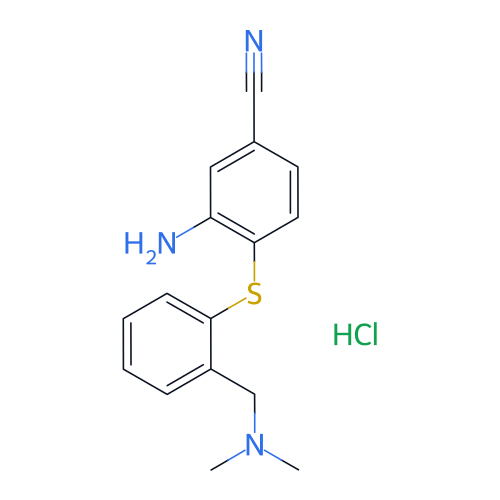
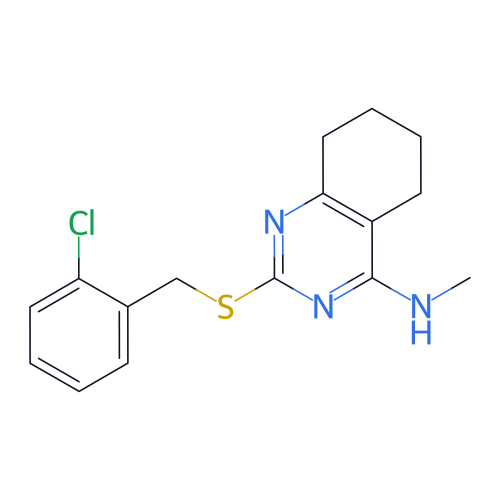
Different compounds that share this molecular formula




Frequently asked questions
Quick answers about Methylene blue, based on the data on this page
What is Methylene blue?
What is Methylene blue used for?
Is Methylene blue hazardous?
Guides for buyers
Practical guides that help when you source, ship or handle Methylene blue
- Article, QualityPharma grades explained: IP vs BP vs USP vs EPWhat the Indian, British, US and European pharmacopoeias are, how their monographs differ, what multi grade claims mean and why a grade alone does not make a product fit for medicines.Read
- Guide, SafetyHow to read a safety data sheet in 10 minutesA section by section method to pull the essentials out of any 16 section SDS: identity, hazards, composition, storage, PPE, properties, transport and emergency measures.Read
- Guide, SafetyGHS pictograms, signal words and hazard statements explainedA practical guide to the nine GHS pictograms, the signal words Danger and Warning, H and P statements, and how to read a chemical label in seconds.Read
Get quotes for Methylene blue
Embed this structure on your websiteShow code
Paste this code into your page to show the 2D structure of Methylene blue with a 3D view, its CAS number where known and a link back to this page. Free to use with the link kept.
<iframe src="https://www.compoundlist.com/embed/structure/methylene-blue-61-73-4" title="Methylene blue structure on CompoundList" width="360" height="420" style="border:1px solid #E7E2DA;border-radius:12px;max-width:100%" loading="lazy" referrerpolicy="strict-origin-when-cross-origin"></iframe>Explore more in Basic and cationic dyes or HS code 320419