Monosodium phosphate
Also known as Sodium dihydrogen phosphate, Sodium acid phosphate, Sodium phosphate, monobasic
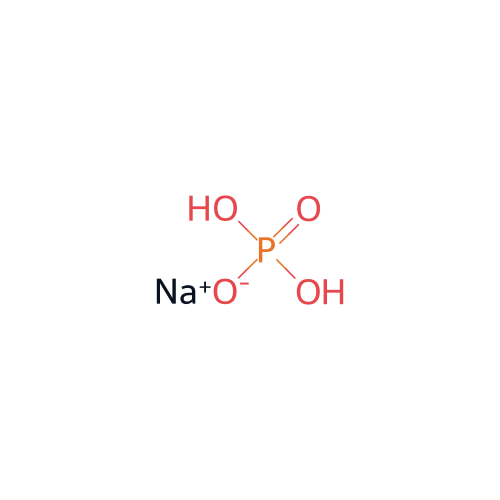
Key facts
What buyers check first
- Appearance
- Colorless, monoclinic crystals
- Melting point
- 200 °C
- Density
- 2360 kg/m³
- Solubility
- White, hygroscopic crystals. Decomp at 100 °C. Solubility: 94.9 g/100 g water at 25 °C.…
- HS code
- 283522
- Category
- Phosphates and phosphorus salts

What is Monosodium phosphate?
Plain description, key identifiers and synonyms
Sodium dihydrogenphosphate is a sodium phosphate.
Identifiers
Registry numbers, names and line notations, tap to copy
- IUPAC name
- sodium dihydrogen phosphate
- CAS number
- 7558-80-7 CAS number cross-checkedOther or deprecated CAS: 89140-32-9
- EC numbers
- 231-449-2, 618-243-1, 682-159-1, 686-250-7
- Molecular formula
- H2NaO4P
- UNII
- KH7I04HPUU
- InChIKey
- AJPJDKMHJJGVTQ-UHFFFAOYSA-M
- InChI
- InChI=1S/Na.H3O4P/c;1-5(2,3)4/h;(H3,1,2,3,4)/q+1;/p-1
- SMILES (canonical and isomeric)
- OP(=O)(O)[O-].[Na+]
Synonyms
- Sodium dihydrogen phosphate
- Sodium acid phosphate
- Sodium phosphate, monobasic
- Sodium primary phosphate
- Acid sodium phosphate
- Monosodium monophosphate
- Monobasic sodium phosphate
- Monosodium dihydrogen orthophosphate
- Monosodium phosphate, anhydrous
- Monosodium orthophosphate
- Monosorb XP-4
- Primary sodium phosphate
- Sodium dihydrogen phosphate, anhydrous
- Sodium phosphate (Na(H2PO4))
- Sodium biphosphate anhydrous
- Monosodium hydrogen phosphate
- Sodium biphosphate, anhydrous
- Sodium orthophosphate, primary
- Sodium dihydrogen monophosphate
- Sodium orthophosphate monobasic
- Sodium phosphate,monobasic
- Sodium dihydrogen phosphate (1:2:1)
- Sodium monobasic phosphate (NaH2PO4)
- Sodium dihydrogen phosphate (NaH2PO4)
- INS NO.339(I)
Show all 37 synonymsShow fewer synonyms
- INS-339(I)
- Monosodium dihydrogen monophosphate
- Sodium phosphate, monobasic anhydrous
- Sodium phosphate, monobasic, anhydrous
- Sodium phosphate monobasic (anhydrate)
- Sodium phosphate monobasic (anhydrous)
- E-339(I)
- phosphoric acid, monosodium salt, anhydrous
- Ionosol Mb
- Ionosol B
- Ionosol T
- Sodium phosphate monobasic
Physical and chemical properties
Measured values and descriptors computed from the structure
Physical and chemical properties
Measured values, check the supplier specification for your grade
| Appearance | Colorless, monoclinic crystalsexp.Measured value |
|---|---|
| Odour | Odorlessexp.Measured value |
| Melting point | 200 °Cexp.Measured value |
| Density | 2360 kg/m³exp.Measured value |
| Solubility | White, hygroscopic crystals. Decomp at 100 °C. Solubility: 94.9 g/100 g water at 25 °C. Insoluble in ethanol. /Sodium dihydrogen phosphate monohydrate/exp.Measured value |
Values vary by grade. Ask suppliers for the COA or TDS of the batch you buy.
Computed descriptors
Calculated from the structure, useful for screening and formulation
| Molecular weight | 119.98 g/molcalc.Computed value |
|---|---|
| Exact mass | 119.9588 Dacalc.Computed value |
| LogP (octanol/water) | -4.56calc.Computed value |
| Topological polar surface area | 80.59 Ųcalc.Computed value |
| Hydrogen bond donors | 2calc.Computed value |
| Hydrogen bond acceptors | 2calc.Computed value |
| Rotatable bonds | 0calc.Computed value |
| Heavy atoms | 6calc.Computed value |
| Rings | 0calc.Computed value |
| Aromatic rings | 0calc.Computed value |
| Fraction sp3 carbons | 0calc.Computed value |
| Formal charge | 0calc.Computed value |
| Stereocentres | 0calc.Computed value |
| Components | 2calc.Computed value |
Calculated for screening. Confirm critical figures with the supplier.
Safety and hazards
GHS classification summary, not a safety data sheet
Hazard statements
- H319Causes serious eye irritation.
Precautionary statements (4)
- P264 + P265Wash skin thoroughly after handling. Do not touch eyes.
- P280Wear protective gloves, protective clothing, eye protection and face protection.
- P305 + P351 + P338If in eyes: Rinse cautiously with water for several minutes. Remove contact lenses, if present and easy to do. Continue rinsing.
- P337 + P317If eye irritation persists: Get medical help.
GHS classification summary, not a safety data sheet (SDS). Classifications can differ by supplier, grade and concentration. Always check the supplier's SDS.
Full safety data and first aidMonosodium phosphate suppliers
Sponsored listings first, then the documented ranking: membership, verification, replies, completeness, freshness and ratings
- United Kingdom, Brentwood ManufacturerUnclaimed profileMonosodium phosphateGrade, purity and minimum order on requestPrice on request
- India, Vadodara ManufacturerUnclaimed profileSodium Phosphate MonobasicGrade, purity and minimum order on requestPrice on request
- India, ChennaiUnclaimed profileSodium phosphate monobasicGrade, purity and minimum order on requestPrice on request
- India, Indore ManufacturerUnclaimed profileMono Sodium Phosphate AnhydrousGrade, purity and minimum order on requestPrice on request
- China, Changsha ManufacturerUnclaimed profileMonobasic Sodium PhosphateGrade, purity and minimum order on requestPrice on request
- Germany, HamburgUnclaimed profileMonosodium phosphateGrade, purity and minimum order on requestPrice on request
- Japan, Chiyoda-KuUnclaimed profileMonosodium phosphateGrade, purity and minimum order on requestPrice on request
- Thailand, Phra PradaengUnclaimed profileMonosodium phosphateGrade, purity and minimum order on requestPrice on request
- United StatesUnclaimed profileSodium Phosphate MonobasicGrade, purity and minimum order on requestPrice on request
- India, Ahmedabad ManufacturerUnclaimed profileMonobasic sodium phosphateGrade, purity and minimum order on requestPrice on request
Suppliers marked Unclaimed profile have not claimed their profile yet. They are not verified by CompoundList, their offers are price on request and details may have changed, so please confirm them with the supplier. Company representatives can claim a profile with a business email on the company's own website domain. Our team verifies each claim and sends the result by email.
Where suppliers are based
288 suppliers in 31 countries
- United States80
- India63
- China59
- United Kingdom13
- Germany8
- Japan6
- and 25 more countries
Send one request to many suppliers
Choose up to 10 suppliers or let us match your request. Compare quotes side by side, free.
Monosodium phosphate price
Indicative price range per kg from live supplier offers
Suppliers quote this chemical on request. Send one free request and compare quotes side by side.
Uses and applications
What the substance is used for, by industry and function
The active ingredient is no longer contained in any registered pesticide products ... "cancelled.".
PH Buffer.
In baking powders, in boiler water treatment, as dry acidulant and sequestrant for foods.
Industrial uses: Surface modifier, Processing aids, specific to petroleum production, Anti-scaling agent, Intermediate, Chelating agent, Adhesion/cohesion promoter, Corrosion inhibitor, Thickening agent.
Consumer uses: Cleaning agent, Corrosion inhibitor, Thickening agent, Soil amendments (fertilizers), Anti-scaling agent, Laboratory chemicals, Flavoring and nutrient.
Use classes: Food additives, Cosmetics.
Industries and functions
Roles
- antiinfective agent
- laxative
- pharmaceutical
Functional uses
- Anti-caking agent
- Biocide
- Chelating agent
- Corrosion inhibitor
- Drier
- Emulsifier
- Flavouring and nutrient
- Fragrance
- Humectant
- Leavening agent
- Pharmaceutical
- pH regulating agent
How it is made
Sodium monophosphates are usually produced by neutralization of phosphoric acid with soda ash or caustic soda. The latter is predominantly used in Germany, while in the United States, the less expensive soda ash prevails. The basicity of sodium carbonate is insufficient for the formation of trisodium phosphate, so that caustic soda must be used in this step. The phosphates crystallize from the solutions as hydrates and are separated by centrifugation. Anhydrous salts are obtained by dehydration in rotary dryers or directly from the solutions by spray drying or in rotary kilns.
Read more
Both thermal phosphoric acid and the cheaper wet phosphoric acid are used as starting materials. The very pure thermal phosphoric acid is generally used in the production of food-grade phosphates. (Sodium monophosphates)
Thermal phosphoric acid is used preferentially for production of monosodium phosphate. Wet phosphoric acid is less suitable because the impurities are only partially precipitated in the neutralization with soda ash or caustic soda up to the first stage, so that additional recrystallization would be required to purify the phosphate. The dihydrate and the anhydrous salt are the usual commercial forms.
By treating disodium phosphate with proper proportion of phosphoric acid.
Regulatory status
Inventories, regulations and trade controls that list this substance
Health and food
- Food additive
United States
- TSCA inventory (USA)Status: Active in US commerce
HS code and trade data
Customs classification and reported world trade statistics
Global trade
World import and export statistics for the HS code Monosodium phosphate is traded under.
Phosphates of mono- or disodium, whether or not chemically defined
- Germany37.2%
- China20.8%
- United States11.3%
- United States16.5%
- Malaysia4.5%
- Ireland4.4%
The HS code shown for Monosodium phosphate is indicative (it was assigned by structure rules). Confirm the classification with your customs broker before shipping.
Related chemicals
Parent and salt forms, stereoisomers, similar structures and isomers
Stereoisomers and isotopic forms
Same connectivity, different stereochemistry or isotopes (same InChIKey skeleton)


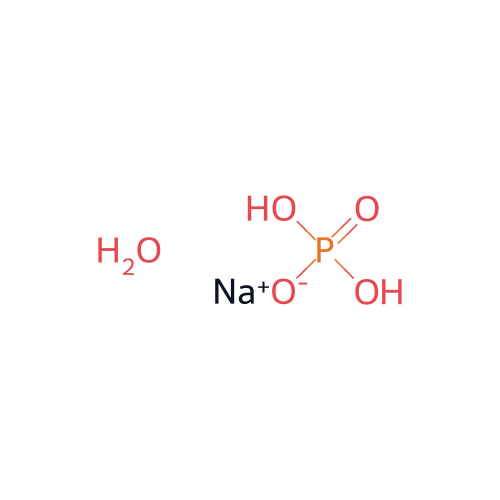
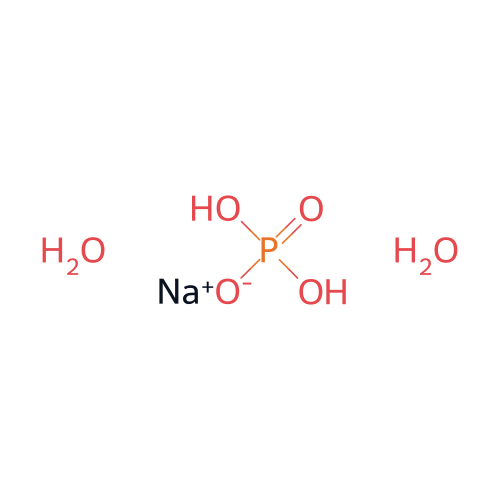
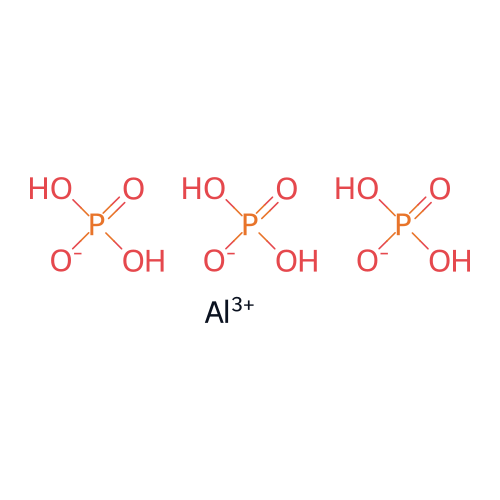
Similar structures
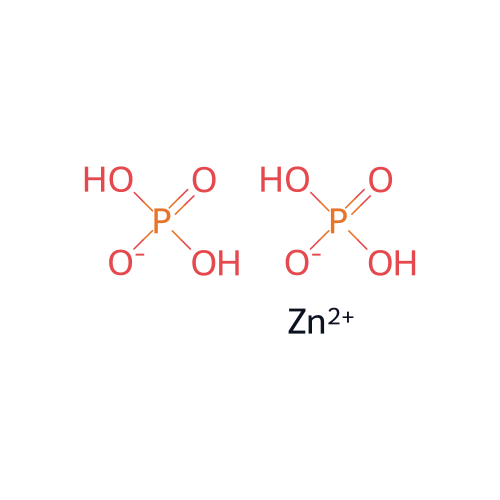
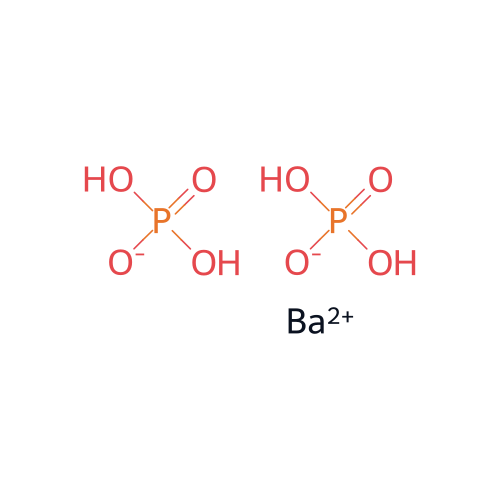
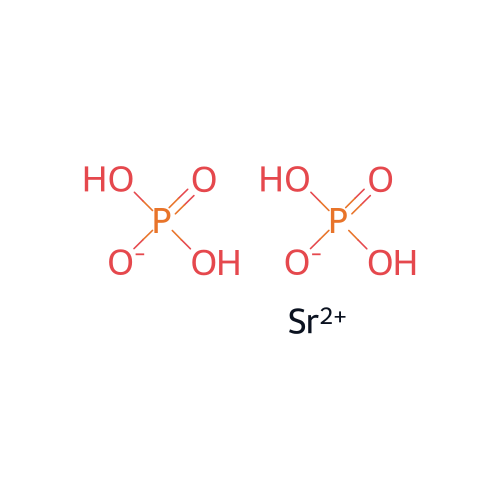
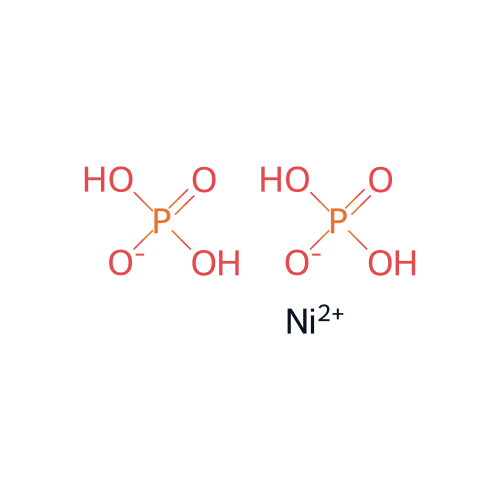
Nearest neighbours by Morgan fingerprint Tanimoto similarity



Frequently asked questions
Quick answers about Monosodium phosphate, based on the data on this page
What is Monosodium phosphate?
What is Monosodium phosphate used for?
Is Monosodium phosphate hazardous?
Guides for buyers
Practical guides that help when you source, ship or handle Monosodium phosphate
- Guide, SafetyHow to read a safety data sheet in 10 minutesA section by section method to pull the essentials out of any 16 section SDS: identity, hazards, composition, storage, PPE, properties, transport and emergency measures.Read
- Guide, Trade and logisticsShipping dangerous goods: UN numbers, classes and packing groupsHow the UN dangerous goods system works for chemicals, from the nine classes and UN numbers to packing groups, UN packaging marks, labels, documents and segregation.Read
- Guide, SafetyGHS pictograms, signal words and hazard statements explainedA practical guide to the nine GHS pictograms, the signal words Danger and Warning, H and P statements, and how to read a chemical label in seconds.Read
Get quotes for Monosodium phosphate
Embed this structure on your websiteShow code
Paste this code into your page to show the 2D structure of Monosodium phosphate with a 3D view, its CAS number where known and a link back to this page. Free to use with the link kept.
<iframe src="https://www.compoundlist.com/embed/structure/monosodium-phosphate-7558-80-7" title="Monosodium phosphate structure on CompoundList" width="360" height="420" style="border:1px solid #E7E2DA;border-radius:12px;max-width:100%" loading="lazy" referrerpolicy="strict-origin-when-cross-origin"></iframe>Explore more in Phosphates and phosphorus salts or HS code 283522