Caffeine
Also known as Guaranine, 1,3,7-Trimethylxanthine, Methyltheobromine

Key facts
What buyers check first
- Appearance
- White, prismatic crystals
- Melting point
- 236.2 °C
- Boiling point
- 178 °C
- Density
- 1.23 g/cm³
- Solubility
- Solubility in water is increased by alkali benzoates, cinnamates, citrates or salicylates
- HS code
- 293930
- Category
- Central nervous system drugs
- UN number
- UN 1544
What is Caffeine?
Plain description, key identifiers and synonyms
Caffeine is a trimethylxanthine in which the three methyl groups are located at positions 1, 3, and 7. A purine alkaloid that occurs naturally in tea and coffee. It has a role as a geroprotector, a mutagen, a central nervous system stimulant, a psychotropic drug, a diuretic, a xenobiotic, an EC 3.1.4.* (phosphoric diester hydrolase) inhibitor, an EC 2.7.11.1 (non-specific serine/threonine protein kinase) inhibitor, an adenosine A2A receptor antagonist, an adjuvant, a food additive, a ryanodine receptor agonist, an adenosine receptor antagonist, a mouse metabolite, a plant metabolite, a fungal metabolite, an environmental contaminant and a human blood serum metabolite. It is a purine alkaloid and a trimethylxanthine.
Caffeine is a chemical compound used as a stimulant.
Identifiers
Registry numbers, names and line notations, tap to copy
- IUPAC name
- 1,3,7-trimethylpurine-2,6-dione
- CAS number
- 58-08-2 CAS number cross-checkedOther or deprecated CAS: 114303-55-8
- EC numbers
- 200-362-1, 619-173-4
- Molecular formula
- C8H10N4O2
- UNII
- 3G6A5W338E
- MDL number
- MFCD00005758
- INCI name
- CAFFEINE
- InChIKey
- RYYVLZVUVIJVGH-UHFFFAOYSA-N
- InChI
- InChI=1S/C8H10N4O2/c1-10-4-9-6-5(10)7(13)12(3)8(14)11(6)2/h4H,1-3H3
- SMILES (canonical and isomeric)
- CN1C=NC2=C1C(=O)N(C(=O)N2C)C
Synonyms
- Guaranine
- 1,3,7-Trimethylxanthine
- Methyltheobromine
- Theine
- Thein
- Cafeina
- Caffein
- Cafipel
- Koffein
- Mateina
- Alert-pep
- Coffeine
- Anhydrous caffeine
- Refresh'n
- Caffedrine
- Vivarin
- Stim
- No-Doz
- Cafamil
- Cafecon
- Caffine
- Dexitac
- Nodaca
- 7-Methyltheophylline
- Eldiatric C
Show all 39 synonymsShow fewer synonyms
- Durvitan
- Hycomine
- Organex
- Nix Nap
- Methyltheobromide
- Coffeinum
- Coffein
- 3,7-Dihydro-1,3,7-trimethyl-1H-purine-2,6-dione
- Tirend
- 1,3,7-Trimethylpurine-2,6-dione
- 1,3,7-Trimethyl-2,6-dioxopurine
- Tri-Aqua
- Kofein
- Caffeine, anhydrous
Physical and chemical properties
Measured values and descriptors computed from the structure
Physical and chemical properties
Measured values, check the supplier specification for your grade
| Appearance | White, prismatic crystalsexp.Measured value |
|---|---|
| Odour | Odorlessexp.Measured value |
| Taste | Bitter tasteexp.Measured value |
| Melting point | 236.2 °Cexp.Measured value |
| Boiling point | 178 °Cexp.Measured value |
| Density | 1.23 g/cm³exp.Measured value |
| Solubility | Solubility in water is increased by alkali benzoates, cinnamates, citrates or salicylatesexp.Measured value |
| Vapour pressure | 9.0 × 10⁻⁷ mm Hg at 25 °C /Extrapolated/exp.Measured value |
Values vary by grade. Ask suppliers for the COA or TDS of the batch you buy.
Computed descriptors
Calculated from the structure, useful for screening and formulation
| Molecular weight | 194.19 g/molcalc.Computed value |
|---|---|
| Exact mass | 194.0804 Dacalc.Computed value |
| LogP (octanol/water) | -1.03calc.Computed value |
| Topological polar surface area | 61.82 Ųcalc.Computed value |
| Hydrogen bond donors | 0calc.Computed value |
| Hydrogen bond acceptors | 3calc.Computed value |
| Rotatable bonds | 0calc.Computed value |
| Heavy atoms | 14calc.Computed value |
| Rings | 2calc.Computed value |
| Aromatic rings | 2calc.Computed value |
| Fraction sp3 carbons | 0.38calc.Computed value |
| Formal charge | 0calc.Computed value |
| Stereocentres | 0calc.Computed value |
| Lipinski rule of five | Passes (0 violations)calc.Computed value |
Calculated for screening. Confirm critical figures with the supplier.
Murcko scaffold
The ring system that remains when every side chain is removed
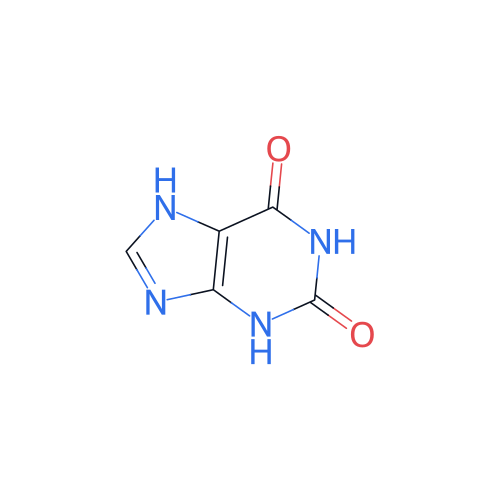
O=c1[nH]c(=O)c2[nH]cnc2[nH]1
2 rings, 11 atoms, the Xanthine ring system.
1,880 other chemicals share this scaffoldSafety and hazards
GHS classification summary, not a safety data sheet
Hazard statements
- H302Harmful if swallowed.
Precautionary statements (5)
- P264Wash skin thoroughly after handling.
- P270Do not eat, drink or smoke when using this product.
- P301 + P317If swallowed: Get medical help.
- P330Rinse mouth.
- P501Dispose of contents and container in accordance with local regulations.
- UN number
- UN 1544
- Transport hazard class
- 6.1
GHS classification summary, not a safety data sheet (SDS). Classifications can differ by supplier, grade and concentration. Always check the supplier's SDS.
Full safety data and first aidCaffeine suppliers
Sponsored listings first, then the documented ranking: membership, verification, replies, completeness, freshness and ratings
- India, Mumbai ManufacturerUnclaimed profileCaffeineGrade, purity and minimum order on requestPrice on request
- China, GuangzhouUnclaimed profileCaffeineGrade, purity and minimum order on requestPrice on request
- United States, West Palm BeachUnclaimed profileCaffeineGrade, purity and minimum order on requestPrice on request
- United States, WayneUnclaimed profileCaffeineGrade, purity and minimum order on requestPrice on request
- Germany, HamburgUnclaimed profileCaffeineGrade, purity and minimum order on requestPrice on request
- Italy, VimercateUnclaimed profileCaffeineGrade, purity and minimum order on requestPrice on request
- Spain, Madrid ManufacturerUnclaimed profileCaffeineGrade, purity and minimum order on requestPrice on request
- Spain, Barbera Del Valles ManufacturerUnclaimed profileCaffeineGrade, purity and minimum order on requestPrice on request
- Indonesia, Kota Administrasi Jakarta SelatanUnclaimed profileCaffeineGrade, purity and minimum order on requestPrice on request
- China, ShanghaiUnclaimed profileCaffeineGrade, purity and minimum order on requestPrice on request
Suppliers marked Unclaimed profile have not claimed their profile yet. They are not verified by CompoundList, their offers are price on request and details may have changed, so please confirm them with the supplier. Company representatives can claim a profile with a business email on the company's own website domain. Our team verifies each claim and sends the result by email.
Where suppliers are based
276 suppliers in 40 countries
- India65
- United States49
- China30
- Germany17
- United Kingdom12
- Canada11
- and 34 more countries
Send one request to many suppliers
Choose up to 10 suppliers or let us match your request. Compare quotes side by side, free.
Caffeine price
Indicative price range per kg from live supplier offers
Suppliers quote this chemical on request. Send one free request and compare quotes side by side.
Uses and applications
What the substance is used for, by industry and function
Beverages, medicine.
Caffeine is a substance in wide use. It is predominantly used in the food sector and pharma sector (80% and 16% rspectively). A smaller part is used in cosmetics (3%) or in technical applications (1%). Furthermore caffeine is a naturally occurring substance in various plant species (e.g. 0.9 to 2.6% in green coffee beans). It is a component in coffee, tea and cocoa.
Stimulant for central nervous and respiratory systems, cardiac and respiratory stimulant, diuretic.
Use classes: Natural products, Cosmetics.
Industries and functions
Cosmetic ingredient, INCI name CAFFEINE(skin conditioning, perfuming, fragrance)
Pharmacological actions
- Central Nervous System Stimulants
- Phosphodiesterase Inhibitors
- Purinergic P1 Receptor Antagonists
Roles
- adenosine receptor antagonist
- adjuvant
- analgesic
- anti-anaemic agent
- anti-arrhythmia drug
- anti-inflammatory agent
- anti-obesity agent
- antineoplastic agent
- antiparkinson drug
- antipsoriatic
- antirheumatic drug
- antiviral agent
- cardiovascular drug
- central nervous system stimulant
- dermatologic drug
- diuretic
- environmental contaminant
- food additive
- geroprotector
- hypoglycemic agent
- immunosuppressive agent
- psychotropic drug
- vasoconstrictor agent
- xenobiotic
Functional uses
- Biocide
- Deodorizer
- Flavouring and nutrient
- Fragrance
- Pharmaceutical
- Softener and conditioner
Cosmetic functions
- Fragrance
- Perfuming
- Skin conditioning
Pharmacology
Caffeine is a Central Nervous System Stimulant and Methylxanthine. The physiologic effect of caffeine is by means of Central Nervous System Stimulation.
How it is made
Usually obtained from tea dust in which it is present up to 5% or as a by-product from the manufacture of caffeine-free coffee, synthetically prepared starting with dimethylurea and malonic acid.
Caffeine occurs naturally in tea and coffee, but is prepared synthetically for commercial drug use.
Caffeine is isolated by solvent extraction from green coffee beans and tea leaves. The Zosel high-pressure extraction process is a more sophisticated procedure involving supercritical carbon dioxide, resulting in mild, selective, and toxicologically safe decaffeination.
Regulatory status
Inventories, regulations and trade controls that list this substance
Europe
- EU harmonised classification (CLP Annex VI)Index no: 613-086-00-5
Health and food
- EU cosmetic ingredient inventory
- Active ingredient in FDA approved drug labels
United States
- TSCA inventory (USA)Status: Active in US commerce
HS code and trade data
Customs classification and reported world trade statistics
Global trade
World import and export statistics for the HS code Caffeine is traded under.
Caffeine and its salts
- United States20.7%
- Germany12.7%
- Ireland11.7%
* Partner reported figures, a lower bound.
The HS code shown for Caffeine is indicative (it was matched by name in the HS nomenclature). Confirm the classification with your customs broker before shipping.
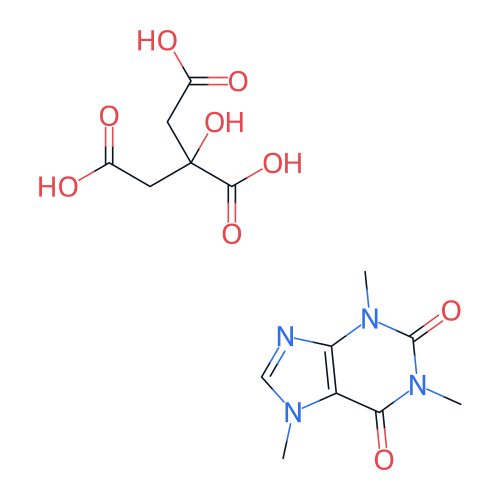
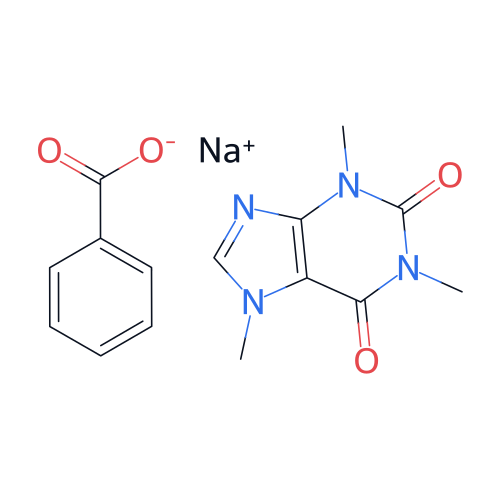
Related chemicals
Parent and salt forms, stereoisomers, similar structures and isomers
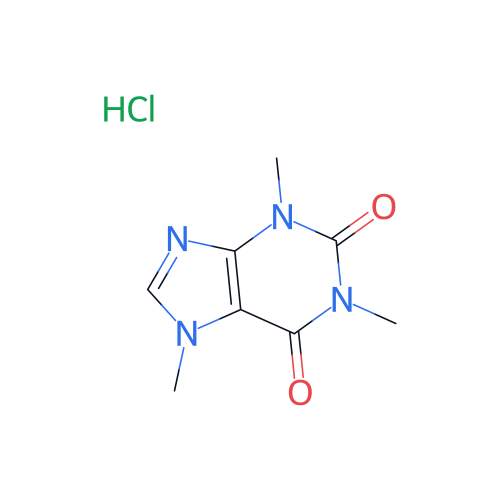
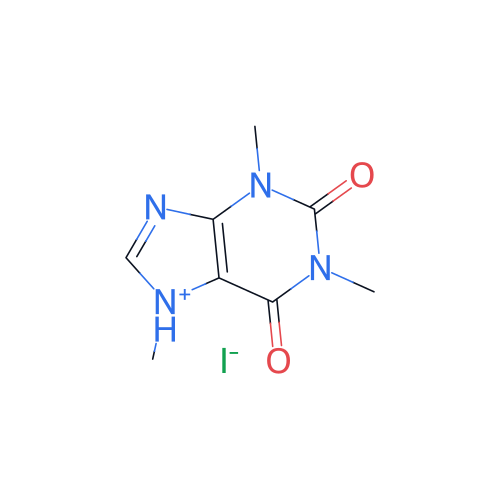
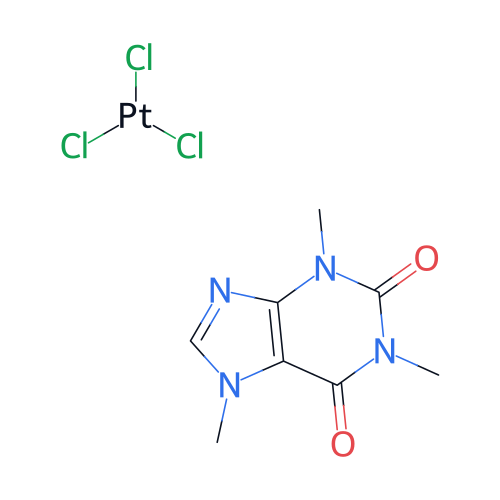
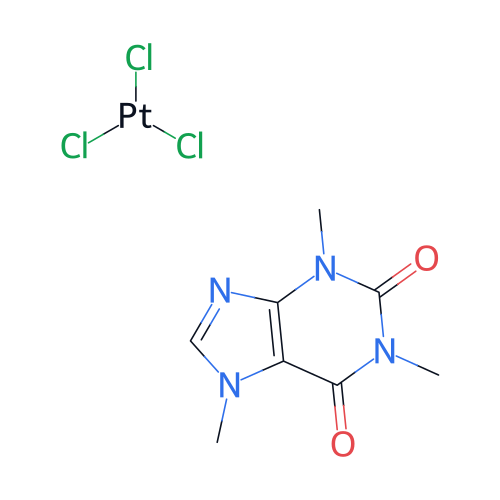
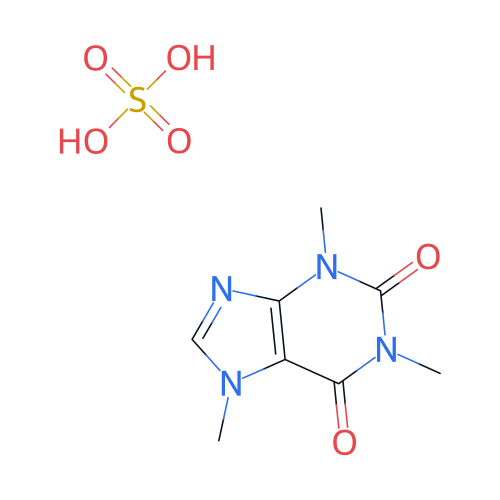
Salt and hydrate forms
Records that share this compound as their parent




Stereoisomers and isotopic forms
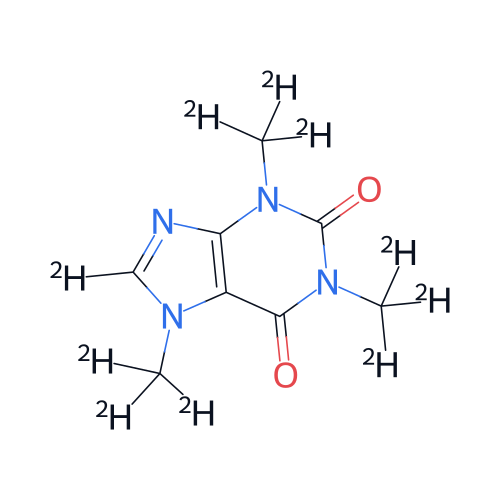
Same connectivity, different stereochemistry or isotopes (same InChIKey skeleton)




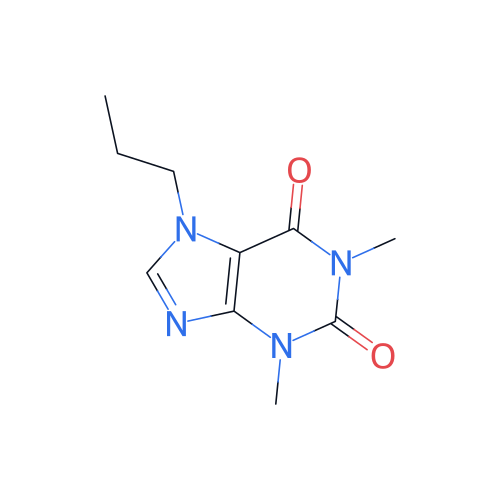
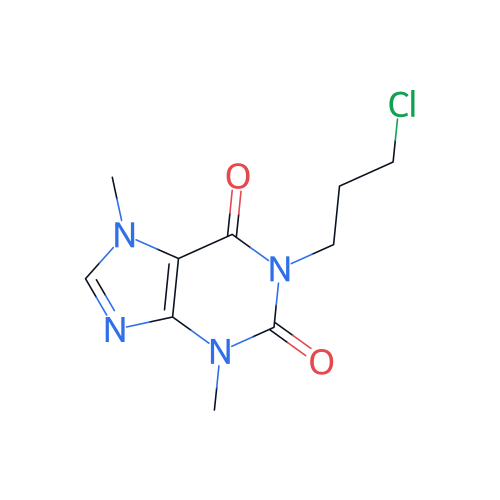
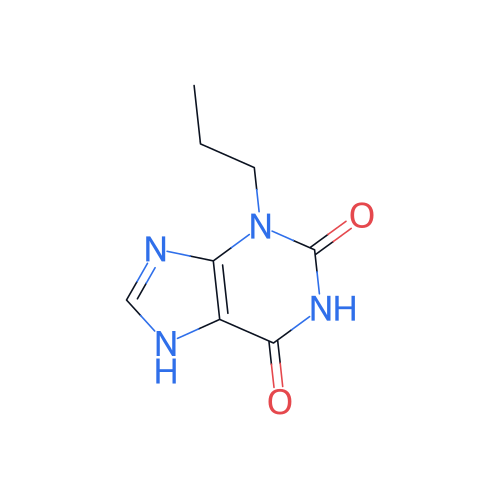
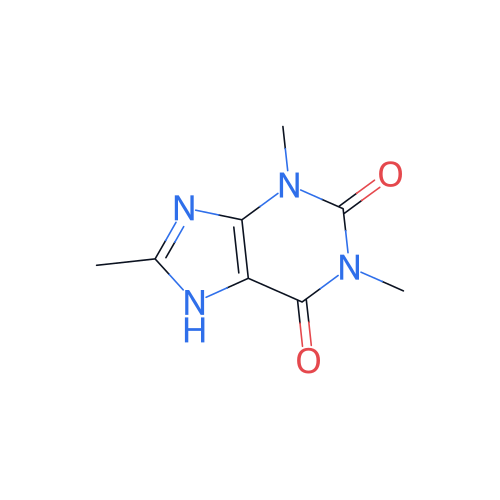
Similar structures
Nearest neighbours by Morgan fingerprint Tanimoto similarity


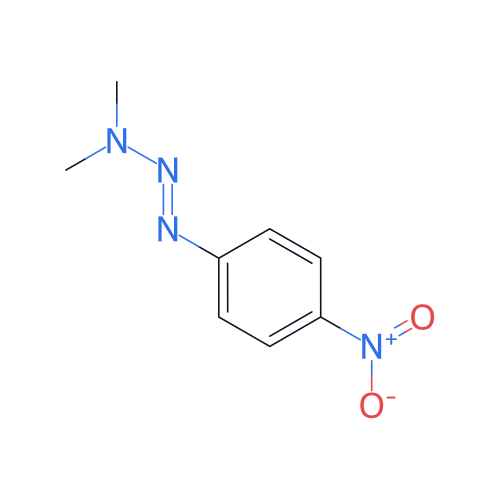
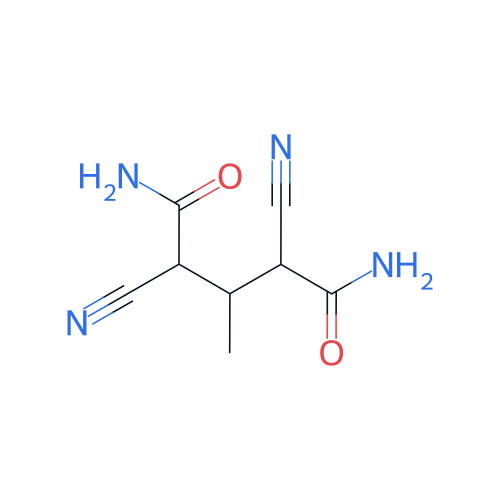
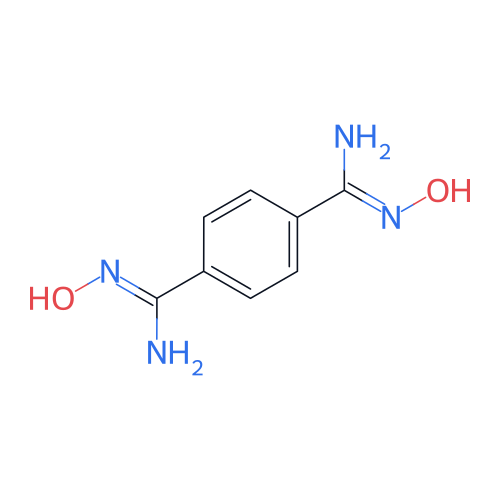
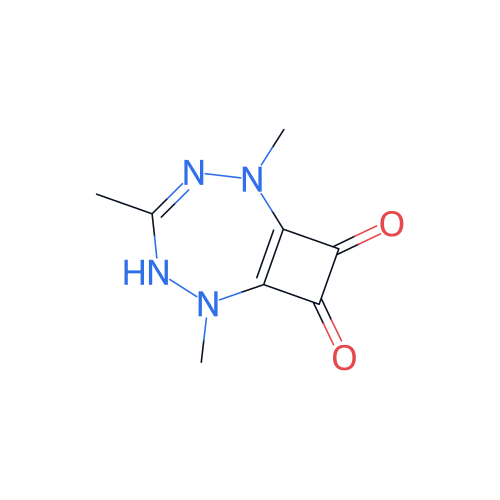
Same formula isomers
Different compounds that share this molecular formula




Frequently asked questions
Quick answers about Caffeine, based on the data on this page
What is Caffeine?
What is the CAS number of Caffeine?
What is the molecular formula and weight of Caffeine?
What is Caffeine used for?
Is Caffeine hazardous?
What is the HS code of Caffeine?
Where can I buy Caffeine?
Where can I buy Caffeine in India?
What is the price of Caffeine?
Guides for buyers
Practical guides that help when you source, ship or handle Caffeine
- Article, QualityPharma grades explained: IP vs BP vs USP vs EPWhat the Indian, British, US and European pharmacopoeias are, how their monographs differ, what multi grade claims mean and why a grade alone does not make a product fit for medicines.Read
- Guide, SafetyHow to read a safety data sheet in 10 minutesA section by section method to pull the essentials out of any 16 section SDS: identity, hazards, composition, storage, PPE, properties, transport and emergency measures.Read
- Guide, Trade and logisticsShipping dangerous goods: UN numbers, classes and packing groupsHow the UN dangerous goods system works for chemicals, from the nine classes and UN numbers to packing groups, UN packaging marks, labels, documents and segregation.Read
Get quotes for Caffeine
Embed this structure on your websiteShow code
Paste this code into your page to show the 2D structure of Caffeine with a 3D view, its CAS number and a link back to this page. Free to use with the link kept.
<iframe src="https://www.compoundlist.com/embed/structure/caffeine-58-08-2" title="Caffeine structure on CompoundList" width="360" height="420" style="border:1px solid #E7E2DA;border-radius:12px;max-width:100%" loading="lazy" referrerpolicy="strict-origin-when-cross-origin"></iframe>Explore more in Central nervous system drugs or HS code 293930