Potassium polysilicate
Also known as Potassium water glass, Kasil, Kasil 6

Key facts
What buyers check first
- CAS number
- 14293-88-0
- Formula
- K4O4Si
- Appearance
- Colorless or yellowish, translucent, glass-like pieces
- Solubility
- SOL IN COLD & HOT WATER, INSOL ALC /META & TETRASILICATE/
- HS code
- 283990
- Category
- Silicates, borates and other salts
What is Potassium polysilicate?
Plain description, key identifiers and synonyms
Potassium polysilicate is a chemical substance with the molecular formula K4O4Si and a molar mass of 248.47 g/mol. Its CAS registry number is 14293-88-0. The IUPAC name is tetrapotassium, silicate.
Identifiers
Registry numbers, names and line notations, tap to copy
- IUPAC name
- tetrapotassium, silicate
- CAS number
- 14293-88-0
- EC numbers
- 215-199-1, 815-247-7
- Molecular formula
- K4O4Si
- UNII
- 55R0S6LC84
- INCI name
- POTASSIUM SILICATE
- InChIKey
- RLQWHDODQVOVKU-UHFFFAOYSA-N
- InChI
- InChI=1S/4K.O4Si/c;;;;1-5(2,3)4/q4*+1;-4
- SMILES (canonical and isomeric)
- [O-][Si]([O-])([O-])[O-].[K+].[K+].[K+].[K+]
Synonyms
- Potassium water glass
- Kasil
- Kasil 6
- Pyramid 120
- potassium orthosilicate
- tetrapotassium, silicate
- Pyramid K-84
- Potassium silicate (K4SiO4)
- potassium hydroxy(oxo)silanolate
- Silicic acid (H4SiO4), tetrapotassium salt
- Aqueous potassium silicate
Physical and chemical properties
Measured values and descriptors computed from the structure
Physical and chemical properties
Measured values, check the supplier specification for your grade
| Appearance | Colorless or yellowish, translucent, glass-like piecesexp.Measured value |
|---|---|
| Solubility | SOL IN COLD & HOT WATER, INSOL ALC /META & TETRASILICATE/exp.Measured value |
Values vary by grade. Ask suppliers for the COA or TDS of the batch you buy.
Computed descriptors
Calculated from the structure, useful for screening and formulation
| Molecular weight | 248.47 g/molcalc.Computed value |
|---|---|
| Exact mass | 247.8114 Dacalc.Computed value |
| LogP (octanol/water) | -17.12calc.Computed value |
| Topological polar surface area | 92.24 Ųcalc.Computed value |
| Hydrogen bond donors | 0calc.Computed value |
| Hydrogen bond acceptors | 4calc.Computed value |
| Rotatable bonds | 0calc.Computed value |
| Heavy atoms | 9calc.Computed value |
| Rings | 0calc.Computed value |
| Aromatic rings | 0calc.Computed value |
| Fraction sp3 carbons | 0calc.Computed value |
| Formal charge | 0calc.Computed value |
| Stereocentres | 0calc.Computed value |
| Components | 5calc.Computed value |
Calculated for screening. Confirm critical figures with the supplier.
Safety and hazards
GHS classification summary, not a safety data sheet
Hazard statements
- H314Causes severe skin burns and eye damage.
- H335May cause respiratory irritation.
Precautionary statements (16)
- P260Do not breathe dust, fume, gas, mist, vapours or spray.
- P261Avoid breathing dust, fume, gas, mist, vapours or spray.
- P264Wash skin thoroughly after handling.
- P271Use only outdoors or in a well-ventilated area.
- P280Wear protective gloves, protective clothing, eye protection and face protection.
- P301 + P330 + P331If swallowed: Rinse mouth. Do not induce vomiting.
- P302 + P361 + P354If on skin: Take off immediately all contaminated clothing. Immediately rinse with water for several minutes.
- P304 + P340If inhaled: Remove person to fresh air and keep comfortable for breathing.
- P305 + P354 + P338If in eyes: Immediately rinse with water for several minutes. Remove contact lenses, if present and easy to do. Continue rinsing.
- P316Get emergency medical help immediately.
- P319Get medical help if you feel unwell.
- P321Specific treatment (see supplemental first aid instructions on the label).
- P363Wash contaminated clothing before reuse.
- P403 + P233Store in a well-ventilated place. Keep container tightly closed.
- P405Store locked up.
- P501Dispose of contents and container in accordance with local regulations.
GHS classification summary, not a safety data sheet (SDS). Classifications can differ by supplier, grade and concentration. Always check the supplier's SDS.
Full safety data and first aidPotassium polysilicate suppliers
Sponsored listings first, then the documented ranking: membership, verification, replies, completeness, freshness and ratings
Post one free request and suppliers who make or trade Potassium polysilicate can send you quotes. Your contact details stay private until you accept a quote.
Potassium polysilicate price
Indicative price range per kg from live supplier offers
Suppliers quote this chemical on request. Send one free request and compare quotes side by side.
Uses and applications
What the substance is used for, by industry and function
As binder (eg, in carbon electrodes, lead pencils, protective coatings, insol pigments), detergent.
In glass & ceramics manufacture.
(Solid) manufacture of welding rods, potassium silicate solution, (solution) nonefflorescing base for inorg protective coatings, coating for roofing granules & welding rods, (solution) binder in phosphors on television tubes, catalyst, adhesives.
Detergents, deflocculating agents, adhesives, cements, films & coatings, sols & gels, & paints. (Kasil).
Industries and functions
Cosmetic ingredient, INCI name POTASSIUM SILICATE(anticorrosive)
Functional uses
- Binder
- Chelating agent
- Corrosion inhibitor
- Filler
- Processing aids not otherwise specified
Cosmetic functions
- Anticorrosive
How it is made
Supercooled melt of potassium carbonate & pure silica sand.
Potassium silicates are manufactured in ordinary glass furnaces by melting sand with.../potash/ at about 1450 °c. The ratio of glass, or the aq liq, is determined by the prop of sand & alkali added to the furnace.
Regulatory status
Inventories, regulations and trade controls that list this substance
Health and food
- EU cosmetic ingredient inventory
HS code and trade data
Customs classification and reported world trade statistics
Global trade
World import and export statistics for the HS code Potassium polysilicate is traded under.
Silicates, commercial alkali metal silicates, other
- China20.4%
- United States17.9%
- Netherlands11.7%
- Saudi Arabia13.5%
- Germany8.3%
- United States7.3%
The HS code shown for Potassium polysilicate is indicative (it was assigned by structure rules). Confirm the classification with your customs broker before shipping.
Related chemicals
Parent and salt forms, stereoisomers, similar structures and isomers
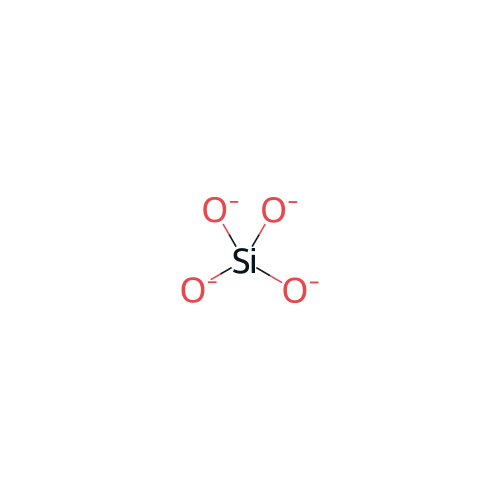
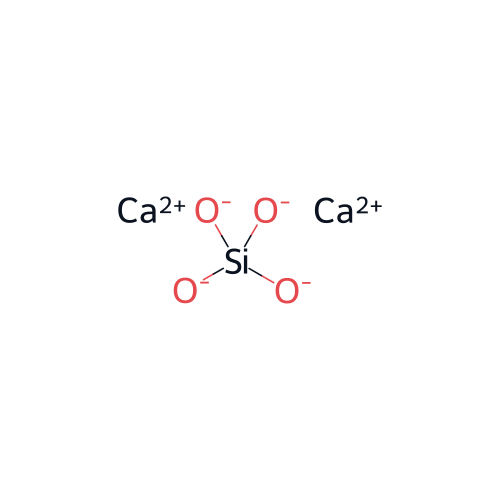
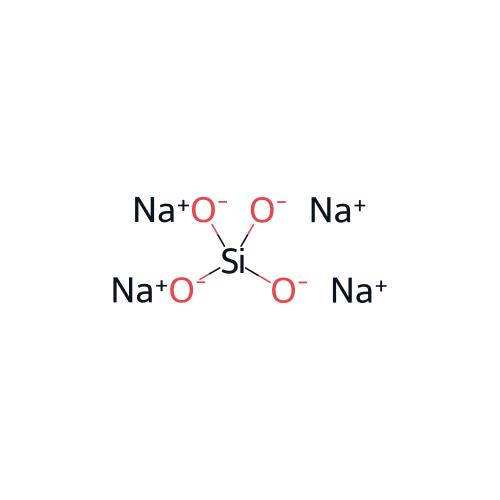
Similar structures
Nearest neighbours by Morgan fingerprint Tanimoto similarity
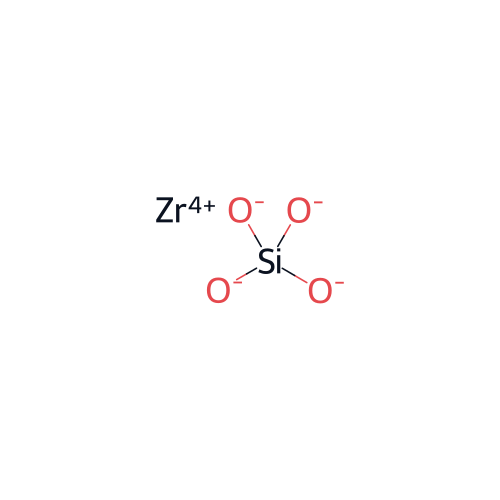

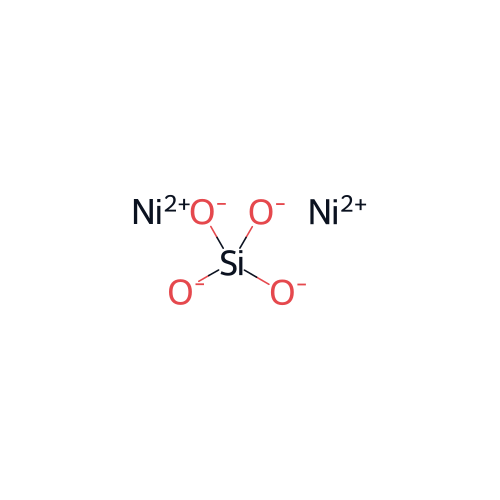
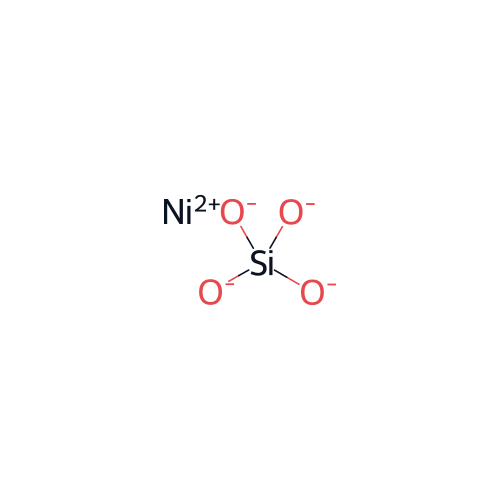
Frequently asked questions
Quick answers about Potassium polysilicate, based on the data on this page
What is Potassium polysilicate?
What is the CAS number of Potassium polysilicate?
What is the molecular formula and weight of Potassium polysilicate?
What is Potassium polysilicate used for?
Is Potassium polysilicate hazardous?
What is the HS code of Potassium polysilicate?
Where can I buy Potassium polysilicate?
What is the price of Potassium polysilicate?
Guides for buyers
Practical guides that help when you source, ship or handle Potassium polysilicate
- Guide, SafetyHow to read a safety data sheet in 10 minutesA section by section method to pull the essentials out of any 16 section SDS: identity, hazards, composition, storage, PPE, properties, transport and emergency measures.Read
- Guide, Trade and logisticsShipping dangerous goods: UN numbers, classes and packing groupsHow the UN dangerous goods system works for chemicals, from the nine classes and UN numbers to packing groups, UN packaging marks, labels, documents and segregation.Read
- Guide, SafetyGHS pictograms, signal words and hazard statements explainedA practical guide to the nine GHS pictograms, the signal words Danger and Warning, H and P statements, and how to read a chemical label in seconds.Read
Get quotes for Potassium polysilicate
Embed this structure on your websiteShow code
Paste this code into your page to show the 2D structure of Potassium polysilicate with a 3D view, its CAS number where known and a link back to this page. Free to use with the link kept.
<iframe src="https://www.compoundlist.com/embed/structure/potassium-polysilicate-14293-88-0" title="Potassium polysilicate structure on CompoundList" width="360" height="420" style="border:1px solid #E7E2DA;border-radius:12px;max-width:100%" loading="lazy" referrerpolicy="strict-origin-when-cross-origin"></iframe>Explore more in Silicates, borates and other salts or HS code 283990