Propylene
Also known as Propene, prop-1-ene, 1-Propene

Key facts
What buyers check first
- Appearance
- Colorless gas
- Melting point
- -185.3 °C
- Boiling point
- -47.7 °C
- Density
- 0.505 g/cm³ at 25 °C (pressure >1 atm )
- Flash point
- -108 °C
- HS code
- 290122
- Category
- Refrigerants and blowing agents
- UN number
- UN 1077

What is Propylene?
Plain description, key identifiers and synonyms
Propene is an alkene that is propane with a double bond at position 1. It has a role as a xenobiotic and a refrigerant. It is a gas molecular entity and an alkene.
Identifiers
Registry numbers, names and line notations, tap to copy
- IUPAC name
- prop-1-ene
- CAS number
- 115-07-1 CAS number cross-checkedOther or deprecated CAS: 13987-01-4, 26063-22-9, 6842-15-5, 90530-12-4, 97102-85-7
- EC numbers
- 204-062-1, 292-050-7, 306-335-1
- Molecular formula
- C3H6
- UNII
- AUG1H506LY
- MDL number
- MFCD00009279, MFCD00084447
- InChIKey
- QQONPFPTGQHPMA-UHFFFAOYSA-N
- InChI
- InChI=1S/C3H6/c1-3-2/h3H,1H2,2H3
- SMILES (canonical and isomeric)
- CC=C
Synonyms
- Propene
- prop-1-ene
- 1-Propene
- Methylethylene
- Methylethene
- 1-Propylene
- isopropylidene
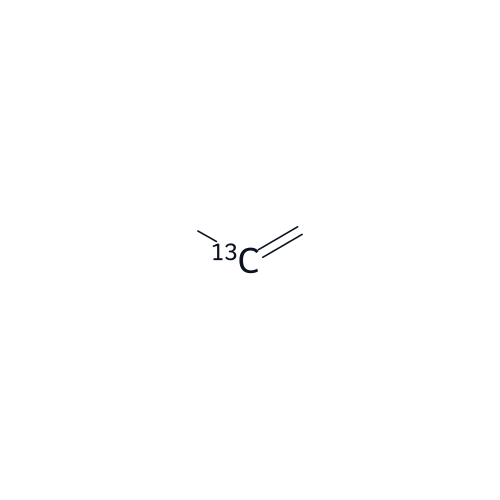
- Propene-2-13C
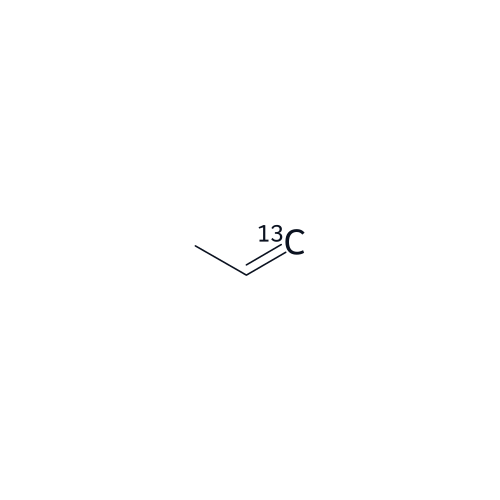
- Propene-1-13C (gas)
- CH3CH=CH2
- CH2=CH-CH3
- Propene (3,3,3-D3)
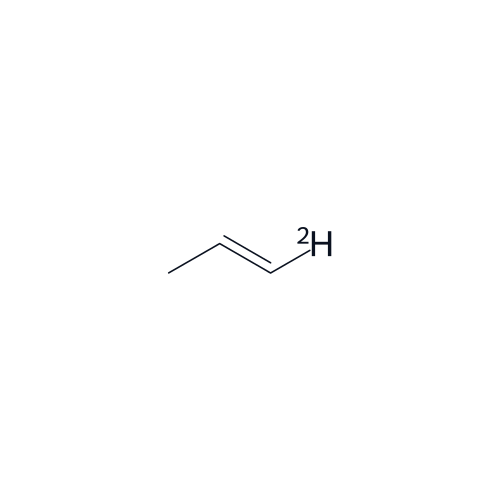
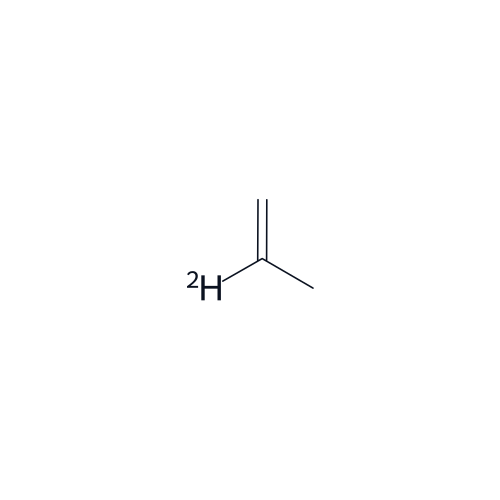
- Propene-2-d1
- Propene (2.0-3.5% in Hexane)
- Propene (2.0-3.5% in Heptane)
- Propene, pure
- Polipropene 25
- Propylene, >=99%
- endo-Ser39-Tirzepatide
- Propene (1-2% in Toluene)
- UN 1077
- Propylene, 99.5%, Messer(R) CANGas
- Propylene tetramer [UN2850] [Flammable liquid]
- Homopolymer Polypropylene (3 Strips, 2'' x 2 1/2'' each)
- Polypropylene, isotactic (average MW~250, 000 by GPC)average MW~250, 000 by GPC)
Physical and chemical properties
Measured values and descriptors computed from the structure
Physical and chemical properties
Measured values, check the supplier specification for your grade
| Appearance | Colorless gasexp.Measured value |
|---|---|
| Odour | Practically odorless, aromaticexp.Measured value |
| Melting point | -185.3 °Cexp.Measured value |
| Boiling point | -47.7 °Cexp.Measured value |
| Density | 0.505 g/cm³ at 25 °C (pressure >1 atm )exp.Measured value |
| Flash point | -108 °Cexp.Measured value |
| Autoignition temperature | 455 °Cexp.Measured value |
| Solubility | In water, 200 mg/L at 25 °Cexp.Measured value |
| Vapour pressure | VP: 10 atm at 19.8 °Cexp.Measured value |
Values vary by grade. Ask suppliers for the COA or TDS of the batch you buy.
Computed descriptors
Calculated from the structure, useful for screening and formulation
| Molecular weight | 42.08 g/molcalc.Computed value |
|---|---|
| Exact mass | 42.047 Dacalc.Computed value |
| LogP (octanol/water) | 1.19calc.Computed value |
| Topological polar surface area | 0 Ųcalc.Computed value |
| Hydrogen bond donors | 0calc.Computed value |
| Hydrogen bond acceptors | 0calc.Computed value |
| Rotatable bonds | 0calc.Computed value |
| Heavy atoms | 3calc.Computed value |
| Rings | 0calc.Computed value |
| Aromatic rings | 0calc.Computed value |
| Fraction sp3 carbons | 0.33calc.Computed value |
| Formal charge | 0calc.Computed value |
| Stereocentres | 0calc.Computed value |
| Lipinski rule of five | Passes (0 violations)calc.Computed value |
Calculated for screening. Confirm critical figures with the supplier.
Safety and hazards
GHS classification summary, not a safety data sheet
Hazard statements
- H220Extremely flammable gas.
Precautionary statements (7)
- P203Obtain, read and follow all safety instructions before use.
- P210Keep away from heat, hot surfaces, sparks, open flames and other ignition sources. No smoking.
- P222Do not allow contact with air.
- P280Wear protective gloves, protective clothing, eye protection and face protection.
- P377Leaking gas fire: do not extinguish, unless leak can be stopped safely.
- P381In case of leakage, eliminate all ignition sources.
- P403Store in a well-ventilated place.
- UN number
- UN 1077
- Transport hazard class
- 2.1
GHS classification summary, not a safety data sheet (SDS). Classifications can differ by supplier, grade and concentration. Always check the supplier's SDS.
Full safety data and first aidPropylene suppliers
Sponsored listings first, then the documented ranking: membership, verification, replies, completeness, freshness and ratings
- India, New Delhi ManufacturerUnclaimed profilePropeneGrade, purity and minimum order on requestPrice on request
- China, ShanghaiUnclaimed profilePropyleneGrade, purity and minimum order on requestPrice on request
- Japan, Oita ManufacturerUnclaimed profilePropyleneGrade, purity and minimum order on requestPrice on request
- Singapore, SingaporeUnclaimed profilePropyleneGrade, purity and minimum order on requestPrice on request
- Romania, Râmnicu Vâlcea ManufacturerUnclaimed profilePropeneGrade, purity and minimum order on requestPrice on request
- China ManufacturerUnclaimed profilePropyleneGrade, purity and minimum order on requestPrice on request
- China, HezeUnclaimed profilePropyleneGrade, purity and minimum order on requestPrice on request
- Price on request
- ChinaUnclaimed profilePropyleneGrade, purity and minimum order on requestPrice on request
- Ecuador, Guayaquil ManufacturerUnclaimed profilePropyleneGrade, purity and minimum order on requestPrice on request
Suppliers marked Unclaimed profile have not claimed their profile yet. They are not verified by CompoundList, their offers are price on request and details may have changed, so please confirm them with the supplier. Company representatives can claim a profile with a business email on the company's own website domain. Our team verifies each claim and sends the result by email.
Where suppliers are based
196 suppliers in 33 countries
- United States98
- China20
- India16
- Germany6
- South Korea6
- Spain4
- and 27 more countries
Send one request to many suppliers
Choose up to 10 suppliers or let us match your request. Compare quotes side by side, free.
Propylene price
Indicative price range per kg from live supplier offers
Suppliers quote this chemical on request. Send one free request and compare quotes side by side.
Uses and applications
What the substance is used for, by industry and function
In polymerized form as polypropylene for plastics and carpet fibers. Chemical intermediate in the manufacture of acetone, isopropylbenzene, isopropanol, isopropyl halides, propylene oxide, acrylonitrile, cumene.
Almost two thirds of the propene produced is used to produce polypropylene, a plastic material accounting for 25% of all plastic products today. Other important applications are propylene oxide, acrylic acid, acrylonitrile and cumene.
Refinery-grade propene (i.e., 50-70% pure propene in propane) is obtained from refinery processes. The main uses of refinery propene are in liquefied petroleum gas for thermal use or as an octane-enhancing component in motor gasoline.
Read more
Refinery-grade propene can also be used in some chemical syntheses.
Chemical-grade propene is used extensively for most chemical derivatives (e.g., oxo alcohols, acrylonitrile, or polypropylene).
Industrial uses: Processing aids, specific to petroleum production, Intermediate, Refrigerants, Abrasives, Fuel agents, Fuel, Processing aids not otherwise specified.
Consumer uses: Intermediate, Abrasives, Fuel agents, Fuel, Other.
Roles
- refrigerant
- xenobiotic
Functional uses
- Binder
How it is made
Obtained from petroleum oils during the refining of gasoline. Catalytic or thermal cracking of hydrocarbons always yields propylene. Can be obtained by catalytic dehydrogenation of propane.
The propene produced in refineries originates from cracking processes. ... Refinery cracking processes operate either purely thermally or thermally-catalytically. By far the most important refinery process for propene production is the fluid-catalytic cracking (FCC) process, in which the powdery catalyst flows as a fluidized bed through the reaction and regeneration phases.
Read more
This process converts heavy gas oil preferentially into gasoline and light gas oil. Catalysts utilized in FCC units can be modified to produce more propene. Typical propene yields in conventional FCC units are 3%, which can be increased up to 20% by modification of the catalyst by addition of ZSM-5 zeolite to the FCC catalyst. ... As all FCC streams contain contaminants for further processing of the propene, purification to the specified quality (chemical grade or polymer grade) is required.
Propane dehydrogenation is an endothermic equilibrium reaction that is generally performed in the presence of catalysts such as platinum or chromium on special carriers. To improve the selectivity and reduce the coking of the catalyst, a variety of proprietary modifiers are added to the noble metals. Some catalysts require a metal redistribution step after each regeneration.
Regulatory status
Inventories, regulations and trade controls that list this substance
Europe
- EU harmonised classification (CLP Annex VI)Index no: 601-011-00-9
United States
- TSCA inventory (USA)Status: Active in US commerce
HS code and trade data
Customs classification and reported world trade statistics
Global trade
World import and export statistics for the HS code Propylene is traded under.
Propene (propylene)
- South Korea28.0%
- Netherlands15.9%
- Japan8.4%
- China35.0%
- Germany12.4%
- Netherlands9.0%
The HS code shown for Propylene is indicative (it was matched by name in the HS nomenclature). Confirm the classification with your customs broker before shipping.
Related chemicals
Parent and salt forms, stereoisomers, similar structures and isomers
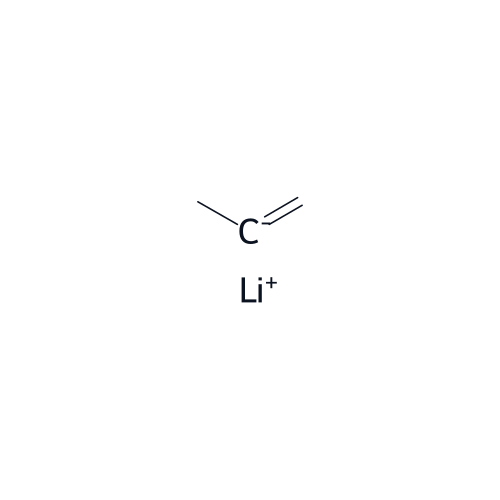
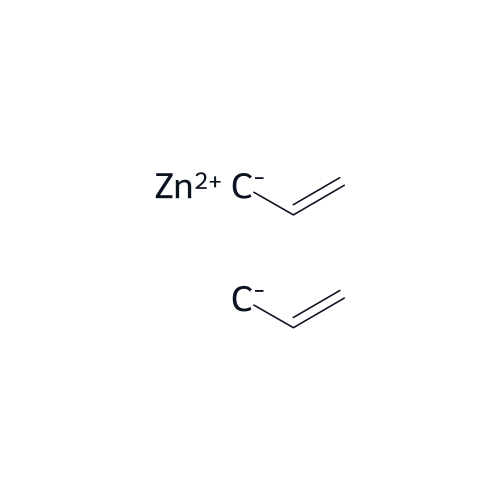
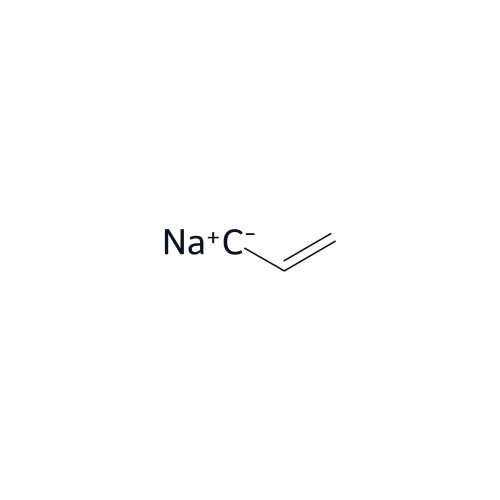
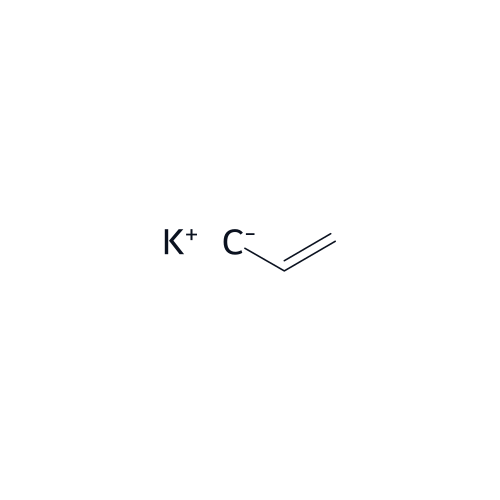
Salt and hydrate forms
Records that share this compound as their parent


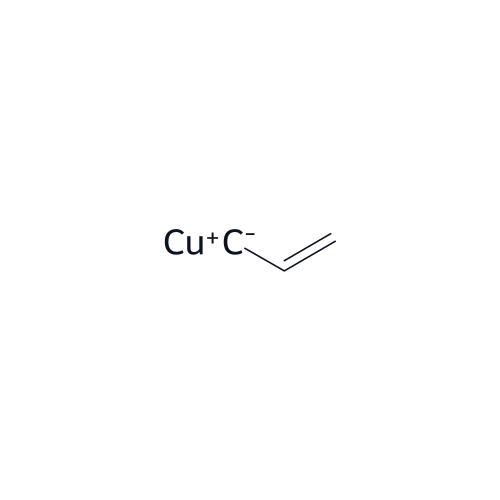
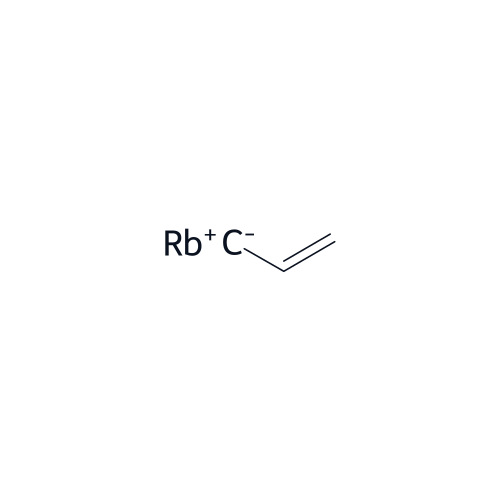
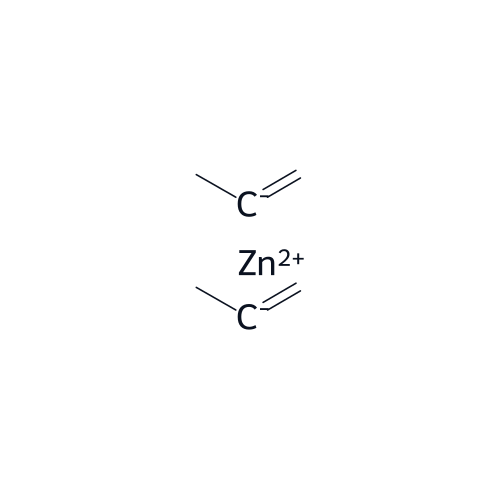
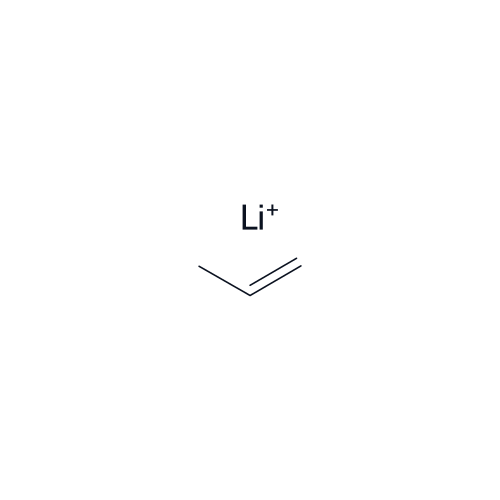
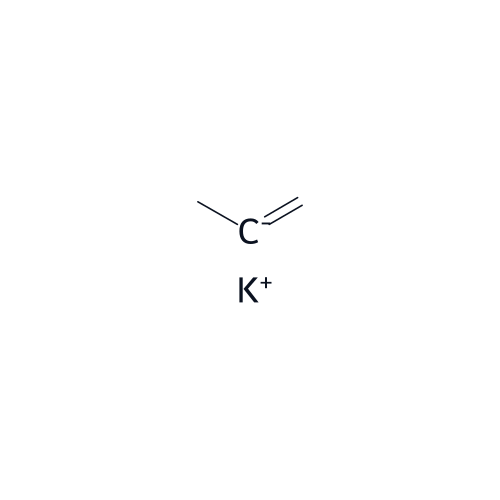
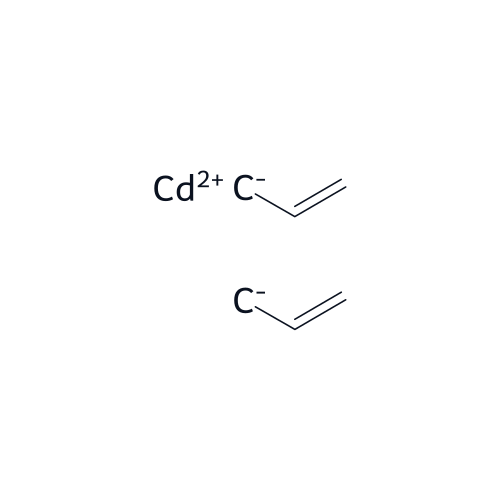
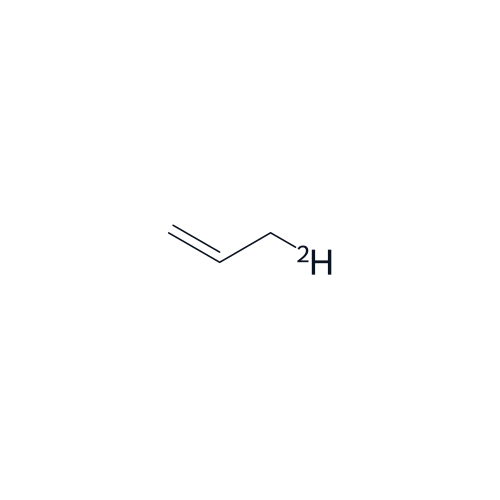
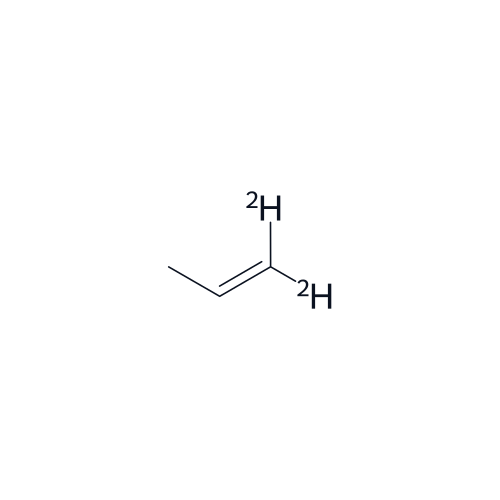
Stereoisomers and isotopic forms
Same connectivity, different stereochemistry or isotopes (same InChIKey skeleton)



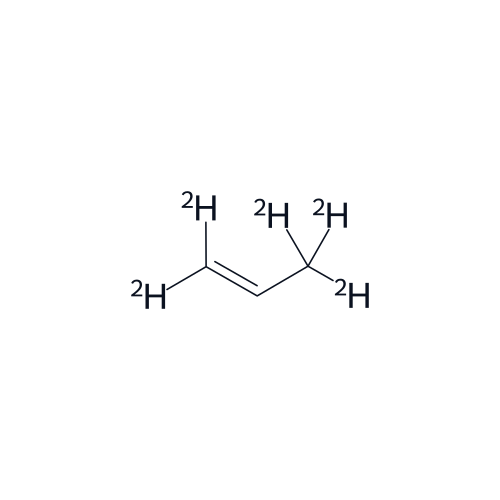
Same formula isomers
Different compounds that share this molecular formula

Frequently asked questions
Quick answers about Propylene, based on the data on this page
What is Propylene?
What is the CAS number of Propylene?
What is the molecular formula and weight of Propylene?
What is Propylene used for?
Is Propylene hazardous?
What is the HS code of Propylene?
Where can I buy Propylene?
Where can I buy Propylene in India?
What is the price of Propylene?
Guides for buyers
Practical guides that help when you source, ship or handle Propylene
- Guide, Trade and logisticsShipping dangerous goods: UN numbers, classes and packing groupsHow the UN dangerous goods system works for chemicals, from the nine classes and UN numbers to packing groups, UN packaging marks, labels, documents and segregation.Read
- Guide, SafetyHow to read a safety data sheet in 10 minutesA section by section method to pull the essentials out of any 16 section SDS: identity, hazards, composition, storage, PPE, properties, transport and emergency measures.Read
- Guide, SafetyGHS pictograms, signal words and hazard statements explainedA practical guide to the nine GHS pictograms, the signal words Danger and Warning, H and P statements, and how to read a chemical label in seconds.Read
Get quotes for Propylene
Embed this structure on your websiteShow code
Paste this code into your page to show the 2D structure of Propylene with a 3D view, its CAS number and a link back to this page. Free to use with the link kept.
<iframe src="https://www.compoundlist.com/embed/structure/propylene-115-07-1" title="Propylene structure on CompoundList" width="360" height="420" style="border:1px solid #E7E2DA;border-radius:12px;max-width:100%" loading="lazy" referrerpolicy="strict-origin-when-cross-origin"></iframe>Explore more in Refrigerants and blowing agents or HS code 290122