Triethanolamine
Also known as Trolamine, 2,2',2''-Nitrilotriethanol, Sterolamide
Key facts
What buyers check first
- Appearance
- Viscous liquid
- Melting point
- 21.5 °C
- Boiling point
- 350 °C
- Density
- Relative density (water = 1): 1.1
- Flash point
- 179 °C
- HS code
- 292215
- Category
- Construction chemicals
What is Triethanolamine?
Plain description, key identifiers and synonyms
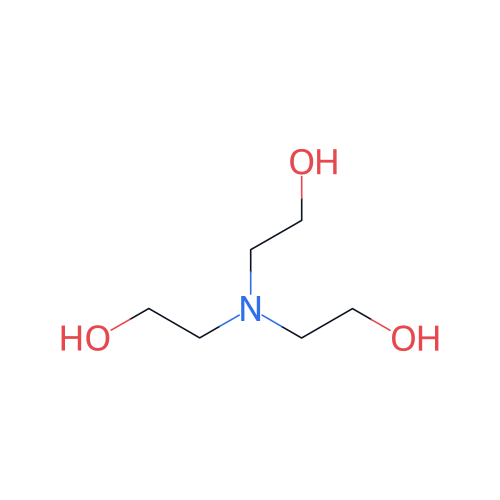
Triethanolamine is a tertiary amino compound that is ammonia in which each of the hydrogens is substituted by a 2-hydroxyethyl group. It has a role as a surfactant and a buffer. It is an amino alcohol, a triol and a tertiary amino compound. It is functionally related to a triethylamine. It is a conjugate base of a triethanolammonium.
Identifiers
Registry numbers, names and line notations, tap to copy
- IUPAC name
- 2-[bis(2-hydroxyethyl)amino]ethanol
- CAS number
- 102-71-6 CAS number cross-checked
- EC number
- 203-049-8
- Molecular formula
- C6H15NO3
- UNII
- 9O3K93S3TK
- MDL number
- MFCD00002855
- INCI name
- TRIETHANOLAMINE
- InChIKey
- GSEJCLTVZPLZKY-UHFFFAOYSA-N
- InChI
- InChI=1S/C6H15NO3/c8-4-1-7(2-5-9)3-6-10/h8-10H,1-6H2
- SMILES (canonical and isomeric)
- C(CO)N(CCO)CCO
Synonyms
- Trolamine
- 2,2',2''-Nitrilotriethanol
- Sterolamide
- Daltogen
- Tris(2-hydroxyethyl)amine
- Nitrilotriethanol
- Triethylolamine
- Trihydroxytriethylamine
- Thiofaco T-35
- Sting-Kill
- Triethanolamin
- Tri(hydroxyethyl)amine
- Teoa
- Tris(beta-hydroxyethyl)amine
- Nitrilo-2,2',2''-triethanol
- Ethanol, 2,2',2''-nitrilotris-
- 2-[bis(2-hydroxyethyl)amino]ethanol
- TEA (amino alcohol)
- Tris(hydroxyethyl)amine
- Triethanolamin-NG
- H3tea
- Triaethanolamin-NG
- Mobisyl
- N(CH2CH2OH)3
- 2,2',2''-Nitrilotrisethanol
Show all 37 synonymsShow fewer synonyms
- 2,2',2''-Trihydroxytriethylamine
- Mobisy
- Triethylamine, 2,2',2''-trihydroxy-
- Ethanol, 2,2',2''-nitrilotri-
- 2-[bis(2-hydroxyethyl)amino]ethan-1-ol
- 2-(bis(2-hydroxyethyl)amino)ethanol
- 2-(bis(2-hydroxyethyl)amino)ethan-1-ol
- Tru-micin
- Mobisyl (as salicylate)
- Sodium ISA
- Nitrilotris(ethanol)
- 2,2',2-Nitrilotriethanol
Physical and chemical properties
Measured values and descriptors computed from the structure
Physical and chemical properties
Measured values, check the supplier specification for your grade
| Appearance | Viscous liquidexp.Measured value |
|---|---|
| Odour | Slight ammonical odorexp.Measured value |
| Melting point | 21.5 °Cexp.Measured value |
| Boiling point | 350 °Cexp.Measured value |
| Density | Relative density (water = 1): 1.1exp.Measured value |
| Flash point | 179 °Cexp.Measured value |
| Autoignition temperature | 324 °Cexp.Measured value |
| Solubility | In water, 1.0 × 10⁺⁶ mg/L (miscible) at 25 °Cexp.Measured value |
| Vapour pressure | 3.59 × 10⁻⁶ mm Hg at 25 °C /Extrapolated/exp.Measured value |
Values vary by grade. Ask suppliers for the COA or TDS of the batch you buy.
Computed descriptors
Calculated from the structure, useful for screening and formulation
| Molecular weight | 149.19 g/molcalc.Computed value |
|---|---|
| Exact mass | 149.1052 Dacalc.Computed value |
| LogP (octanol/water) | -1.73calc.Computed value |
| Topological polar surface area | 63.93 Ųcalc.Computed value |
| Hydrogen bond donors | 3calc.Computed value |
| Hydrogen bond acceptors | 4calc.Computed value |
| Rotatable bonds | 6calc.Computed value |
| Heavy atoms | 10calc.Computed value |
| Rings | 0calc.Computed value |
| Aromatic rings | 0calc.Computed value |
| Fraction sp3 carbons | 1calc.Computed value |
| Formal charge | 0calc.Computed value |
| Stereocentres | 0calc.Computed value |
| Lipinski rule of five | Passes (0 violations)calc.Computed value |
Calculated for screening. Confirm critical figures with the supplier.
Safety and hazards
GHS classification summary, not a safety data sheet
Hazard statements
- H319Causes serious eye irritation.
Precautionary statements (4)
- P264 + P265Wash skin thoroughly after handling. Do not touch eyes.
- P280Wear protective gloves, protective clothing, eye protection and face protection.
- P305 + P351 + P338If in eyes: Rinse cautiously with water for several minutes. Remove contact lenses, if present and easy to do. Continue rinsing.
- P337 + P317If eye irritation persists: Get medical help.
GHS classification summary, not a safety data sheet (SDS). Classifications can differ by supplier, grade and concentration. Always check the supplier's SDS.
Full safety data and first aidTriethanolamine suppliers
Controlled substance, listings of documented suppliers only, in the documented ranking
Triethanolamine is controlled. Only documented suppliers can list it, and buyers must upload a valid licence with their request. Every request is reviewed before suppliers see it.
Licensed buyers only, every enquiry is reviewed by our compliance team.
Reference: OPCW Chemical Weapons Convention Schedule 3, HS 2022 subheading 2922.15 (triethanolamine, a common industrial chemical)
Our policy on controlled substancesLicensed buyers can post a request for Triethanolamine with their licence. Our compliance team reviews it before suppliers see it.
Triethanolamine price
Indicative price range per kg from live supplier offers
Suppliers quote this chemical on request. Send one free request and compare quotes side by side.
Uses and applications
What the substance is used for, by industry and function
The active ingredient is no longer contained in any registered pesticide products ... "cancelled.".
Chemical intermediate for salts of fatty acids (anionic surfactants), alkyl benzenesulfonate anionic surfactants, alkyl sulfates (anionic surfactants), herbicide 2,4-d triethanolamine salt, herbicide triethanolamine-copper complex, solvent for natural rubber.
Intermediate in the manufacture of surface active agents, textile specialties, waxes, polishes, herbicides, petroleum demulsifiers, toilet goods, cement additives, cutting oils. In making emulsions with mineral and vegetable oils, paraffin and waxes. Solvent for casein, shellac, dyes, manufacturing synthetic resins, increasing the penetration of organic liquids into wood and paper. In the production of lubricants for the textile industry.
Read more
Pharmaceutic aid (alkalizer).
Industrial uses: Other, Lubricating agent, Anti-freeze agent, Plating agent, pH regulating agent, Processing aids not otherwise specified, Soil amendments (fertilizers), Emulsifier.
Consumer uses: Processing aids not otherwise specified, pH regulating agent, Anti-freeze agent, Other, Lubricating agent, Drier, Intermediate, Fragrance.
Use classes: Specialized Industrial Chemicals, Safer Chemical Classes, Cosmetics, Plastics.
Industries and functions
Cosmetic ingredient, INCI name TRIETHANOLAMINE(buffering, surfactant - emulsifying, fragrance, surfactant - cleansing)
Roles
- anti-ulcer drug
- buffer
- emulsifier
- pharmaceutical
- surfactant
Functional uses
- Cleaning agent
- Corrosion inhibitor
- Deodorizer
- Emulsifier
- Fragrance
- Humectant
- Processing aids not otherwise specified
- Solvent
- Surfactant (surface active agent)
- Viscosity modifier
- Waterproofing agent
- pH regulating agent
Cosmetic functions
- Buffering
- Fragrance
- Surfactant - cleansing
- Surfactant - emulsifying
How it is made
Ethanolamines are produced on an industrial scale exclusively by reaction of ethylene oxide with excess ammonia, this excess being considerable in some cases. The reaction of ethylene oxide with ammonia takes place slowly and is accelerated by water. Anhydrous procedures employ a fixed-bed catalyst consisting of an organic ion-exchange resin or thermally more stable acidic inorganic clays or zeolites.
Read more
In all conventional processes, reaction takes place in the liquid phase, and the reactor pressure is usually sufficiently large to prevent vaporization of ammonia and ethylene oxide at the reaction temperature. In current procedures, ammonia concentrations in water between 50 and 100%, pressures up to 16 MPa, reaction temperatures up to 150 °C, and an excess up to 40 mol of ammonia per mole of ethylene oxide are used. The reaction is highly exothermic, the enthalpy of reaction is about 125 kJ per mole of ethylene oxide. ... Product distribution of the three ethanolamines can be controlled by appropriate choice of the ammonia:ethylene oxide ratio. A higher diethanolamine or triethanolamine content can also be obtained by recycling monoethanolamine or diethanolamine to the reactor or by treating them with ethylene oxide in a separate unit. ... In all industrial processes, complete conversion to the three ethanolamines, without significant formation of byproducts, is achieved.
Produced along with mono- and diethanolamine by ammonolysis of ethylene oxide.
Regulatory status
Inventories, regulations and trade controls that list this substance
Triethanolamine is controlled. Only documented suppliers can list it, and buyers must upload a valid licence with their request. Every request is reviewed before suppliers see it.
Licensed buyers only, every enquiry is reviewed by our compliance team.
Reference: OPCW Chemical Weapons Convention Schedule 3, HS 2022 subheading 2922.15 (triethanolamine, a common industrial chemical)
Our policy on controlled substancesHealth and food
- EU cosmetic ingredient inventory
- Active ingredient in FDA approved drug labels
Controls
- Chemical Weapons Convention Schedule 3
United States
- Safer Choice ingredient list (USA)
- TSCA inventory (USA)Status: Active in US commerce
HS code and trade data
Customs classification and reported world trade statistics
Global trade
World import and export statistics for the HS code Triethanolamine is traded under.
Amino-alcohols, other than those containing more than one kind of oxygen function: their ethers and esters…
- Saudi Arabia38.9%
- United States16.9%
- Germany10.7%
- Spain11.3%
- Germany6.4%
- United Kingdom6.3%
The HS code shown for Triethanolamine is indicative (it was matched by name in the HS nomenclature). Confirm the classification with your customs broker before shipping.
Related chemicals
Parent and salt forms, stereoisomers, similar structures and isomers
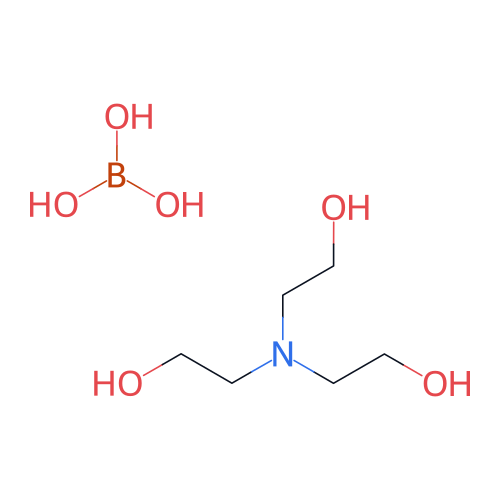
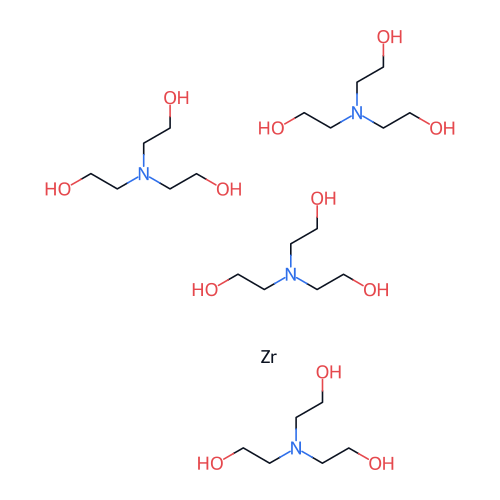
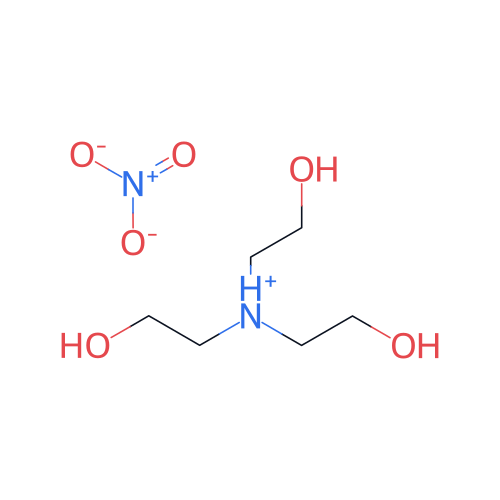
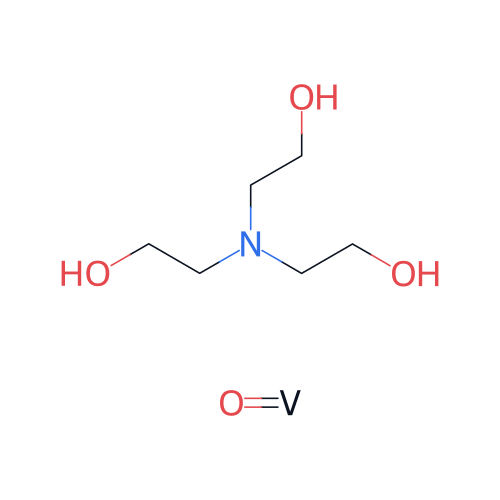
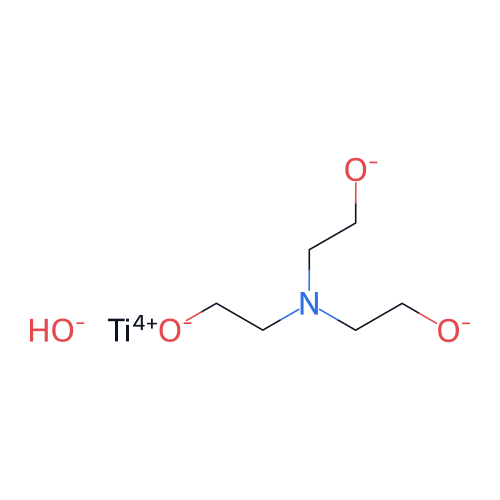
Salt and hydrate forms
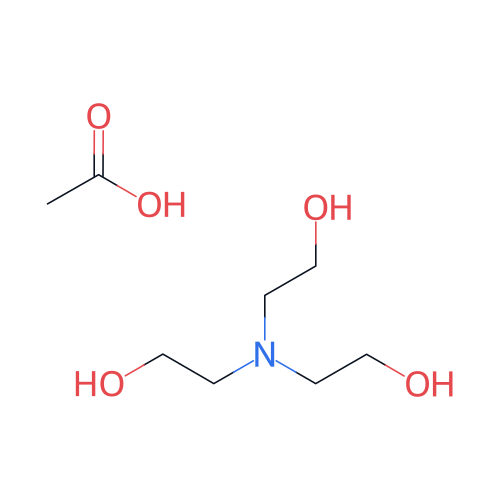
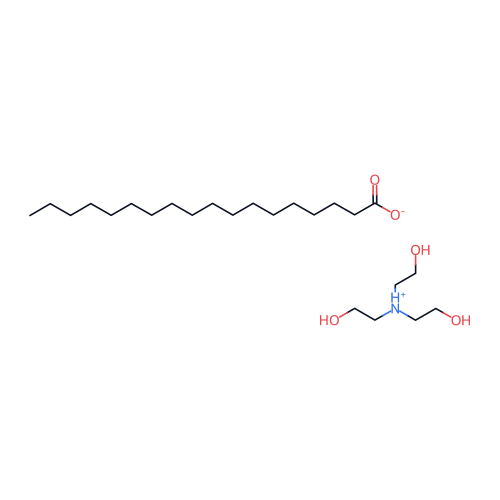
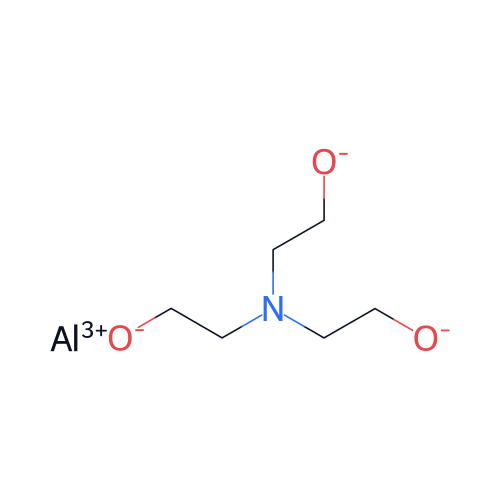
Records that share this compound as their parent




Stereoisomers and isotopic forms
Same connectivity, different stereochemistry or isotopes (same InChIKey skeleton)


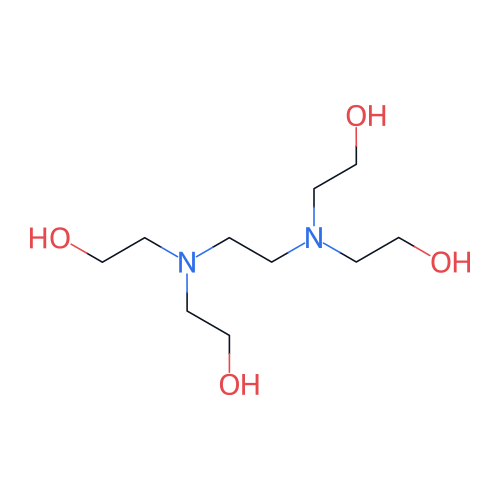
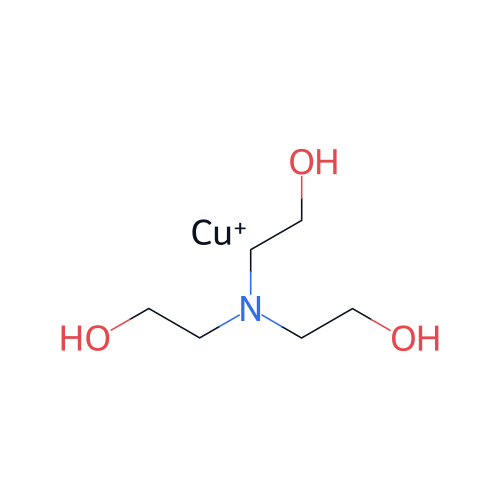
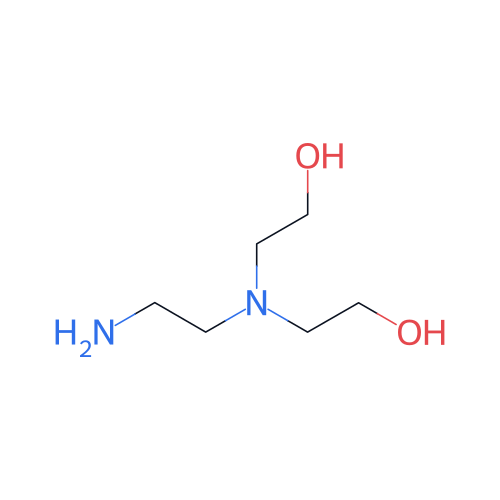
Similar structures
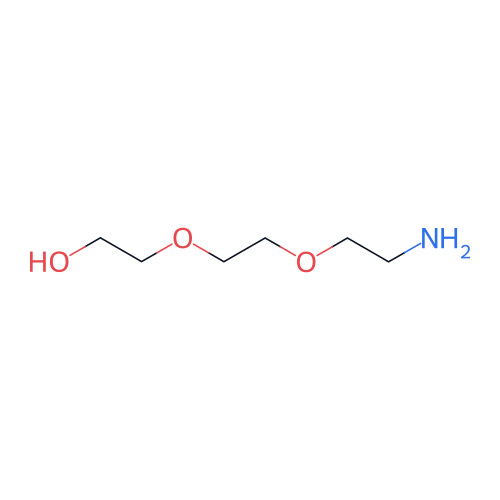
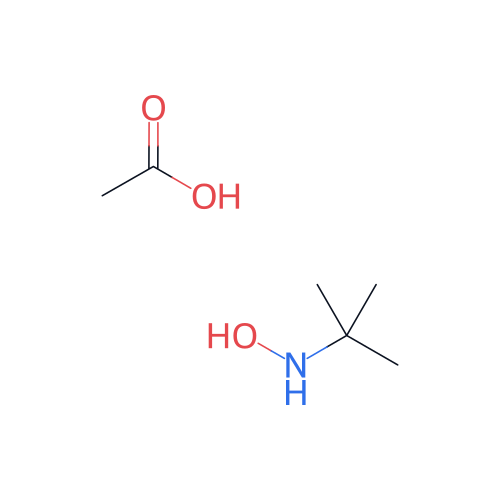
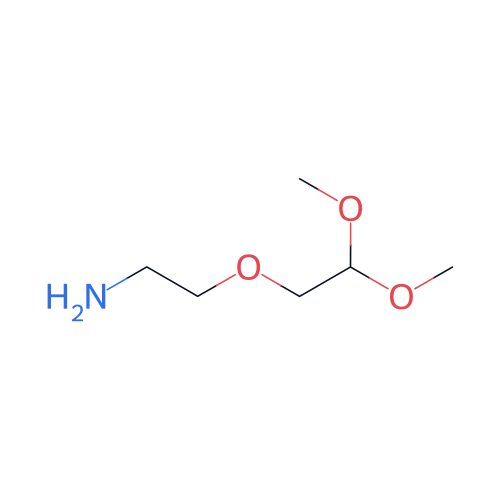
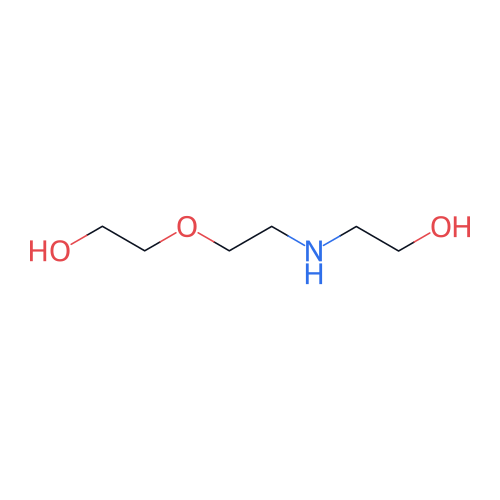
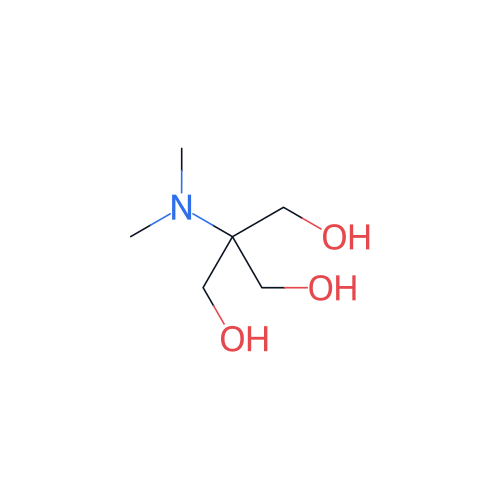
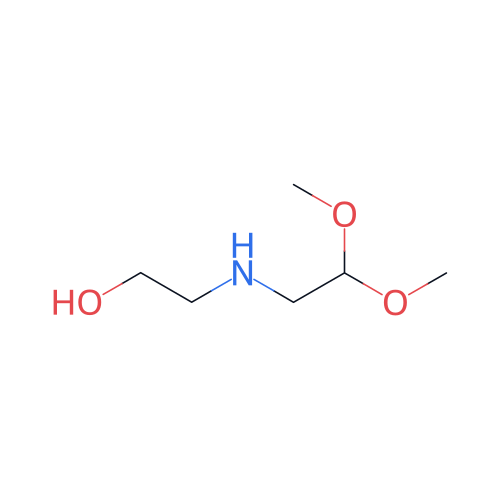
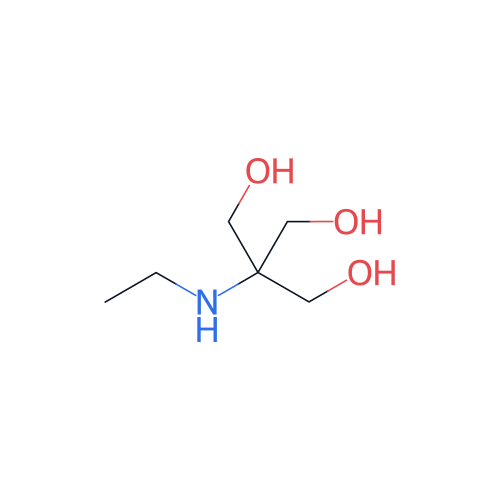
Nearest neighbours by Morgan fingerprint Tanimoto similarity

Same formula isomers
Different compounds that share this molecular formula




Frequently asked questions
Quick answers about Triethanolamine, based on the data on this page
What is Triethanolamine?
What is the CAS number of Triethanolamine?
What is the molecular formula and weight of Triethanolamine?
What is Triethanolamine used for?
Is Triethanolamine hazardous?
What is the HS code of Triethanolamine?
Can I buy Triethanolamine on CompoundList?
Guides for buyers
Practical guides that help when you source, ship or handle Triethanolamine
- Guide, SafetyHow to read a safety data sheet in 10 minutesA section by section method to pull the essentials out of any 16 section SDS: identity, hazards, composition, storage, PPE, properties, transport and emergency measures.Read
- Guide, Trade and logisticsShipping dangerous goods: UN numbers, classes and packing groupsHow the UN dangerous goods system works for chemicals, from the nine classes and UN numbers to packing groups, UN packaging marks, labels, documents and segregation.Read
- Guide, SafetyGHS pictograms, signal words and hazard statements explainedA practical guide to the nine GHS pictograms, the signal words Danger and Warning, H and P statements, and how to read a chemical label in seconds.Read
Request as a licensed buyer
Embed this structure on your websiteShow code
Paste this code into your page to show the 2D structure of Triethanolamine with a 3D view, its CAS number where known and a link back to this page. Free to use with the link kept.
<iframe src="https://www.compoundlist.com/embed/structure/triethanolamine-102-71-6" title="Triethanolamine structure on CompoundList" width="360" height="420" style="border:1px solid #E7E2DA;border-radius:12px;max-width:100%" loading="lazy" referrerpolicy="strict-origin-when-cross-origin"></iframe>Explore more in Construction chemicals or HS code 292215