C11H17NO6
65 compounds have this formula on CompoundList.
- Molar mass
- 259.26g/mol
- Monoisotopic mass
- 259.1056Da
- Atoms
- 35
- Elements
- 4
- Rings plus double bonds
- 4
The formula C11H17NO6 describes a molecule made of 11 carbon atoms, 17 hydrogen atoms, 1 nitrogen atom and 6 oxygen atoms. It is written in Hill notation: carbon first, then hydrogen, then the other elements in alphabetical order. The formula tells you which atoms are present, not how they are connected, which is why several different chemicals can share it.
Elemental composition
- C Carbon × 1150.96%12.011 × 11 = 132.121 g/mol
- H Hydrogen × 176.61%1.008 × 17 = 17.136 g/mol
- N Nitrogen × 15.40%14.007 × 1 = 14.007 g/mol
- O Oxygen × 637.03%15.999 × 6 = 95.994 g/mol
Compounds with the formula C11H17NO6
Isomers we list, best known first. Open one to see its structure, properties, safety data and suppliers.
Showing 1 to 65 of 65 compounds
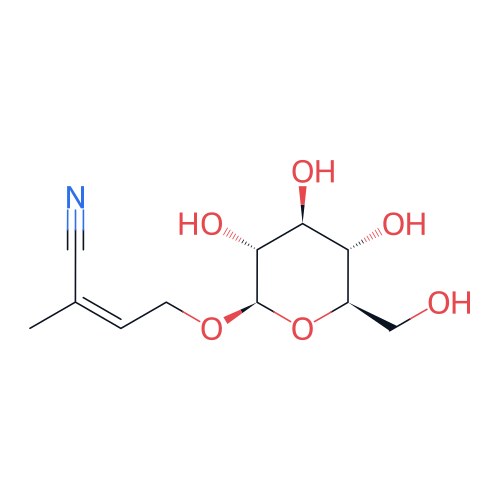
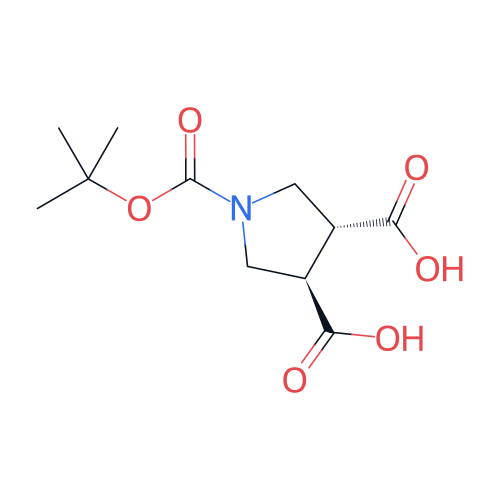

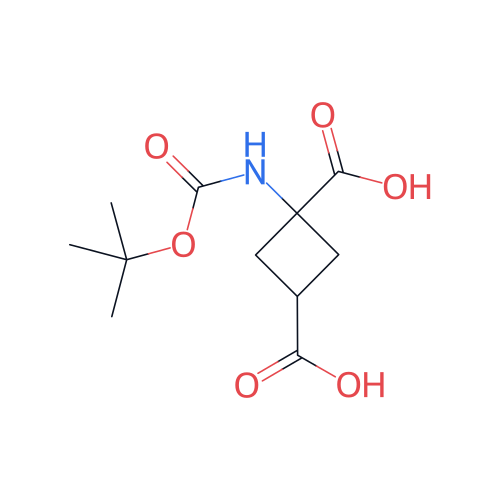

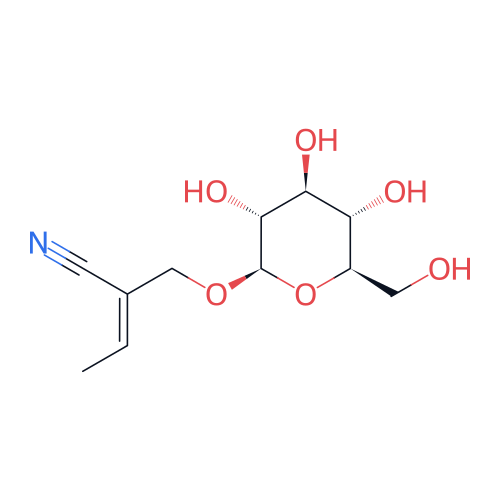

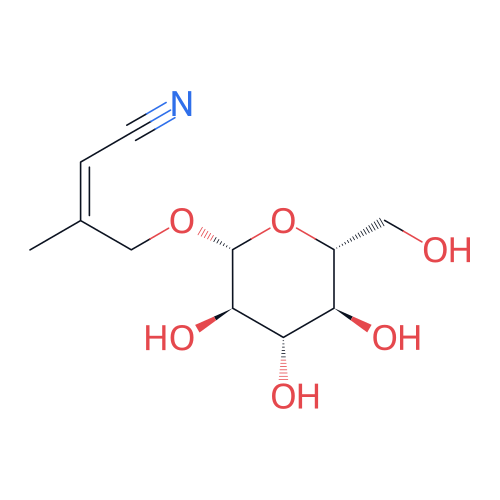
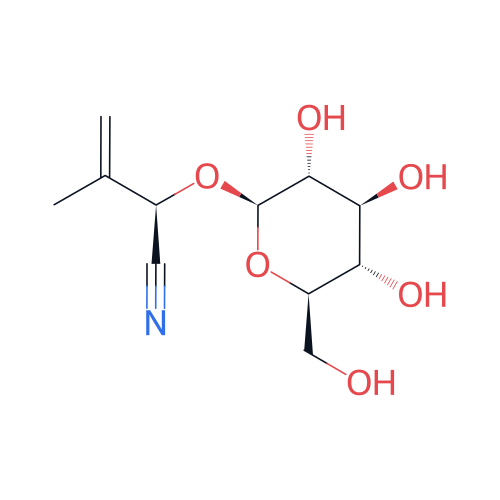
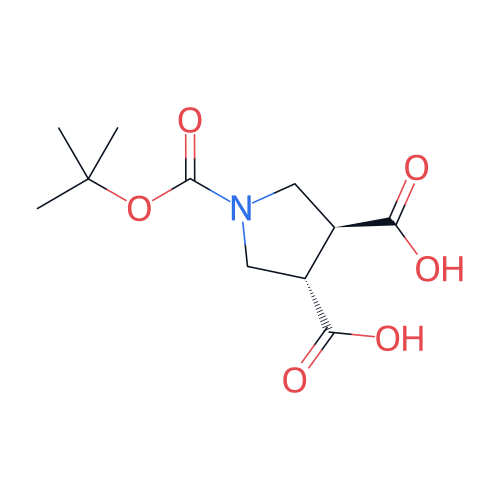
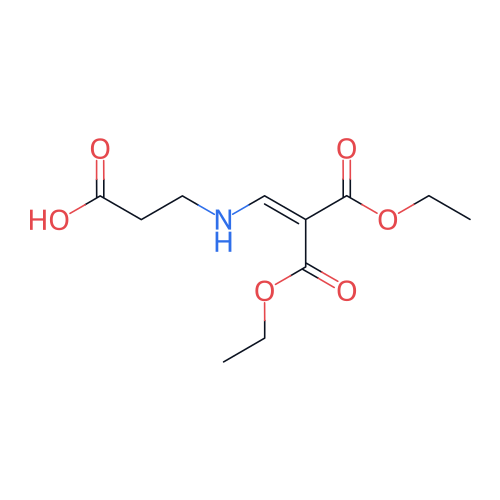

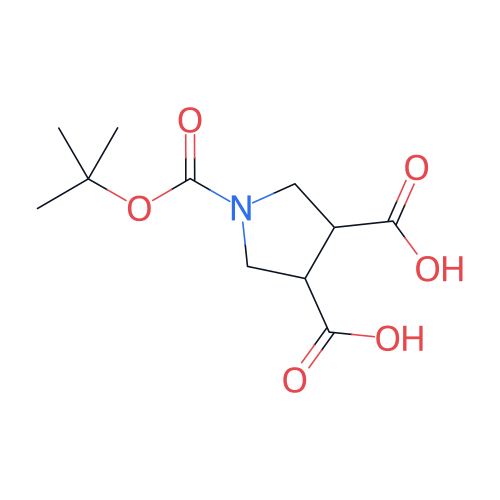


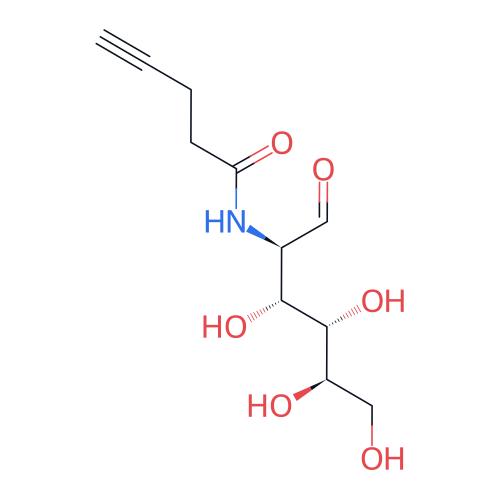

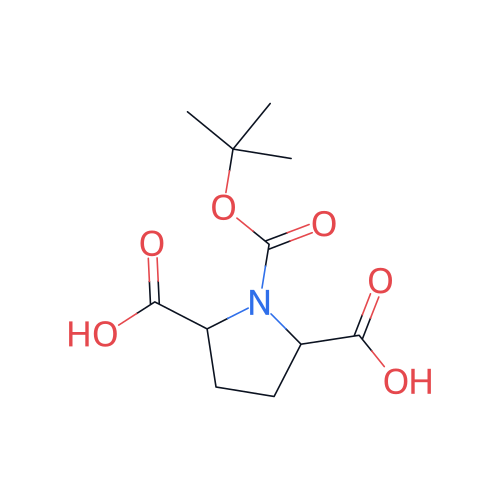
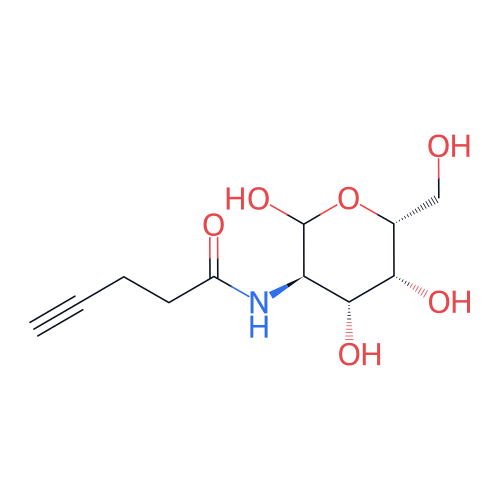
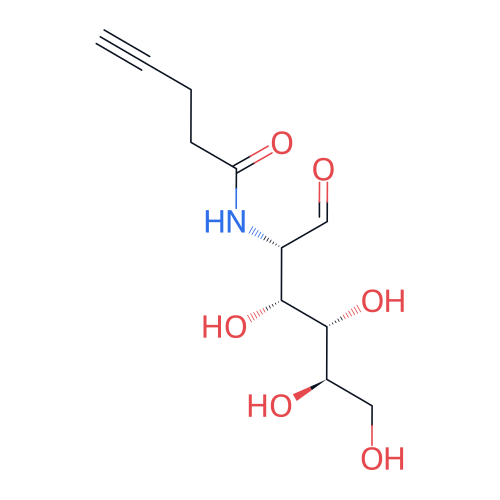
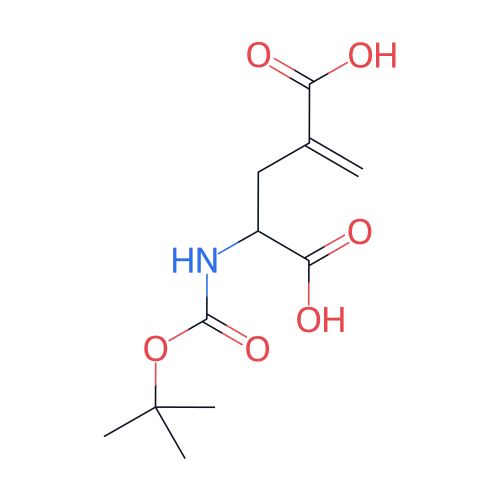
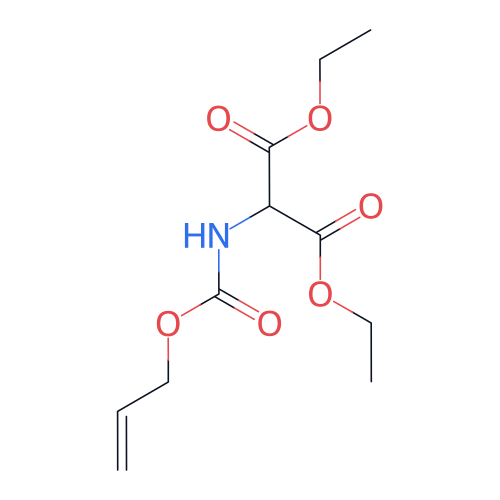

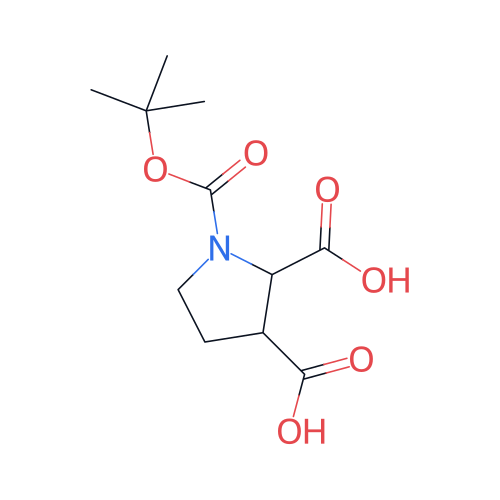
- Acacipetalin644-68-8C11H17NO6
- N-(3-Methoxycarbonylmethyl-oxetan-3-yl)-malonamic acid ethyl ester1105663-01-1C11H17NO6
- N-[(3S,4R,5S,6R)-2,4,5-Trihydroxy-6-(hydroxymethyl)oxan-3-yl]pent-4-ynamide2222687-74-1C11H17NO6
- tert-Butyl 2-[(2-methoxy-2-oxoethoxy)imino]-3-oxobutanoate268544-50-9C11H17NO6
- Ethyl 3-ethoxy-2-((ethoxycarbonyl)carbamoyl)acrylate36980-80-0C11H17NO6
- N-(tert-Butoxycarbonyl)-4-methylidene-L-glutamic acid175088-92-3C11H17NO6
- 4-(tert-Butyl) 3-methyl (R)-5-oxomorpholine-3,4-dicarboxylate2360959-19-7C11H17NO6
- (3S)-1-tert-Butoxycarbonyloxycarbonylpyrrolidine-3-carboxylic acid1135251-69-2C11H17NO6
- N-Acetyl-1-O-propargyl-alpha-D-glucosamine1000593-95-2C11H17NO6
- cis-1-(tert-Butoxycarbonyl)pyrrolidine-2,5-dicarboxylic acid116724-80-2C11H17NO6
- rac-(1R,2S,4S,5R)-4,5-Dihydroxy-2-{[(prop-2-en-1-yloxy)carbonyl]amino}cyclohexane-1-carboxylic acid2679823-44-8C11H17NO6
- 2,2-Diethyl 3-methyl 1-methylaziridine-2,2,3-tricarboxylate73500-19-3C11H17NO6
- (Z)-2-[(2-Methoxy-2-oxoethoxy)imino]-3-oxobutanoic acid 1,1-dimethylethyl ester84080-68-2C11H17NO6
- 1-(3-Methoxypropanoyl)piperidine-3,4-dicarboxylic acid1710661-75-8C11H17NO6
- 1-[(tert-Butoxy)carbonyl]-2-(methoxycarbonyl)azetidine-2-carboxylic acid2639444-44-1C11H17NO6
- 2,3-Dimethoxy-4,6-bis(methoxymethoxy)pyridine2110408-31-4C11H17NO6
- 2-{4-[(tert-Butoxy)carbonyl]morpholin-3-yl}-2-oxoacetic acid2228154-52-5C11H17NO6
- 2-(3-{[(tert-Butoxy)carbonyl]amino}oxolan-3-yl)-2-oxoacetic acid2228150-69-2C11H17NO6
- 2-{4-[(tert-Butoxy)carbonyl]morpholin-2-yl}-2-oxoacetic acid2229211-26-9C11H17NO6
- 2-({1-[(tert-Butoxy)carbonyl]-3-formylazetidin-3-yl}oxy)acetic acid2287317-03-5C11H17NO6
- 3,3-Bis(hydroxymethyl)-1-{[(prop-2-en-1-yloxy)carbonyl]amino}cyclobutane-1-carboxylic acid2803864-32-4C11H17NO6
- 1-[(tert-Butoxy)carbonyl]-3-(methoxycarbonyl)azetidine-3-carboxylic acid2137580-56-2C11H17NO6
- 8-[(tert-Butoxy)carbonyl]-2,5-dioxa-8-azaspiro[3.4]octane-7-carboxylic acid2137484-95-6C11H17NO6
- 2,2-Dimethyl-5-{[(prop-2-en-1-yloxy)carbonyl]amino}-1,3-dioxane-5-carboxylic acid2680830-79-7C11H17NO6
- rac-2-[(2R,6S)-6-(Hydroxymethyl)-4-[(prop-2-en-1-yloxy)carbonyl]morpholin-2-yl]acetic acid2679939-34-3C11H17NO6
- 2-(Methoxymethyl)-4-[(prop-2-en-1-yloxy)carbonyl]morpholine-2-carboxylic acid2680749-61-3C11H17NO6
- 2-[6-(Hydroxymethyl)-4-[(prop-2-en-1-yloxy)carbonyl]morpholin-2-yl]acetic acid2680823-33-8C11H17NO6
- rac-(2R,3S,4R)-3,4-Dimethoxy-1-[(prop-2-en-1-yloxy)carbonyl]pyrrolidine-2-carboxylic acid2679918-95-5C11H17NO6
- 3,3-Dimethoxy-1-{[(prop-2-en-1-yloxy)carbonyl]amino}cyclobutane-1-carboxylic acid2680735-46-8C11H17NO6
- rac-2-[(2R,6R)-6-(Hydroxymethyl)-4-[(prop-2-en-1-yloxy)carbonyl]morpholin-2-yl]acetic acid2679920-40-0C11H17NO6
- 4-(1,3-Dioxolan-2-yl)-2-{[(prop-2-en-1-yloxy)carbonyl]amino}butanoic acid2680606-75-9C11H17NO6
- 2-({[3-(Hydroxymethyl)oxetan-3-yl]methyl}[(prop-2-en-1-yloxy)carbonyl]amino)acetic acid2870688-96-1C11H17NO6
- (2S,3S)-1-tert-Butoxycarbonyl-2-methoxycarbonyl-azetidine-3-carboxylic acid3058703-32-2C11H17NO6
- rac-(1R,2R,3R)-2-{[(tert-Butoxy)carbonyl]amino}-3-(methoxycarbonyl)cyclopropane-1-carboxylic acid321133-42-0C11H17NO6
- Ethyl (Z)-3-ethoxy-2-(ethoxycarbonylcarbamoyl)prop-2-enoateC11H17NO6
- N-[(2S,3R,4R,5R,6R)-4,5-Dihydroxy-6-(hydroxymethyl)-2-prop-2-ynoxyoxan-3-yl]acetamide1152423-03-4C11H17NO6
- N-((2R,3S,4R,5S,6R)-2,4,5-Trihydroxy-6-(hydroxymethyl)tetrahydro-2H-pyran-3-yl)pent-4-ynamide1971934-92-5C11H17NO6
- N-((2S,3R,4R,5S,6R)-2,4,5-Trihydroxy-6-(hydroxymethyl)tetrahydro-2H-pyran-3-yl)pent-4-ynamide1635433-51-0C11H17NO6
- N-((2R,3R,4R,5S,6R)-2,4,5-Trihydroxy-6-(hydroxymethyl)tetrahydro-2H-pyran-3-yl)pent-4-ynamide1635433-54-3C11H17NO6
- rac-(1R,2S,4R,5S)-4,5-Dihydroxy-2-{[(prop-2-en-1-yloxy)carbonyl]amino}cyclohexane-1-carboxylic acid2679823-23-3C11H17NO6
- 2-[2-[2-[2-Oxo-2-(prop-2-ynylamino)ethoxy]ethoxy]ethoxy]acetic acid873225-10-6C11H17NO6
Frequently asked questions
What is the molar mass of C11H17NO6?
The molar mass of C11H17NO6 is 259.26 g/mol, calculated from standard atomic weights for 11 carbon atoms, 17 hydrogen atoms, 1 nitrogen atom and 6 oxygen atoms. The monoisotopic mass is 259.1056 Da.
How many compounds have the formula C11H17NO6?
CompoundList lists 65 compounds with the molecular formula C11H17NO6, including Rhodiocyanoside A, rac-(3R,4R)-1-((tert-Butoxy)carbonyl)pyrrolidine-3,4-dicarboxylic acid, rel-1-(1,1-Dimethylethyl) (3R,4S)-1,3,4-pyrrolidinetricarboxylate. Compounds that share a formula are isomers. They contain the same atoms arranged differently, so their properties, uses and prices can be very different.
What is the degree of unsaturation of C11H17NO6?
C11H17NO6 has a degree of unsaturation of 4. That is the total number of rings and pi bonds (a double bond counts as one, a triple bond as two) in any structure with this formula.