C6H8BNO3
33 compounds have this formula on CompoundList.
- Molar mass
- 152.94g/mol
- Monoisotopic mass
- 159.0974Da
- Atoms
- 19
- Elements
- 5
The formula C6H8BNO3 describes a molecule made of 6 carbon atoms, 8 hydrogen atoms, 1 boron atom, 1 nitrogen atom and 3 oxygen atoms. It is written in Hill notation: carbon first, then hydrogen, then the other elements in alphabetical order. The formula tells you which atoms are present, not how they are connected, which is why several different chemicals can share it.
Elemental composition
- C Carbon × 647.12%12.011 × 6 = 72.066 g/mol
- H Hydrogen × 85.27%1.008 × 8 = 8.064 g/mol
- B Boron × 17.07%10.81 × 1 = 10.810 g/mol
- N Nitrogen × 19.16%14.007 × 1 = 14.007 g/mol
- O Oxygen × 331.38%15.999 × 3 = 47.997 g/mol
Compounds with the formula C6H8BNO3
Isomers we list, best known first. Open one to see its structure, properties, safety data and suppliers.
Showing 1 to 33 of 33 compounds
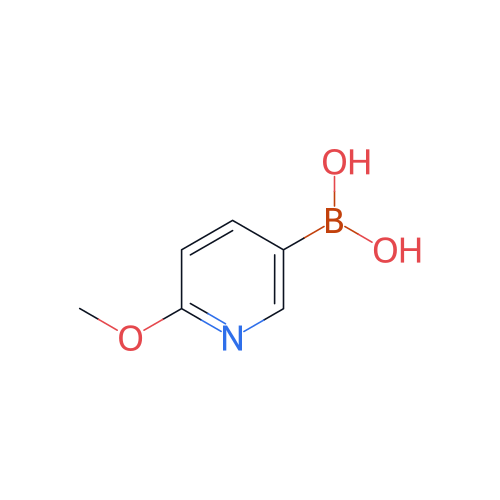
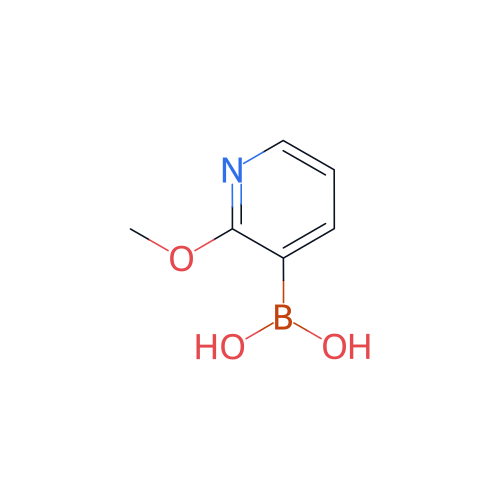
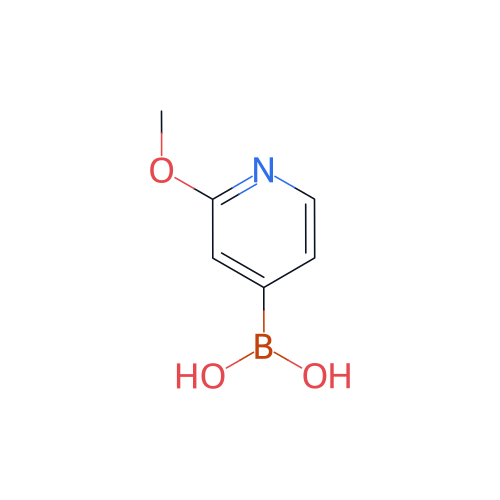

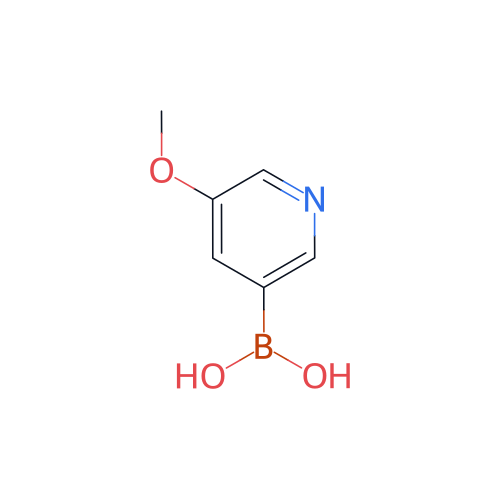

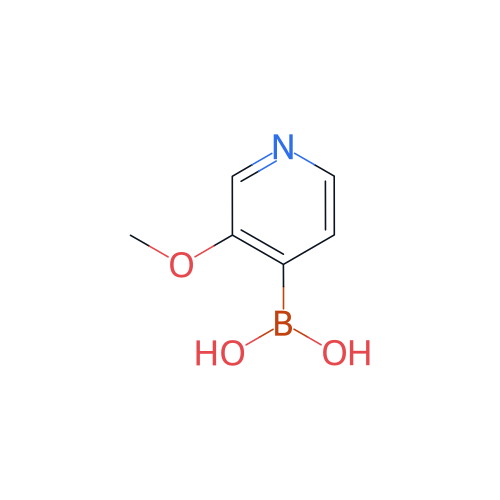
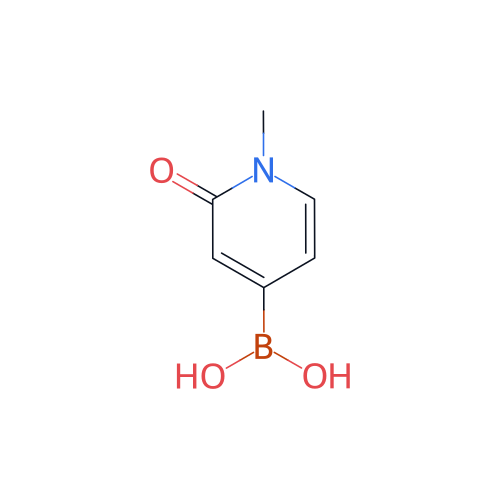
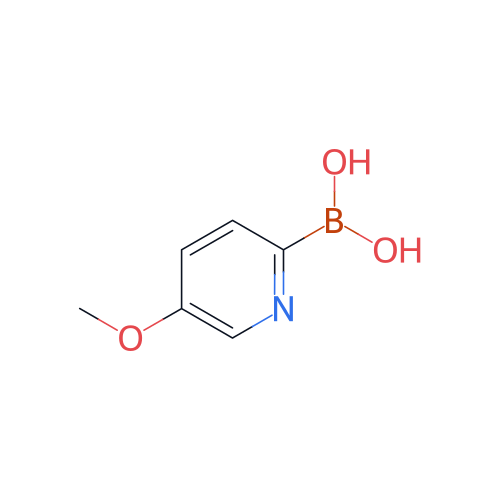


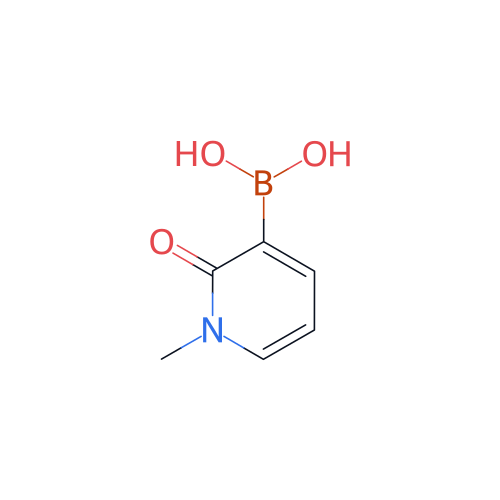
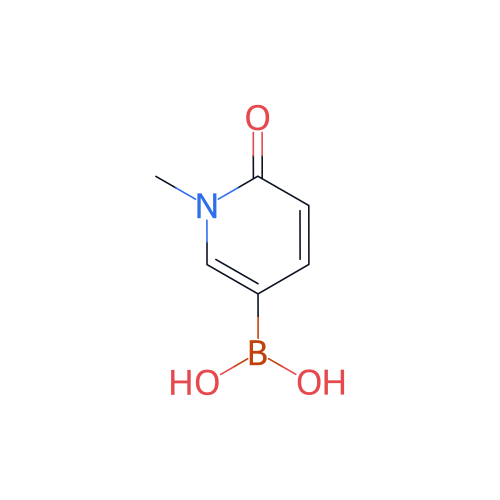
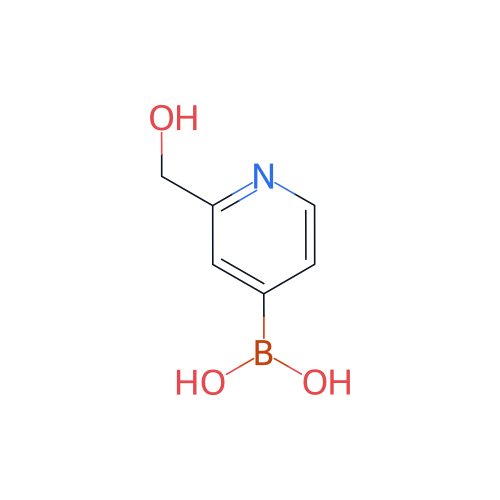
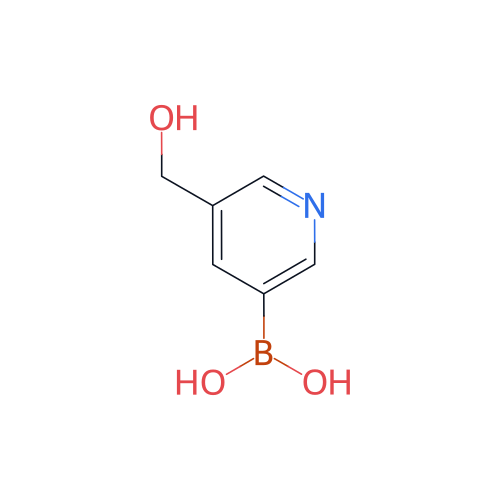


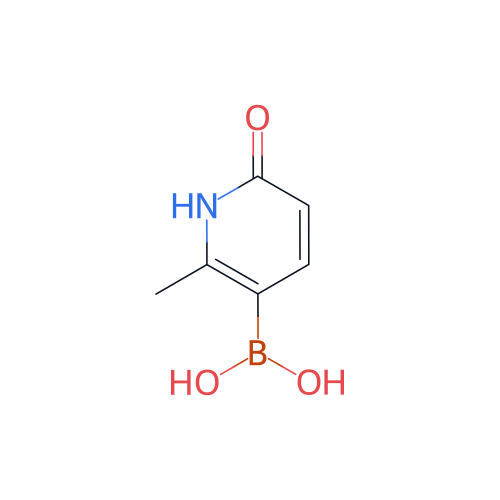
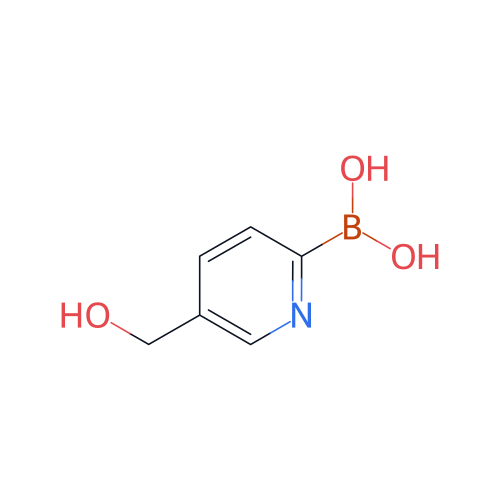

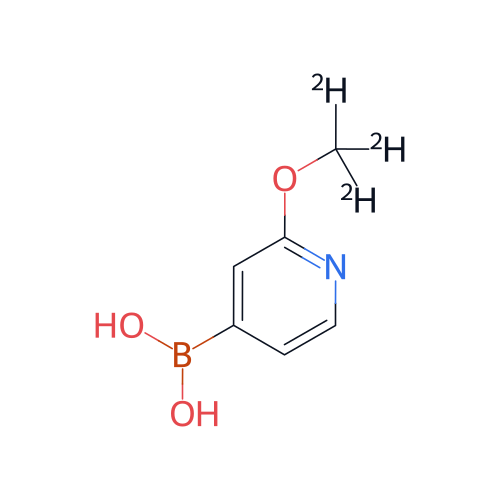
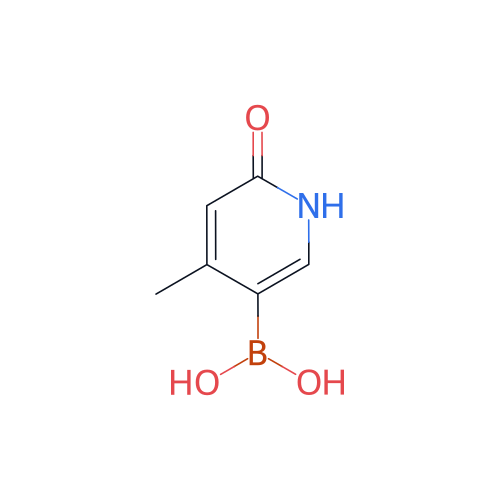
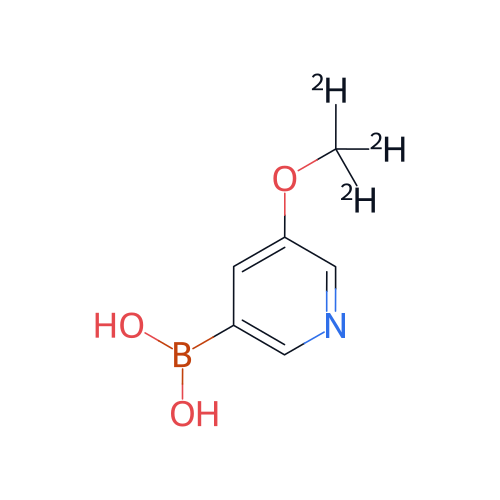
- (6-Methyl-2-oxo-1,2-dihydropyridin-4-yl)boronic acid2225172-84-7C6H8BNO3
- 2-Hydroxy-5-methylpyridine-4-boronic acid1225222-12-7C6H8BNO3
- (3-Amino-4-hydroxyphenyl)boronic acid1451154-62-3C6H8BNO3
- (2-(Hydroxyamino)phenyl)boronic acid92448-01-6C6H8BNO3
- 2-(Methoxypyridine-d6)-4-boronic acid2241875-73-8C6H8BNO3
- (6-Methoxypyridin-3-yl) boronic acid-d32414477-60-2C6H8BNO3
- (2-Cyclopropyl-1,3-oxazol-5-yl)boronic acid2246651-56-7C6H8BNO3
- (2-(Methoxy-D3)pyridin-3-yl)boronic acid3032734-15-6C6H8BNO3
- (5-Formyl-4-methyl-1H-pyrrol-2-yl)boronic acid1450981-98-2C6H8BNO3
Frequently asked questions
What is the molar mass of C6H8BNO3?
The molar mass of C6H8BNO3 is 152.94 g/mol, calculated from standard atomic weights for 6 carbon atoms, 8 hydrogen atoms, 1 boron atom, 1 nitrogen atom and 3 oxygen atoms. The monoisotopic mass is 159.0974 Da.
How many compounds have the formula C6H8BNO3?
CompoundList lists 33 compounds with the molecular formula C6H8BNO3, including (6-Methoxypyridin-3-yl)boronic acid, (2-Methoxypyridin-3-yl)boronic acid, (2-Methoxypyridin-4-yl)boronic acid. Compounds that share a formula are isomers. They contain the same atoms arranged differently, so their properties, uses and prices can be very different.