1,3-Propanediol
Also known as Propane-1,3-diol, Trimethylene glycol, 1,3-Dihydroxypropane
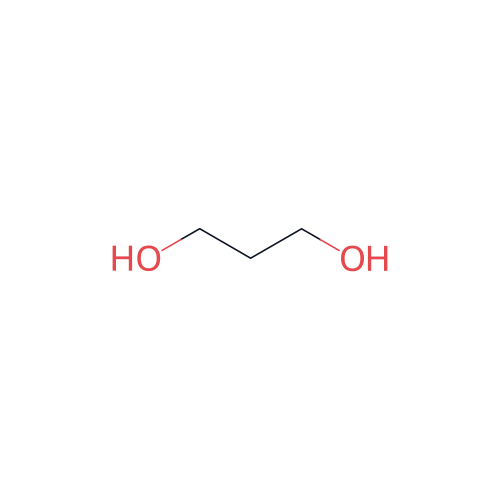
Key facts
What buyers check first
- Appearance
- Colorless to pale yellow, very viscid liquid
- Boiling point
- 210 to 212
- Density
- 1.0597 at 20 °C/4 °C
- Flash point
- 345 °C
- Solubility
- Miscible with water
- HS code
- 290539
- Category
- Alcohol and glycol solvents

What is 1,3-Propanediol?
Plain description, key identifiers and synonyms
Propane-1,3-diol is the simplest member of the class of propane-1,3-diols, consisting of propane in which one hydrogen from each methyl group is substituted by a hydroxy group. A colourless, viscous, water-miscible liquid with a high (210C) boiling point, it is used in the synthesis of certain polymers and as a solvent and antifreeze. It has a role as a metabolite and a protic solvent.
Identifiers
Registry numbers, names and line notations, tap to copy
- IUPAC name
- propane-1,3-diol
- CAS number
- 504-63-2 CAS number cross-checkedOther or deprecated CAS: 31714-45-1, 345260-48-2
- EC number
- 207-997-3
- Molecular formula
- C3H8O2
- UNII
- 5965N8W85T
- MDL number
- MFCD00002949
- INCI name
- POLYPROPANEDIOL-4, POLYPROPANEDIOL-8, PROPANEDIOL
- InChIKey
- YPFDHNVEDLHUCE-UHFFFAOYSA-N
- InChI
- InChI=1S/C3H8O2/c4-2-1-3-5/h4-5H,1-3H2
- SMILES (canonical and isomeric)
- C(CO)CO
Synonyms
- Propane-1,3-diol
- Trimethylene glycol
- 1,3-Dihydroxypropane
- 1,3-Propylene glycol
- 2-Deoxyglycerol
- 1,3-Propylenediol
- beta-Propylene glycol
- 2-(Hydroxymethyl)ethanol
- omega-Propanediol
- 1,3-Propandiol
- HOCH2CH2CH2OH
- HO(CH2)3OH
- 3-hydroxypropanol
- 1,3 propanediol
- 1.3-propanediol
- propane-1,3diol
- propane1,3-diol
- propane1.3-diol
- 1,3 propandiol
- propan-1,3-diol
- 1,3 -propanediol
- 1,3- propanediol
- 1,3-propane diol
- 1,3-propane-diol
- propane 1,3-diol
Show all 36 synonymsShow fewer synonyms
- propane 1.3-diol
- propane diol-1,3
- propane-1-3-diol
- propane-1.3-diol
- 1,3-propyleneglycol
- propane-1, 3-diol
- propanediol-(1,3)
- Propanediol
- 1,3-Propanediol, 98%
- 1,3-Propanediol (Standard)
- (HOCH2)2CH2
Physical and chemical properties
Measured values and descriptors computed from the structure
Physical and chemical properties
Measured values, check the supplier specification for your grade
| Appearance | Colorless to pale yellow, very viscid liquidexp.Measured value |
|---|---|
| Taste | Sweetexp.Measured value |
| Boiling point | 210 to 212exp.Measured value |
| Density | 1.0597 at 20 °C/4 °Cexp.Measured value |
| Flash point | 345 °Cexp.Measured value |
| Autoignition temperature | 400 °Cexp.Measured value |
| Solubility | Miscible with waterexp.Measured value |
| Vapour pressure | 0.0441 mm Hg at 25 °Cexp.Measured value |
Values vary by grade. Ask suppliers for the COA or TDS of the batch you buy.
Computed descriptors
Calculated from the structure, useful for screening and formulation
| Molecular weight | 76.10 g/molcalc.Computed value |
|---|---|
| Exact mass | 76.0524 Dacalc.Computed value |
| LogP (octanol/water) | -0.64calc.Computed value |
| Topological polar surface area | 40.46 Ųcalc.Computed value |
| Hydrogen bond donors | 2calc.Computed value |
| Hydrogen bond acceptors | 2calc.Computed value |
| Rotatable bonds | 2calc.Computed value |
| Heavy atoms | 5calc.Computed value |
| Rings | 0calc.Computed value |
| Aromatic rings | 0calc.Computed value |
| Fraction sp3 carbons | 1calc.Computed value |
| Formal charge | 0calc.Computed value |
| Stereocentres | 0calc.Computed value |
| Lipinski rule of five | Passes (0 violations)calc.Computed value |
Calculated for screening. Confirm critical figures with the supplier.
Safety and hazards
GHS classification summary, not a safety data sheet
Hazard statements
- H315Causes skin irritation.
Precautionary statements (6)
- P264Wash skin thoroughly after handling.
- P280Wear protective gloves, protective clothing, eye protection and face protection.
- P302 + P352If on skin: Wash with plenty of water.
- P321Specific treatment (see supplemental first aid instructions on the label).
- P332 + P317If skin irritation occurs: Get medical help.
- P362 + P364Take off contaminated clothing. And wash it before reuse.
GHS classification summary, not a safety data sheet (SDS). Classifications can differ by supplier, grade and concentration. Always check the supplier's SDS.
Full safety data and first aid1,3-Propanediol suppliers
Sponsored listings first, then the documented ranking: membership, verification, replies, completeness, freshness and ratings
- Price on request
- China ManufacturerUnclaimed profile1,3-PropanediolGrade, purity and minimum order on requestPrice on request
- China ManufacturerUnclaimed profile1,3-PropanediolGrade, purity and minimum order on requestPrice on request
- China ManufacturerUnclaimed profile1,3-PropanediolGrade, purity and minimum order on requestPrice on request
- Price on request
- China ManufacturerUnclaimed profile1,3-PropanediolGrade, purity and minimum order on requestPrice on request
- China ManufacturerUnclaimed profile1,3-PropanediolGrade, purity and minimum order on requestPrice on request
- Germany, Witten ManufacturerUnclaimed profile1,3-PropanediolGrade, purity and minimum order on requestPrice on request
- India, Harishchandra Goregaonkar MargUnclaimed profile1,3-PropanediolGrade, purity and minimum order on requestPrice on request
- Germany, HeilbronnUnclaimed profile1,3-PropanediolGrade, purity and minimum order on requestPrice on request
Suppliers marked Unclaimed profile have not claimed their profile yet. They are not verified by CompoundList, their offers are price on request and details may have changed, so please confirm them with the supplier. Company representatives can claim a profile with a business email on the company's own website domain. Our team verifies each claim and sends the result by email.
Where suppliers are based
114 suppliers in 17 countries
- China41
- United States37
- Germany9
- United Kingdom4
- Spain3
- Hong Kong2
- and 11 more countries
Send one request to many suppliers
Choose up to 10 suppliers or let us match your request. Compare quotes side by side, free.
1,3-Propanediol price
Indicative price range per kg from live supplier offers
Suppliers quote this chemical on request. Send one free request and compare quotes side by side.
Uses and applications
What the substance is used for, by industry and function
1,3-Propanediol (PDO) is mainly used for making polytrimethylene terephthalate polymer, which is used in fibers and fabrics, for example, carpets, textiles, engineering thermoplastics, nonwovens, films, and monofilaments. PDO finds also use as chain extender in thermoplastic polyurethanes, where it contributes to improved thermal, hydrolytic and dimensional stability. In adipate polyesters with other diols these diols are partly substituted by 1,3-propanediol to break crystallinity in order to obtain liquid polyester polyols. In polyesters for powder coatings PDO improves the flexibility but lowers the glass transition temperature somewhat.
Read more
PDO finds also uses in cosmetics and personal care products, engine coolants, and solvents for ink-jet and screen inks.
Industrial uses: functional fluids (open system), intermediates, solvents (for cleaning or degreasing), solvents (which become part of product formulation or mixture) Consumer uses: anti-freeze and de-icing products, apparel and footwear care products, building/construction materials, floor coverings, ink, toner and colorant products, laundry and dishwashing products, personal care products.
Intermediate, especially for polyesters.
Polymers, foods, lubricants, medicines, intermediate for the synthesis of heterocyclic compounds.
Industrial uses: Polymerization promoter.
Use classes: Enzymes and Enzyme Stabilizers, Solvents, Safer Chemical Classes.
Industries and functions
- Emulsifiers in cosmetics and personal care
- Humectants in cosmetics and personal care
- Surfactants and cleansing agents in cosmetics and personal care
- Thickeners in cosmetics and personal care
- Skin conditioning agents in cosmetics and personal care
- Solvents in paints and coatings
- Solvents in adhesives and sealants
Cosmetic ingredient, INCI name PROPANEDIOL(solvent, viscosity controlling)
Roles
- Bronsted acid
- acid
- donor
- metabolite
- polar solvent
- protic solvent
- solvent
Functional uses
- Chemical reaction regulator
- Emulsifier
- Fragrance
- Humectant
- Plasticizer
- Softener and conditioner
- Solvent
- Stabilizing agent
- Surfactant (surface active agent)
- Viscosity modifier
Cosmetic functions
- Emulsion stabilising
- Humectant
- Plasticiser
- Skin conditioning
- Solvent
- Surfactant - cleansing
- Surfactant - emulsifying
- Viscosity controlling
How it is made
One commercial route to 1,3-propanediol starts from acrolein. The addition of water under mild acidic conditions gives 3-hydroxypropionaldehyde with high selectivity. Preferentially buffer solutions with a pH 4-5 or weak acidic ion exchange resins are used as catalysts. Further hydrogenation of this aqueous solutions gives 1,3-propanediol. There is an alternative route via hydroformylation of ethylene oxide and subsequent hydrogenation of the intermediate 3-hydroxypropionaldehyde. More recently a fermentation route from corn sugar has been commercialized.
Prepared by reduction of ethyl glycidate with lithium aluminum hydride.
Regulatory status
Inventories, regulations and trade controls that list this substance
Health and food
- EU cosmetic ingredient inventory
- Active ingredient in FDA approved drug labels
United States
- Safer Choice ingredient list (USA)
- TSCA inventory (USA)Status: Active in US commerce
HS code and trade data
Customs classification and reported world trade statistics
Global trade
World import and export statistics for the HS code 1,3-Propanediol is traded under.
Diols, other
- China22.3%
- United States17.9%
- Germany16.1%
- Germany12.0%
- China11.3%
- South Korea10.5%
The HS code shown for 1,3-Propanediol is indicative (it was assigned by structure rules). Confirm the classification with your customs broker before shipping.
Related chemicals
Parent and salt forms, stereoisomers, similar structures and isomers
Salt and hydrate forms
Records that share this compound as their parent

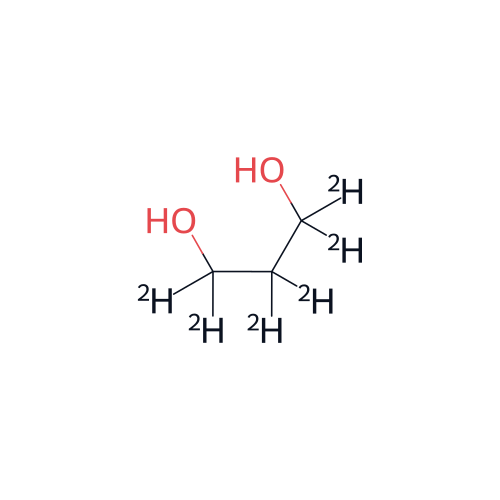
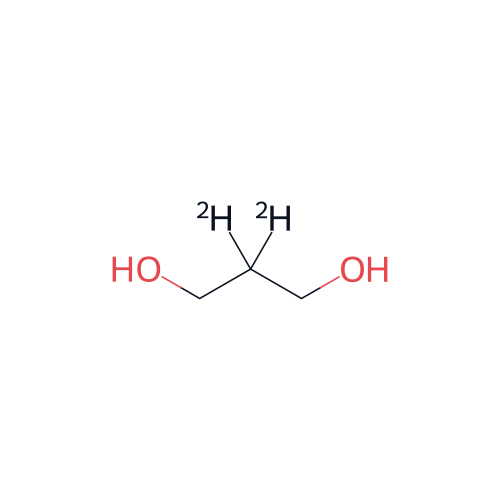
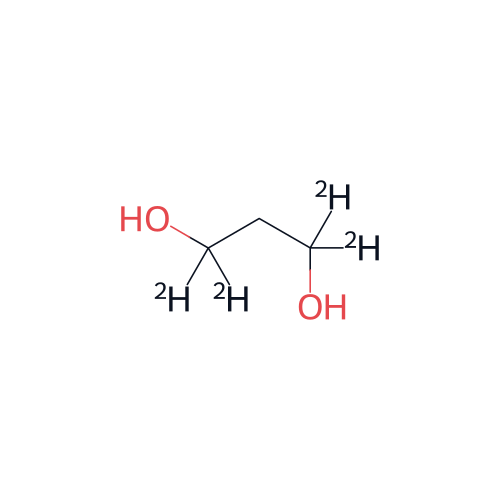
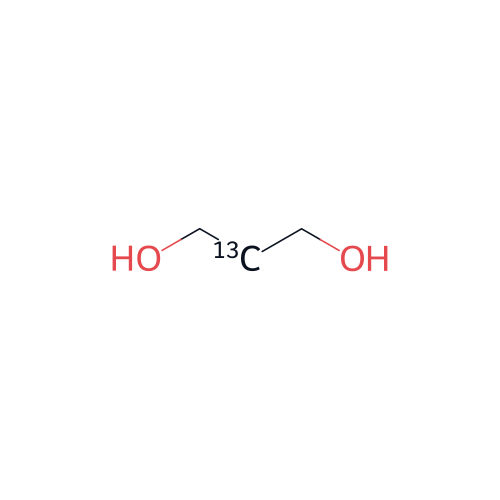
Stereoisomers and isotopic forms
Same connectivity, different stereochemistry or isotopes (same InChIKey skeleton)


Similar structures
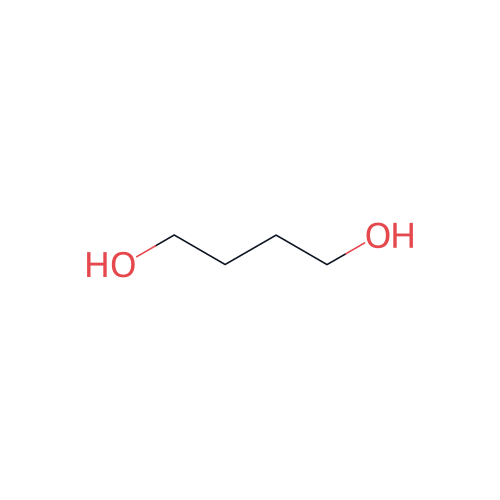
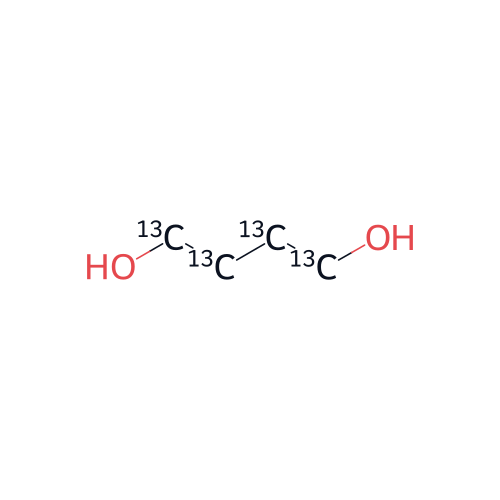
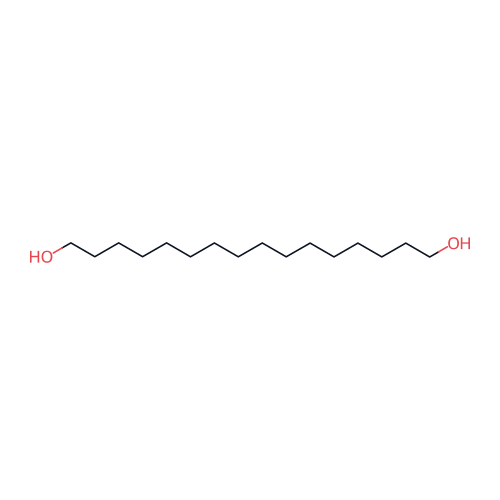
Nearest neighbours by Morgan fingerprint Tanimoto similarity


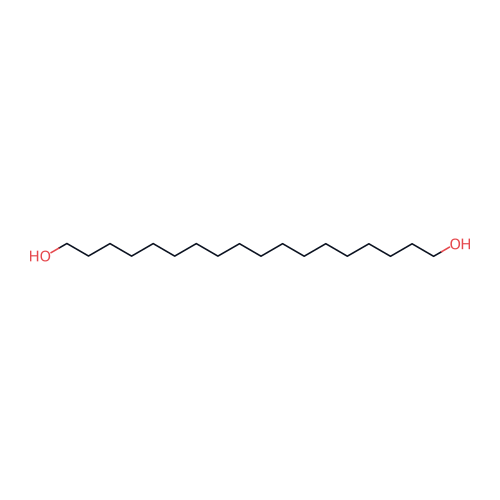


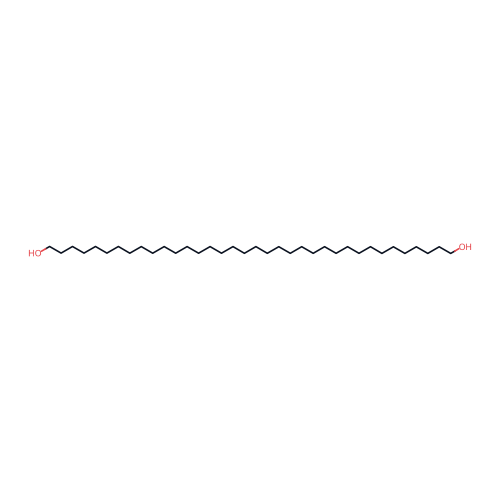
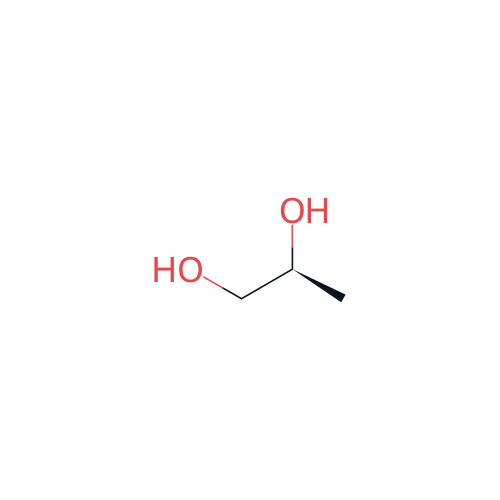
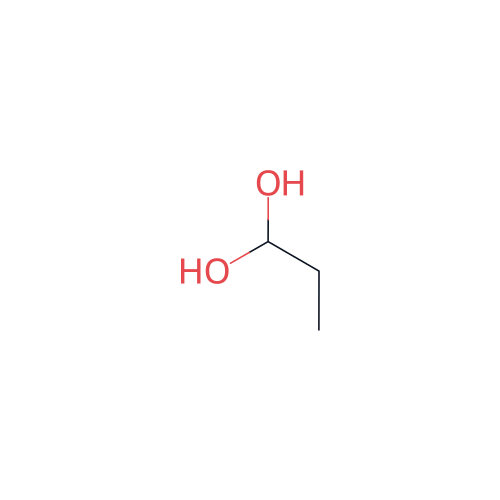
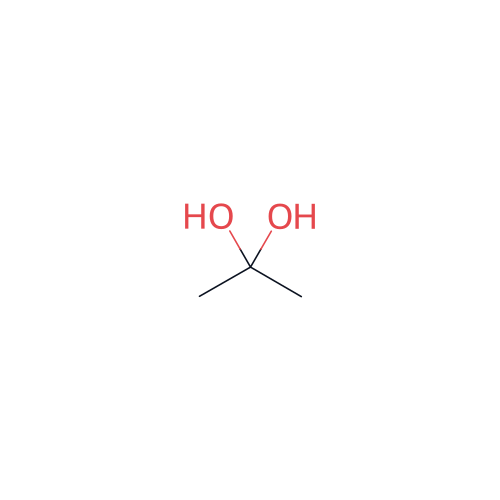
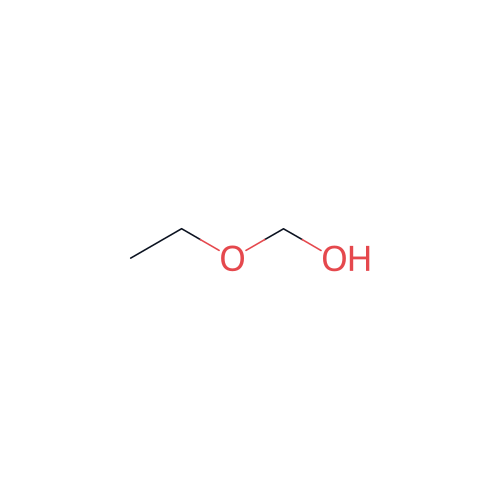
Same formula isomers
Different compounds that share this molecular formula
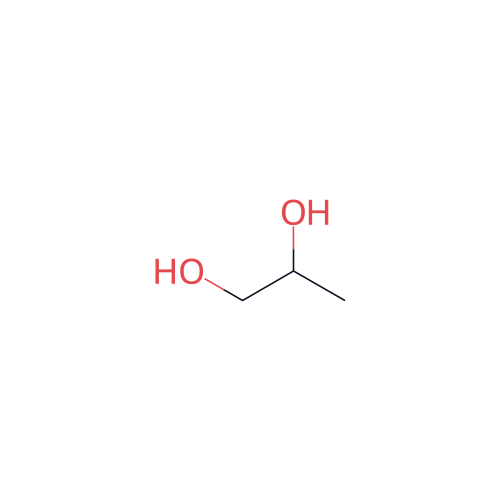

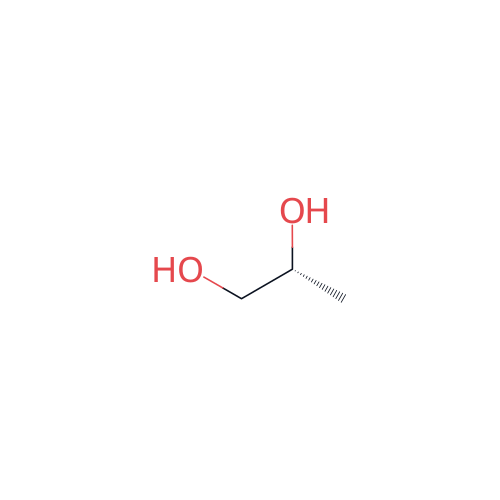



Frequently asked questions
Quick answers about 1,3-Propanediol, based on the data on this page
What is 1,3-Propanediol?
What is the CAS number of 1,3-Propanediol?
What is the molecular formula and weight of 1,3-Propanediol?
What is 1,3-Propanediol used for?
Is 1,3-Propanediol hazardous?
What is the HS code of 1,3-Propanediol?
Where can I buy 1,3-Propanediol?
Where can I buy 1,3-Propanediol in India?
What is the price of 1,3-Propanediol?
Guides for buyers
Practical guides that help when you source, ship or handle 1,3-Propanediol
- Guide, Trade and logisticsShipping dangerous goods: UN numbers, classes and packing groupsHow the UN dangerous goods system works for chemicals, from the nine classes and UN numbers to packing groups, UN packaging marks, labels, documents and segregation.Read
- Guide, SafetyHow to read a safety data sheet in 10 minutesA section by section method to pull the essentials out of any 16 section SDS: identity, hazards, composition, storage, PPE, properties, transport and emergency measures.Read
- Guide, SafetyGHS pictograms, signal words and hazard statements explainedA practical guide to the nine GHS pictograms, the signal words Danger and Warning, H and P statements, and how to read a chemical label in seconds.Read
Get quotes for 1,3-Propanediol
Embed this structure on your websiteShow code
Paste this code into your page to show the 2D structure of 1,3-Propanediol with a 3D view, its CAS number where known and a link back to this page. Free to use with the link kept.
<iframe src="https://www.compoundlist.com/embed/structure/1-3-propanediol-504-63-2" title="1,3-Propanediol structure on CompoundList" width="360" height="420" style="border:1px solid #E7E2DA;border-radius:12px;max-width:100%" loading="lazy" referrerpolicy="strict-origin-when-cross-origin"></iframe>Explore more in Alcohol and glycol solvents or HS code 290539