1,4-Butanediol
Also known as Butane-1,4-diol, Tetramethylene glycol, 1,4-Butylene glycol
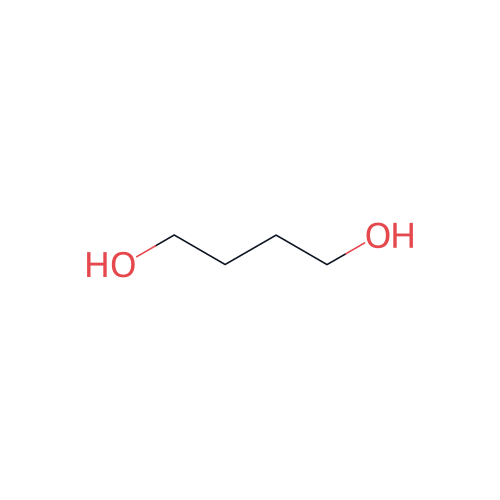
Key facts
What buyers check first
- Appearance
- Colorless, oily liquid
- Melting point
- 20.4 °C
- Boiling point
- 229.5 °C
- Density
- 1.0171 g/cm³ at 20 °C
- Flash point
- 134 °C
- HS code
- 290539
- Category
- Alcohol and glycol solvents
What is 1,4-Butanediol?
Plain description, key identifiers and synonyms
Butane-1,4-diol is a butanediol that is butane in which one hydrogen of each of the methyl groups is substituted by a hydroxy group. A colourless, water-miscible, viscous liquid at room temperature (m.p. 16C) with a high boiling point (230C), it is mainly used for the production of other organic chemicals, particularly the solvent oxolane (also known as tetrahydrofuran or THF). It has a role as a protic solvent, a prodrug and a neurotoxin. It is a glycol and a butanediol.
Identifiers
Registry numbers, names and line notations, tap to copy
- IUPAC name
- butane-1,4-diol
- CAS number
- 110-63-4 CAS number cross-checkedOther or deprecated CAS: 28324-25-6
- EC numbers
- 203-786-5, 615-930-8
- Molecular formula
- C4H10O2
- UNII
- 7XOO2LE6G3
- MDL number
- MFCD00002968
- INCI name
- 1,4-BUTANEDIOL
- InChIKey
- WERYXYBDKMZEQL-UHFFFAOYSA-N
- InChI
- InChI=1S/C4H10O2/c5-3-1-2-4-6/h5-6H,1-4H2
- SMILES (canonical and isomeric)
- C(CCO)CO
Synonyms
- Butane-1,4-diol
- Tetramethylene glycol
- 1,4-Butylene glycol
- 1,4-Dihydroxybutane
- 1,4-Tetramethylene glycol
- Sucol B
- Tetramethylene 1,4-diol
- DIOL 14B
- 1,4-BD
- Agrisynth B1D
- HO(CH2)4OH
- 1,4-Dihdyroxybutane
- HOCH2CH2CH2CH2OH
- 1,4-butane-d8-diol
- BDO
- Polifurit
- Teracol
- Terathane
- 4-hydroxybutanol
- 1,4butanediol
- 1.4-butanediol
- Dabco BDO
- 1,4-butandiol
- 1,4-butane diol
- 1,4-butane-diol
Show all 38 synonymsShow fewer synonyms
- butane 1,4-diol
- butane diol-1,4
- butane-1-4-diol
- Teracol 30
- 1,4- butandiol
- Butan-1.4-diol
- Terathane 2900
- Teracol 650
- 1.4 - butanediol
- 1,4 butylene glycol
- Hiprene MC 532
- Teracol 1000
- Teracol 2000
Physical and chemical properties
Measured values and descriptors computed from the structure
Physical and chemical properties
Measured values, check the supplier specification for your grade
| Appearance | Colorless, oily liquidexp.Measured value |
|---|---|
| Odour | Almost odorlessexp.Measured value |
| Melting point | 20.4 °Cexp.Measured value |
| Boiling point | 229.5 °Cexp.Measured value |
| Density | 1.0171 g/cm³ at 20 °Cexp.Measured value |
| Flash point | 134 °Cexp.Measured value |
| Autoignition temperature | 350 °Cexp.Measured value |
| Solubility | In water, 1.0 × 10⁺⁶ mg/L at 20 °C /miscible/exp.Measured value |
| Vapour pressure | 0.0105 mm Hg at 25 °Cexp.Measured value |
Values vary by grade. Ask suppliers for the COA or TDS of the batch you buy.
Computed descriptors
Calculated from the structure, useful for screening and formulation
| Molecular weight | 90.12 g/molcalc.Computed value |
|---|---|
| Exact mass | 90.0681 Dacalc.Computed value |
| LogP (octanol/water) | -0.25calc.Computed value |
| Topological polar surface area | 40.46 Ųcalc.Computed value |
| Hydrogen bond donors | 2calc.Computed value |
| Hydrogen bond acceptors | 2calc.Computed value |
| Rotatable bonds | 3calc.Computed value |
| Heavy atoms | 6calc.Computed value |
| Rings | 0calc.Computed value |
| Aromatic rings | 0calc.Computed value |
| Fraction sp3 carbons | 1calc.Computed value |
| Formal charge | 0calc.Computed value |
| Stereocentres | 0calc.Computed value |
| Lipinski rule of five | Passes (0 violations)calc.Computed value |
Calculated for screening. Confirm critical figures with the supplier.
Safety and hazards
GHS classification summary, not a safety data sheet
Hazard statements
- H302Harmful if swallowed.
- H336May cause drowsiness or dizziness.
Precautionary statements (11)
- P261Avoid breathing dust, fume, gas, mist, vapours or spray.
- P264Wash skin thoroughly after handling.
- P270Do not eat, drink or smoke when using this product.
- P271Use only outdoors or in a well-ventilated area.
- P301 + P317If swallowed: Get medical help.
- P304 + P340If inhaled: Remove person to fresh air and keep comfortable for breathing.
- P319Get medical help if you feel unwell.
- P330Rinse mouth.
- P403 + P233Store in a well-ventilated place. Keep container tightly closed.
- P405Store locked up.
- P501Dispose of contents and container in accordance with local regulations.
GHS classification summary, not a safety data sheet (SDS). Classifications can differ by supplier, grade and concentration. Always check the supplier's SDS.
Full safety data and first aid1,4-Butanediol suppliers
Controlled substance, listings of documented suppliers only, in the documented ranking
1,4-Butanediol is controlled. Only documented suppliers can list it, and buyers must upload a valid licence with their request. Every request is reviewed before suppliers see it.
Licensed buyers only, every enquiry is reviewed by our compliance team.
Reference: INCB special surveillance list
Our policy on controlled substancesLicensed buyers can post a request for 1,4-Butanediol with their licence. Our compliance team reviews it before suppliers see it.
1,4-Butanediol price
Indicative price range per kg from live supplier offers
Suppliers quote this chemical on request. Send one free request and compare quotes side by side.
Uses and applications
What the substance is used for, by industry and function
1,4-Butanediol is a versatile intermediate for the chemical industry. The most important area of application is the production of polyurethanes and poly(butylene terephthalate). Among the polyurethanes produced from 1,4-butanediol, cellular and compact elastomers are of prime importance.
Industrial solvent, intermediate in organic synthesis, polymer feedstock.
Humectant, intermediate for plasticizers, pharmaceuticals, cross-linking agent in polyurethane elastomers, manufacture of tetrahydrofuran, terephthalate plastics.
Industrial uses: Intermediate, Hardener, Surface modifier, Plasticizer, Monomers, Wrinkle resisting agent, Solvent.
Consumer uses: Hardener, Intermediate.
Industries and functions
Cosmetic ingredient, INCI name 1,4-BUTANEDIOL(solvent)
Roles
- Bronsted acid
- acid
- aetiopathogenetic role
- donor
- neurotoxin
- pharmaceutical
- poison
- polar solvent
- pro-agent
- prodrug
- protic solvent
- solvent
Functional uses
- Binder
- Plasticizer
- Processing aids not otherwise specified
- Solvent
Cosmetic functions
- Solvent
How it is made
From acetylene and formaldehyde by high-pressure synthesis
1,4-Butanediol is made on a large industrial scale by continuous hydrogenation of the 2-butyne-1,4-diol over modified nickel catalysts. The one-stage flow process is carried out at 80 - 160 °C and 300 bar. An aqueous solution of 2-butyne-1,4-diol (30 - 50%), together with carbon monoxide-free hydrogen and recycled reaction mixture, which acts as medium for dissipation of heat, is lead over a reduced nickel - copper - manganese catalysts on silica gel strands.
Read more
The initial temperature in the reactor is 80 °C, the temperature must not exceed 170 °C. In order to obtain a better distribution of the liquid, hydrogen is also circulated. The raw product contains methanol, propanol, and butanol as byproducts as well as traces of 2-methyl-1,4-butanediol, hydroxybutyraldehyde, acetals, and triols. The reactor effluent is worked up to pure 1,4-butanediol by fractional distillation.
Mitsubishi uses a three-step process: (1) the catalytic reaction of butadiene and acetic acid yields 1,4-diacetoxy-2-butene, (2) subsequent hydrogenation gives 1,4-diacetoxybutane, and (3) hydrolysis leads to 1,4-butanediol.
Regulatory status
Inventories, regulations and trade controls that list this substance
1,4-Butanediol is controlled. Only documented suppliers can list it, and buyers must upload a valid licence with their request. Every request is reviewed before suppliers see it.
Licensed buyers only, every enquiry is reviewed by our compliance team.
Reference: INCB special surveillance list
Our policy on controlled substancesHealth and food
- EU cosmetic ingredient inventory
Controls
- Drug precursor (UN 1988 Convention)
United States
- TSCA inventory (USA)Status: Active in US commerce
HS code and trade data
Customs classification and reported world trade statistics
Global trade
World import and export statistics for the HS code 1,4-Butanediol is traded under.
Diols, other
- China22.3%
- United States17.9%
- Germany16.1%
- Germany12.0%
- China11.3%
- South Korea10.5%
The HS code shown for 1,4-Butanediol is indicative (it was assigned by structure rules). Confirm the classification with your customs broker before shipping.
Related chemicals
Parent and salt forms, stereoisomers, similar structures and isomers
Salt and hydrate forms
Records that share this compound as their parent
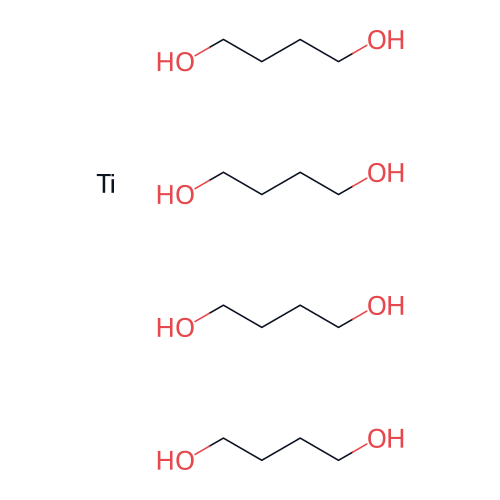
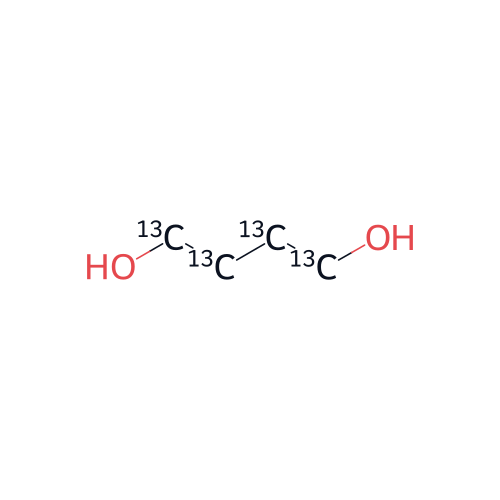
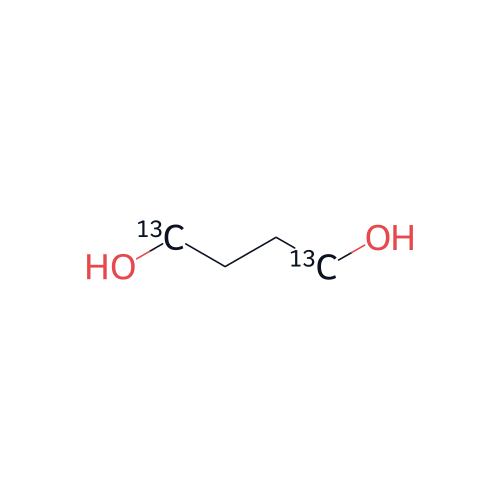
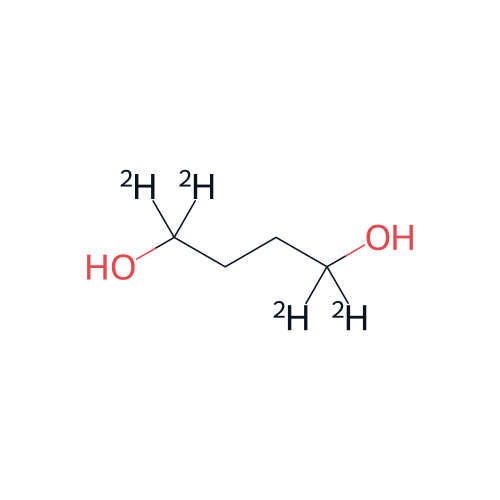
Stereoisomers and isotopic forms
Same connectivity, different stereochemistry or isotopes (same InChIKey skeleton)
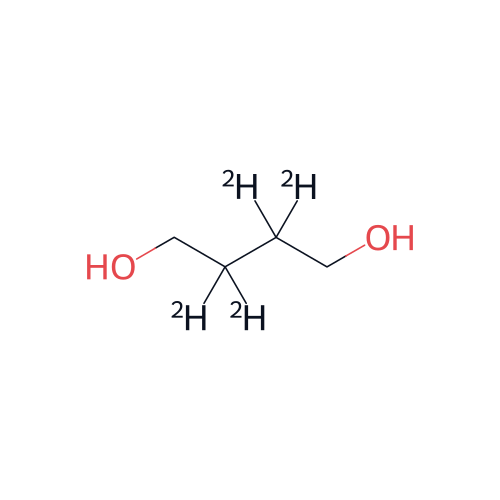

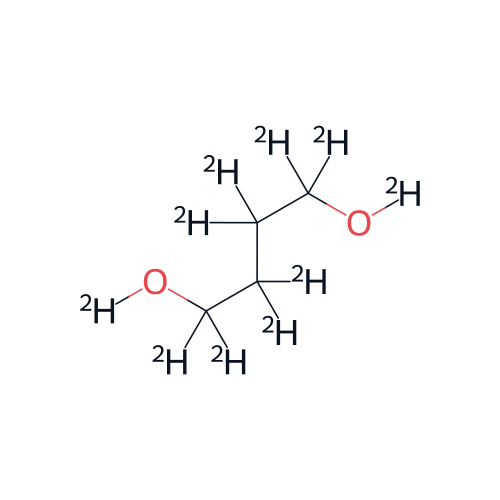
Similar structures
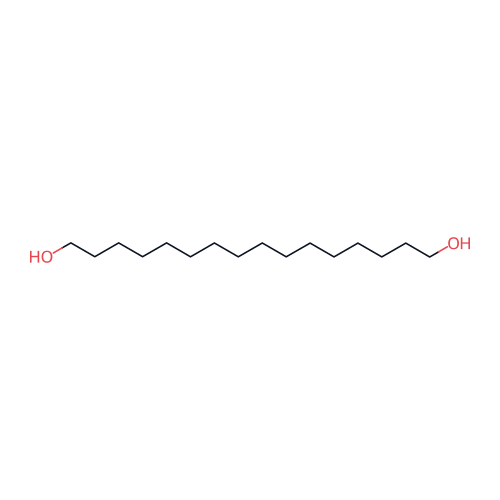
Nearest neighbours by Morgan fingerprint Tanimoto similarity




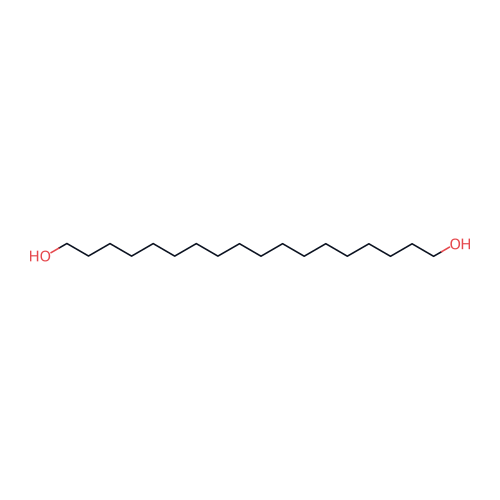


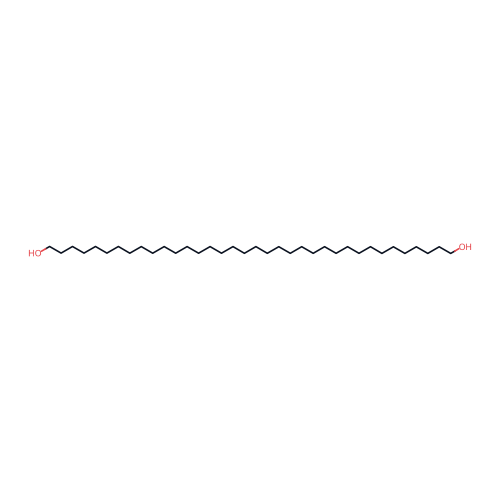
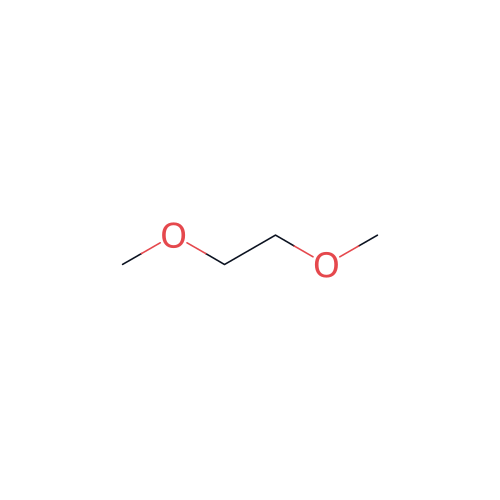
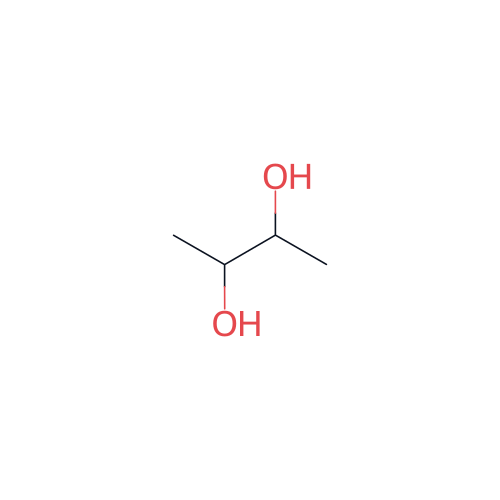
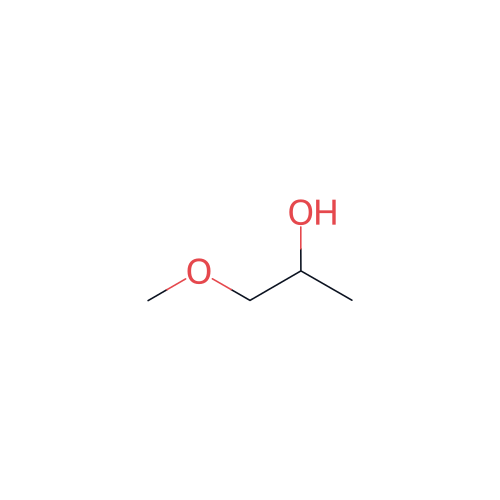
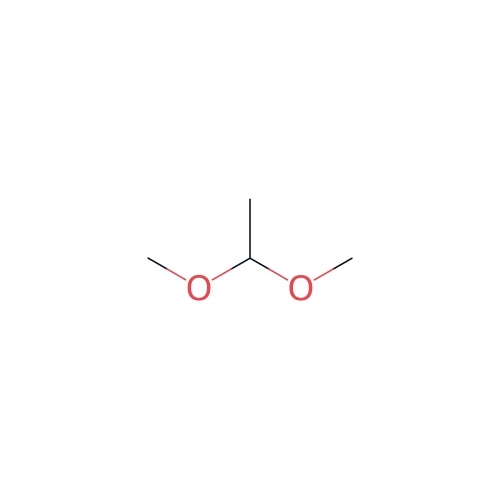
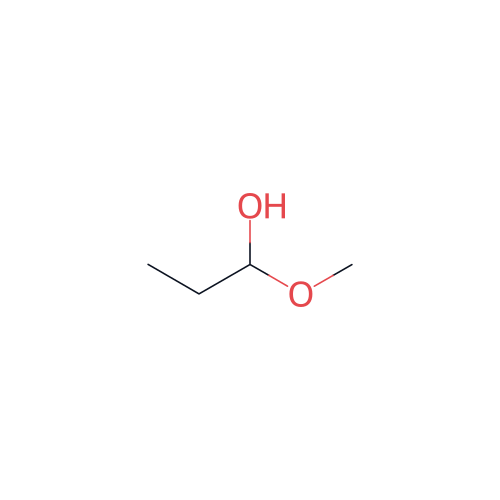
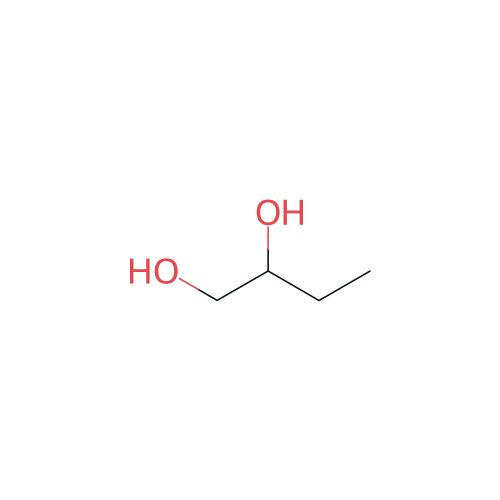
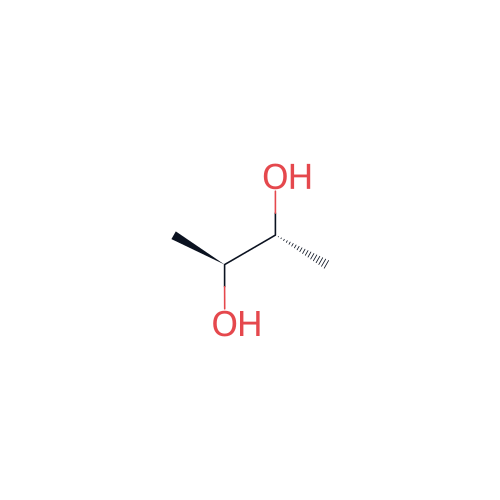
Same formula isomers
Different compounds that share this molecular formula
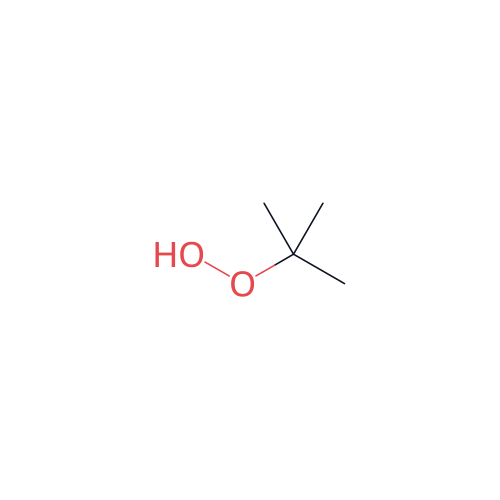
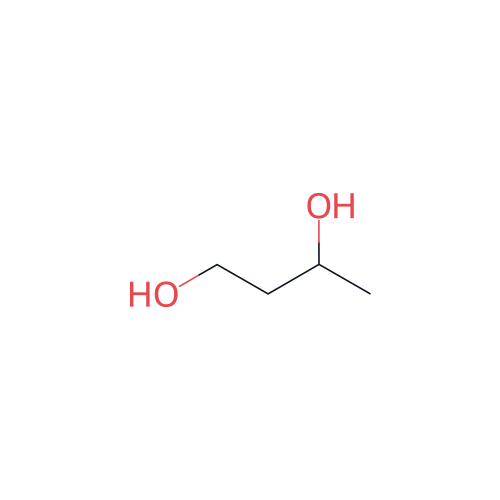



Frequently asked questions
Quick answers about 1,4-Butanediol, based on the data on this page
What is 1,4-Butanediol?
What is the CAS number of 1,4-Butanediol?
What is the molecular formula and weight of 1,4-Butanediol?
What is 1,4-Butanediol used for?
Is 1,4-Butanediol hazardous?
What is the HS code of 1,4-Butanediol?
Can I buy 1,4-Butanediol on CompoundList?
Guides for buyers
Practical guides that help when you source, ship or handle 1,4-Butanediol
- Guide, Trade and logisticsShipping dangerous goods: UN numbers, classes and packing groupsHow the UN dangerous goods system works for chemicals, from the nine classes and UN numbers to packing groups, UN packaging marks, labels, documents and segregation.Read
- Guide, SafetyHow to read a safety data sheet in 10 minutesA section by section method to pull the essentials out of any 16 section SDS: identity, hazards, composition, storage, PPE, properties, transport and emergency measures.Read
- Guide, SafetyGHS pictograms, signal words and hazard statements explainedA practical guide to the nine GHS pictograms, the signal words Danger and Warning, H and P statements, and how to read a chemical label in seconds.Read
Request as a licensed buyer
Embed this structure on your websiteShow code
Paste this code into your page to show the 2D structure of 1,4-Butanediol with a 3D view, its CAS number where known and a link back to this page. Free to use with the link kept.
<iframe src="https://www.compoundlist.com/embed/structure/1-4-butanediol-110-63-4" title="1,4-Butanediol structure on CompoundList" width="360" height="420" style="border:1px solid #E7E2DA;border-radius:12px;max-width:100%" loading="lazy" referrerpolicy="strict-origin-when-cross-origin"></iframe>Explore more in Alcohol and glycol solvents or HS code 290539