1-Dodecanol
Also known as Dodecan-1-ol, Dodecyl alcohol, Lauryl alcohol

Key facts
What buyers check first
- Appearance
- Leaflets from dilute alcohol
- Melting point
- 24 °C
- Boiling point
- 259 °C
- Density
- Density (at 24 °C): 0.83 g/cm³
- Flash point
- 127 °C
- HS code
- 290517
- Category
- Emollients
- UN number
- UN 3077
What is 1-Dodecanol?
Plain description, key identifiers and synonyms
Dodecan-1-ol is a primary alcohol that is dodecane in which a hydrogen from one of the methyl groups is replaced by a hydroxy group. It is registered for use in apple and pear orchards as a Lepidopteran pheromone/sex attractant, used to disrupt the mating behaviour of certain moths whose larvae destroy crops. It has a role as an insect attractant, an insecticide, a pheromone, a cosmetic, a plant metabolite and a bacterial metabolite. It is a primary alcohol and a dodecanol.
Identifiers
Registry numbers, names and line notations, tap to copy
- IUPAC name
- dodecan-1-ol
- CAS number
- 112-53-8 CAS number cross-checkedOther or deprecated CAS: 27342-88-7
- EC number
- 203-982-0
- Molecular formula
- C12H26O
- UNII
- 178A96NLP2
- MDL number
- MFCD00004753
- INCI name
- LAURYL ALCOHOL
- InChIKey
- LQZZUXJYWNFBMV-UHFFFAOYSA-N
- InChI
- InChI=1S/C12H26O/c1-2-3-4-5-6-7-8-9-10-11-12-13/h13H,2-12H2,1H3
- SMILES (canonical and isomeric)
- CCCCCCCCCCCCO
Synonyms
- Dodecan-1-ol
- Dodecyl alcohol
- Lauryl alcohol
- n-Dodecyl alcohol
- Lauric alcohol
- Laurinic alcohol
- Undecyl carbinol
- Dodecylalcohol
- 1-Hydroxydodecane
- Pisol
- 1-Dodecyl alcohol
- n-Dodecan-1-ol
- Duodecyl alcohol
- Lorol 5
- Lorol 7
- Lauryl 24
- Alcohol C-12
- Alfol 12
- Lorol 11
- Siponol L5
- Karukoru 20
- Lauroyl alcohol
- Dytol J-68
- Siponol 25
- Cachalot L-50
Show all 39 synonymsShow fewer synonyms
- Cachalot L-90
- Sipol L12
- Siponol L2
- C12 alcohol
- EPAL 12
- Hainol 12SS
- Conol 20P
- Conol 20PP
- Adol 10
- Adol 12
- n-Lauryl alcohol, primary
- Nacol 12-96
- Lorol C 12
- Adol 11
Physical and chemical properties
Measured values and descriptors computed from the structure
Physical and chemical properties
Measured values, check the supplier specification for your grade
| Appearance | Leaflets from dilute alcoholexp.Measured value |
|---|---|
| Odour | CHARACTERISTIC FATTY ODOR, UNPLEASANT AT HIGH CONCN BUT DELICATE & FLORAL ON DILUTIONexp.Measured value |
| Taste | FATTY, WAXY FLAVORexp.Measured value |
| Melting point | 24 °Cexp.Measured value |
| Boiling point | 259 °Cexp.Measured value |
| Density | Density (at 24 °C): 0.83 g/cm³exp.Measured value |
| Flash point | 127 °Cexp.Measured value |
| Autoignition temperature | 275 °Cexp.Measured value |
| Solubility | In water, 4 mg/L at 25 °Cexp.Measured value |
| Vapour pressure | 8.48 × 10⁻⁴ mm Hg at 25 °Cexp.Measured value |
Values vary by grade. Ask suppliers for the COA or TDS of the batch you buy.
Computed descriptors
Calculated from the structure, useful for screening and formulation
| Molecular weight | 186.34 g/molcalc.Computed value |
|---|---|
| Exact mass | 186.1984 Dacalc.Computed value |
| LogP (octanol/water) | 3.9calc.Computed value |
| Topological polar surface area | 20.23 Ųcalc.Computed value |
| Hydrogen bond donors | 1calc.Computed value |
| Hydrogen bond acceptors | 1calc.Computed value |
| Rotatable bonds | 10calc.Computed value |
| Heavy atoms | 13calc.Computed value |
| Rings | 0calc.Computed value |
| Aromatic rings | 0calc.Computed value |
| Fraction sp3 carbons | 1calc.Computed value |
| Formal charge | 0calc.Computed value |
| Stereocentres | 0calc.Computed value |
| Lipinski rule of five | Passes (0 violations)calc.Computed value |
Calculated for screening. Confirm critical figures with the supplier.
Safety and hazards
GHS classification summary, not a safety data sheet
Hazard statements
- H319Causes serious eye irritation.
- H400Very toxic to aquatic life.
- H410Very toxic to aquatic life with long lasting effects.
- H411Toxic to aquatic life with long lasting effects.
Precautionary statements (7)
- P264 + P265Wash skin thoroughly after handling. Do not touch eyes.
- P273Avoid release to the environment.
- P280Wear protective gloves, protective clothing, eye protection and face protection.
- P305 + P351 + P338If in eyes: Rinse cautiously with water for several minutes. Remove contact lenses, if present and easy to do. Continue rinsing.
- P337 + P317If eye irritation persists: Get medical help.
- P391Collect spillage.
- P501Dispose of contents and container in accordance with local regulations.
- UN number
- UN 3077
- Transport hazard class
- 9
- Packing group
- III
GHS classification summary, not a safety data sheet (SDS). Classifications can differ by supplier, grade and concentration. Always check the supplier's SDS.
Full safety data and first aid1-Dodecanol suppliers
Sponsored listings first, then the documented ranking: membership, verification, replies, completeness, freshness and ratings
- China, Tianjin ManufacturerUnclaimed profileLauryl alcoholGrade, purity and minimum order on requestPrice on request
- United States, HoustonUnclaimed profile1-DodecanolGrade, purity and minimum order on requestPrice on request
- United States, West Palm BeachUnclaimed profileLauryl alcoholGrade, purity and minimum order on requestPrice on request
- Price on request
- India, HyderabadUnclaimed profile1-DodecanolGrade, purity and minimum order on requestPrice on request
- India ManufacturerUnclaimed profileLauryl AlcoholGrade, purity and minimum order on requestPrice on request
- Price on request
- Price on request
- United Arab EmiratesUnclaimed profileLauryl AlcoholGrade, purity and minimum order on requestPrice on request
- Price on request
Suppliers marked Unclaimed profile have not claimed their profile yet. They are not verified by CompoundList, their offers are price on request and details may have changed, so please confirm them with the supplier. Company representatives can claim a profile with a business email on the company's own website domain. Our team verifies each claim and sends the result by email.
Where suppliers are based
150 suppliers in 31 countries
- United States48
- China33
- India25
- Germany6
- United Kingdom6
- United Arab Emirates2
- and 25 more countries
Send one request to many suppliers
Choose up to 10 suppliers or let us match your request. Compare quotes side by side, free.
1-Dodecanol price
Indicative price range per kg from live supplier offers
Suppliers quote this chemical on request. Send one free request and compare quotes side by side.
Uses and applications
What the substance is used for, by industry and function
Manufacture of sulfuric acid esters which are used as wetting agents.
Synthetic detergents, lube additives, pharmaceuticals, rubber, textiles, perfumes, flavoring agent.
Principally as chemical intermediate for salts of n-dodecyl sulfate, foam stabilizer for alcohol sulfate surfactants, chemical intermediate for ethoxylated 1-dodecanol, alkyl glyceryl ethers and tri-n-dodecyl trithiophosphate, n-dodecyl derivatives such as lactate, thioglycholate, mercaptopropionate, methacrylate and chloride, n-dodecyl sulfosuccinate salts, n-dodecyloxypropylamine and di-n-dodecyl 3,3'-thiodipropionate, di-n-dodecyl phosphate and di-n-dodecyl hydrogen phosphate.
Lauryl alcohol is used in manufacture of detergents.
Manufacture of sulfonic acid esters which are used as wetting agents.
Industrial uses: Emulsifier, Cleaning agent, Intermediate, Lubricating agent, Solvent, Solubility enhancer, Surfactant (surface active agent).
Consumer uses: Lubricating agent, Cleaning agent, Emulsifier.
Use classes: Solvents, Safer Chemical Classes, Cosmetics.
Industries and functions
Cosmetic ingredient, INCI name LAURYL ALCOHOL(skin conditioning - emollient, surfactant - emulsifying, emulsion stabilising, viscosity controlling)
Roles
- bacterial metabolite
- cosmetic
- eukaryotic metabolite
- insect attractant
- insecticide
- metabolite
- molecular messenger
- pesticide
- pheromone
- plant metabolite
- prokaryotic metabolite
- semiochemical
Functional uses
- Chemical reaction regulator
- Defoamer
- Emulsifier
- Flavouring and nutrient
- Fragrance
- Lubricating agent
- Plasticizer
- Softener and conditioner
- Solvent
- Stabilizing agent
- Surfactant (surface active agent)
- Viscosity modifier
Cosmetic functions
- Emulsion stabilising
- Skin conditioning - emollient
- Surfactant - emulsifying
- Viscosity controlling
How it is made
Addition of ethylene to triethylaluminum followed by oxidation of the trialkylaluminum growth product, hydrolysis, and fractional distillation, catalytic hydrogenation of methyl laurate.
Prepared by the reduction of esters of lauric acid with sodium and absolute alcohol ... or by high pressure hydrogenation of the esters using copper chromite catalyst.
Reduction of coconut-oil fatty acids.
Regulatory status
Inventories, regulations and trade controls that list this substance
Health and food
- EU cosmetic ingredient inventory
- Active ingredient in FDA approved drug labels
United States
- Safer Choice ingredient list (USA)
- TSCA inventory (USA)Status: Active in US commerce
HS code and trade data
Customs classification and reported world trade statistics
Global trade
World import and export statistics for the HS code 1-Dodecanol is traded under.
Dodecan-1-ol (lauryl alcohol), hexadecan-1-ol (cetyl alcohol) and octadecan-1-ol…
- Malaysia37.0%
- Indonesia23.6%
- Philippines11.7%
- China23.2%
- Japan11.8%
- United States11.7%
The HS code shown for 1-Dodecanol is indicative (it was matched by name in the HS nomenclature). Confirm the classification with your customs broker before shipping.
Related chemicals
Parent and salt forms, stereoisomers, similar structures and isomers
Salt and hydrate forms
Records that share this compound as their parent


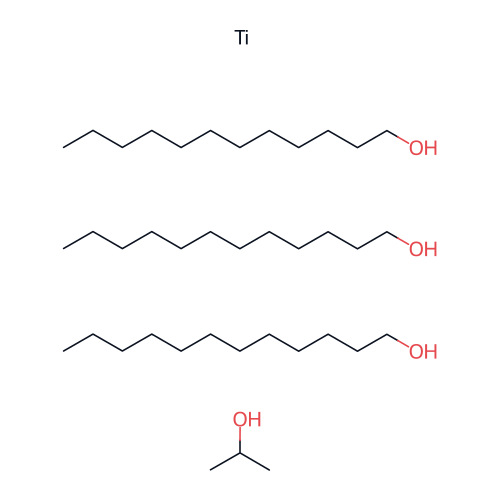

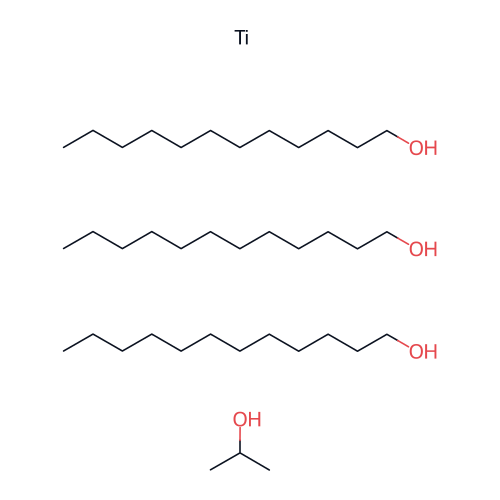
Stereoisomers and isotopic forms
Same connectivity, different stereochemistry or isotopes (same InChIKey skeleton)


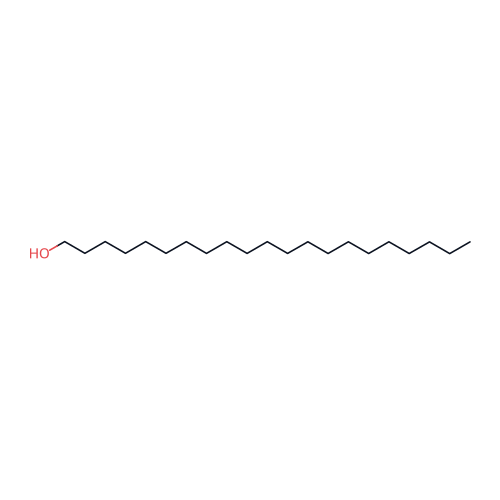
Similar structures
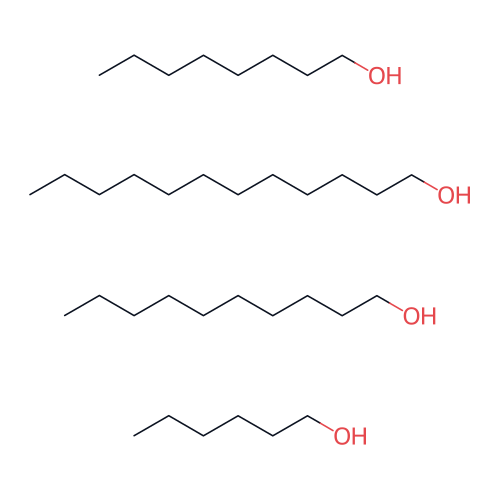
Nearest neighbours by Morgan fingerprint Tanimoto similarity


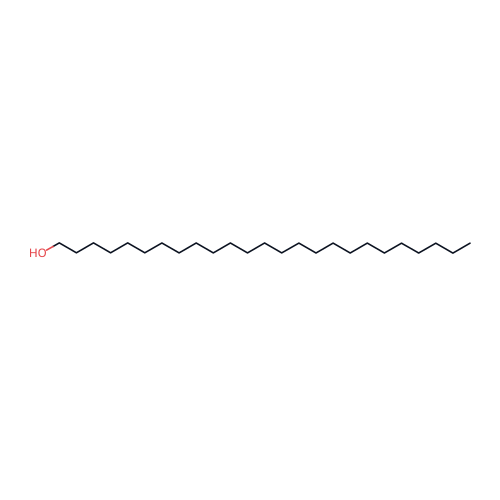
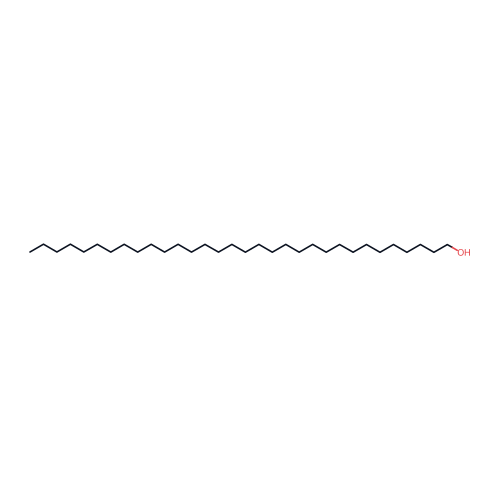
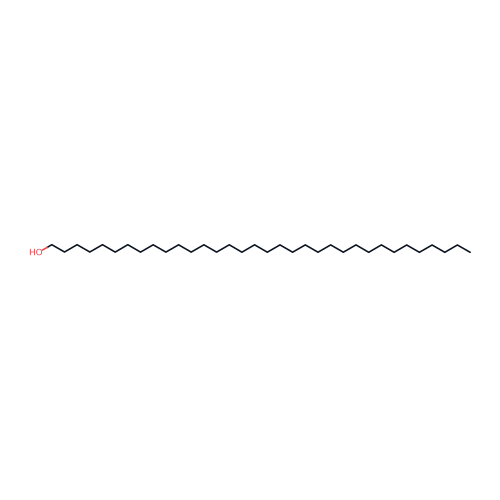
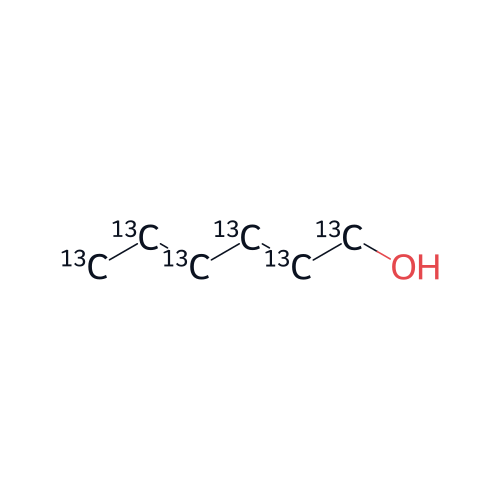
Same formula isomers
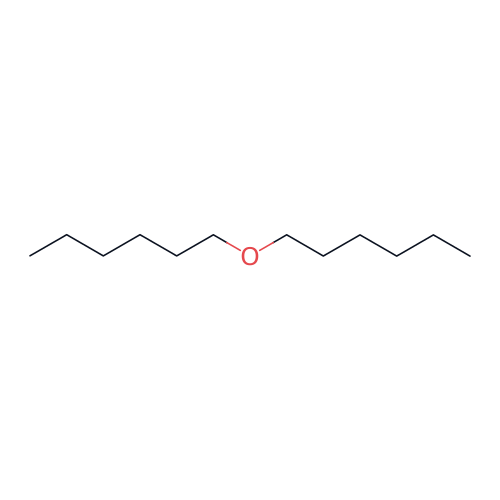
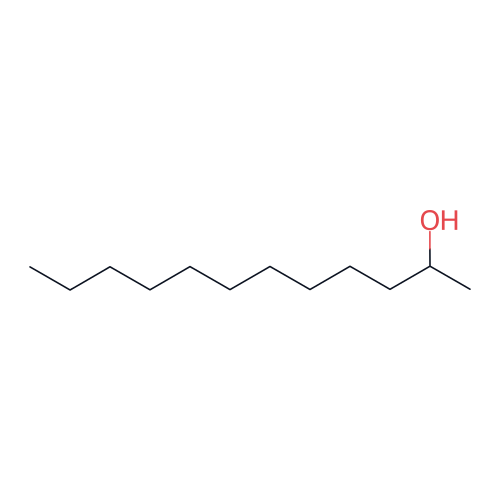
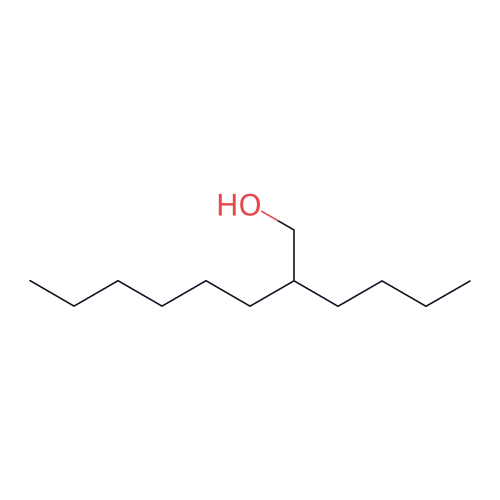
Different compounds that share this molecular formula
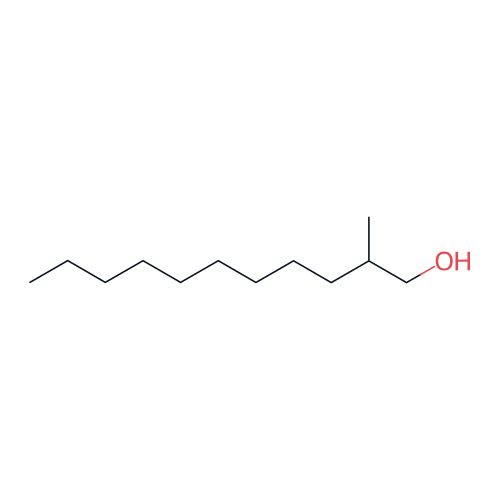

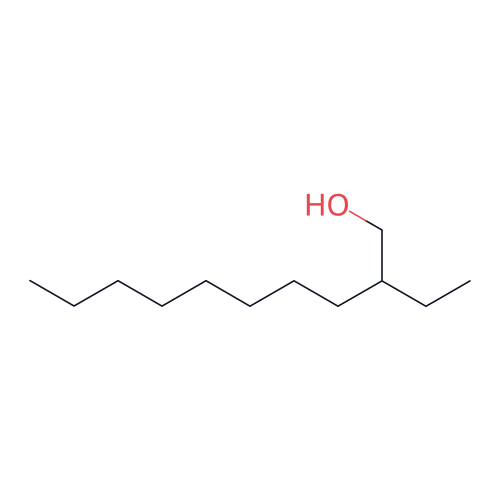


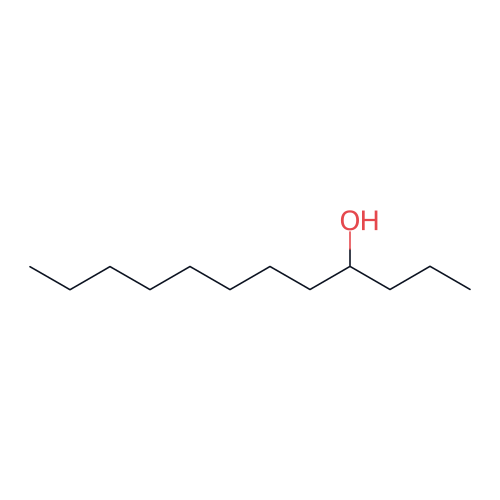
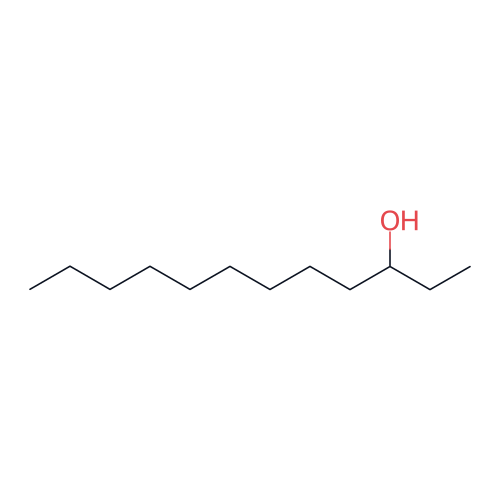
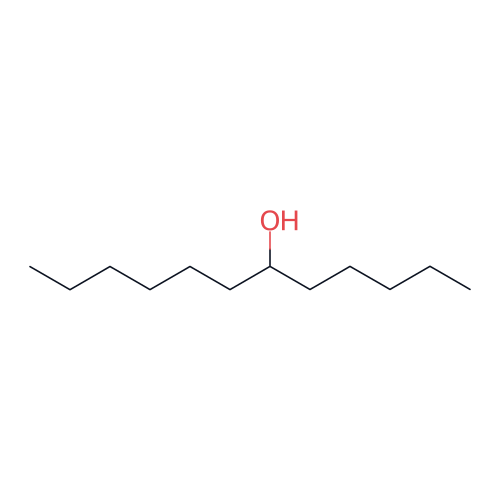

Frequently asked questions
Quick answers about 1-Dodecanol, based on the data on this page
What is 1-Dodecanol?
What is the CAS number of 1-Dodecanol?
What is the molecular formula and weight of 1-Dodecanol?
What is 1-Dodecanol used for?
Is 1-Dodecanol hazardous?
What is the HS code of 1-Dodecanol?
Where can I buy 1-Dodecanol?
Where can I buy 1-Dodecanol in India?
What is the price of 1-Dodecanol?
Guides for buyers
Practical guides that help when you source, ship or handle 1-Dodecanol
- Article, FormulationHow to choose a cosmetic emulsifierA structured way to choose an emulsifier for creams and lotions: emulsion type, HLB and its limits, emulsifier families, formula fit, stability testing and what to ask suppliers.Read
- Guide, SafetyHow to read a safety data sheet in 10 minutesA section by section method to pull the essentials out of any 16 section SDS: identity, hazards, composition, storage, PPE, properties, transport and emergency measures.Read
- Guide, Trade and logisticsShipping dangerous goods: UN numbers, classes and packing groupsHow the UN dangerous goods system works for chemicals, from the nine classes and UN numbers to packing groups, UN packaging marks, labels, documents and segregation.Read
Get quotes for 1-Dodecanol
Embed this structure on your websiteShow code
Paste this code into your page to show the 2D structure of 1-Dodecanol with a 3D view, its CAS number where known and a link back to this page. Free to use with the link kept.
<iframe src="https://www.compoundlist.com/embed/structure/1-dodecanol-112-53-8" title="1-Dodecanol structure on CompoundList" width="360" height="420" style="border:1px solid #E7E2DA;border-radius:12px;max-width:100%" loading="lazy" referrerpolicy="strict-origin-when-cross-origin"></iframe>Explore more in Emollients or HS code 290517