CompoundList

alpha-Cyclodextrin safety data
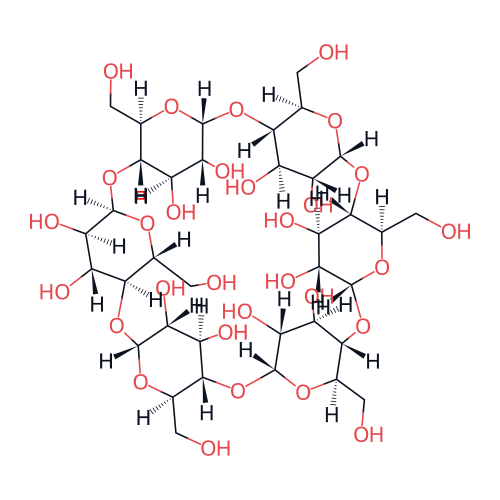
GHS hazards, precautions, first aid, handling and transport for alpha-Cyclodextrin. A classification summary, not a safety data sheet.
CAS 10016-20-3Formula C36H60O30

GHS classification summary, not a safety data sheet (SDS). Classifications can differ by supplier, grade and concentration. Always check the supplier's SDS.

GHS classification

Pictograms, signal word and hazard classes of the GHS classification

No signal word reported.

First aid

General first aid measures. Get medical advice if you feel unwell

If inhaled
IMMEDIATELY leave the contaminated area, take deep breaths of fresh air. If symptoms (such as wheezing, coughing, shortness of breath, or burning in the mouth, throat, or chest) develop, call a physician and be prepared to transport the victim to a hospital. Provide proper respiratory protection to rescuers entering an unknown atmosphere. Whenever possible, Self-Contained Breathing Apparatus (SCBA) should be used, if not available, use a level of protection greater than or equal to that advised under Protective Clothing.
Skin contact
IMMEDIATELY flood affected skin with water while removing and isolating all contaminated clothing. Gently wash all affected skin areas thoroughly with soap and water. If symptoms such as redness or irritation develop, IMMEDIATELY call a physician and be prepared to transport the victim to a hospital for treatment.
Eye contact
First check the victim for contact lenses and remove if present. Flush victim's eyes with water or normal saline solution for 20 to 30 minutes while simultaneously calling a hospital or poison control center. Do not put any ointments, oils, or medication in the victim's eyes without specific instructions from a physician. IMMEDIATELY transport the victim after flushing eyes to a hospital even if no symptoms (such as redness or irritation) develop.
If swallowed
DO NOT INDUCE VOMITING. If the victim is conscious and not convulsing, give 1 or 2 glasses of water to dilute the chemical and IMMEDIATELY call a hospital or poison control center. Be prepared to transport the victim to a hospital if advised by a physician. If the victim is convulsing or unconscious, do not give anything by mouth, ensure that the victim's airway is open and lay the victim on his/her side with the head lower than the body. DO NOT INDUCE VOMITING. IMMEDIATELY transport the victim to a hospital.

Handling, storage and disposal

Summaries only, follow the supplier SDS for your grade

Safe handling

RECOMMENDED RESPIRATOR: Where the neat test chemical is weighed and diluted, wear a NIOSH-approved half face respirator equipped with an organic vapor/acid gas cartridge (specific for organic vapors, HCl, acid gas and SO2) with a dust/mist filter.

Exposure limits and toxicity

Occupational exposure limits and toxicity data

SYMPTOMS: A symptom of exposure to this chemical is irritation. ACUTE/CHRONIC HAZARDS: This compound may be harmful by inhalation, ingestion, or skin absorption. It may cause irritation. When heated to decomposition this compound emits toxic fumes of carbon monoxide and carbon dioxide.

Supplier safety data sheets

SDS documents uploaded by suppliers who list this chemical

No supplier has uploaded an SDS for alpha-Cyclodextrin yet. Suppliers usually send one with their quote. Request quotes

Safety questions

Quick answers about handling alpha-Cyclodextrin safely

Is alpha-Cyclodextrin hazardous?

No GHS hazard classification for alpha-Cyclodextrin is recorded on CompoundList yet. That does not prove it is safe. Always read the supplier safety data sheet.

Where can I get the SDS for alpha-Cyclodextrin?

Ask the supplier for the safety data sheet of the exact grade you buy. Suppliers on CompoundList can attach their SDS to listings and send it with a quote. This page is a GHS classification summary, not an SDS.

GHS classification summary, not an SDS. Always check the supplier's SDS. Last updated 7 Oct 2026. Report an error

50 suppliers
Free quotes, contact stays private
Get quotes