(±)-Carvone
Also known as Carvone, 2-methyl-5-(prop-1-en-2-yl)cyclohex-2-enone, Karvon
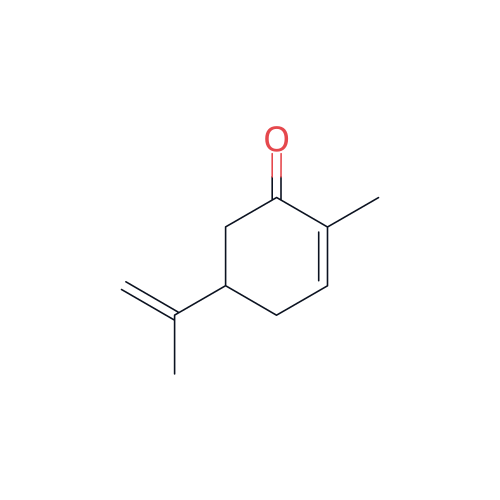
Key facts
What buyers check first
- Appearance
- Pale-yellowish or colorless liquid
- Melting point
- 25.2 °C
- Boiling point
- 230 to 231
- Solubility
- In water, 1300 mg/L at 25 °C /L-Carvone/
- HS code
- 291429
- Category
- Synthetic aroma chemicals

What is (±)-Carvone?
Plain description, key identifiers and synonyms
Carvone is a p-menthane monoterpenoid that consists of cyclohex-2-enone having methyl and isopropenyl substituents at positions 2 and 5, respectively. It has a role as an allergen. It is a member of carvones and a botanical anti-fungal agent.
Identifiers
Registry numbers, names and line notations, tap to copy
- IUPAC name
- 2-methyl-5-prop-1-en-2-ylcyclohex-2-en-1-one
- CAS number
- 99-49-0 CAS number cross-checkedOther or deprecated CAS: 22327-39-5
- EC number
- 202-759-5
- Molecular formula
- C10H14O
- UNII
- 75GK9XIA8I
- MDL number
- MFCD00062996
- InChIKey
- ULDHMXUKGWMISQ-UHFFFAOYSA-N
- InChI
- InChI=1S/C10H14O/c1-7(2)9-5-4-8(3)10(11)6-9/h4,9H,1,5-6H2,2-3H3
- SMILES (canonical and isomeric)
- CC1=CCC(CC1=O)C(=C)C
Synonyms
- Carvone
- 2-methyl-5-(prop-1-en-2-yl)cyclohex-2-enone
- Karvon
- 1-Carvone
- p-Mentha-6,8-dien-2-one
- Carvol
- 2-Methyl-5-isopropenyl-2-cyclohexenone
- Carvone (natural)
- 2-Methyl-5-(1-methylethenyl)-2-cyclohexen-1-one
- 6,8(9)-p-Menthadien-2-one
- 6,8-p-Menthadien-2-on
- (+-)-Carvone
- Carvon
- limonen-6-one
- delta(sup 6,8)-(9)-terpadienone-2
- p-mentha-1(6),8-dien-2-one
- Carvone, dl-
- delta-1-Methyl-4-isopropenyl-6-cyclohexen-2-one
- 2-Methyl-5-(1-methylethenyl)-2-cyclohexene-1-one
- Carvone, (+-)-
- 4-07-00-00316 (Beilstein Handbook Reference)
- 5-isopropenyl-2-methylcyclohex-2-en-1-one
- (RS)-5-isopropenyl-2-methylcyclohex-2-en-1-one
- 1-Methyl-4-isopropenyl-delta(6)-cyclohexen-2-one
- 2-methyl-5-(1-methyl-1-ethenyl)-2-cyclohexen-1-one
Show all 38 synonymsShow fewer synonyms
- Carvone DL-form
- carvone, (+--)-
- Flavor and Extract Manufacturers' Association Number 2249
- 5-isopropyl-2-methyl-2-cyclohexen-1-one
- dl-Carvone
- 2-methyl-5-(prop-1-en-2-yl)cyclohex-2-en-1-one
- 2-Cyclohexen-1-one, 2-methyl-5-(1-methylethenyl)-
- 2-methyl-5-prop-1-en-2-ylcyclohex-2-en-1-one
- (+/-)-carvone
- 6,8-p-Menthadien-2-one
- 5-isopropenyl-2-methyl-cyclohex-2-en-1-one
- Carvone, (+/-)-
- (-)-2-Methyl-5-isopropenyl-2-cyclohexen-1-one
Physical and chemical properties
Measured values and descriptors computed from the structure
Physical and chemical properties
Measured values, check the supplier specification for your grade
| Appearance | Pale-yellowish or colorless liquidexp.Measured value |
|---|---|
| Melting point | 25.2 °Cexp.Measured value |
| Boiling point | 230 to 231exp.Measured value |
| Solubility | In water, 1300 mg/L at 25 °C /L-Carvone/exp.Measured value |
Values vary by grade. Ask suppliers for the COA or TDS of the batch you buy.
Computed descriptors
Calculated from the structure, useful for screening and formulation
| Molecular weight | 150.22 g/molcalc.Computed value |
|---|---|
| Exact mass | 150.1045 Dacalc.Computed value |
| LogP (octanol/water) | 2.49calc.Computed value |
| Topological polar surface area | 17.07 Ųcalc.Computed value |
| Hydrogen bond donors | 0calc.Computed value |
| Hydrogen bond acceptors | 1calc.Computed value |
| Rotatable bonds | 1calc.Computed value |
| Heavy atoms | 11calc.Computed value |
| Rings | 1calc.Computed value |
| Aromatic rings | 0calc.Computed value |
| Fraction sp3 carbons | 0.5calc.Computed value |
| Formal charge | 0calc.Computed value |
| Stereocentres | 1calc.Computed value |
| Lipinski rule of five | Passes (0 violations)calc.Computed value |
Calculated for screening. Confirm critical figures with the supplier.
Murcko scaffold
The ring system that remains when every side chain is removed
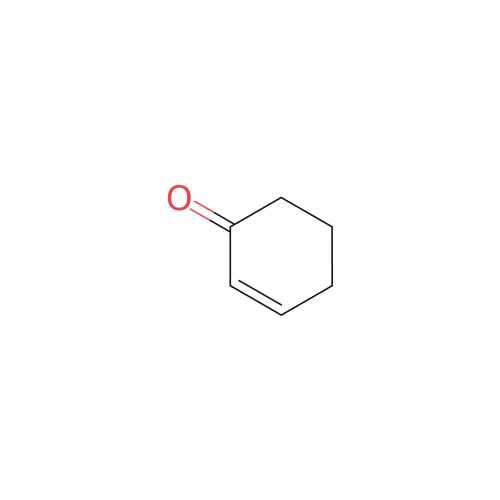
O=C1C=CCCC1
1 ring, 7 atoms, the 2-Cyclohexen-1-one ring system.
1,362 other chemicals share this scaffoldSafety and hazards
GHS classification summary, not a safety data sheet
Hazard statements
- H317May cause an allergic skin reaction.
Precautionary statements (8)
- P261Avoid breathing dust, fume, gas, mist, vapours or spray.
- P272Contaminated work clothing should not be allowed out of the workplace.
- P280Wear protective gloves, protective clothing, eye protection and face protection.
- P302 + P352If on skin: Wash with plenty of water.
- P321Specific treatment (see supplemental first aid instructions on the label).
- P333 + P317If skin irritation or rash occurs: Get medical help.
- P362 + P364Take off contaminated clothing. And wash it before reuse.
- P501Dispose of contents and container in accordance with local regulations.
GHS classification summary, not a safety data sheet (SDS). Classifications can differ by supplier, grade and concentration. Always check the supplier's SDS.
Full safety data and first aid(±)-Carvone suppliers
Sponsored listings first, then the documented ranking: membership, verification, replies, completeness, freshness and ratings
- China, Jinan City ManufacturerUnclaimed profileCarvoneGrade, purity and minimum order on requestPrice on request
- India ManufacturerUnclaimed profileCarvoneGrade, purity and minimum order on requestPrice on request
- China, ShanghaiUnclaimed profile(±)-CarvoneGrade, purity and minimum order on requestPrice on request
- China, NanjingUnclaimed profile(±)-CarvoneGrade, purity and minimum order on requestPrice on request
- United States, HoustonUnclaimed profile(±)-CarvoneGrade, purity and minimum order on requestPrice on request
- Spain, BarcelonaUnclaimed profile(±)-CarvoneGrade, purity and minimum order on requestPrice on request
- United States, San DiegoUnclaimed profile(±)-CarvoneGrade, purity and minimum order on requestPrice on request
- China, KowloonUnclaimed profile(±)-CarvoneGrade, purity and minimum order on requestPrice on request
- United States, WoburnUnclaimed profile(±)-CarvoneGrade, purity and minimum order on requestPrice on request
- China, ShanghaiUnclaimed profile(±)-CarvoneGrade, purity and minimum order on requestPrice on request
Suppliers marked Unclaimed profile have not claimed their profile yet. They are not verified by CompoundList, their offers are price on request and details may have changed, so please confirm them with the supplier. Company representatives can claim a profile with a business email on the company's own website domain. Our team verifies each claim and sends the result by email.
Where suppliers are based
39 suppliers in 8 countries
- China19
- United States12
- United Kingdom2
- Spain1
- France1
- Hong Kong1
- and 2 more countries
Send one request to many suppliers
Choose up to 10 suppliers or let us match your request. Compare quotes side by side, free.
(±)-Carvone price
Indicative price range per kg from live supplier offers
Suppliers quote this chemical on request. Send one free request and compare quotes side by side.
Uses and applications
What the substance is used for, by industry and function
As oil of caraway, also for flavoring liqueurs, in perfumery and soaps.
Both (+)- and (-)-carvone are used to flavor a number of foods and beverages. (-)-Carvone is produced in much larger quantities and is mainly used in oral hygiene products.
The following uses have been identified for carvone: Pesticide: D-Carvone is currently authorised as an anti-sprouting substance for seed potatoes. L-Carvone (spearmint oil) is authorised as plant growth regulator for post-harvest treatment of potatoes. Feed additive: D-Carvone is used in a commercial product claimed to improve the growth rate of weaned piglets. Veterinary use: Carvi aetheroleum (containing D-carvone) is used in veterinary medicinal products to facilitate breathing in new-borne animals, and to treat flatulence and disturbances of the stomach and the gut in farmed animals.
Read more
Flavoring substance and natural food occurrence: both D- and L-carvone are broadly used as flavoring substances in various food categories. In addition, foods containing carvone as naturally occurring constituent are used as ingredients with flavoring properties, for example, caraway seeds are used to flavor bread (e.g. rye bread), cheese, sauerkraut, candies, meat products, sauces and alcoholic liqueurs (e.g German Kummel). Personal care products: D- and L-Carvone are used in a variety of non-food consumer products, including cosmetics and personal care products. Some of these, such as toothpaste and mouthwash may result in oral intake of carvone. Medicinal use: Carvi aetheroleum and carvi fructus are registered as herbal medicinal products by the European Medicines Agency. Uses as a laxative, in colic treatment, as a breath freshener, or to help digestion in young children have been reported.
Industries and functions
Pharmacological actions
- Antineoplastic Agents, Phytogenic
Roles
- aetiopathogenetic role
- allergen
Functional uses
- Deodorizer
- Flavouring and nutrient
- Fragrance
How it is made
Carvone occurs in the dextro, levo and racemic form, l-carvone can be isolated from the essential oil of spearmint or is commercially synthesized from d-limonene, d-carvone is usually prepared by fractional distillation of oil of caraway, also from dillseed and dillweed oils, but this type differs in odor and flavors.
In the past, (+)- and (-)-carvones were isolated by fractional distillation of caraway oil and spearmint oil, respectively. However, these carvones are now prepared synthetically, preferably from (+)- and (-)-limonenes.
Read more
The conventional industrial method of carvone synthesis utilizes the selective addition of nitrosyl chloride to the endocyclic double bond of limonene. An alternative commercial process for the production of (-)-carvone starts from (+)-limonene 1,2-epoxide, a regioselective rearrangement of which leads to (-)-carveol ... (-)-Carveol is subsequently oxidized to (-)-carvone, possibly in a one-pot reaction
Regulatory status
Inventories, regulations and trade controls that list this substance
Europe
- EU harmonised classification (CLP Annex VI)Index no: 606-148-00-8[1]
Health and food
- EU Cosmetics Regulation Annex III, restricted in cosmeticsName: Carvone, Ref no: 333, Annex ref: III/333
United States
- TSCA inventory (USA)Status: Active in US commerce
HS code and trade data
Customs classification and reported world trade statistics
Global trade
World import and export statistics for the HS code (±)-Carvone is traded under.
Cyclanic, cyclenic or cycloterpenic ketones without other oxygen function, other
- United States15.7%
- Japan8.7%
- Germany8.7%
* Partner reported figures, a lower bound.
The HS code shown for (±)-Carvone is indicative (it was assigned by structure rules). Confirm the classification with your customs broker before shipping.
Related chemicals
Parent and salt forms, stereoisomers, similar structures and isomers
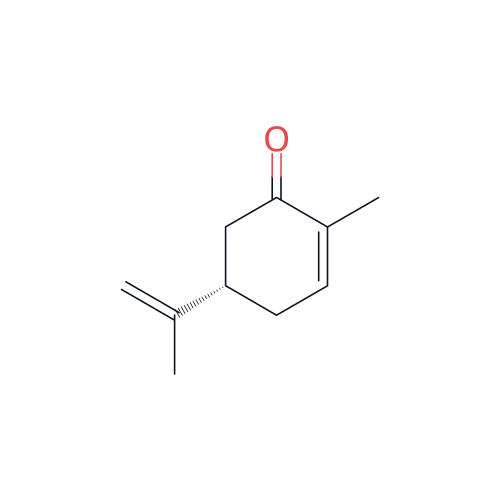
Stereoisomers and isotopic forms
Same connectivity, different stereochemistry or isotopes (same InChIKey skeleton)

Similar structures
Nearest neighbours by Morgan fingerprint Tanimoto similarity
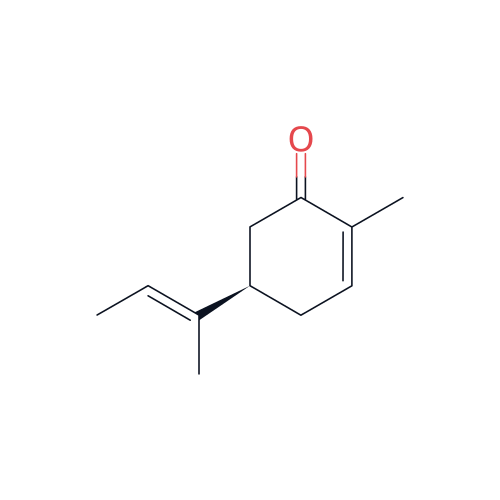
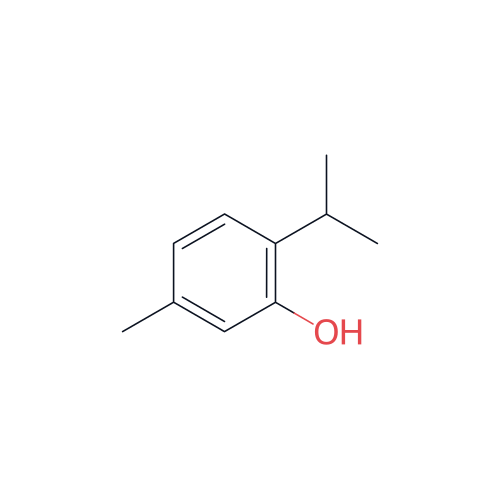
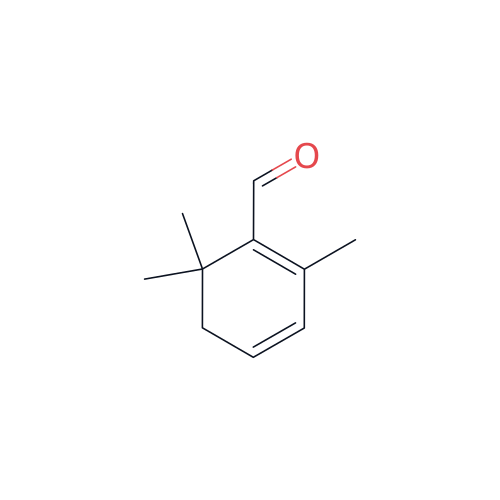
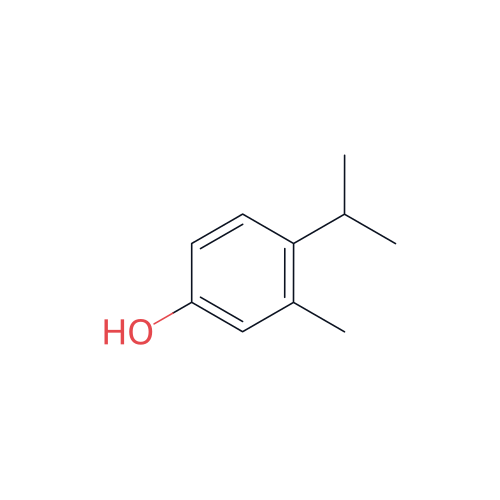
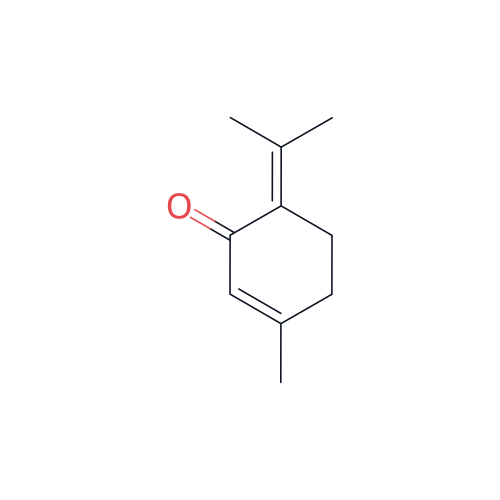
Same formula isomers
Different compounds that share this molecular formula





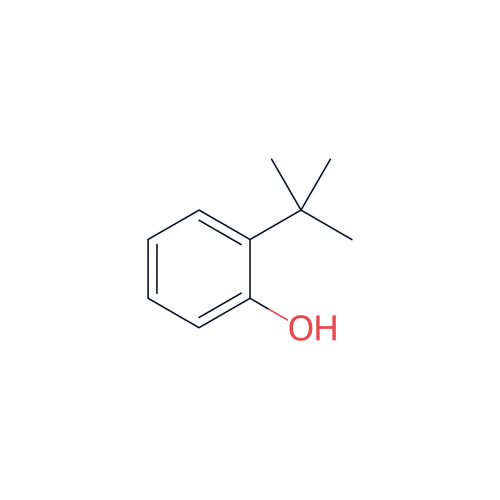

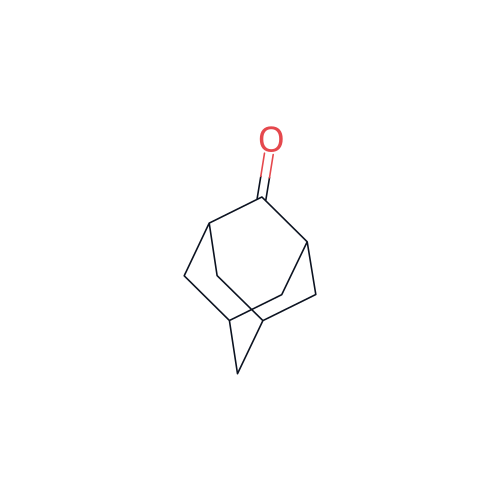
Frequently asked questions
Quick answers about (±)-Carvone, based on the data on this page
What is (±)-Carvone?
What is the CAS number of (±)-Carvone?
What is the molecular formula and weight of (±)-Carvone?
What is (±)-Carvone used for?
Is (±)-Carvone hazardous?
What is the HS code of (±)-Carvone?
Where can I buy (±)-Carvone?
Where can I buy (±)-Carvone in India?
What is the price of (±)-Carvone?
Guides for buyers
Practical guides that help when you source, ship or handle (±)-Carvone
- Guide, SafetyHow to read a safety data sheet in 10 minutesA section by section method to pull the essentials out of any 16 section SDS: identity, hazards, composition, storage, PPE, properties, transport and emergency measures.Read
- Guide, SafetyGHS pictograms, signal words and hazard statements explainedA practical guide to the nine GHS pictograms, the signal words Danger and Warning, H and P statements, and how to read a chemical label in seconds.Read
- Article, FormulationHow to choose a cosmetic emulsifierA structured way to choose an emulsifier for creams and lotions: emulsion type, HLB and its limits, emulsifier families, formula fit, stability testing and what to ask suppliers.Read
Get quotes for (±)-Carvone
Embed this structure on your websiteShow code
Paste this code into your page to show the 2D structure of (±)-Carvone with a 3D view, its CAS number where known and a link back to this page. Free to use with the link kept.
<iframe src="https://www.compoundlist.com/embed/structure/carvone-99-49-0" title="(±)-Carvone structure on CompoundList" width="360" height="420" style="border:1px solid #E7E2DA;border-radius:12px;max-width:100%" loading="lazy" referrerpolicy="strict-origin-when-cross-origin"></iframe>Explore more in Synthetic aroma chemicals or HS code 291429