Chloroneb
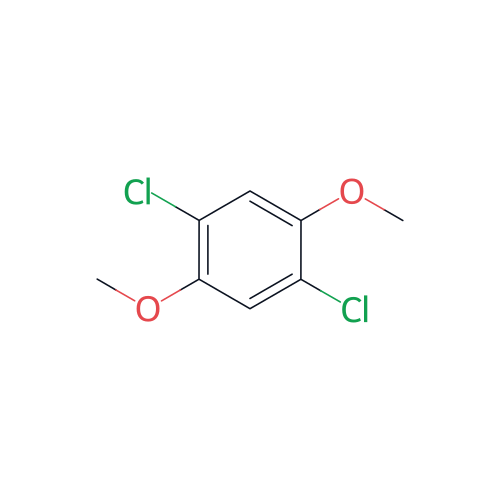
Also known as 1,4-Dichloro-2,5-dimethoxybenzene, Demosan, Tersan SP
Key facts
What buyers check first
- Appearance
- Colorless crystals
- Melting point
- 133 to 135
- Boiling point
- 268 °C
- Density
- 1.66
- Flash point
- 161.1 °C
- HS code
- 290930
- Category
- Fungicides
- UN number
- UN 3077

What is Chloroneb?
Plain description, key identifiers and synonyms
Chloroneb is a dimethoxybenzene that is p-dimethoxybenzene which is substituted by chlorines at positions 2 and 5. A fungicide formerly used as a seed treatment, it is not approved for use in the European Union. It has a role as an antifungal agrochemical. It is a dichlorobenzene, a dimethoxybenzene and an aromatic fungicide.
Identifiers
Registry numbers, names and line notations, tap to copy
- IUPAC name
- 1,4-dichloro-2,5-dimethoxybenzene
- CAS number
- 2675-77-6 CAS number cross-checked
- EC number
- 220-222-3
- Molecular formula
- C8H8Cl2O2
- UNII
- 1U6950BY9X
- MDL number
- MFCD00055445
- InChIKey
- PFIADAMVCJPXSF-UHFFFAOYSA-N
- InChI
- InChI=1S/C8H8Cl2O2/c1-11-7-3-6(10)8(12-2)4-5(7)9/h3-4H,1-2H3
- SMILES (canonical and isomeric)
- COC1=CC(=C(C=C1Cl)OC)Cl
Synonyms
- 1,4-Dichloro-2,5-dimethoxybenzene
- Demosan
- Tersan SP
- Benzene, 1,4-dichloro-2,5-dimethoxy-
- Terraneb
- Demasan
- Demosan 65W
- Tersan-SP
- Chloronebe
- Soil fungicide 1823
- Terraneb SP
- Nuflo D
- Demosan 10D
- Flo Pro D Seed Protectant
- 2,5-dichloro-1,4-dimethoxybenzene
- 1,4-dichloro-2,5-dimethoxy-benzene
- Soil fungicide-1823
- Flopro d
- Chloronebe [ISO-French]
- Soil fungicide
- Chloroneb Standard
- Teremec (Salt/Mix)
- 1,5-dimethoxybenzene
- 4-06-00-05772 (Beilstein Handbook Reference)
- Dichloro-2,5-dimethoxybenzene
Show all 32 synonymsShow fewer synonyms
- Pfiadamvcjpxsf-uhfffaoysa-
- Chloroneb 10 |Ig/mL in Isooctane
- Benzene,4-dichloro-2,5-dimethoxy-
- Chloroneb 10 microg/mL in Isooctane
- Chloroneb 65W Fungicide (Salt/Mix)
- Chloroneb, PESTANAL(R), analytical standard
- Chloroneb systemic flowable fungicide (Salt/Mix)
Physical and chemical properties
Measured values and descriptors computed from the structure
Physical and chemical properties
Measured values, check the supplier specification for your grade
| Appearance | Colorless crystalsexp.Measured value |
|---|---|
| Odour | Musty odorexp.Measured value |
| Melting point | 133 to 135exp.Measured value |
| Boiling point | 268 °Cexp.Measured value |
| Density | 1.66exp.Measured value |
| Flash point | 161.1 °Cexp.Measured value |
| Solubility | In water, 8.0 mg/L @ 25 °Cexp.Measured value |
| Vapour pressure | 3 × 10⁻³ mm Hg @ 25 °Cexp.Measured value |
Values vary by grade. Ask suppliers for the COA or TDS of the batch you buy.
Computed descriptors
Calculated from the structure, useful for screening and formulation
| Molecular weight | 207.06 g/molcalc.Computed value |
|---|---|
| Exact mass | 205.9901 Dacalc.Computed value |
| LogP (octanol/water) | 3.01calc.Computed value |
| Topological polar surface area | 18.46 Ųcalc.Computed value |
| Hydrogen bond donors | 0calc.Computed value |
| Hydrogen bond acceptors | 2calc.Computed value |
| Rotatable bonds | 2calc.Computed value |
| Heavy atoms | 12calc.Computed value |
| Rings | 1calc.Computed value |
| Aromatic rings | 1calc.Computed value |
| Fraction sp3 carbons | 0.25calc.Computed value |
| Formal charge | 0calc.Computed value |
| Stereocentres | 0calc.Computed value |
| Lipinski rule of five | Passes (0 violations)calc.Computed value |
Calculated for screening. Confirm critical figures with the supplier.
Murcko scaffold
The ring system that remains when every side chain is removed

Safety and hazards
GHS classification summary, not a safety data sheet
Hazard statements
- H411Toxic to aquatic life with long lasting effects.
Precautionary statements (3)
- P273Avoid release to the environment.
- P391Collect spillage.
- P501Dispose of contents and container in accordance with local regulations.
- UN number
- UN 3077
GHS classification summary, not a safety data sheet (SDS). Classifications can differ by supplier, grade and concentration. Always check the supplier's SDS.
Full safety data and first aidChloroneb suppliers
Sponsored listings first, then the documented ranking: membership, verification, replies, completeness, freshness and ratings
- United States, Los AngelesUnclaimed profileChloronebGrade, purity and minimum order on requestPrice on request
Suppliers marked Unclaimed profile have not claimed their profile yet. They are not verified by CompoundList, their offers are price on request and details may have changed, so please confirm them with the supplier. Company representatives can claim a profile with a business email on the company's own website domain. Our team verifies each claim and sends the result by email.
Where suppliers are based
1 supplier in 1 country
Send one request to many suppliers
Choose up to 10 suppliers or let us match your request. Compare quotes side by side, free.
Chloroneb price
Indicative price range per kg from live supplier offers
Suppliers quote this chemical on request. Send one free request and compare quotes side by side.
Uses and applications
What the substance is used for, by industry and function
Systemic fungicides used in treatment of cotton and bean seeds and of turf.
It is highly fungistatic to rhizoctonia spp, moderately so to pythium spp, poorly to fusarium spp. It is used as a supplemental seed treatment for beans and soyabeans (1.63 g ai/kg), for cotton (2.44 g/kg), or as an in-furrow treatment for beans and soyabeans (68 g/ha), for cotton (90-135 g/ha). It is also used on turf grass to control snow mold (Typhula spp) (1.3-2.0 kg/ha) or pythium blight (880 g/ha).
Soil- and seed-fungicide (for) control of seedling diseases (particularly Rhizoctonia species, but also Pythium and Sclerotium species) of cotton, beans, and soya beans. Applies to the soil or used as a seed treatment. Used as a seed treatment for control of seedling diseases of sugar beet. Also used for control of snow mold (Typhula species) and Pythium blight on turf grass.
Control brown patch, Sclerotium blight (on turfgrass).
Industries and functions
Roles
- agrochemical
- antifungal agent
- antifungal agrochemical
- antimicrobial agent
- fungicide
- pesticide
How it is made
Chloroneb may be made by (a) chlorination of p-dimethoxybenzene or (b) the reaction of quinone with HCl to give monochlorohydroquinone. Oxidation of the hydroquinone gives monochloroquinone. Addition of HCl again gives dichlorohydroquinone. Diazomethane reacts with the dichlorohydroquinone to give chloroneb.
Regulatory status
Inventories, regulations and trade controls that list this substance
No regulatory list memberships are recorded for this substance yet. Always check the rules of the importing and exporting country before trade.
HS code and trade data
Customs classification and reported world trade statistics
Global trade
World import and export statistics for the HS code Chloroneb is traded under.
Aromatic ethers and their halogenated, sulphonated, nitrated or nitrosated derivatives
- United States14.3%
- China11.8%
- India * partner reported8.3%
* Partner reported figures, a lower bound.
The HS code shown for Chloroneb is indicative (it was assigned by structure rules). Confirm the classification with your customs broker before shipping.
Related chemicals
Parent and salt forms, stereoisomers, similar structures and isomers
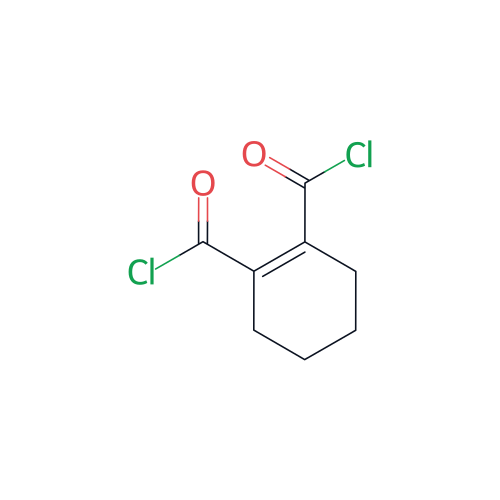
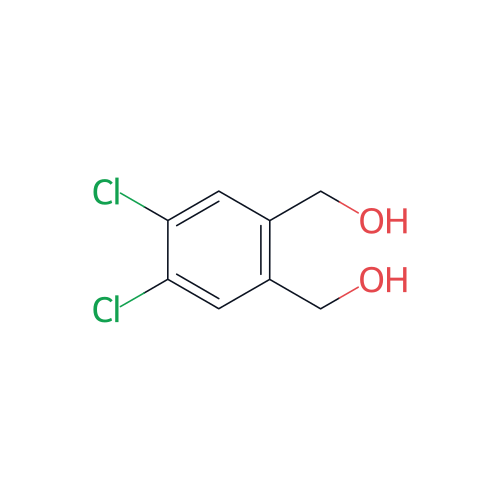
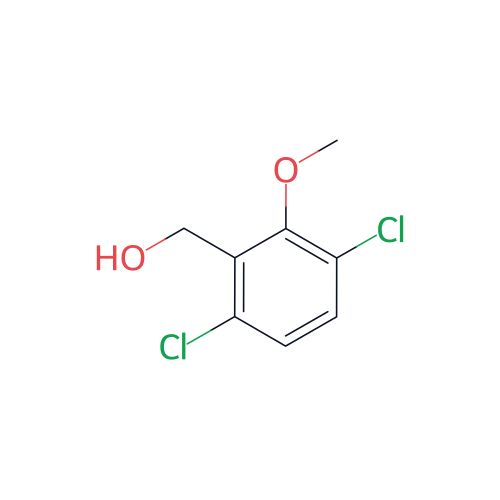
Similar structures
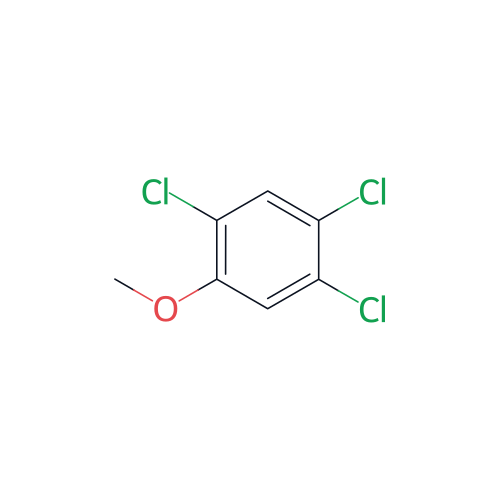
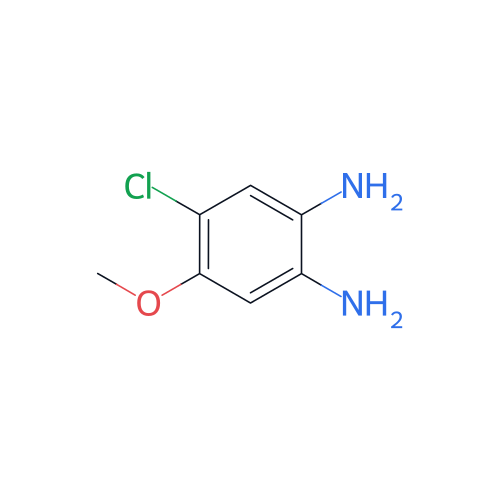
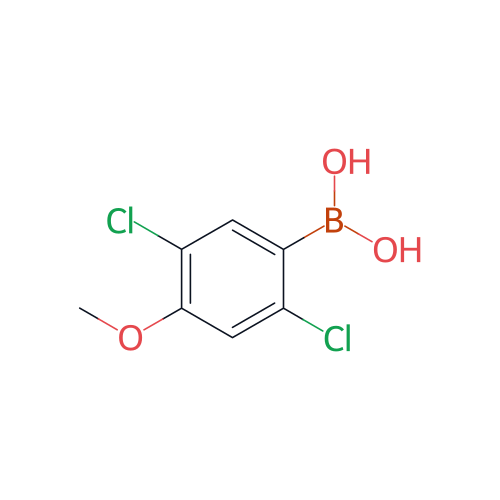
Nearest neighbours by Morgan fingerprint Tanimoto similarity



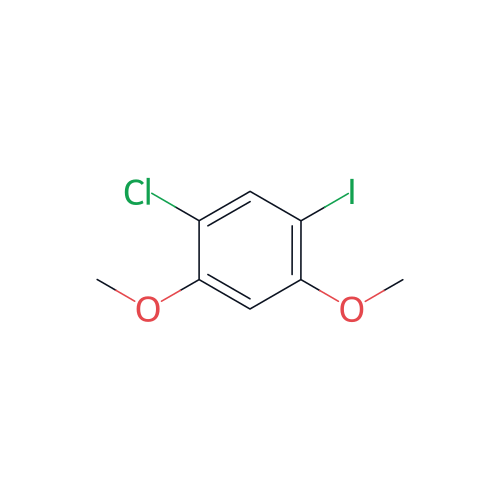
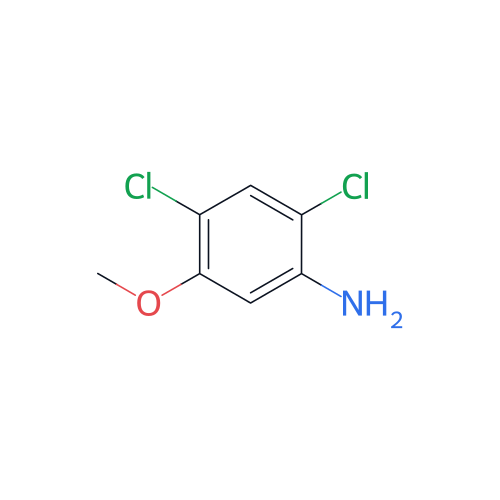
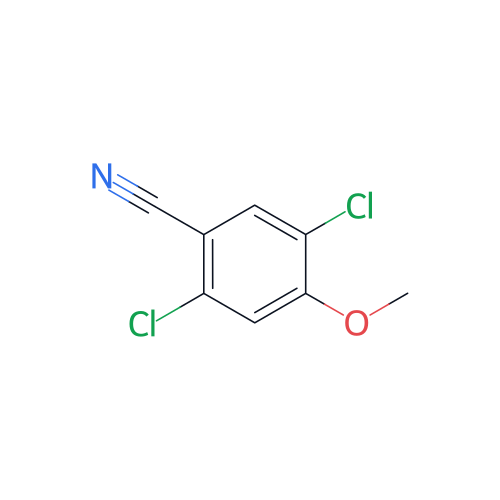
Same formula isomers
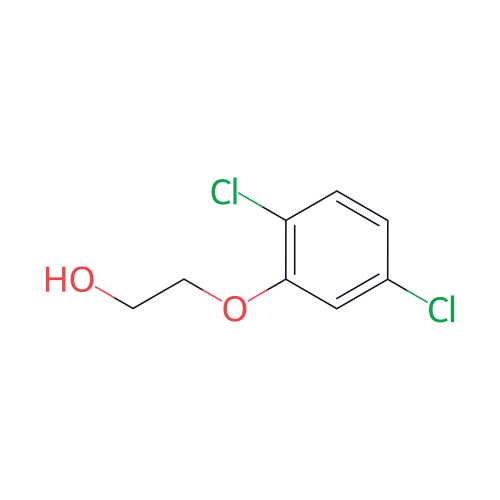
Different compounds that share this molecular formula






Frequently asked questions
Quick answers about Chloroneb, based on the data on this page
What is Chloroneb?
What is the CAS number of Chloroneb?
What is the molecular formula and weight of Chloroneb?
What is Chloroneb used for?
Is Chloroneb hazardous?
What is the HS code of Chloroneb?
Where can I buy Chloroneb?
What is the price of Chloroneb?
Guides for buyers
Practical guides that help when you source, ship or handle Chloroneb
- Guide, SafetyHow to read a safety data sheet in 10 minutesA section by section method to pull the essentials out of any 16 section SDS: identity, hazards, composition, storage, PPE, properties, transport and emergency measures.Read
- Guide, Trade and logisticsShipping dangerous goods: UN numbers, classes and packing groupsHow the UN dangerous goods system works for chemicals, from the nine classes and UN numbers to packing groups, UN packaging marks, labels, documents and segregation.Read
- Guide, SafetyGHS pictograms, signal words and hazard statements explainedA practical guide to the nine GHS pictograms, the signal words Danger and Warning, H and P statements, and how to read a chemical label in seconds.Read
Get quotes for Chloroneb
Embed this structure on your websiteShow code
Paste this code into your page to show the 2D structure of Chloroneb with a 3D view, its CAS number where known and a link back to this page. Free to use with the link kept.
<iframe src="https://www.compoundlist.com/embed/structure/chloroneb-2675-77-6" title="Chloroneb structure on CompoundList" width="360" height="420" style="border:1px solid #E7E2DA;border-radius:12px;max-width:100%" loading="lazy" referrerpolicy="strict-origin-when-cross-origin"></iframe>Explore more in Fungicides or HS code 290930