Citronellol
Also known as 3,7-Dimethyloct-6-en-1-ol, Cephrol, 3,7-Dimethyl-6-octen-1-ol
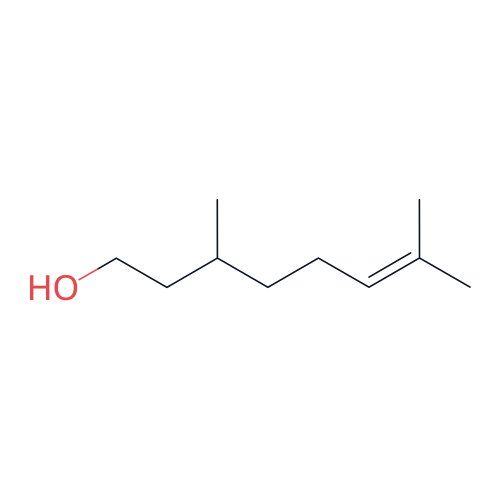
Key facts
What buyers check first
- Appearance
- Colorless oily liquid
- Melting point
- <-20
- Boiling point
- 224 °C
- Density
- 0.8550 g/cm³ at 20 °C
- Solubility
- In water, 200 mg/L at 25 °C
- HS code
- 290522
- Category
- Synthetic aroma chemicals

What is Citronellol?
Plain description, key identifiers and synonyms
Citronellol is a monoterpenoid that is oct-6-ene substituted by a hydroxy group at position 1 and methyl groups at positions 3 and 7. It has a role as a plant metabolite.
Identifiers
Registry numbers, names and line notations, tap to copy
- IUPAC name
- 3,7-dimethyloct-6-en-1-ol
- CAS number
- 106-22-9 CAS number cross-checkedOther or deprecated CAS: 26489-01-0
- EC numbers
- 203-375-0, 247-737-6
- Molecular formula
- C10H20O
- UNII
- 565OK72VNF
- MDL number
- MFCD00002935
- INCI name
- CITRONELLOL
- InChIKey
- QMVPMAAFGQKVCJ-UHFFFAOYSA-N
- InChI
- InChI=1S/C10H20O/c1-9(2)5-4-6-10(3)7-8-11/h5,10-11H,4,6-8H2,1-3H3
- SMILES (canonical and isomeric)
- CC(CCC=C(C)C)CCO
Synonyms
- 3,7-Dimethyloct-6-en-1-ol
- Cephrol
- 3,7-Dimethyl-6-octen-1-ol
- 6-Octen-1-ol, 3,7-dimethyl-
- Elenol
- Rodinol
- 2,3-Dihydrogeraniol
- 2,6-Dimethyl-2-octen-8-ol
- Citronellol, dl-
- Dihydrogeraniol
- Citronellol (ex. Java citronella oil)
- beta-Citronellol
- DL-Citronellol
- (+/-)-beta-Citronellol
- Citronellol (Standard)
- beta-Citronellol, 95%
- 3,7-dimethyl-oct-6-en-1-ol
- 6-Octen-1-ol, 3,7-dimethyl-, (+/-)-
- b-citronellol
- Insect Repellent
- D-Citronellol, (R)-(+)-beta-Citronellol
- (+/-)-Citronellol, (+/-)-beta-Citronellol
- Citronellol (natural)
- (+-)-beta-citronellol
- (+-)-Citronellol
Show all 36 synonymsShow fewer synonyms
- nardus
- mite attractant
- rac-Citronellol
- beta-citronellol, (R)-
- Levo-citronellol
- acyclic monoterpenoid
- pelargonium geraniums
- ()-beta-Citronellol
- (-)-b-Citronellol
- geranium oil saponified
- (+-)-beta, -Citronellol
Physical and chemical properties
Measured values and descriptors computed from the structure
Physical and chemical properties
Measured values, check the supplier specification for your grade
| Appearance | Colorless oily liquidexp.Measured value |
|---|---|
| Odour | Fresh rosy odorexp.Measured value |
| Taste | Bitter taste /d-Citronellol/, sweet, peach-like flavor /l-citronellol/exp.Measured value |
| Melting point | <-20exp.Measured value |
| Boiling point | 224 °Cexp.Measured value |
| Density | 0.8550 g/cm³ at 20 °Cexp.Measured value |
| Solubility | In water, 200 mg/L at 25 °Cexp.Measured value |
| Vapour pressure | 0.02 mm Hg at 25 °Cexp.Measured value |
Values vary by grade. Ask suppliers for the COA or TDS of the batch you buy.
Computed descriptors
Calculated from the structure, useful for screening and formulation
| Molecular weight | 156.27 g/molcalc.Computed value |
|---|---|
| Exact mass | 156.1514 Dacalc.Computed value |
| LogP (octanol/water) | 2.75calc.Computed value |
| Topological polar surface area | 20.23 Ųcalc.Computed value |
| Hydrogen bond donors | 1calc.Computed value |
| Hydrogen bond acceptors | 1calc.Computed value |
| Rotatable bonds | 5calc.Computed value |
| Heavy atoms | 11calc.Computed value |
| Rings | 0calc.Computed value |
| Aromatic rings | 0calc.Computed value |
| Fraction sp3 carbons | 0.8calc.Computed value |
| Formal charge | 0calc.Computed value |
| Stereocentres | 1calc.Computed value |
| Lipinski rule of five | Passes (0 violations)calc.Computed value |
Calculated for screening. Confirm critical figures with the supplier.
Safety and hazards
GHS classification summary, not a safety data sheet
Hazard statements
- H315Causes skin irritation.
- H317May cause an allergic skin reaction.
- H319Causes serious eye irritation.
- H411Toxic to aquatic life with long lasting effects.
Precautionary statements (15)
- P261Avoid breathing dust, fume, gas, mist, vapours or spray.
- P264Wash skin thoroughly after handling.
- P264 + P265Wash skin thoroughly after handling. Do not touch eyes.
- P272Contaminated work clothing should not be allowed out of the workplace.
- P273Avoid release to the environment.
- P280Wear protective gloves, protective clothing, eye protection and face protection.
- P302 + P352If on skin: Wash with plenty of water.
- P305 + P351 + P338If in eyes: Rinse cautiously with water for several minutes. Remove contact lenses, if present and easy to do. Continue rinsing.
- P321Specific treatment (see supplemental first aid instructions on the label).
- P332 + P317If skin irritation occurs: Get medical help.
- P333 + P317If skin irritation or rash occurs: Get medical help.
- P337 + P317If eye irritation persists: Get medical help.
- P362 + P364Take off contaminated clothing. And wash it before reuse.
- P391Collect spillage.
- P501Dispose of contents and container in accordance with local regulations.
GHS classification summary, not a safety data sheet (SDS). Classifications can differ by supplier, grade and concentration. Always check the supplier's SDS.
Full safety data and first aidCitronellol suppliers
Sponsored listings first, then the documented ranking: membership, verification, replies, completeness, freshness and ratings
- India, MumbaiUnclaimed profileCitronellolGrade, purity and minimum order on requestPrice on request
- China, JiaxingUnclaimed profileCitronellolGrade, purity and minimum order on requestPrice on request
- Italy, Belpasso ManufacturerUnclaimed profileCitronellolGrade, purity and minimum order on requestPrice on request
- Mexico, Tlalnepantla de BazUnclaimed profileCitronellolGrade, purity and minimum order on requestPrice on request
- China, ShanghaiUnclaimed profileCitronellolGrade, purity and minimum order on requestPrice on request
- United StatesUnclaimed profileCitronellolGrade, purity and minimum order on requestPrice on request
- United StatesUnclaimed profileCitronellolGrade, purity and minimum order on requestPrice on request
- Price on request
- United States, Bowling Green ManufacturerUnclaimed profileCitronellolGrade, purity and minimum order on requestPrice on request
- United States, Woburn ManufacturerUnclaimed profileCitronellolGrade, purity and minimum order on requestPrice on request
Suppliers marked Unclaimed profile have not claimed their profile yet. They are not verified by CompoundList, their offers are price on request and details may have changed, so please confirm them with the supplier. Company representatives can claim a profile with a business email on the company's own website domain. Our team verifies each claim and sends the result by email.
Where suppliers are based
79 suppliers in 15 countries
- United States25
- China22
- India13
- Germany4
- Egypt2
- Netherlands2
- and 9 more countries
Send one request to many suppliers
Choose up to 10 suppliers or let us match your request. Compare quotes side by side, free.
Citronellol price
Indicative price range per kg from live supplier offers
Suppliers quote this chemical on request. Send one free request and compare quotes side by side.
Uses and applications
What the substance is used for, by industry and function
Reported uses (ppm):
Table: Reported uses (ppm): (Flavor and Extract Manufacturers' Association, 1994) [Table#6302].
In perfumery.
Citronellol is one of the components responsible for the insect repellent properties of citronella oil ... Citronellol finds extensive use in floral fragrances and in flavors for citrus and other fruit notes. Its stability makes it particularly useful in fragrances for soaps, detergents, and other household products. Citronellol is also important as an intermediate in the synthesis of a number of other aroma chemicals ... Citronellol is the key feedstock for the synthesis of rose oxide.
Citronellol is one of the most widely used fragrance materials, particularly for rose notes and for floral compositions in general. As flavor material, citronellol is added for bouquetting purposes to citrus compositions.
Read more
It is the starting material for numerous citronellyl esters and for hydroxydihydrocitronellol, an intermediate in the production of hydroxydihydrocitronellal.
Industrial uses: Other, Intermediate, Odor agents, Fragrance.
Consumer uses: Fragrance, Odor agents.
Use classes: Cosmetics.
Industries and functions
Cosmetic ingredient, INCI name CITRONELLOL(perfuming)
Roles
- eukaryotic metabolite
- metabolite
- plant metabolite
Functional uses
- Biocide
- Deodorizer
- Flavouring and nutrient
- Fragrance
- Processing aids not otherwise specified
Cosmetic functions
- Perfuming
How it is made
Citronellol is manufactured on a commercial scale by the hydrogenation of nerol and geraniol, which in turn are made either from alpha- or beta-pinene. Hydrogenation of nerol and geraniol over a copper chromite catalyst gives a high yield of citronellol. Fractional distillation of the crude product produces a perfumery-quality citronellol. Geraniol can also be hydrogenated selectively to citronellol, without forming tetrahydrogeraniol, through use of a Raney cobalt catalyst. However, partial hydrogenation using a nickel catalyst does give some tetrahydrogeraniol.
Read more
The product contains nerol, geraniol, and tetrahydrogeraniol and has odor properties closer to materials derived from citronella oil, and is therefore useful as a perfumery material.
Manufacturing: Woroch et al., Bain, Webb, United States of America patent 2990422, United States of America patent 3005845, United States of America patent 3028431 (1961, 1961, 1962, all to Glidden), Eschinasi, United States of America patent 30527301962 to Givaudan).
Citronellol may be obtained by reduction of citronellal or geraniol, or by fractional distillation of geranium oil or citronella oil. It may also be prepared synthetically.
Regulatory status
Inventories, regulations and trade controls that list this substance
Health and food
- EU cosmetic ingredient inventory
- EU Cosmetics Regulation Annex III, restricted in cosmeticsName: Citronellol, Ref no: 86, Annex ref: III/86
United States
- TSCA inventory (USA)Status: Active in US commerce
HS code and trade data
Customs classification and reported world trade statistics
Global trade
World import and export statistics for the HS code Citronellol is traded under.
Acyclic terpene alcohols
* Partner reported figures, a lower bound.
The HS code shown for Citronellol is indicative (it was assigned by structure rules). Confirm the classification with your customs broker before shipping.
Related chemicals
Parent and salt forms, stereoisomers, similar structures and isomers
Salt and hydrate forms
Records that share this compound as their parent
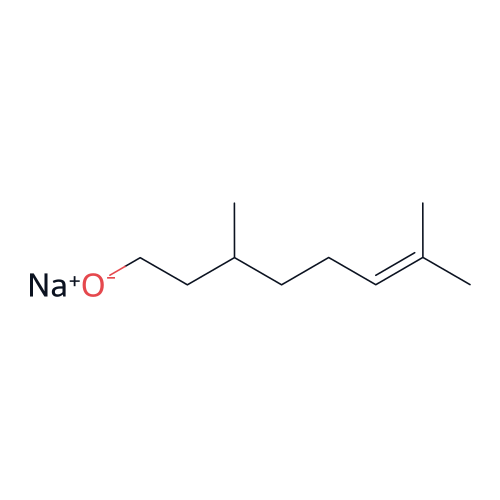
Stereoisomers and isotopic forms
Same connectivity, different stereochemistry or isotopes (same InChIKey skeleton)
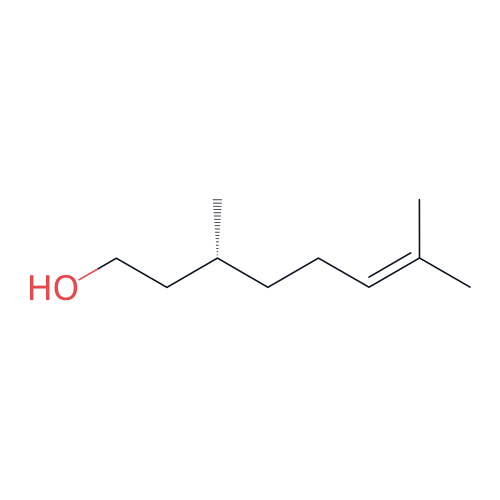
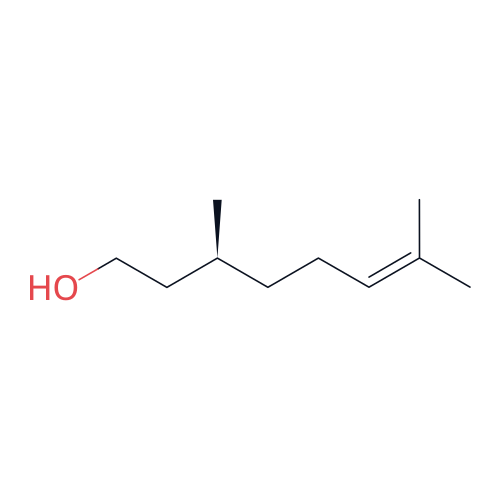
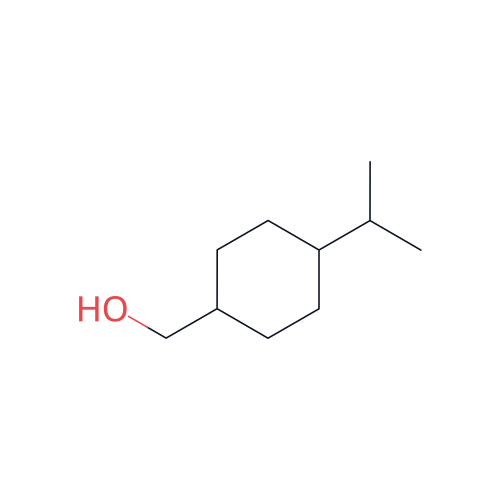
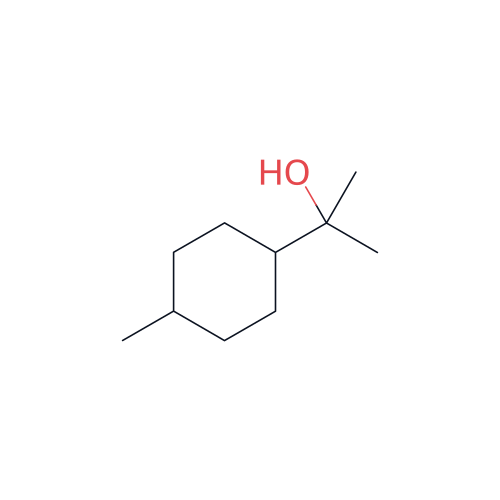
Similar structures
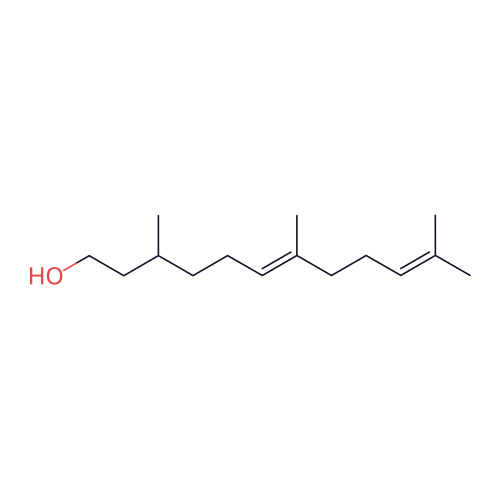
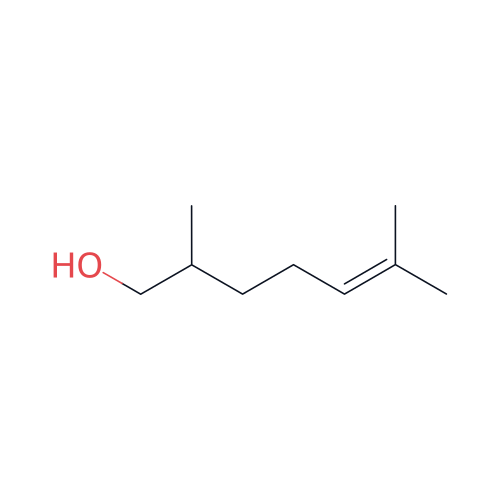
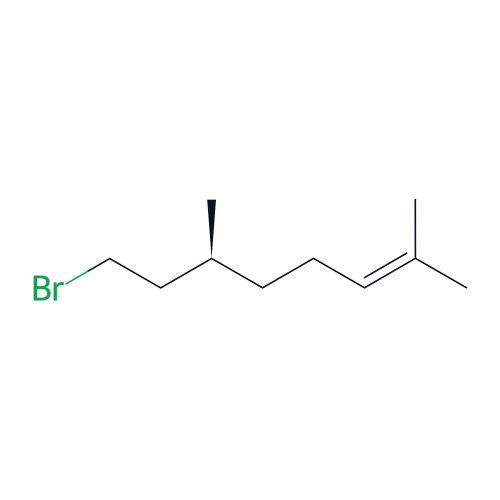
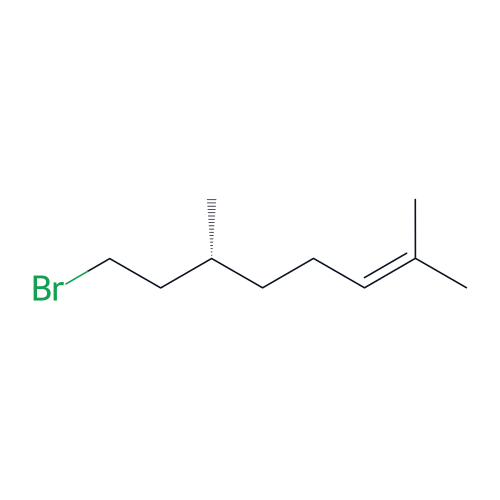
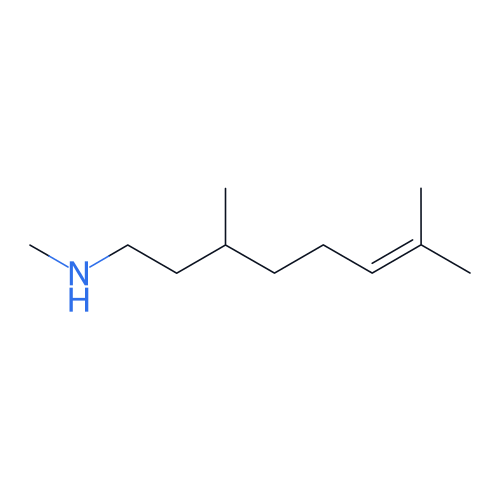
Nearest neighbours by Morgan fingerprint Tanimoto similarity



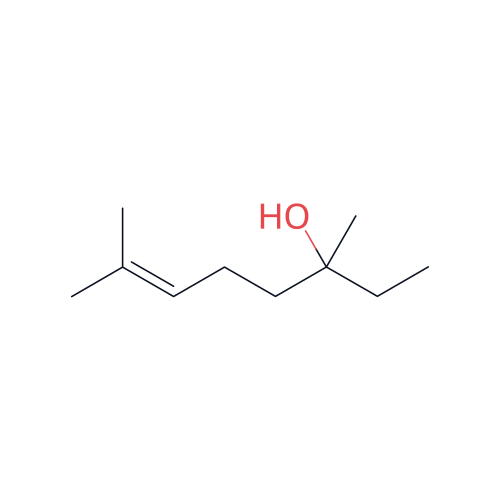
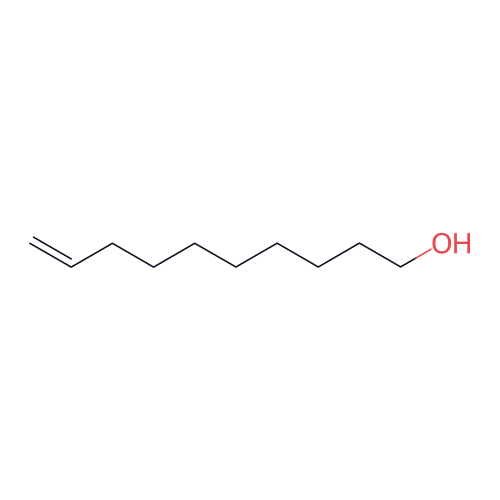
Same formula isomers
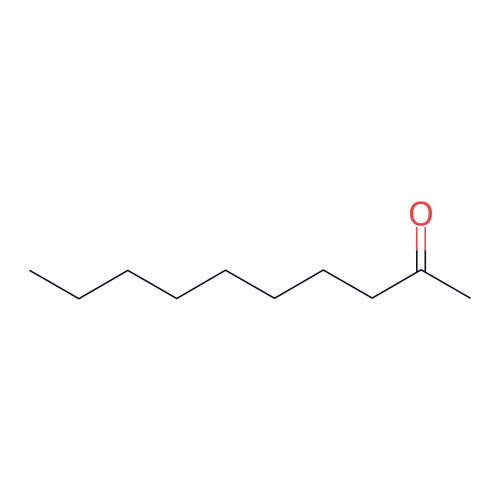
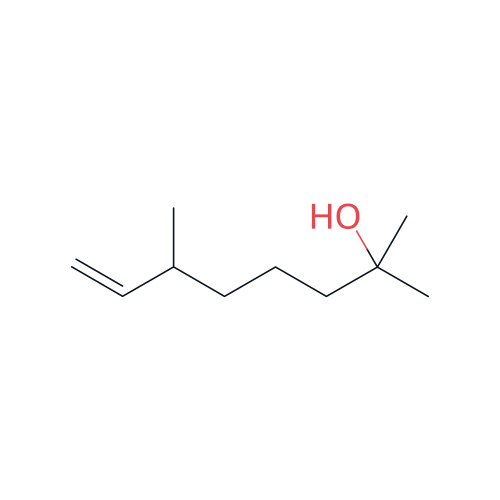
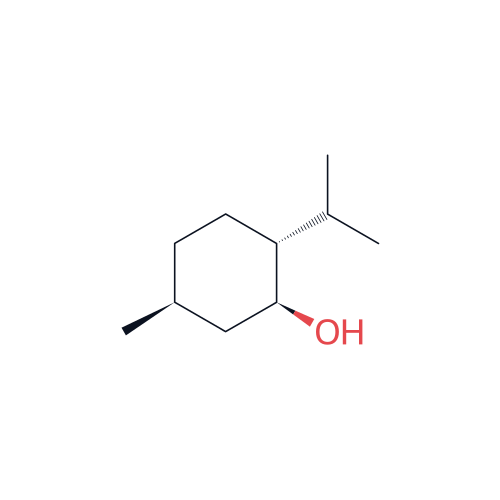
Different compounds that share this molecular formula




Frequently asked questions
Quick answers about Citronellol, based on the data on this page
What is Citronellol?
What is the CAS number of Citronellol?
What is the molecular formula and weight of Citronellol?
What is Citronellol used for?
Is Citronellol hazardous?
What is the HS code of Citronellol?
Where can I buy Citronellol?
Where can I buy Citronellol in India?
What is the price of Citronellol?
Guides for buyers
Practical guides that help when you source, ship or handle Citronellol
- Guide, SafetyHow to read a safety data sheet in 10 minutesA section by section method to pull the essentials out of any 16 section SDS: identity, hazards, composition, storage, PPE, properties, transport and emergency measures.Read
- Guide, SafetyGHS pictograms, signal words and hazard statements explainedA practical guide to the nine GHS pictograms, the signal words Danger and Warning, H and P statements, and how to read a chemical label in seconds.Read
- Article, FormulationHow to choose a cosmetic emulsifierA structured way to choose an emulsifier for creams and lotions: emulsion type, HLB and its limits, emulsifier families, formula fit, stability testing and what to ask suppliers.Read
Get quotes for Citronellol
Embed this structure on your websiteShow code
Paste this code into your page to show the 2D structure of Citronellol with a 3D view, its CAS number where known and a link back to this page. Free to use with the link kept.
<iframe src="https://www.compoundlist.com/embed/structure/citronellol-106-22-9" title="Citronellol structure on CompoundList" width="360" height="420" style="border:1px solid #E7E2DA;border-radius:12px;max-width:100%" loading="lazy" referrerpolicy="strict-origin-when-cross-origin"></iframe>Explore more in Synthetic aroma chemicals or HS code 290522