Ethanol
Also known as ethyl alcohol, alcohol, grain alcohol
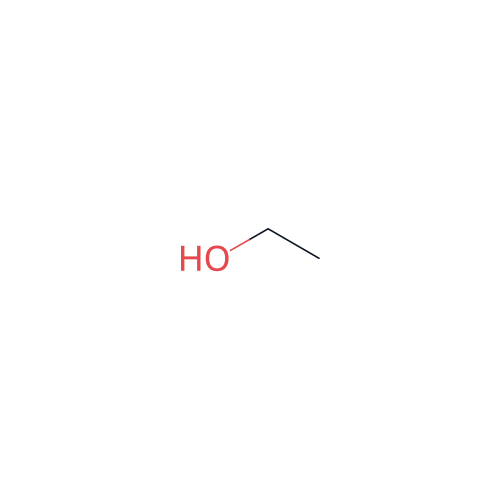
Key facts
What buyers check first
- Appearance
- Clear, colorless, very mobile liquid
- Melting point
- -114.1 °C
- Boiling point
- 78.2 °C
- Density
- 0.7893 g/cm³ at 20 °C
- Flash point
- 14 °C
- HS code
- 220710
- Category
- Alcohol and glycol solvents
- UN number
- UN NA1987
What is Ethanol?
Plain description, key identifiers and synonyms
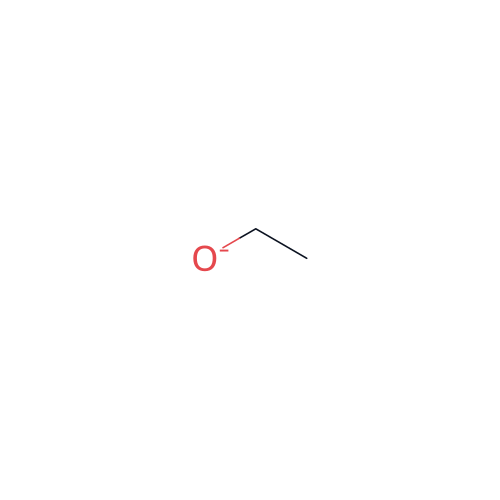
Ethanol is a primary alcohol that is ethane in which one of the hydrogens is substituted by a hydroxy group. It has a role as a central nervous system depressant, an antiseptic drug, a disinfectant, a polar solvent, a teratogenic agent, a neurotoxin, a NMDA receptor antagonist, a protein kinase C agonist, a mouse metabolite, a Saccharomyces cerevisiae metabolite, an Escherichia coli metabolite and a human metabolite. It is a volatile organic compound, a primary alcohol, a member of ethanols and an alkyl alcohol. It is a conjugate acid of an ethoxide.
Identifiers
Registry numbers, names and line notations, tap to copy
- IUPAC name
- ethanol
- CAS number
- 64-17-5 CAS number cross-checkedOther or deprecated CAS: 42845-45-4
- EC number
- 200-578-6
- Molecular formula
- C2H6O
- UNII
- 3K9958V90M
- MDL number
- MFCD00003568
- INCI name
- ALCOHOL, ALCOHOL DENAT.
- InChIKey
- LFQSCWFLJHTTHZ-UHFFFAOYSA-N
- InChI
- InChI=1S/C2H6O/c1-2-3/h3H,2H2,1H3
- SMILES (canonical and isomeric)
- CCO
Synonyms
- ethyl alcohol
- alcohol
- grain alcohol
- Methylcarbinol
- Ethyl hydroxide
- Ethyl hydrate
- Tecsol
- Algrain
- Anhydrol
- EtOH
- Hydroxyethane
- Alkohol
- Jaysol S
- Potato alcohol
- Absolute ethanol
- 1-Hydroxyethane
- Ethanol 200 proof
- Aethylalkohol
- Denatured ethanol
- Aethanol
- Dehydrated ethanol
- Alcool ethylique
- etanol
- Fermentation alcohol
- Tecsol C
Show all 39 synonymsShow fewer synonyms
- Alcool etilico
- Alcohol, ethyl
- Alcohol, diluted
- Dehydrated alcohol
- Etanolo
- Jaysol
- Etylowy alkohol
- absolute alcohol
- Alcohol dehydrated
- Alkoholu etylowego
- Ethyl alcohol usp
- Synasol
- Alcohol, anhydrous
- Ethyl alcohol anhydrous
Physical and chemical properties
Measured values and descriptors computed from the structure
Physical and chemical properties
Measured values, check the supplier specification for your grade
| Appearance | Clear, colorless, very mobile liquidexp.Measured value |
|---|---|
| Odour | Pleasantexp.Measured value |
| Taste | Burningexp.Measured value |
| Melting point | -114.1 °Cexp.Measured value |
| Boiling point | 78.2 °Cexp.Measured value |
| Density | 0.7893 g/cm³ at 20 °Cexp.Measured value |
| Flash point | 14 °Cexp.Measured value |
| Autoignition temperature | 363 °Cexp.Measured value |
| Solubility | In water, miscible /1 × 10⁺⁶ mg/L/ at 25 °Cexp.Measured value |
| Vapour pressure | VP: -73 °C at 1 Pa, -56 °C at 10 Pa, -34 °C at 100 Pa, -7 °C at 1 kPa (all extrapolated), 29.2 °C at 10 kPa, 78.0 °C at 100 kPaexp.Measured value |
Values vary by grade. Ask suppliers for the COA or TDS of the batch you buy.
Computed descriptors
Calculated from the structure, useful for screening and formulation
| Molecular weight | 46.07 g/molcalc.Computed value |
|---|---|
| Exact mass | 46.0419 Dacalc.Computed value |
| LogP (octanol/water) | 0calc.Computed value |
| Topological polar surface area | 20.23 Ųcalc.Computed value |
| Hydrogen bond donors | 1calc.Computed value |
| Hydrogen bond acceptors | 1calc.Computed value |
| Rotatable bonds | 0calc.Computed value |
| Heavy atoms | 3calc.Computed value |
| Rings | 0calc.Computed value |
| Aromatic rings | 0calc.Computed value |
| Fraction sp3 carbons | 1calc.Computed value |
| Formal charge | 0calc.Computed value |
| Stereocentres | 0calc.Computed value |
| Lipinski rule of five | Passes (0 violations)calc.Computed value |
Calculated for screening. Confirm critical figures with the supplier.
Safety and hazards
GHS classification summary, not a safety data sheet
Hazard statements
- H225Highly flammable liquid and vapour.
Precautionary statements (11)
- P210Keep away from heat, hot surfaces, sparks, open flames and other ignition sources. No smoking.
- P233Keep container tightly closed.
- P240Ground and bond container and receiving equipment.
- P241Use explosion-proof electrical, ventilating and lighting equipment.
- P242Use non-sparking tools.
- P243Take action to prevent static discharges.
- P280Wear protective gloves, protective clothing, eye protection and face protection.
- P303 + P361 + P353If on skin (or hair): Take off immediately all contaminated clothing. Rinse skin with water or shower.
- P370 + P378In case of fire: Use appropriate media to extinguish.
- P403 + P235Store in a well-ventilated place. Keep cool.
- P501Dispose of contents and container in accordance with local regulations.
- UN number
- UN NA1987
- Transport hazard class
- 3
- Packing group
- II
GHS classification summary, not a safety data sheet (SDS). Classifications can differ by supplier, grade and concentration. Always check the supplier's SDS.
Full safety data and first aidEthanol suppliers
Sponsored listings first, then the documented ranking: membership, verification, replies, completeness, freshness and ratings
- China, Dezhou ManufacturerUnclaimed profileEthanolGrade, purity and minimum order on requestPrice on request
- United States, WayneUnclaimed profileEthyl alcoholGrade, purity and minimum order on requestPrice on request
- Germany, HamburgUnclaimed profileEthanolGrade, purity and minimum order on requestPrice on request
- South Korea, SeoulUnclaimed profileEthyl alcoholGrade, purity and minimum order on requestPrice on request
- Spain, BarcelonaUnclaimed profileEthyl alcoholGrade, purity and minimum order on requestPrice on request
- Belgium, AartselaarUnclaimed profileEthanolGrade, purity and minimum order on requestPrice on request
- Canada, Mississauga ManufacturerUnclaimed profileEthyl AlcoholGrade, purity and minimum order on requestPrice on request
- Price on request
- IndiaUnclaimed profileEthanolGrade, purity and minimum order on requestPrice on request
- Price on request
Suppliers marked Unclaimed profile have not claimed their profile yet. They are not verified by CompoundList, their offers are price on request and details may have changed, so please confirm them with the supplier. Company representatives can claim a profile with a business email on the company's own website domain. Our team verifies each claim and sends the result by email.
Where suppliers are based
736 suppliers in 65 countries
- United States257
- China93
- India80
- Germany21
- United Kingdom16
- South Africa15
- and 59 more countries
Send one request to many suppliers
Choose up to 10 suppliers or let us match your request. Compare quotes side by side, free.
Ethanol price
Indicative price range per kg from live supplier offers
Suppliers quote this chemical on request. Send one free request and compare quotes side by side.
Uses and applications
What the substance is used for, by industry and function
Most ethyl alcohol is used in alcoholic beverages in suitable dilutions. Reagent in synthetic organic chemistry and chromatography. Industrial and laboratory organic solvent. Other uses are in manufacture of denatured alcohol, pharmaceuticals (rubbing compounds, lotions, tonics, colognes), in perfumery. Octane booster in gasoline. Pharmaceutic aid (solvent).
Use as a solvent, a germicide, a beverage, an antifreeze, a fuel, a depressant, and a chemical intermediate for other organic chemicals. ... The main uses for industrial ethanol are as an intermediate for the production of other chemicals and as a solvent.
Approved industrial uses for pure ...
Read more
ethanol include pharmaceuticals, cosmetics, flavoring extracts, and foods.
Industrial uses: Surface modifier, Laboratory chemicals, Adhesion/cohesion promoter, Pigment, Intermediate, Processing aids, specific to petroleum production, Sealant (barrier), Anti-stain agent.
Consumer uses: Surfactant (surface active agent), Fuels and fuel additives, Processing aids not otherwise specified, Fuel, Heat transferring agent, Fuel agents, Anti-adhesive/cohesive, Flavoring and nutrient.
Use classes: Antimicrobial Actives, Solvents, Safer Chemical Classes, Solvents, Cosmetics.
Industries and functions
- Preservatives in cosmetics and personal care
- Thickeners in cosmetics and personal care
- Skin conditioning agents in cosmetics and personal care
- Fragrance ingredients in cosmetics and personal care
- Solvents in paints and coatings
- Solvents in adhesives and sealants
- Disinfectants in water treatment
- Disinfectants in home care and cleaning
- Fragrance ingredients in flavors and fragrances
Cosmetic ingredient, INCI name ALCOHOL(antifoaming, antimicrobial, astringent, fragrance)
Pharmacological actions
- Anti-Infective Agents, Local
- Central Nervous System Depressants
- Solvents
Roles
- Escherichia coli metabolite
- NMDA receptor antagonist
- Saccharomyces cerevisiae metabolite
- aetiopathogenetic role
- agonist
- antagonist
- antiinfective agent
- antimicrobial agent
- antiseptic drug
- central nervous system depressant
- central nervous system drug
- disinfectant
- eukaryotic metabolite
- excitatory amino acid antagonist
- human metabolite
- metabolite
- mouse metabolite
- neurotoxin
- pharmaceutical
- poison
- polar solvent
- protein kinase C agonist
- solvent
- teratogenic agent
Functional uses
- Astringent
- Biocide
- Cleaning agent
- Defoamer
- Deodorizer
- Diluent
- Drier
- Fragrance
- Processing aids not otherwise specified
- Solubility enhancer
- Solvent
- Viscosity modifier
Cosmetic functions
- Antifoaming
- Antimicrobial
- Astringent
- Fragrance
- Solvent
- Viscosity controlling
Pharmacology
Alcohol is a volatile liquid prepared by fermentation of certain carbohydrates. Alcohol acts as a central nervous system (CNS) depressant, a diuretic, and a disinfectant. Although the exact mechanism of CNS depression is unknown, alcohol may act by inhibiting the opening of calcium channels, mediated by the binding of the inhibitory neurotransmitter gamma-amino butyric acid (GABA) to GABA-A receptors, or through inhibitory actions at N-methyl-D-aspartate (NMDA)-type glutamate receptors. Alcohol inhibits the production of antidiuretic hormone, thereby producing diuresis that may lead to dehydration. This agent kills organisms by denaturing their proteins.
How it is made
Direct catalytic hydration of ethylene. ... Ethylene and deionized water (molar ratio range 1:0.3 -1:0.8) are heated to 250 - 300 °C at 6-8 MPa by passage through a heat exchanger and a superheater. Since hydration is exothermic, the gaseous reaction products leave the reactor at a temperature 10-20 °C higher than when they entered and thus are used as a source of heat in the heat exchanger. Some phosphoric acid is entrained by the gas stream and is neutralized by injecting a dilute solution of sodium hydroxide.
Read more
After condensation and separation of the liquid reaction products, the gas is freed from residual ethanol by water washing and then recompressed and recycled to the reactor. The phosphoric acid lost by entrainment and evaporation is replaced continuously or periodically by spraying it on the catalyst bed. Crude product collects in the sump of the washer and contains ca. 10-25 wt% ethanol. It is decompressed to recover the dissolved ethylene, which is recycled. The ethanol is then purified, ideally by extractive distillation followed by rectification, to obtain a 95 vol% ethanol-water azeotrope. The azeotrope can be dehydrated by azeotropic distillation to give anhydrous ethanol.
Indirect hydration of ethylene ... The feed gas must contain a minimum of 35 vol% ethylene and only inert gases such as methane and ethane. ... The absorption of ethylene increases almost linearly with pressure.
Regulatory status
Inventories, regulations and trade controls that list this substance
Europe
- EU harmonised classification (CLP Annex VI)Index no: 603-002-00-5
Health and food
- EU cosmetic ingredient inventory
- Active ingredient in FDA approved drug labels
United States
- Safer Choice ingredient list (USA)
- TSCA inventory (USA)Status: Active in US commerce
HS code and trade data
Customs classification and reported world trade statistics
Global trade
World import and export statistics for the HS code Ethanol is traded under.
Undenatured ethyl alcohol of an alcoholic strength by volume of 80 % vol or higher
Our trade statistics cover HS chapters 25 to 40 (minerals, chemicals, plastics and rubber). This code is in chapter 22, beverages, spirits and vinegar, which is not included yet.
The HS code shown for Ethanol is indicative (it was assigned by structure rules). Confirm the classification with your customs broker before shipping.
Related chemicals
Parent and salt forms, stereoisomers, similar structures and isomers
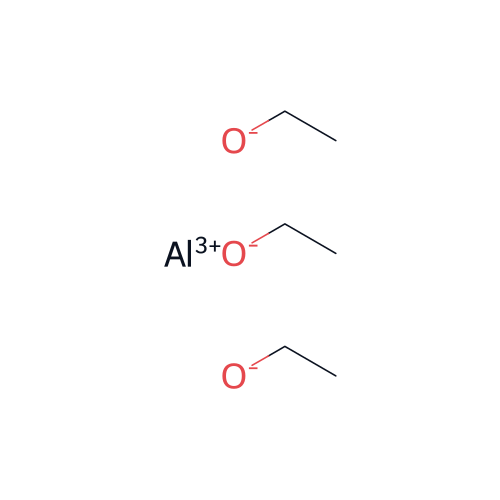
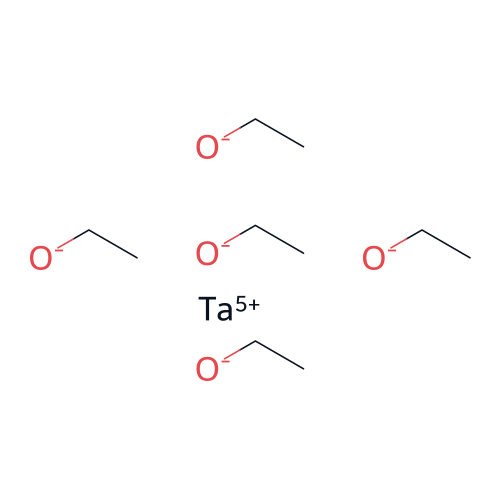
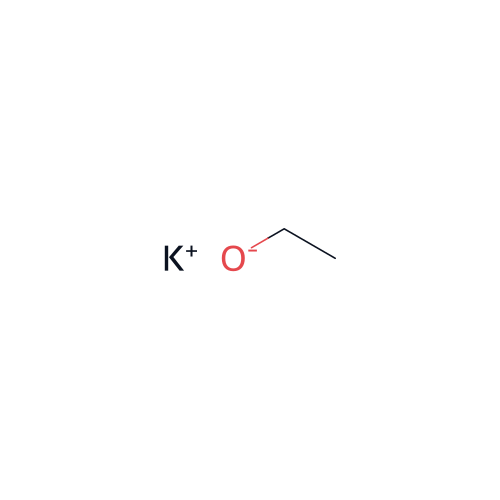
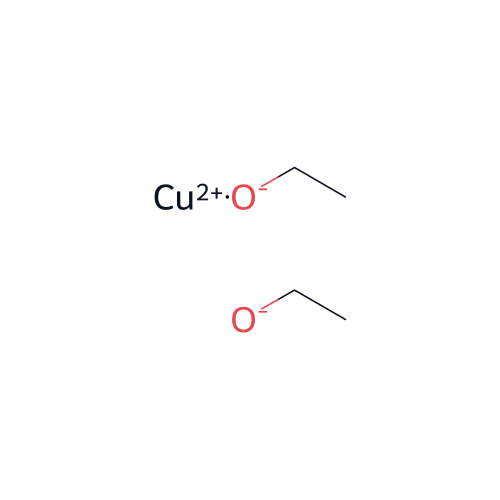
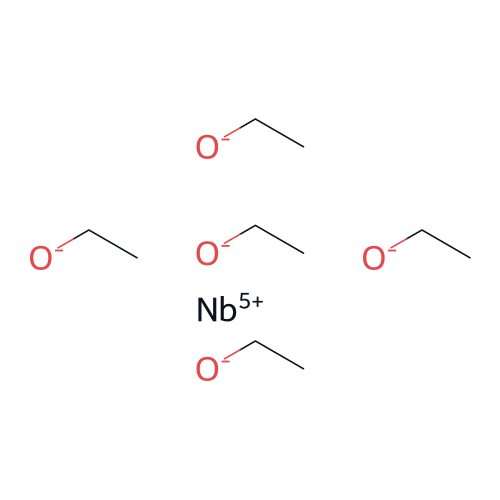
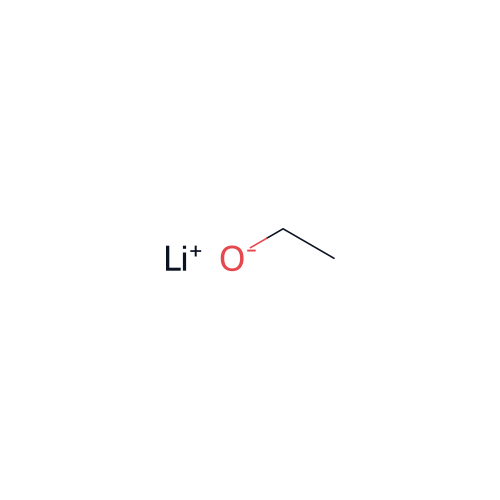
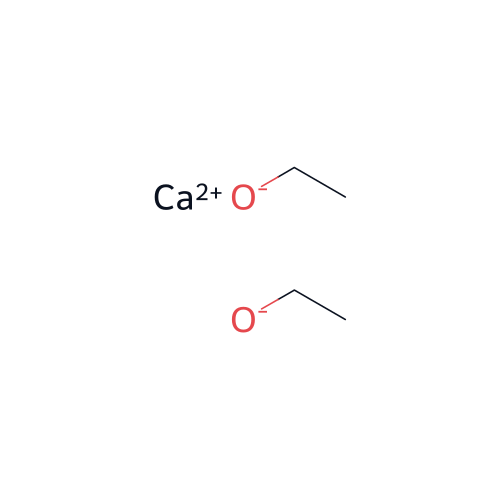
Salt and hydrate forms
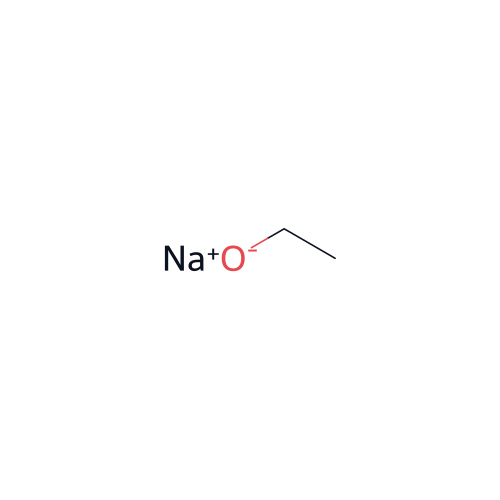
Records that share this compound as their parent



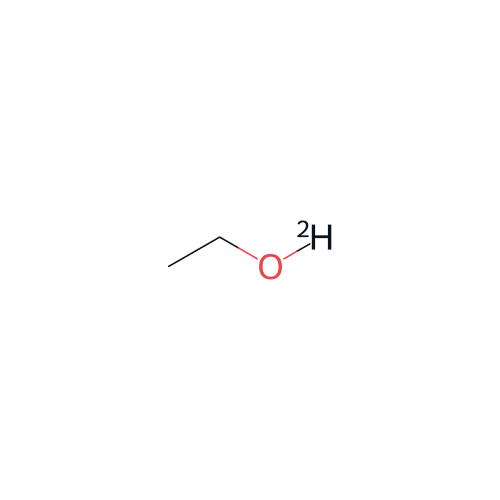
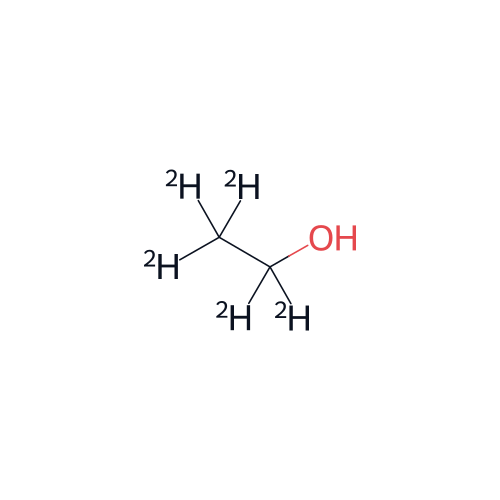
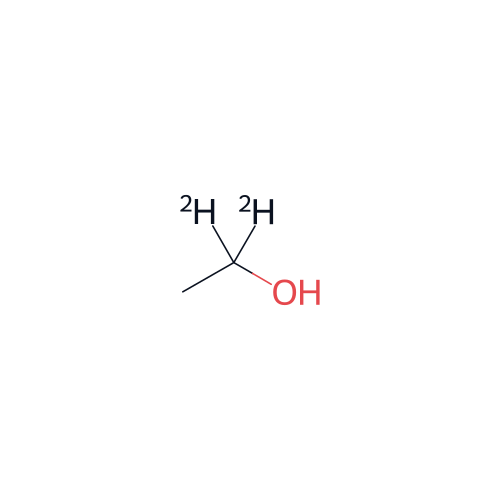
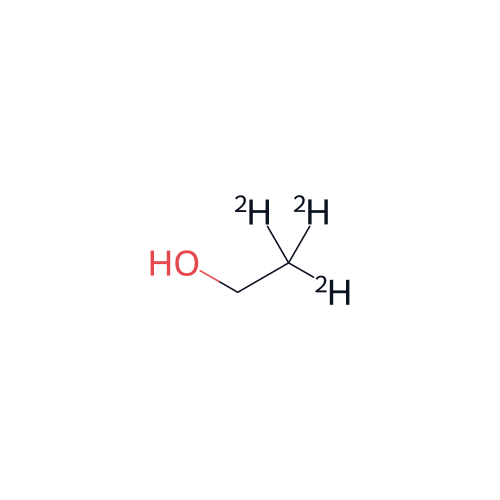
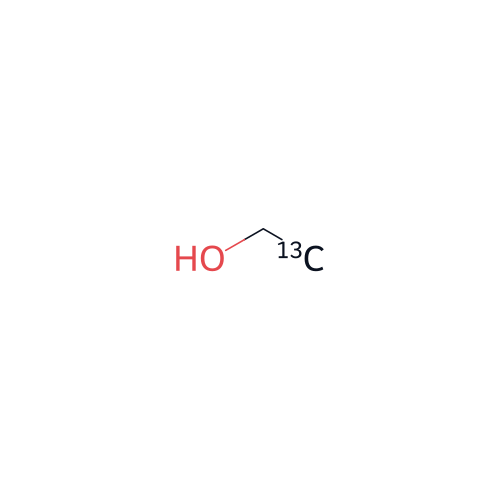
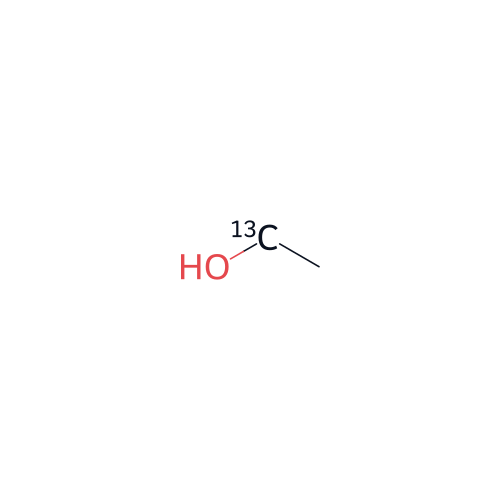
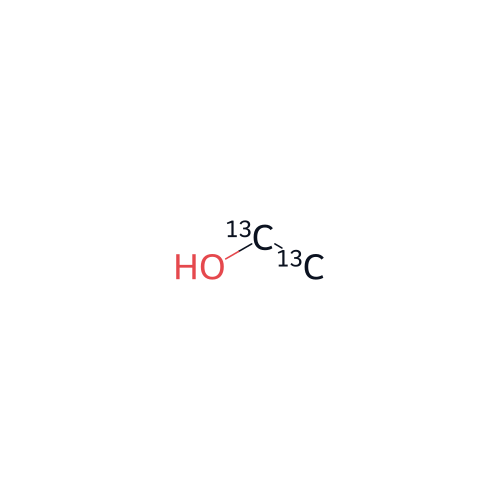
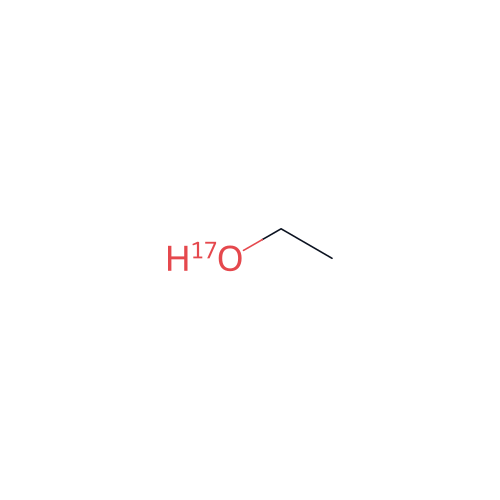
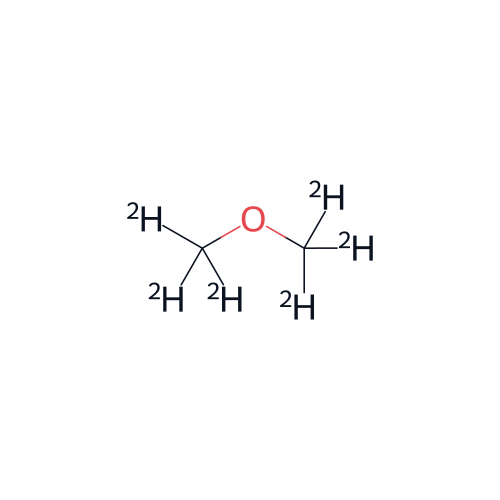
Stereoisomers and isotopic forms
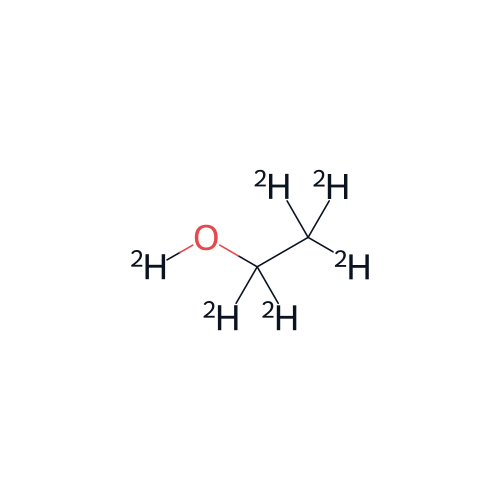
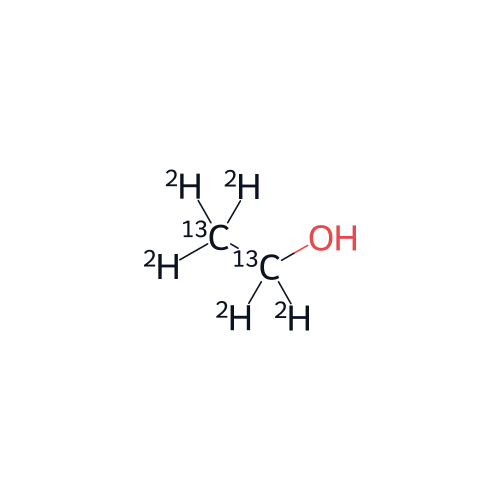
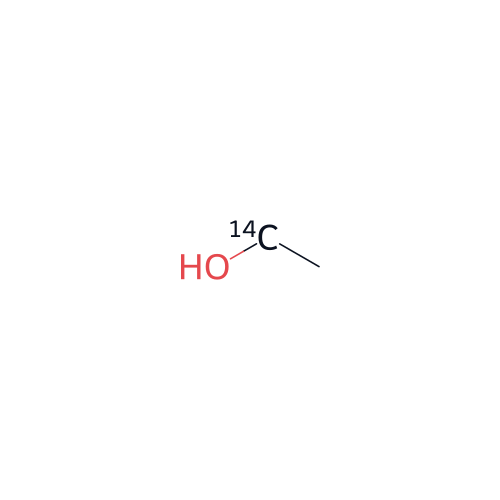
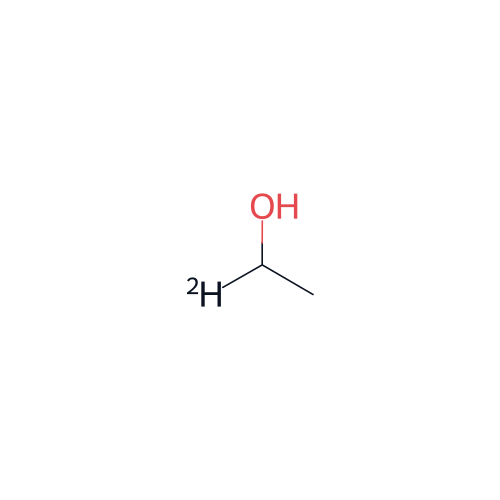
Same connectivity, different stereochemistry or isotopes (same InChIKey skeleton)
Similar structures
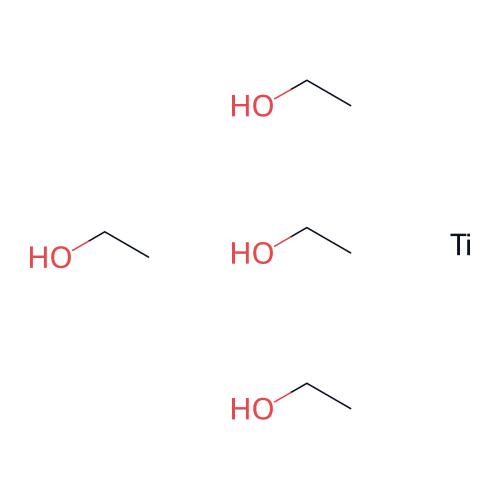
Nearest neighbours by Morgan fingerprint Tanimoto similarity
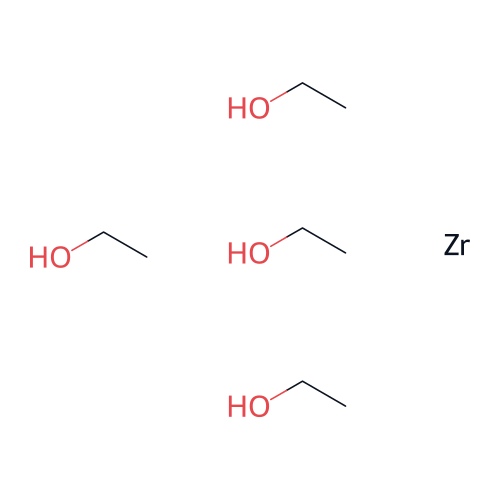

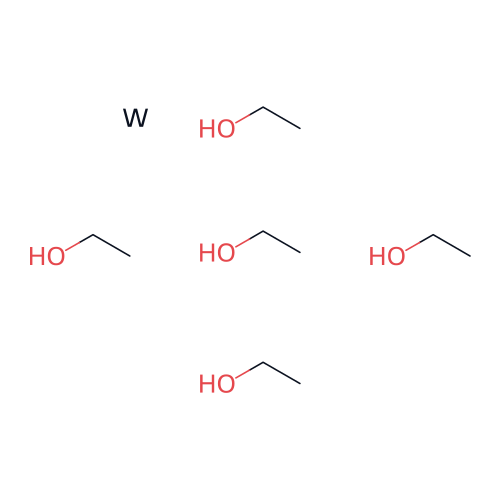
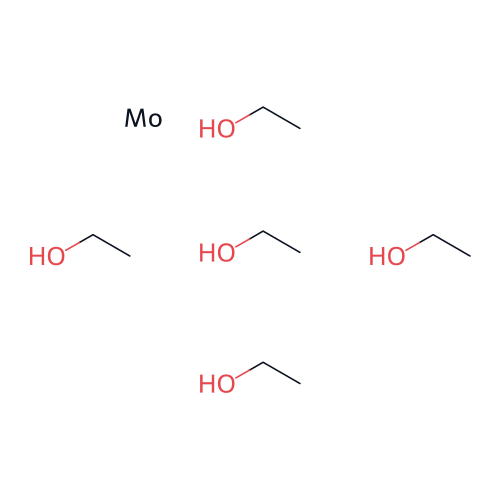


Same formula isomers
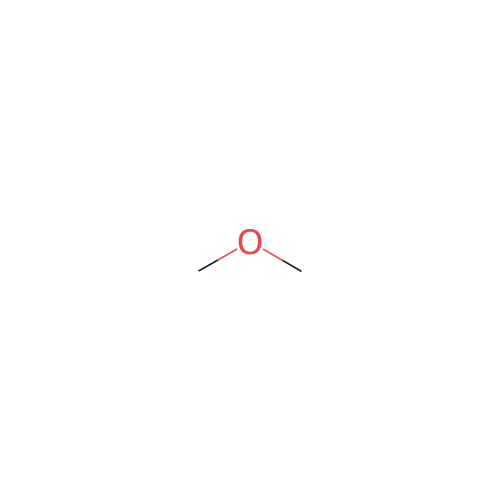
Different compounds that share this molecular formula
Frequently asked questions
Quick answers about Ethanol, based on the data on this page
What is Ethanol?
What is the CAS number of Ethanol?
What is the molecular formula and weight of Ethanol?
What is Ethanol used for?
Is Ethanol hazardous?
What is the HS code of Ethanol?
Where can I buy Ethanol?
Where can I buy Ethanol in India?
What is the price of Ethanol?
Guides for buyers
Practical guides that help when you source, ship or handle Ethanol
- Guide, Trade and logisticsShipping dangerous goods: UN numbers, classes and packing groupsHow the UN dangerous goods system works for chemicals, from the nine classes and UN numbers to packing groups, UN packaging marks, labels, documents and segregation.Read
- Guide, SafetyHow to read a safety data sheet in 10 minutesA section by section method to pull the essentials out of any 16 section SDS: identity, hazards, composition, storage, PPE, properties, transport and emergency measures.Read
- Guide, SafetyGHS pictograms, signal words and hazard statements explainedA practical guide to the nine GHS pictograms, the signal words Danger and Warning, H and P statements, and how to read a chemical label in seconds.Read
Get quotes for Ethanol
Embed this structure on your websiteShow code
Paste this code into your page to show the 2D structure of Ethanol with a 3D view, its CAS number and a link back to this page. Free to use with the link kept.
<iframe src="https://www.compoundlist.com/embed/structure/ethanol-64-17-5" title="Ethanol structure on CompoundList" width="360" height="420" style="border:1px solid #E7E2DA;border-radius:12px;max-width:100%" loading="lazy" referrerpolicy="strict-origin-when-cross-origin"></iframe>Explore more in Alcohol and glycol solvents or HS code 220710