Ethanol safety data
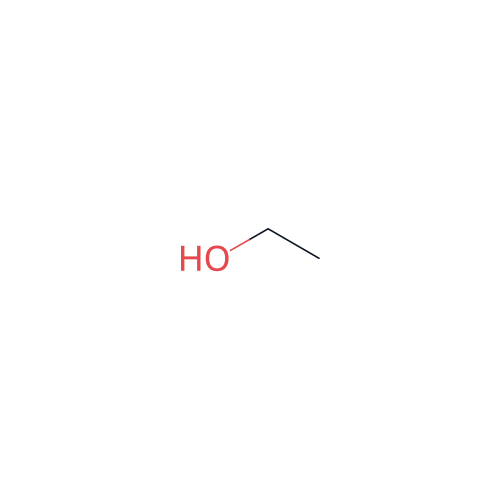
GHS classification summary, not a safety data sheet (SDS). Classifications can differ by supplier, grade and concentration. Always check the supplier's SDS.
GHS classification
Pictograms, signal word and hazard classes of the GHS classification
health, fire, reactivity
Hazard classes and categories
- Flam. Liq. 2
Hazard statements
H codes grouped by type. Percentages show the share of classification notifications that report the statement
Physical hazards
- H225Highly flammable liquid and vapour.
Precautionary statements
P codes for prevention, response, storage and disposal
Prevention
- P210Keep away from heat, hot surfaces, sparks, open flames and other ignition sources. No smoking.
- P233Keep container tightly closed.
- P240Ground and bond container and receiving equipment.
- P241Use explosion-proof electrical, ventilating and lighting equipment.
- P242Use non-sparking tools.
- P243Take action to prevent static discharges.
- P280Wear protective gloves, protective clothing, eye protection and face protection.
Response
- P303 + P361 + P353If on skin (or hair): Take off immediately all contaminated clothing. Rinse skin with water or shower.
- P370 + P378In case of fire: Use appropriate media to extinguish.
Storage
- P403 + P235Store in a well-ventilated place. Keep cool.
Disposal
- P501Dispose of contents and container in accordance with local regulations.
First aid
General first aid measures. Get medical advice if you feel unwell
Handling, storage and disposal
Summaries only, follow the supplier SDS for your grade
Safe handling
Fire: NO open flames, NO sparks and NO smoking. Closed system, ventilation, explosion-proof electrical equipment and lighting. Do NOT use compressed air for filling, discharging, or handling. NO contact with incompatible materials: See Chemical Dangers
General: STRICT HYGIENE! PREVENT GENERATION OF MISTS!
Inhalation: Use ventilation, local exhaust or breathing protection.
Skin: Protective clothing. Apron. Protective gloves.
Eyes: Wear safety goggles.
Ingestion: Do not eat, drink, or smoke during work.
Storage
Fireproof. Separated from : see Chemical Dangers.
Disposal
SRP: Recycle any unused portion of the material for its approved use or return it to the manufacturer or supplier. Ultimate disposal of the chemical must consider: the material's impact on air quality, potential migration in air, soil or water, effects on animal, aquatic and plant life, and conformance with environmental and public health regulations. If it is possible or reasonable use an alternative chemical product with less inherent propensity for occupational harm/injury/toxicity or environmental contamination. Product: Burn in a chemical incinerator equipped with an afterburner and scrubber but exert extra care in igniting as this material is highly flammable. Offer surplus and non-recyclable solutions to a licensed disposal company. Contact a licensed professional waste disposal service to dispose of this material. Contaminated packaging: Dispose of as unused product.
Exposure limits and toxicity
Occupational exposure limits and toxicity data
- OSHA PEL, 8-hour TWA
- 1000 ppm (1900 mg/m³)
- NIOSH REL, TWA
- 1000 ppm (1900 mg/m³)
- ACGIH TLV, STEL
- 1000 ppm
- IDLH
- 3300 ppm (10% LEL)
Short-term exposure: The substance is severely irritating to the eyes. The vapour at high levels is irritating to the eyes and respiratory tract. The substance may cause effects on the central nervous system. Long-term exposure: The substance defats the skin, which may cause dryness or cracking. The substance may have effects on the upper respiratory tract and central nervous system. This may result in irritation, headache, fatigue and lack of concentration.
Transport information
UN dangerous goods classification for road, sea and air
- UN number
- UN NA1987
- Transport hazard class
- 3
- Packing group
- II
Shipping rules depend on mode, quantity and packaging. Confirm the classification with the supplier SDS and your freight forwarder.
Supplier safety data sheets
SDS documents uploaded by suppliers who list this chemical
No supplier has uploaded an SDS for Ethanol yet. Suppliers usually send one with their quote. Request quotes
Safety questions
Quick answers about handling Ethanol safely
Is Ethanol hazardous?
Which GHS pictograms apply to Ethanol?
What is the UN number of Ethanol?
How should Ethanol be stored?
Where can I get the SDS for Ethanol?
GHS classification summary, not an SDS. Always check the supplier's SDS. Last updated 7 Oct 2026. Report an error