Fumaric acid
Also known as trans-Butenedioic acid, Allomaleic acid, Lichenic acid

Key facts
What buyers check first
- Appearance
- Needles, monoclinic prisms or leaflets from water
- Melting point
- 287 °C
- Boiling point
- 200 °C
- Density
- 1.635 g/cm³ at 20 °C
- Flash point
- 273 °C
- HS code
- 291719
- Category
- Acidulants and acidity regulators
What is Fumaric acid?
Plain description, key identifiers and synonyms
Fumaric acid is a butenedioic acid in which the C=C double bond has E geometry. It is an intermediate metabolite in the citric acid cycle. It has a role as a geroprotector, a food acidity regulator and a fundamental metabolite. It is a conjugate acid of a fumarate(1-).
Identifiers
Registry numbers, names and line notations, tap to copy
- IUPAC name
- (E)-but-2-enedioic acid
- CAS number
- 110-17-8 CAS number cross-checkedOther or deprecated CAS: 24661-33-4, 6915-18-0, 9003-16-1
- EC number
- 203-743-0
- Molecular formula
- C4H4O4
- UNII
- 88XHZ13131
- MDL number
- MFCD00002700
- INCI name
- FUMARIC ACID
- InChIKey
- VZCYOOQTPOCHFL-OWOJBTEDSA-N
- InChI
- InChI=1S/C4H4O4/c5-3(6)1-2-4(7)8/h1-2H,(H,5,6)(H,7,8)/b2-1+
- Canonical SMILES
- O=C(O)C=CC(=O)O
- Isomeric SMILES
- C(=C/C(=O)O)\C(=O)O
Synonyms
- trans-Butenedioic acid
- Allomaleic acid
- Lichenic acid
- Boletic acid
- (2E)-but-2-enedioic acid
- Tumaric acid
- trans-1,2-Ethylenedicarboxylic acid
- (E)-2-Butenedioic acid
- Allomalenic acid
- trans-2-Butenedioic acid
- (2E)-2-butenedioic acid
- Fumaricum acidum
- 2-Butenedioic acid, (E)-
- Kyselina fumarova
- (E)-but-2-enedioic acid
- USAF EK-P-583
- Butenedioic acid, (E)-
- 2-Butenedioic acid (2E)-
- Allomaleic-acid
- Boletic-acid
- trans-but-2-enedioic acid
- (E)-Butenedioic acid
- INS NO.297
- FC 33
- (E)-but-2-enedioate, hydron
Show all 36 synonymsShow fewer synonyms
- (E)-1,2-Ethylenedicarboxylic acid
- 2-Butenedioic acid (E)-
- Futrans-2-Butenedioic Acid
- 2-(E)-Butenedioic acid
- 1,2-Ethylenedicarboxylic acid, (E)
- 1,2-Ethenedicarboxylic acid, trans-
- Fumaric acid (NF)
- fum
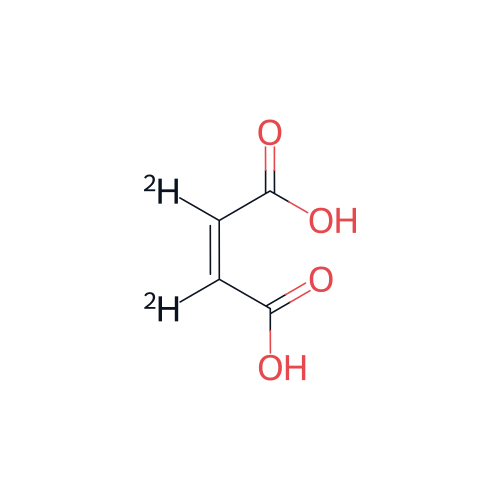
- Maleic acid-2,3-d2
- Lichenic acid (VAN)
- (E)-2-Butenedioate
Physical and chemical properties
Measured values and descriptors computed from the structure
Physical and chemical properties
Measured values, check the supplier specification for your grade
| Appearance | Needles, monoclinic prisms or leaflets from waterexp.Measured value |
|---|---|
| Odour | Odorlessexp.Measured value |
| Taste | Fruit acidexp.Measured value |
| Melting point | 287 °Cexp.Measured value |
| Boiling point | 200 °Cexp.Measured value |
| Density | 1.635 g/cm³ at 20 °Cexp.Measured value |
| Flash point | 273 °Cexp.Measured value |
| Autoignition temperature | 740 °Cexp.Measured value |
| Solubility | In water, 7 × 10⁻³ mg/L at 25 °Cexp.Measured value |
| Vapour pressure | 1.54 × 10⁻⁴ mm Hg at 25 °Cexp.Measured value |
Values vary by grade. Ask suppliers for the COA or TDS of the batch you buy.
Computed descriptors
Calculated from the structure, useful for screening and formulation
| Molecular weight | 116.07 g/molcalc.Computed value |
|---|---|
| Exact mass | 116.011 Dacalc.Computed value |
| LogP (octanol/water) | -0.29calc.Computed value |
| Topological polar surface area | 74.6 Ųcalc.Computed value |
| Hydrogen bond donors | 2calc.Computed value |
| Hydrogen bond acceptors | 2calc.Computed value |
| Rotatable bonds | 2calc.Computed value |
| Heavy atoms | 8calc.Computed value |
| Rings | 0calc.Computed value |
| Aromatic rings | 0calc.Computed value |
| Fraction sp3 carbons | 0calc.Computed value |
| Formal charge | 0calc.Computed value |
| Stereocentres | 0calc.Computed value |
| Lipinski rule of five | Passes (0 violations)calc.Computed value |
Calculated for screening. Confirm critical figures with the supplier.
Safety and hazards
GHS classification summary, not a safety data sheet
Hazard statements
- H319Causes serious eye irritation.
Precautionary statements (4)
- P264 + P265Wash skin thoroughly after handling. Do not touch eyes.
- P280Wear protective gloves, protective clothing, eye protection and face protection.
- P305 + P351 + P338If in eyes: Rinse cautiously with water for several minutes. Remove contact lenses, if present and easy to do. Continue rinsing.
- P337 + P317If eye irritation persists: Get medical help.
GHS classification summary, not a safety data sheet (SDS). Classifications can differ by supplier, grade and concentration. Always check the supplier's SDS.
Full safety data and first aidFumaric acid suppliers
Sponsored listings first, then the documented ranking: membership, verification, replies, completeness, freshness and ratings
- Japan, Chuo-KuUnclaimed profileFumaric AcidGrade, purity and minimum order on requestPrice on request
- India, Mumbai ManufacturerUnclaimed profileFumaric AcidGrade, purity and minimum order on requestPrice on request
- China, JiaxingUnclaimed profileFumaric AcidGrade, purity and minimum order on requestPrice on request
- China, HangzhouUnclaimed profileFumaric AcidGrade, purity and minimum order on requestPrice on request
- United States, WayneUnclaimed profileFumaric AcidGrade, purity and minimum order on requestPrice on request
- Japan, Kawasaki ManufacturerUnclaimed profileFumaric AcidGrade, purity and minimum order on requestPrice on request
- Spain, MadridUnclaimed profileFumaric AcidGrade, purity and minimum order on requestPrice on request
- France, CourbevoieUnclaimed profileFumaric AcidGrade, purity and minimum order on requestPrice on request
- ChinaUnclaimed profileFumaric AcidGrade, purity and minimum order on requestPrice on request
- United StatesUnclaimed profileFumaric AcidGrade, purity and minimum order on requestPrice on request
Suppliers marked Unclaimed profile have not claimed their profile yet. They are not verified by CompoundList, their offers are price on request and details may have changed, so please confirm them with the supplier. Company representatives can claim a profile with a business email on the company's own website domain. Our team verifies each claim and sends the result by email.
Where suppliers are based
329 suppliers in 49 countries
- China74
- United States63
- India50
- Germany13
- United Kingdom10
- Japan9
- and 43 more countries
Send one request to many suppliers
Choose up to 10 suppliers or let us match your request. Compare quotes side by side, free.
Fumaric acid price
Indicative price range per kg from live supplier offers
Suppliers quote this chemical on request. Send one free request and compare quotes side by side.
Uses and applications
What the substance is used for, by industry and function
Fumaric acid is used primarily in liquid pharmaceutical preparations as an acidulant and flavoring agent. Fumaric acid may be included as the acid part of effervescent tablet formulations, although this use is limited as the compound has an extremely low solubility in water. It is also used as a chelating agent which exhibits synergism when used in combination with other true antioxidants. In the design of novel pelletized formulations manufactured by extrusion-spheronization, fumaric acid was used to aid spheronization, favoring the production of fine pellets. It has also been investigated as an alternative filler to lactose in pellets. Fumaric acid has been investigated as a lubricant for effervescent tablets, and copolymers of fumaric acid and sebacic acid have been investigated as bioadhesive microspheres.
Read more
It has also been used in film-coated pellet formulations as an acidifying agent and also to increase drug solubility. Fumaric acid is also used as a food additive at concentrations up to 3600 ppm, and as a therapeutic agent in the treatment of psoriasis and other skin disorders.
Reported uses
Table: Reported uses (ppm): (Flavor and Extract Manufacturers' Association) [Table#2022].
Fortifier in paper size resins, unsaturated polyester resins, and alkyd surface coating resins, miscellaneous applications, acidulant in gelatin desserts and dry beverage powders, chemical intermediate for plasticizers including dibutyl fumarate.
Industrial uses: Dispersing agent, Flavoring and nutrient, Binder, Other, Processing aids not otherwise specified, Monomers, Fixing agent (mordant), Filler.
Consumer uses: Flavoring and nutrient, Dispersing agent.
Industries and functions
Cosmetic ingredient, INCI name FUMARIC ACID(buffering)
Roles
- additive
- antipsoriatic
- dermatologic drug
- food acidity regulator
- food additive
- food component
- fundamental metabolite
- geroprotector
- metabolite
- pharmaceutical
- physiological role
- protective agent
Functional uses
- Biocide
- Chemical reaction regulator
- Dispersing agent
- Fixing agent (mordant)
- Flavouring and nutrient
- Food preservative
- Fragrance
- Leavening agent
- Pharmaceutical
- Processing aids not otherwise specified
- pH regulating agent
Cosmetic functions
- Buffering
How it is made
Commercially, fumaric acid may be prepared from glucose by the action of fungi such as Rhizopus nigricans, as a by-product in the manufacture of maleic and phthalic anhydrides, and by the isomerization of maleic acid using heat or a catalyst. On the laboratory scale, fumaric acid can be prepared by the oxidation of furfural with sodium chlorate in the presence of vanadium pentoxide.
Maleic acid or maleic anhydride, especially the maleic acid-containing wash water from the production of maleic anhydride or phthalic anhydride, serves as starting material for the manufacture of fumaric acid.
Read more
The maleic acid concentration should be at least 30%. Maleic acid is converted almost quantitatively by thermal or catalytic isomerization into the sparingly soluble fumaric acid, which is recovered by filtration. Various substances have been proposed as catalysts: mineral acids (e.g., hydrochloric acid), sulfur compounds such as thiocyanates, thiazoles, thiosemicarbazides, thioureas, or bromine compounds in combination with peroxides (e.g., persulfate). Thiourea is most commonly used in practice. The maleic acid-containing wash water contains impurities that can affect quality and yield. This problem can be largely avoided (1) by thermal pretreatment of the wash water, (2) by adding urea if thiourea is used as catalyst, and (3) by addition of sulfites or passaged of sulfur dioxide and addition of mineral acids.
Regulatory status
Inventories, regulations and trade controls that list this substance
Europe
- EU harmonised classification (CLP Annex VI)Index no: 607-146-00-X
Health and food
- EU cosmetic ingredient inventory
- Food additive
United States
- Safer Choice ingredient list (USA)
- TSCA inventory (USA)Status: Active in US commerce
HS code and trade data
Customs classification and reported world trade statistics
Global trade
World import and export statistics for the HS code Fumaric acid is traded under.
Acyclic polycarboxylic acids, their anhydrides, halides, peroxides, peroxyacids and…
- China46.6%
- United States13.7%
- Germany10.1%
- United States16.2%
- Denmark11.8%
- Germany10.0%
The HS code shown for Fumaric acid is indicative (it was assigned by structure rules). Confirm the classification with your customs broker before shipping.
Related chemicals
Parent and salt forms, stereoisomers, similar structures and isomers
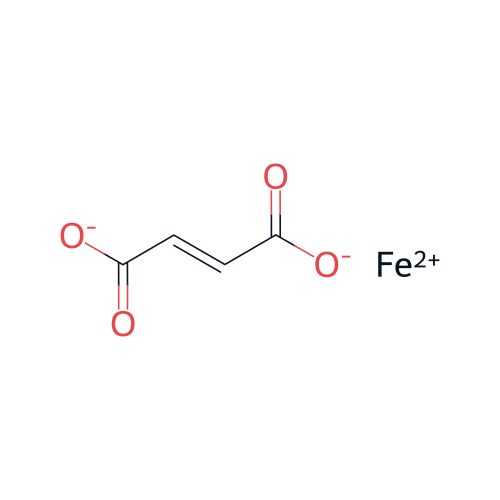
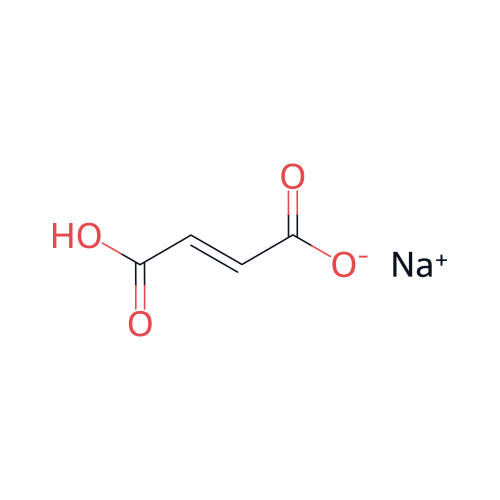
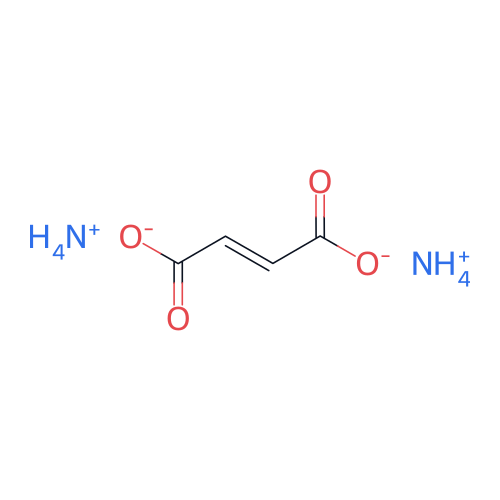
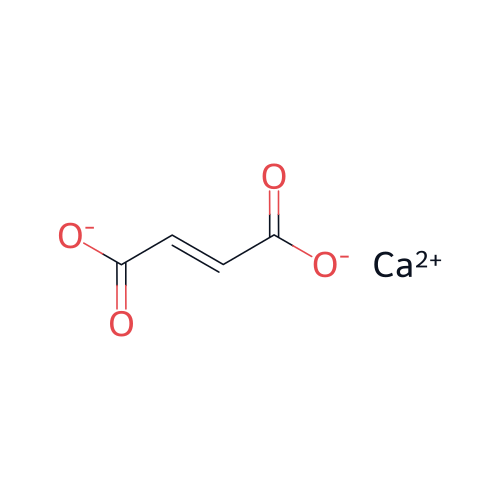
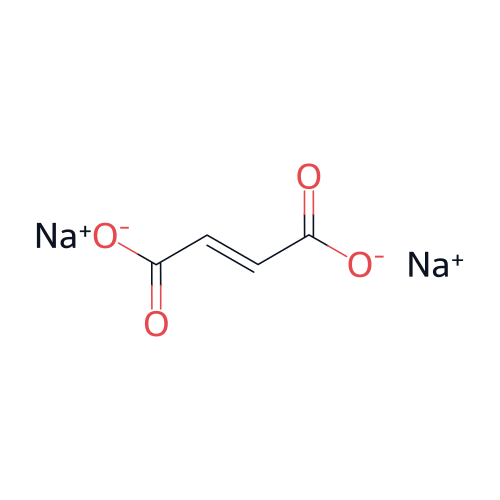
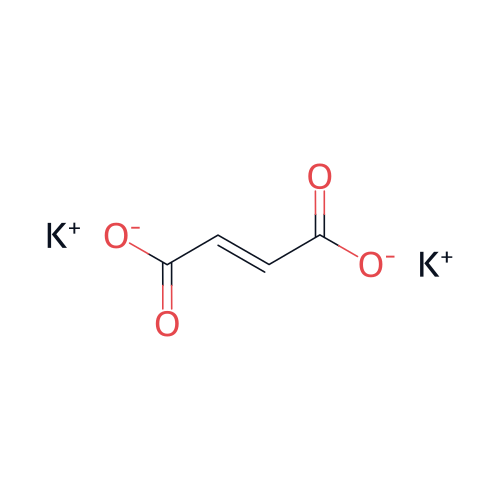
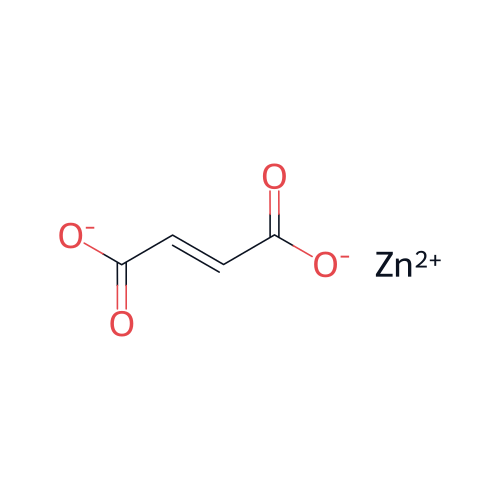
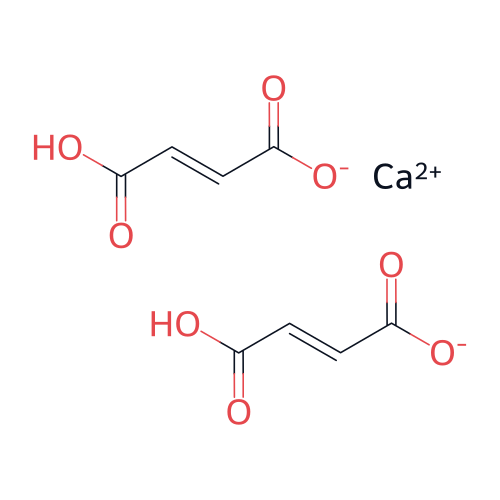
Salt and hydrate forms
Records that share this compound as their parent




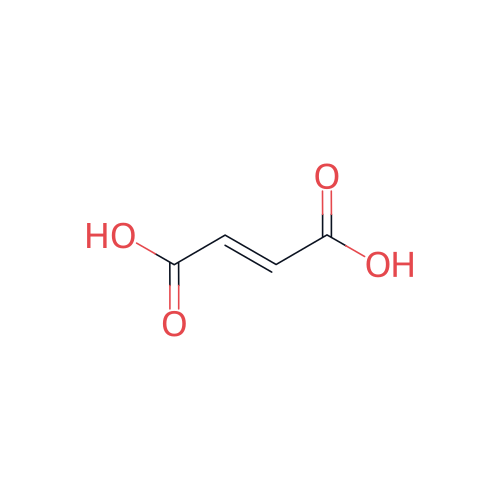
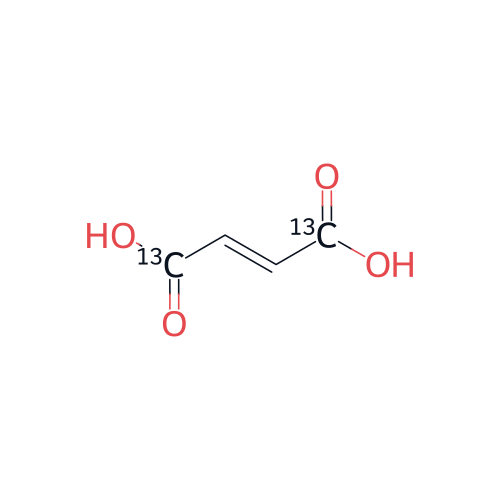
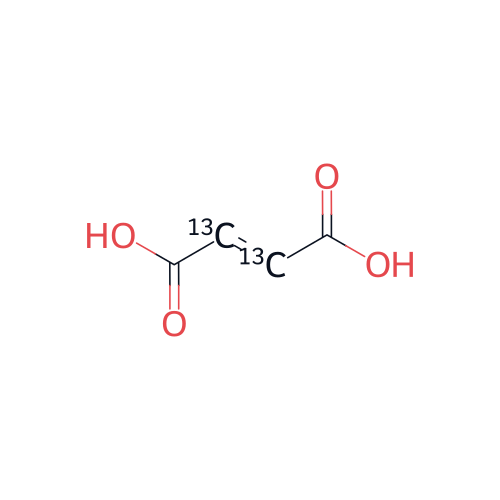
Stereoisomers and isotopic forms
Same connectivity, different stereochemistry or isotopes (same InChIKey skeleton)





Similar structures
Nearest neighbours by Morgan fingerprint Tanimoto similarity


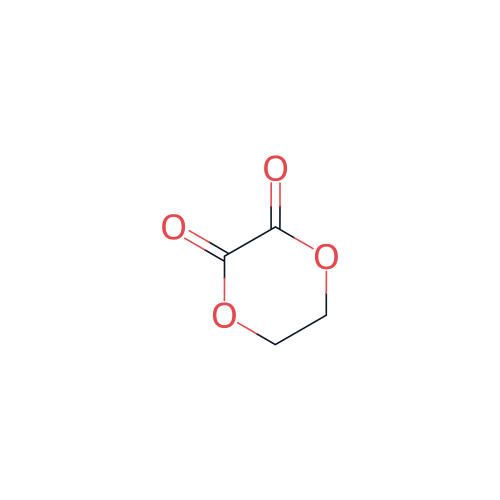
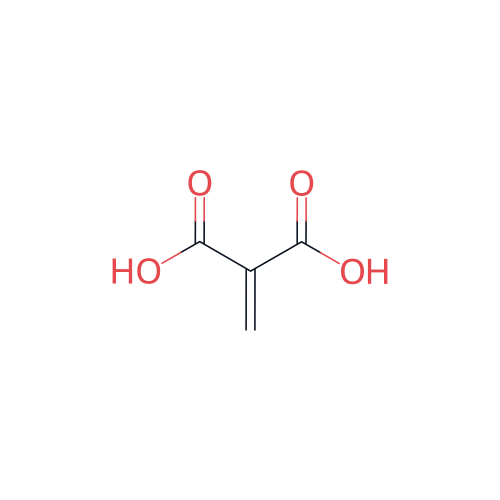
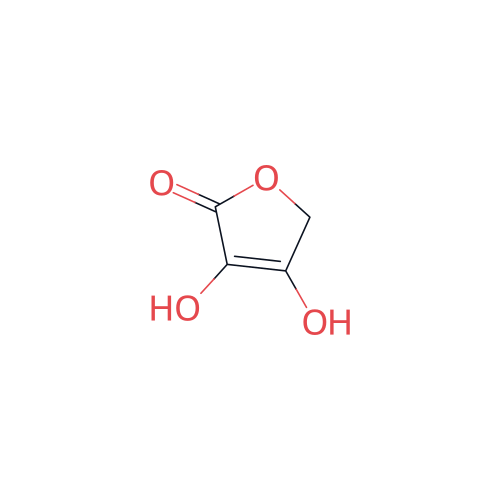
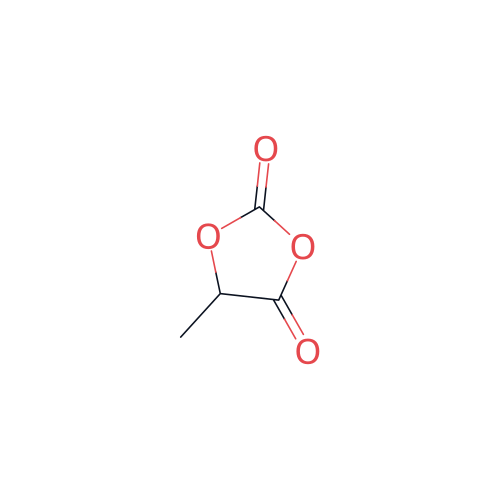
Same formula isomers
Different compounds that share this molecular formula





Frequently asked questions
Quick answers about Fumaric acid, based on the data on this page
What is Fumaric acid?
What is the CAS number of Fumaric acid?
What is the molecular formula and weight of Fumaric acid?
What is Fumaric acid used for?
Is Fumaric acid hazardous?
What is the HS code of Fumaric acid?
Where can I buy Fumaric acid?
Where can I buy Fumaric acid in India?
What is the price of Fumaric acid?
Guides for buyers
Practical guides that help when you source, ship or handle Fumaric acid
- Guide, SafetyHow to read a safety data sheet in 10 minutesA section by section method to pull the essentials out of any 16 section SDS: identity, hazards, composition, storage, PPE, properties, transport and emergency measures.Read
- Guide, SafetyGHS pictograms, signal words and hazard statements explainedA practical guide to the nine GHS pictograms, the signal words Danger and Warning, H and P statements, and how to read a chemical label in seconds.Read
- Article, QualityWhat a certificate of analysis should containThe parts of a complete COA, how to read it against your specification, the warning signs of a weak or copied certificate and how to verify results.Read
Get quotes for Fumaric acid
Embed this structure on your websiteShow code
Paste this code into your page to show the 2D structure of Fumaric acid with a 3D view, its CAS number and a link back to this page. Free to use with the link kept.
<iframe src="https://www.compoundlist.com/embed/structure/fumaric-acid-110-17-8" title="Fumaric acid structure on CompoundList" width="360" height="420" style="border:1px solid #E7E2DA;border-radius:12px;max-width:100%" loading="lazy" referrerpolicy="strict-origin-when-cross-origin"></iframe>Explore more in Acidulants and acidity regulators or HS code 291719