Naphthalene
Also known as Naphthalin, Tar camphor, White tar
Key facts
What buyers check first
What is Naphthalene?
Plain description, key identifiers and synonyms
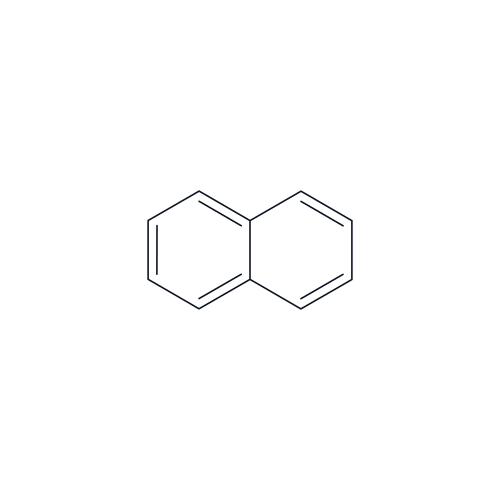
Naphthalene is an aromatic hydrocarbon comprising two fused benzene rings. It occurs in the essential oils of numerous plant species e.g. magnolia. It has a role as a volatile oil component, a carcinogenic agent, an apoptosis inhibitor, a mouse metabolite, a plant metabolite and an environmental contaminant. It is a member of naphthalenes and an ortho-fused bicyclic arene.
Identifiers
Registry numbers, names and line notations, tap to copy
- IUPAC name
- naphthalene
- CAS number
- 91-20-3 CAS number cross-checked
- EC number
- 202-049-5
- Molecular formula
- C10H8
- UNII
- 2166IN72UN
- MDL number
- MFCD00001742
- InChIKey
- UFWIBTONFRDIAS-UHFFFAOYSA-N
- InChI
- InChI=1S/C10H8/c1-2-6-10-8-4-3-7-9(10)5-1/h1-8H
- SMILES (canonical and isomeric)
- C1=CC=C2C=CC=CC2=C1
Synonyms
- Naphthalin
- Tar camphor
- White tar
- Albocarbon
- Naphthene
- Camphor tar
- naphtalene
- Naphthaline
- Moth balls
- Moth flakes
- Dezodorator
- Naftalen
- Mighty 150
- Naphthalinum
- RCRA waste number U165
- Mighty RD1
- Naphtalinum
- naftaleno
- napthalene
- Mothballs
- naftalina
- naphtaline
- naphthalen
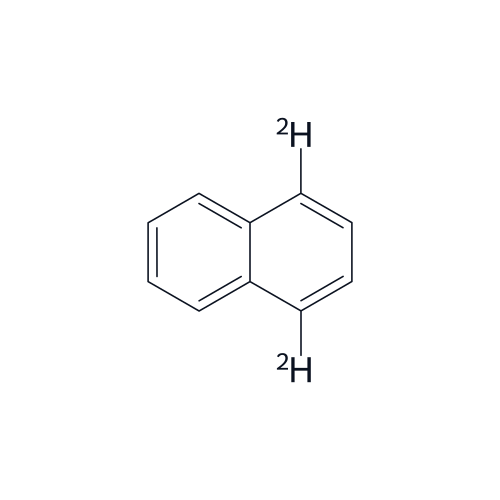
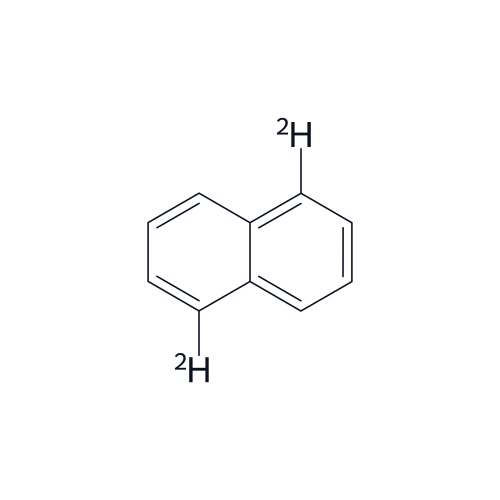
- Naphthalene-1,4-d2
- Naphthalene, 99%
Show all 36 synonymsShow fewer synonyms
- Naphthalene - Melting point
- Naphthalene, analytical standard
- Naphtalene [ISO:French]
- Naphthalene, pure
- Naphthalene, molten
- Naphthalene (molten)
- RCRA waste no. U165
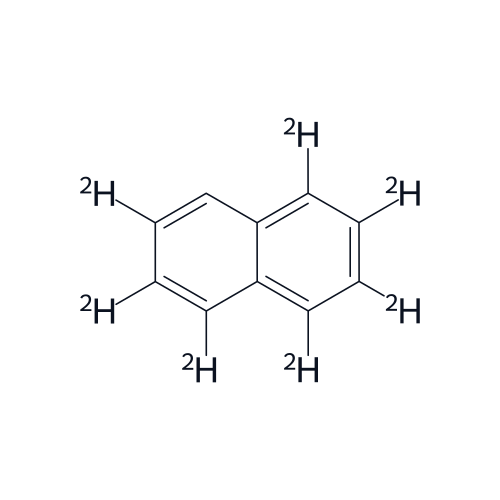
- Naphthalene (1,2,3,4,5,6,7,8-d8)
- Polynaphthalene
- Naphthalene, crude or refined
- 2-naphthalen
Physical and chemical properties
Measured values and descriptors computed from the structure
Physical and chemical properties
Measured values, check the supplier specification for your grade
| Appearance | White crystalline flakes Plates from ethanolexp.Measured value |
|---|---|
| Odour | Aromatic odorexp.Measured value |
| Melting point | 80.2 °Cexp.Measured value |
| Boiling point | 217.9 °Cexp.Measured value |
| Density | 1.16 g/cm³exp.Measured value |
| Flash point | 79 °Cexp.Measured value |
| Autoignition temperature | 526 °Cexp.Measured value |
| Solubility | In water, 31 mg/L at 25 °Cexp.Measured value |
| Vapour pressure | 0.085 mm Hg at 25 °Cexp.Measured value |
Values vary by grade. Ask suppliers for the COA or TDS of the batch you buy.
Computed descriptors
Calculated from the structure, useful for screening and formulation
| Molecular weight | 128.17 g/molcalc.Computed value |
|---|---|
| Exact mass | 128.0626 Dacalc.Computed value |
| LogP (octanol/water) | 2.84calc.Computed value |
| Topological polar surface area | 0 Ųcalc.Computed value |
| Hydrogen bond donors | 0calc.Computed value |
| Hydrogen bond acceptors | 0calc.Computed value |
| Rotatable bonds | 0calc.Computed value |
| Heavy atoms | 10calc.Computed value |
| Rings | 2calc.Computed value |
| Aromatic rings | 2calc.Computed value |
| Fraction sp3 carbons | 0calc.Computed value |
| Formal charge | 0calc.Computed value |
| Stereocentres | 0calc.Computed value |
| Lipinski rule of five | Passes (0 violations)calc.Computed value |
Calculated for screening. Confirm critical figures with the supplier.
Murcko scaffold
The ring system that remains when every side chain is removed
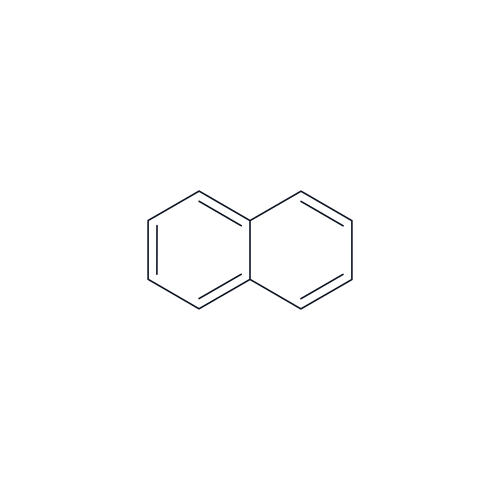
c1ccc2ccccc2c1
2 rings, 10 atoms. This chemical is the scaffold itself.
17,920 other chemicals share this scaffoldSafety and hazards
GHS classification summary, not a safety data sheet
Hazard statements
- H302Harmful if swallowed.
- H351Suspected of causing cancer.
- H400Very toxic to aquatic life.
- H410Very toxic to aquatic life with long lasting effects.
Precautionary statements (11)
- P203Obtain, read and follow all safety instructions before use.
- P264Wash skin thoroughly after handling.
- P270Do not eat, drink or smoke when using this product.
- P273Avoid release to the environment.
- P280Wear protective gloves, protective clothing, eye protection and face protection.
- P301 + P317If swallowed: Get medical help.
- P318If exposed or concerned, get medical advice.
- P330Rinse mouth.
- P391Collect spillage.
- P405Store locked up.
- P501Dispose of contents and container in accordance with local regulations.
- UN number
- UN 1334
- Transport hazard class
- 4.1
- Packing group
- III
GHS classification summary, not a safety data sheet (SDS). Classifications can differ by supplier, grade and concentration. Always check the supplier's SDS.
Full safety data and first aidNaphthalene suppliers
Sponsored listings first, then the documented ranking: membership, verification, replies, completeness, freshness and ratings
- China, Shaoxing ManufacturerUnclaimed profileNaphthaleneGrade, purity and minimum order on requestPrice on request
- China, AnshanUnclaimed profileNaphthaleneGrade, purity and minimum order on requestPrice on request
- China, AnshanUnclaimed profileNaphthaleneGrade, purity and minimum order on requestPrice on request
- India ManufacturerUnclaimed profileNaphthaleneGrade, purity and minimum order on requestPrice on request
- Price on request
- IndiaUnclaimed profileNaphthaleneGrade, purity and minimum order on requestPrice on request
- China, ChangzhouUnclaimed profileNaphthaleneGrade, purity and minimum order on requestPrice on request
- United KingdomUnclaimed profileNaphthaleneGrade, purity and minimum order on requestPrice on request
- India, Mumbai ManufacturerUnclaimed profileNaphthaleneGrade, purity and minimum order on requestPrice on request
- Price on request
Suppliers marked Unclaimed profile have not claimed their profile yet. They are not verified by CompoundList, their offers are price on request and details may have changed, so please confirm them with the supplier. Company representatives can claim a profile with a business email on the company's own website domain. Our team verifies each claim and sends the result by email.
Where suppliers are based
205 suppliers in 31 countries
- United States92
- China44
- India19
- United Kingdom5
- Germany4
- Japan4
- and 25 more countries
Send one request to many suppliers
Choose up to 10 suppliers or let us match your request. Compare quotes side by side, free.
Naphthalene price
Indicative price range per kg from live supplier offers
Suppliers quote this chemical on request. Send one free request and compare quotes side by side.
Uses and applications
What the substance is used for, by industry and function
Insecticide and repellant.
It is used indoors as a moth repellant, and placed in closed drawers, closets, and other storage areas. It is also used in attics as a squirrel and bat repellant. Outdoors, it is used around garden and building peripheries to repel animals such as snakes and rabbits.
Fumigant.
The primary use for naphthalene is in the production of phthalic anhydride. However, o-xylene is replacing naphthalene as the preferred raw material for phthalic anhydride production.
Substance listed with specific concentration in tattoo ink and/or permanent make up according to EU Commission Regulation 2020/2081. The concentration limit (by weight) is 0.00005%.
Industrial uses: Fuel agents, Fuel, Abrasives, Surfactant (surface active agent), Monomers, Processing aids not otherwise specified, Binder, Solvent.
Consumer uses: Fuel agents, Fuel, Intermediate.
Industries and functions
Roles
- aetiopathogenetic role
- animal metabolite
- anti-HIV agent
- antimicrobial agent
- antiviral agent
- apoptosis inhibitor
- carcinogenic agent
- environmental contaminant
- eukaryotic metabolite
- mammalian metabolite
- metabolite
- mouse metabolite
- plant metabolite
- volatile oil component
Functional uses
- Flavouring and nutrient
- Fragrance
- Pigment
- Solvent
- Surfactant (surface active agent)
Pharmacology
Naphthalene is a white, volatile, solid polycyclic hydrocarbon with a strong mothball odor. Naphthalene is obtained from either coal tar or petroleum distillation and is primarily used to manufacture phthalic anhydride, but is also used in moth repellents. Exposure to naphthalene is associated with hemolytic anemia, damage to the liver and neurological system, cataracts and retinal hemorrhage. Naphthalene is reasonably anticipated to be a human carcinogen and may be associated with an increased risk of developing laryngeal and colorectal cancer. (NCI05)
How it is made
The main feedstock for naphthalene production is coal tar. At an average content of around 10%, naphthalene represents the most important compound in high-temperature coal tar (coke-oven tar) in terms of quantity. It can already be concentrated to over 90% in primary tar distillation, in the naphthalene fraction boiling between 210 and 220 °C, with a yield in excess of 90%. Further refining requires separation of the co-boiling compounds (phenols, nitrogen bases, benzo(b)thiophene, and other aromatic hydrocarbons).
Read more
For production of technical naphthalene (e.g., mp 78.5 detg C), redistillation of the naphthalene fraction is sufficient. Generally, phenols are extracted with sodium hydroxide solution before distillation. Pure naphthalene (mp greater than or equal to 79.6 °C) is produced by, e.g., crystallization or hydrorefining.
Naphthalene can ... be recovered from pyrolysis residue oils (from the pyrolysis of hydrocarbon fractions to olefins) by distillation and crystallization, in a manner similar to the recovery from coal tar. These pyrolysis residue oils normally contain 10 - 16% naphthalene.
Naphthalene is ... produced in the United States by hydrodealkylation of aromatized petroleum derived fractions. Typical feedstocks are residue oils from catalytic naphtha reforming, from naphtha pyrolysis in olefin plants, or catcracker recycle oils.
Regulatory status
Inventories, regulations and trade controls that list this substance
Europe
- EU harmonised classification (CLP Annex VI)Index no: 601-052-00-2
Health and food
- EU Cosmetics Regulation Annex II, prohibited in cosmeticsName: Naphthalene, Ref no: 1167, Annex ref: II/1167
- Active ingredient in FDA approved drug labels
United States
- TSCA inventory (USA)Status: Active in US commerce
HS code and trade data
Customs classification and reported world trade statistics
Global trade
World import and export statistics for the HS code Naphthalene is traded under.
Oils and products of the distillation of high temperature coal tar: naphthalene
- Japan30.6%
- Tanzania * partner reported12.0%
- South Korea10.9%
* Partner reported figures, a lower bound.
The HS code shown for Naphthalene is indicative (it was matched by name in the HS nomenclature). Confirm the classification with your customs broker before shipping.
Related chemicals
Parent and salt forms, stereoisomers, similar structures and isomers
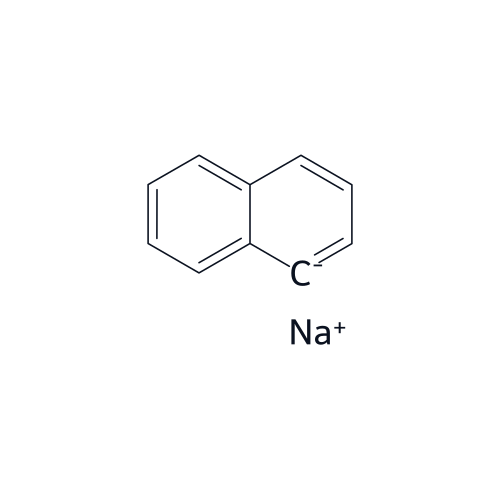
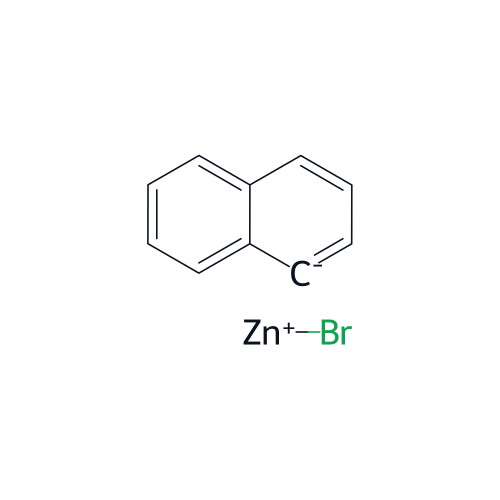
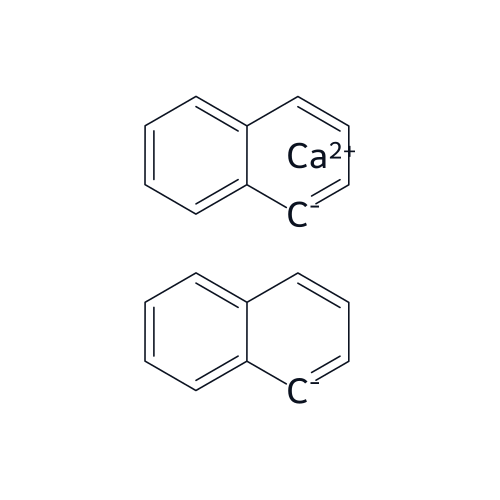
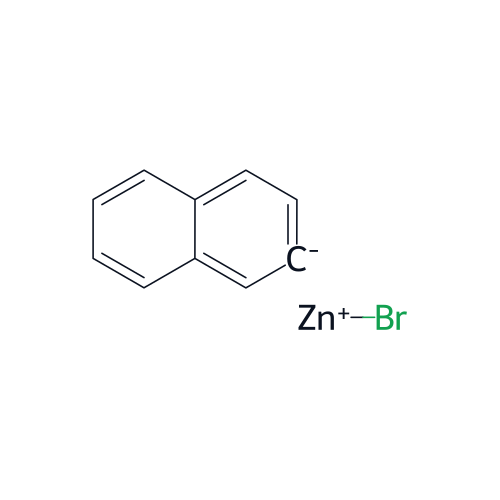
Salt and hydrate forms
Records that share this compound as their parent



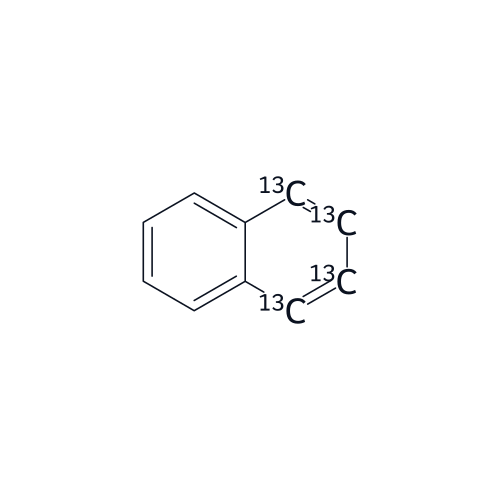
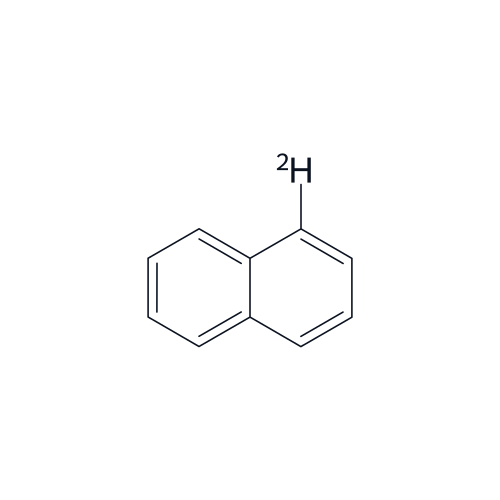
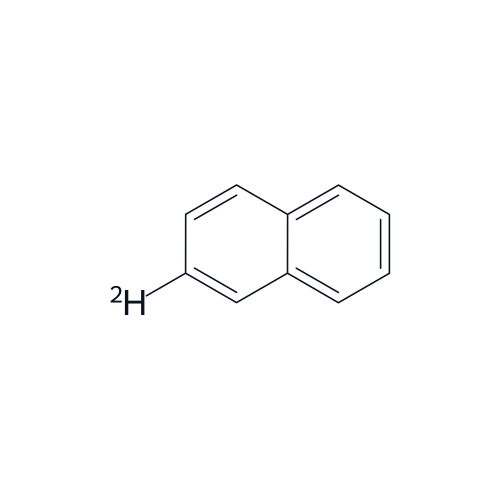
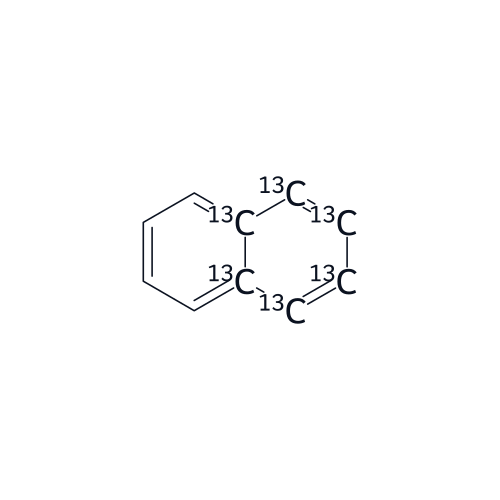
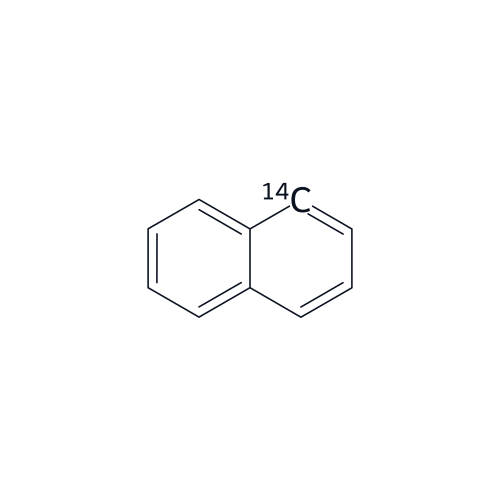
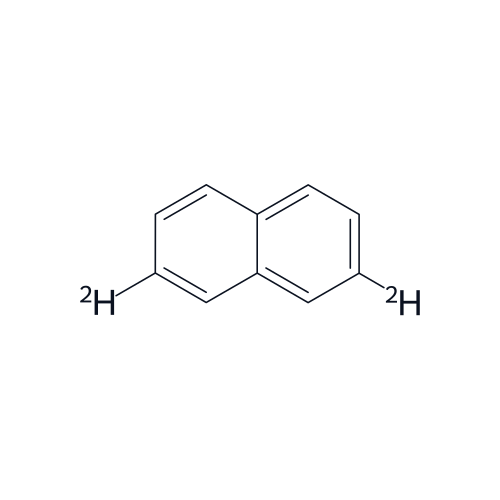
Stereoisomers and isotopic forms
Same connectivity, different stereochemistry or isotopes (same InChIKey skeleton)

Similar structures
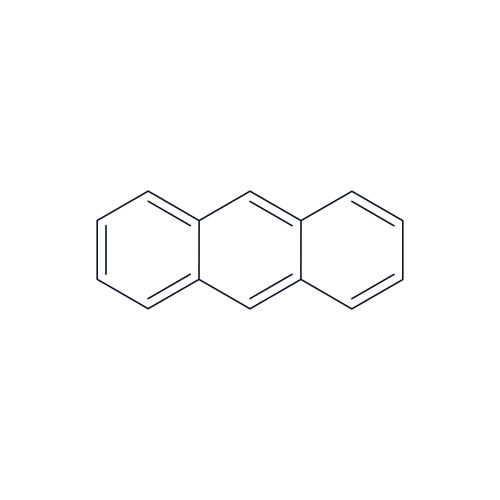
Nearest neighbours by Morgan fingerprint Tanimoto similarity
Same formula isomers
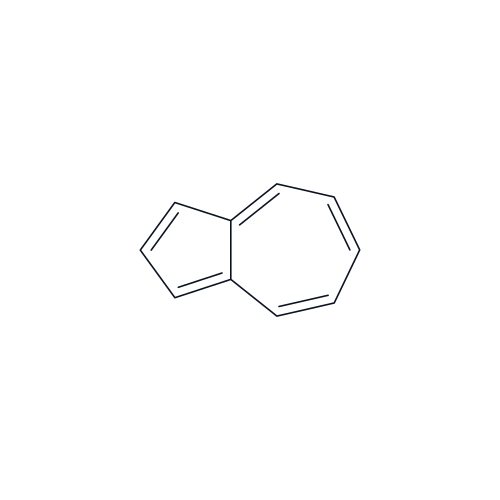
Different compounds that share this molecular formula
Frequently asked questions
Quick answers about Naphthalene, based on the data on this page
What is Naphthalene?
What is the CAS number of Naphthalene?
What is the molecular formula and weight of Naphthalene?
What is Naphthalene used for?
Is Naphthalene hazardous?
What is the HS code of Naphthalene?
Where can I buy Naphthalene?
Where can I buy Naphthalene in India?
What is the price of Naphthalene?
Guides for buyers
Practical guides that help when you source, ship or handle Naphthalene
- Guide, Trade and logisticsShipping dangerous goods: UN numbers, classes and packing groupsHow the UN dangerous goods system works for chemicals, from the nine classes and UN numbers to packing groups, UN packaging marks, labels, documents and segregation.Read
- Guide, SafetyHow to read a safety data sheet in 10 minutesA section by section method to pull the essentials out of any 16 section SDS: identity, hazards, composition, storage, PPE, properties, transport and emergency measures.Read
- Guide, SafetyGHS pictograms, signal words and hazard statements explainedA practical guide to the nine GHS pictograms, the signal words Danger and Warning, H and P statements, and how to read a chemical label in seconds.Read
Get quotes for Naphthalene
Embed this structure on your websiteShow code
Paste this code into your page to show the 2D structure of Naphthalene with a 3D view, its CAS number where known and a link back to this page. Free to use with the link kept.
<iframe src="https://www.compoundlist.com/embed/structure/naphthalene-91-20-3" title="Naphthalene structure on CompoundList" width="360" height="420" style="border:1px solid #E7E2DA;border-radius:12px;max-width:100%" loading="lazy" referrerpolicy="strict-origin-when-cross-origin"></iframe>Explore more in Aromatics or HS code 270740