Anthracene
Also known as Paranaphthalene, Anthracin, Tetra Olive N2G
Key facts
What buyers check first
- Appearance
- Monoclinic plates from alcohol recrystallization, when pure, colorless with violet fluor…
- Melting point
- 216 °C
- Boiling point
- 341.3 °C
- Density
- 1.25-1.28 g/cm³
- Flash point
- 121 °C
- HS code
- 290290
- Category
- Aromatic building blocks
What is Anthracene?
Plain description, key identifiers and synonyms
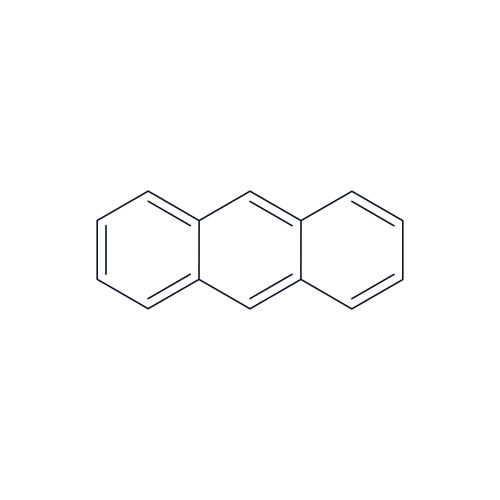
Acene is a polycyclic aromatic hydrocarbon consisting of fused benzene rings in a rectilinear arrangement. It is an ortho-fused polycyclic arene and a member of acenes.
Identifiers
Registry numbers, names and line notations, tap to copy
- IUPAC name
- anthracene
- CAS number
- 120-12-7 CAS number cross-checkedOther or deprecated CAS: 25135-15-3, 54261-80-2
- EC number
- 204-371-1
- Molecular formula
- C14H10
- UNII
- EH46A1TLD7
- MDL number
- MFCD00001240
- InChIKey
- MWPLVEDNUUSJAV-UHFFFAOYSA-N
- InChI
- InChI=1S/C14H10/c1-2-6-12-10-14-8-4-3-7-13(14)9-11(12)5-1/h1-10H
- SMILES (canonical and isomeric)
- C1=CC=C2C=C3C=CC=CC3=CC2=C1
Synonyms
- Paranaphthalene
- Anthracin
- Tetra Olive N2G
- Anthracen
- p-Naphthalene
- Sterilite hop defoliant
- Anthraxcene
- Anthrazen
- Acen
- Anthracene, pure
- Anthracene, analytical standard
- Deuterated anthracene
- acene
- acenes
- antracene
- Azen
- 9-Anthracene
- Anthracene, labeled with deuterium
- Coal tar pitch volatiles:anthracene
- Anthracene, Reagent
- Coal tar pitch volatiles: anthracene
- Hracene
- Anthracene, Practical
- Anthracene- d10
- A89200_aldrich
Show all 34 synonymsShow fewer synonyms
- 40076_Supelco
- 48567_Supelco
- 48647_Supelco
- Anthracene, scintillator
- 331481_Aldrich
- 46051_Riedel
- Anthracene, puriss., 99.0%
- 10580_FLUKA
- 34F - WFD F
Physical and chemical properties
Measured values and descriptors computed from the structure
Physical and chemical properties
Measured values, check the supplier specification for your grade
| Appearance | Monoclinic plates from alcohol recrystallization, when pure, colorless with violet fluorescenceexp.Measured value |
|---|---|
| Odour | Weak aromatic odorexp.Measured value |
| Melting point | 216 °Cexp.Measured value |
| Boiling point | 341.3 °Cexp.Measured value |
| Density | 1.25-1.28 g/cm³exp.Measured value |
| Flash point | 121 °Cexp.Measured value |
| Autoignition temperature | 540 °Cexp.Measured value |
| Solubility | In water, 4.34 × 10⁻² mg/L at 24 °Cexp.Measured value |
| Vapour pressure | VP: 1 mm Hg at 145 °C (sublimes)exp.Measured value |
Values vary by grade. Ask suppliers for the COA or TDS of the batch you buy.
Computed descriptors
Calculated from the structure, useful for screening and formulation
| Molecular weight | 178.23 g/molcalc.Computed value |
|---|---|
| Exact mass | 178.0783 Dacalc.Computed value |
| LogP (octanol/water) | 3.99calc.Computed value |
| Topological polar surface area | 0 Ųcalc.Computed value |
| Hydrogen bond donors | 0calc.Computed value |
| Hydrogen bond acceptors | 0calc.Computed value |
| Rotatable bonds | 0calc.Computed value |
| Heavy atoms | 14calc.Computed value |
| Rings | 3calc.Computed value |
| Aromatic rings | 3calc.Computed value |
| Fraction sp3 carbons | 0calc.Computed value |
| Formal charge | 0calc.Computed value |
| Stereocentres | 0calc.Computed value |
| Lipinski rule of five | Passes (0 violations)calc.Computed value |
Calculated for screening. Confirm critical figures with the supplier.
Murcko scaffold
The ring system that remains when every side chain is removed
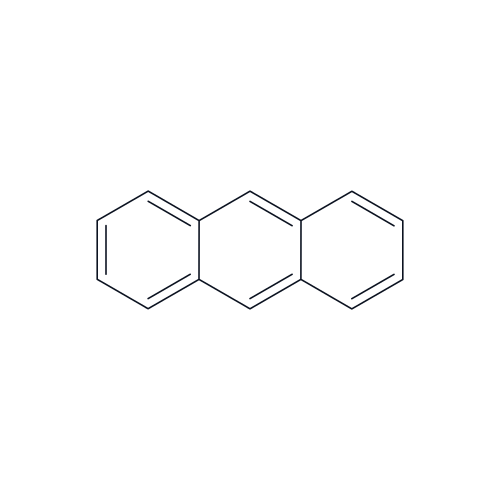
c1ccc2cc3ccccc3cc2c1
3 rings, 14 atoms. This chemical is the scaffold itself.
1,181 other chemicals share this scaffoldSafety and hazards
GHS classification summary, not a safety data sheet
Hazard statements
- H315Causes skin irritation.
- H319Causes serious eye irritation.
- H350May cause cancer.
- H400Very toxic to aquatic life.
- H410Very toxic to aquatic life with long lasting effects.
Precautionary statements (15)
- P203Obtain, read and follow all safety instructions before use.
- P264Wash skin thoroughly after handling.
- P264 + P265Wash skin thoroughly after handling. Do not touch eyes.
- P273Avoid release to the environment.
- P280Wear protective gloves, protective clothing, eye protection and face protection.
- P302 + P352If on skin: Wash with plenty of water.
- P305 + P351 + P338If in eyes: Rinse cautiously with water for several minutes. Remove contact lenses, if present and easy to do. Continue rinsing.
- P318If exposed or concerned, get medical advice.
- P321Specific treatment (see supplemental first aid instructions on the label).
- P332 + P317If skin irritation occurs: Get medical help.
- P337 + P317If eye irritation persists: Get medical help.
- P362 + P364Take off contaminated clothing. And wash it before reuse.
- P391Collect spillage.
- P405Store locked up.
- P501Dispose of contents and container in accordance with local regulations.
GHS classification summary, not a safety data sheet (SDS). Classifications can differ by supplier, grade and concentration. Always check the supplier's SDS.
Full safety data and first aidAnthracene suppliers
Sponsored listings first, then the documented ranking: membership, verification, replies, completeness, freshness and ratings
- Price on request
- China, AnshanUnclaimed profileAnthraceneGrade, purity and minimum order on requestPrice on request
- Price on request
- India, GurugramUnclaimed profileAnthraceneGrade, purity and minimum order on requestPrice on request
- Price on request
- Price on request
- Price on request
- ChinaUnclaimed profileAnthraceneGrade, purity and minimum order on requestPrice on request
- Price on request
- Price on request
Suppliers marked Unclaimed profile have not claimed their profile yet. They are not verified by CompoundList, their offers are price on request and details may have changed, so please confirm them with the supplier. Company representatives can claim a profile with a business email on the company's own website domain. Our team verifies each claim and sends the result by email.
Where suppliers are based
112 suppliers in 16 countries
- United States39
- China33
- India14
- Germany4
- United Kingdom3
- Canada2
- and 10 more countries
Send one request to many suppliers
Choose up to 10 suppliers or let us match your request. Compare quotes side by side, free.
Anthracene price
Indicative price range per kg from live supplier offers
Suppliers quote this chemical on request. Send one free request and compare quotes side by side.
Uses and applications
What the substance is used for, by industry and function
Important source of dyestuffs (manufacturing anthraquinone, alizarin dyes).
Dyes, alizarin, phenanthrene, carbazole, anthraquinone, calico printing, a component of smoke screens, scintillation counting crystals, organic semiconductor research.
Intermediate for the synthesis of anthraquinone.
The use of anthracene as a plasticizer for thermosetting resins and as a light stabilizer for polymers has been proposed. The use of anthracene derivatives as building blocks for engineering plastics was also suggested.
Industrial uses: Preservative.
Industries and functions
Pharmacology
Anthracene is anthracene, also called paranaphthalene or green oil, a solid polycyclic aromatic hydrocarbon (PAH) consisting of three benzene rings derived from coal-tar, is the simplest tricyclic aromatic hydrocarbon. It is on the EPA's priority pollutant list. It is ubiquitous in the environment as a product of incomplete combustion of fossil fuels. It has been identified in surface and drinking water, ambient air, exhaust emissions, smoke of cigarettes and cigars, and in smoked foods and edible aquatic organisms.
Read more
It is primarily used as an intermediate in the production of dyes, smoke screens, scintillation counter crystals, and in organic semiconductor research. Although a large body of literature exists on the toxicity of PAHs, data for anthracene are limited. Prolonged exposure causes variety of topical and systemic adverse reactions. Carcinogenicity bioassays with anthracene generally gave negative results.
How it is made
1) By salting out from crude anthracene oil and draining. The crude salts are purified by pressing and finally phenanthrene and carbazole are removed by the use of various solvents. 2) By distilling crude anthracene oil with alkali carbonate in iron retorts, the distillate contains only anthracene and phenanthrene. The latter is removed by carbon disulfide.
Obtained from coal tar.
High-temperature coal tar contains, on average, 1.5% of anthracene. Continuous tar distillation concentrates the anthracene in the fraction boiling between 300 and 360 °C (anthracene oil I).
Read more
This oil amounts to 15 - 20% of the raw tar and contains about 7% anthracene, it is cooled to 20 - 30 °C and then centrifuged. About 10-15 % of the crude anthracene oil I is obtained as a yellow-green crystalline material with an anthracene content of 20 - 35% (anthracene residues). These residues, which also contain 40 - 50% phenanthrene and 12-20% carbazole, are crystallized or distilled. Distillation yields a crude product containing 45 - 55% anthracene (50s anthracene). A 50s anthracene with an improved quality can be produced by two-step continuous column distillation. The crude 50s anthracene then is purified by recrystallization from selective solvents and by distillation. Repeated recrystallization from a three- to fourfold excess of pyridine produces anthracene (95% purity) from the 50s anthracene in 80% yield relative to the anthracene content. ...
Regulatory status
Inventories, regulations and trade controls that list this substance
Health and food
- EU Cosmetics Regulation Annex II, prohibited in cosmeticsName: Anthracene oil, Ref no: 38, Annex ref: II/38
United States
- TSCA inventory (USA)Status: Active in US commerce
HS code and trade data
Customs classification and reported world trade statistics
Global trade
World import and export statistics for the HS code Anthracene is traded under.
Cyclic hydrocarbons, other
- Germany11.1%
- United States10.6%
- South Korea8.3%
* Partner reported figures, a lower bound.
The HS code shown for Anthracene is indicative (it was assigned by structure rules). Confirm the classification with your customs broker before shipping.
Related chemicals
Parent and salt forms, stereoisomers, similar structures and isomers
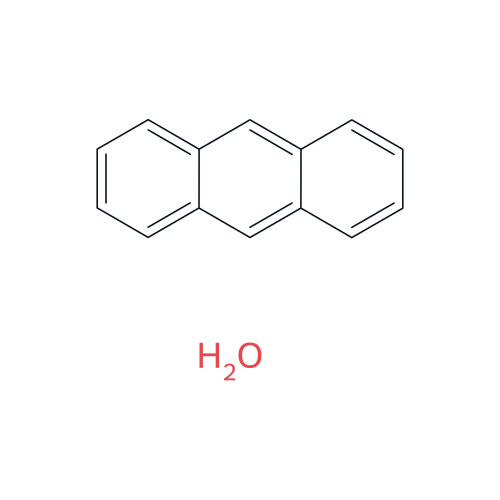
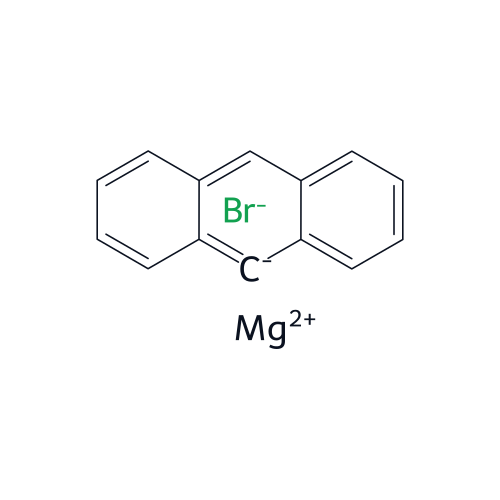
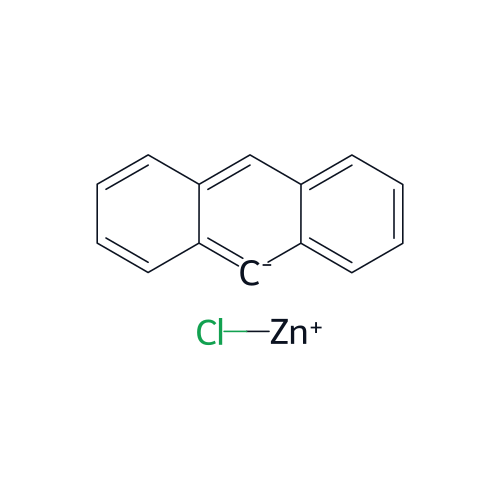
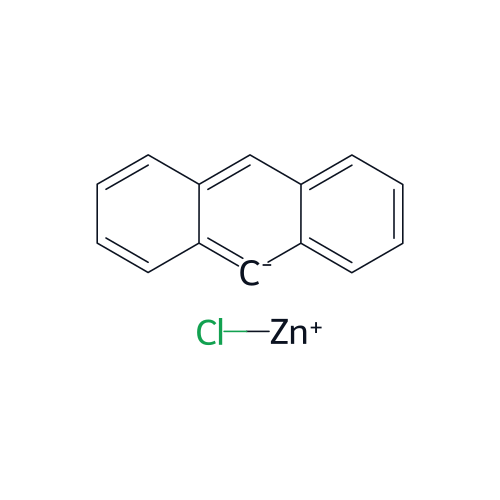
Salt and hydrate forms
Records that share this compound as their parent

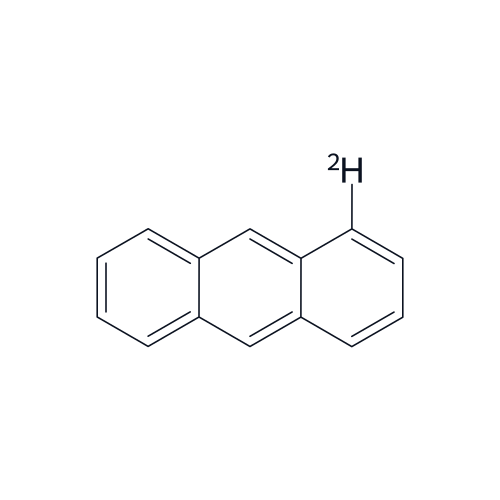
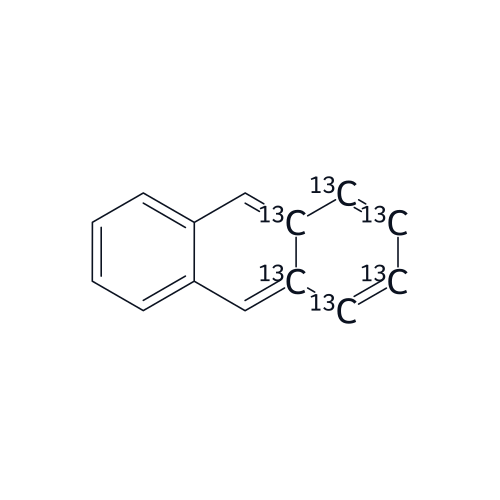
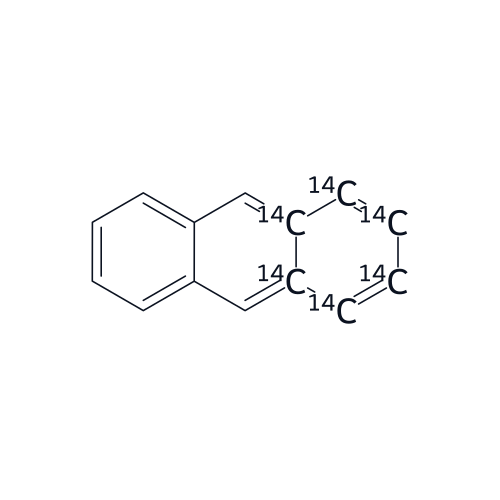
Stereoisomers and isotopic forms
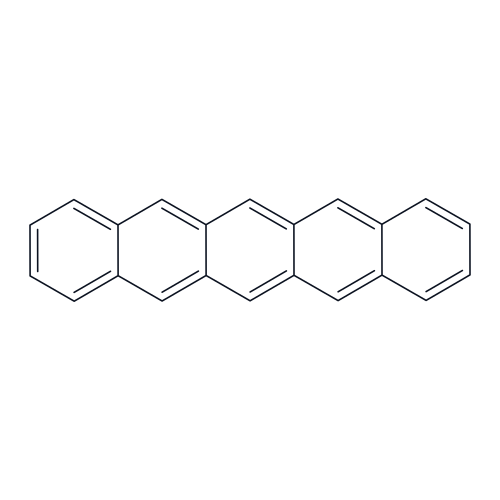
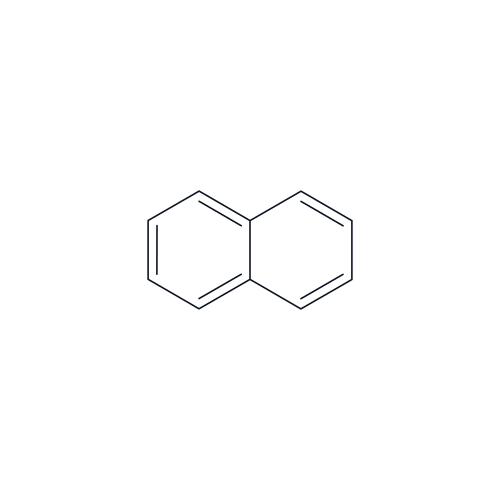
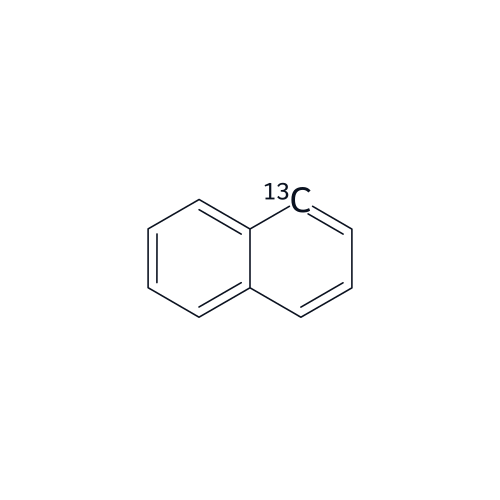
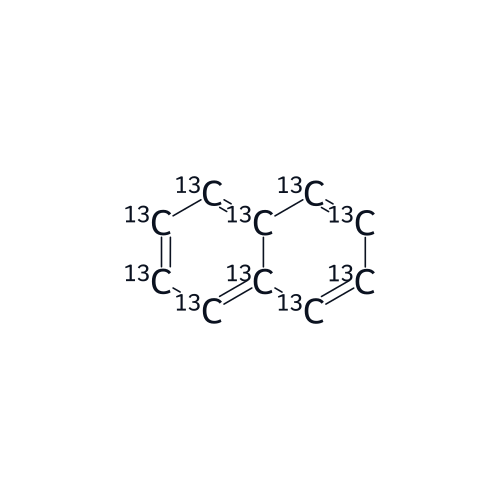
Same connectivity, different stereochemistry or isotopes (same InChIKey skeleton)

Similar structures
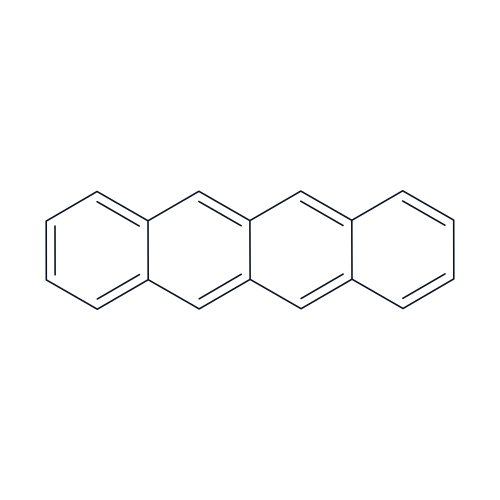
Nearest neighbours by Morgan fingerprint Tanimoto similarity
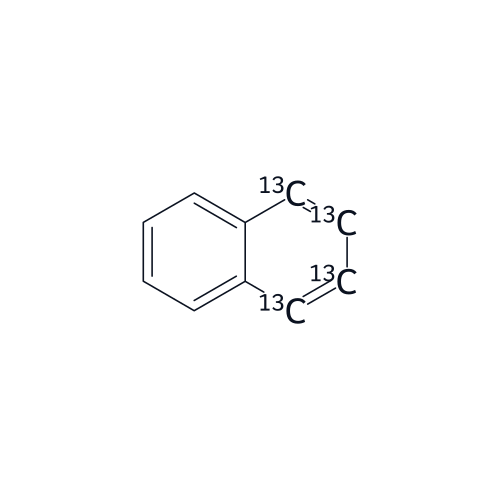
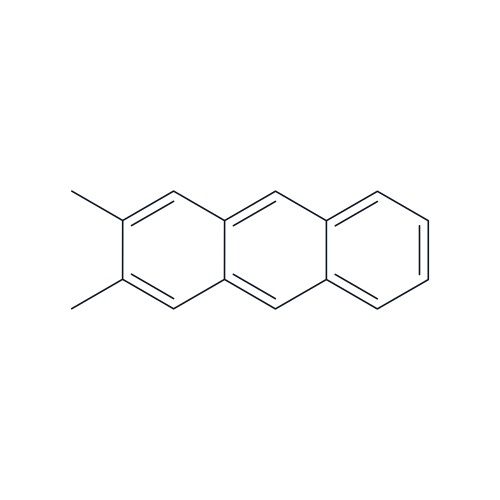

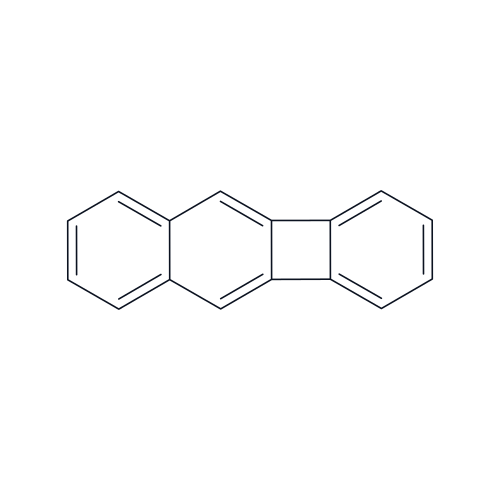
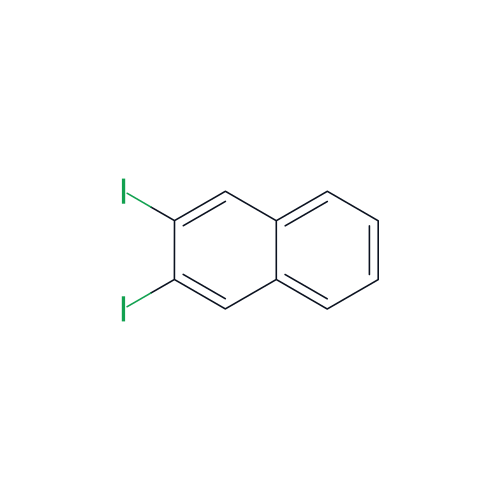
Same formula isomers
Different compounds that share this molecular formula
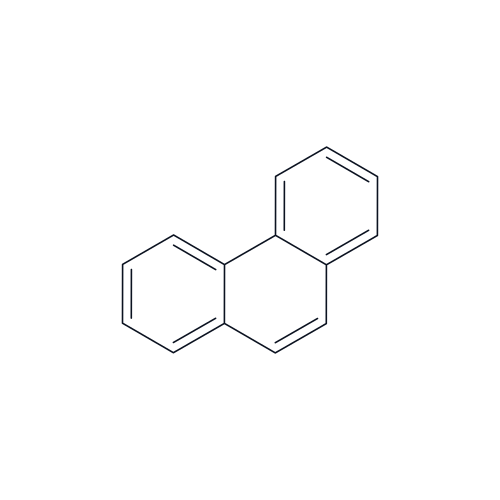

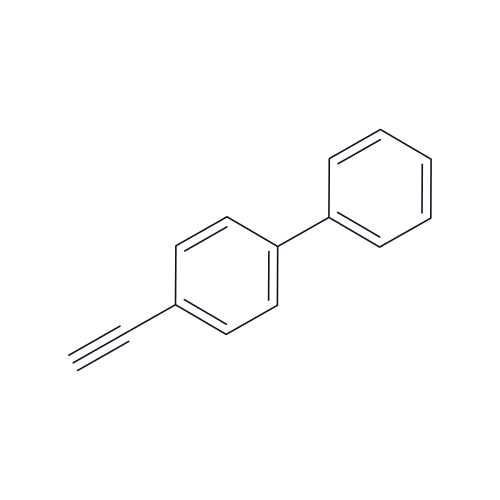
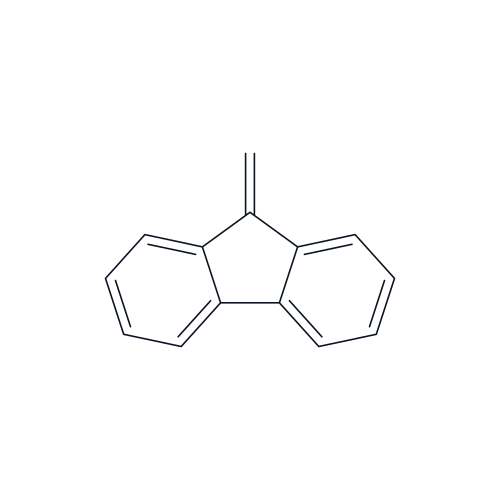

Frequently asked questions
Quick answers about Anthracene, based on the data on this page
What is Anthracene?
What is the CAS number of Anthracene?
What is the molecular formula and weight of Anthracene?
What is Anthracene used for?
Is Anthracene hazardous?
What is the HS code of Anthracene?
Where can I buy Anthracene?
Where can I buy Anthracene in India?
What is the price of Anthracene?
Guides for buyers
Practical guides that help when you source, ship or handle Anthracene
- Guide, SafetyHow to read a safety data sheet in 10 minutesA section by section method to pull the essentials out of any 16 section SDS: identity, hazards, composition, storage, PPE, properties, transport and emergency measures.Read
- Guide, SafetyGHS pictograms, signal words and hazard statements explainedA practical guide to the nine GHS pictograms, the signal words Danger and Warning, H and P statements, and how to read a chemical label in seconds.Read
- Guide, Chemical identityCAS registry numbers explainedWhat a CAS number identifies, how the check digit works, why one chemical can have several numbers and what a CAS number cannot tell you about a product.Read
Get quotes for Anthracene
Embed this structure on your websiteShow code
Paste this code into your page to show the 2D structure of Anthracene with a 3D view, its CAS number where known and a link back to this page. Free to use with the link kept.
<iframe src="https://www.compoundlist.com/embed/structure/anthracene-120-12-7" title="Anthracene structure on CompoundList" width="360" height="420" style="border:1px solid #E7E2DA;border-radius:12px;max-width:100%" loading="lazy" referrerpolicy="strict-origin-when-cross-origin"></iframe>Explore more in Aromatic building blocks or HS code 290290