Nortriptyline safety data
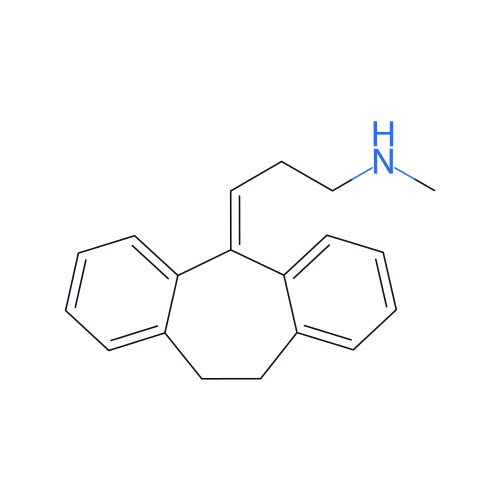
GHS classification summary, not a safety data sheet (SDS). Classifications can differ by supplier, grade and concentration. Always check the supplier's SDS.
GHS classification
Pictograms, signal word and hazard classes of the GHS classification
Hazard classes and categories
- Acute Tox. 4 (oral)
Hazard statements
H codes grouped by type. Percentages show the share of classification notifications that report the statement
Health hazards
- H302Harmful if swallowed.
Precautionary statements
P codes for prevention, response, storage and disposal
Prevention
- P264Wash skin thoroughly after handling.
- P270Do not eat, drink or smoke when using this product.
Response
- P301 + P317If swallowed: Get medical help.
- P330Rinse mouth.
Disposal
- P501Dispose of contents and container in accordance with local regulations.
Handling, storage and disposal
Summaries only, follow the supplier SDS for your grade
Safe handling
Eye/face protection: Safety glasses with side-shields conforming to EN166. Use equipment for eye protection tested and approved under appropriate government standards such as NIOSH (US) or EN 166(EU). /Nortriptyline hydrochloride/ Skin protection: Handle with gloves. /Nortriptyline hydrochloride/
Storage
Store at 20 deg to 25 °C (68 deg to 77 °F) Keep container tightly closed in a dry and well-ventilated place. Light sensitive. Keep in a dry place. /Nortriptyline hydrochloride/
Disposal
SRP: Expired or waste pharmaceuticals shall carefully take into consideration applicable DEA, EPA, and FDA regulations. It is not appropriate to dispose by flushing the pharmaceutical down the toilet or discarding to trash. If possible return the pharmaceutical to the manufacturer for proper disposal being careful to properly label and securely package the material. Alternatively, the waste pharmaceutical shall be labeled, securely packaged and transported by a state licensed medical waste contractor to dispose by burial in a licensed hazardous or toxic waste landfill or incinerator. Product: Offer surplus and non-recyclable solutions to a licensed disposal company. Contact a licensed professional waste disposal service to dispose of this material.
Exposure limits and toxicity
Occupational exposure limits and toxicity data
Symptoms of overdose/poisoning include the following: arrhythmias, bundle branch block, cardiac arrest, hypotension, circulatory collapse, mydriasis, blurred vision, tachycardia, vasodilation, urinary retention, decreased gastrointestinal motility, decreased bronchial secretions, dry mucous membranes and skin, hypothermia, respiratory depression, seizures, abnormal tendon reflexes, disorientation, agitation, myoclonic jerks, coma and pyramidal signs. A woman with chronic obstructive pulmonary disease receiving nortriptyline experienced depression of CO2 sensitivity and ventilatory load compensation with a concomitant increase in exercise tolerance with decreased dyspnea.
Supplier safety data sheets
SDS documents uploaded by suppliers who list this chemical
No supplier has uploaded an SDS for Nortriptyline yet. Suppliers usually send one with their quote. Request quotes
Safety questions
Quick answers about handling Nortriptyline safely
Is Nortriptyline hazardous?
Which GHS pictograms apply to Nortriptyline?
How should Nortriptyline be stored?
Where can I get the SDS for Nortriptyline?
GHS classification summary, not an SDS. Always check the supplier's SDS. Last updated 7 Oct 2026. Report an error