Pendimethalin safety data
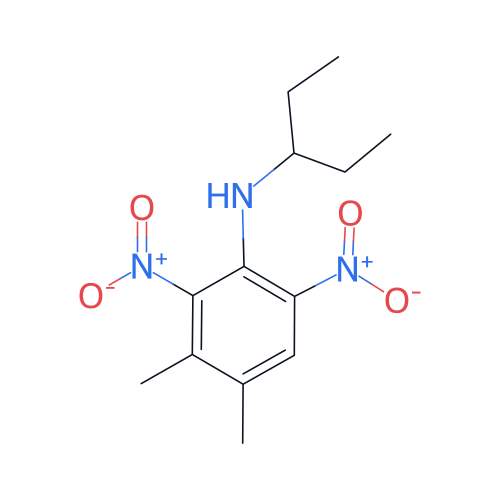
GHS classification summary, not a safety data sheet (SDS). Classifications can differ by supplier, grade and concentration. Always check the supplier's SDS.
GHS classification
Pictograms, signal word and hazard classes of the GHS classification
Hazard classes and categories
- Repr. 2
- Aquatic Acute 1
- Aquatic Chronic 1
Hazard statements
H codes grouped by type. Percentages show the share of classification notifications that report the statement
Health hazards
- H361dSuspected of damaging the unborn child.
Environmental hazards
- H400Very toxic to aquatic life.
- H410Very toxic to aquatic life with long lasting effects.
Precautionary statements
P codes for prevention, response, storage and disposal
Prevention
- P203Obtain, read and follow all safety instructions before use.
- P273Avoid release to the environment.
- P280Wear protective gloves, protective clothing, eye protection and face protection.
Response
- P318If exposed or concerned, get medical advice.
- P391Collect spillage.
Storage
- P405Store locked up.
Disposal
- P501Dispose of contents and container in accordance with local regulations.
Handling, storage and disposal
Summaries only, follow the supplier SDS for your grade
Safe handling
Engineering Controls for Aerial Application: Pilots must use an enclosed cockpit that meets the requirements listed in the Worker Protection Standard for agricultural pesticides [40 CFR 170.240(d)(6)]. Engineering Controls for Flagging for Aerial Applications: Human flagging is prohibited. Flagging to support aerial application is limited to the use of Global Positioning System (GPS) or mechanical flaggers.
Storage
Store above 40 °F. Extended storage at temperatures less than 40 °F can result in the formation of crystals on the bottom of the container. If crystallization does occur, store the container on its side at room temperature (70 °F) and rock occasionally until crystals redissolve. Do not store near food or feed products.
Disposal
Do not discharge effluent containing this product into lakes, streams, ponds, estuaries, oceans, or public waters unless in accordance with the requirements of a National Pollutant Discharge Eliminations System (NPDES) permit and the permitting authority has been notified in writing prior to discharge. Do not dis charge effluent containing this product to sewer systems without previously notifying the local sewage treatment plant authority. For guidance, contact your State Water Board or Regional Office of the Environmental Protection Agency.
Exposure limits and toxicity
Occupational exposure limits and toxicity data
Inhalation of material may be harmful. Contact may cause burns to skin and eyes. Inhalation of Asbestos dust may have a damaging effect on the lungs. Fire may produce irritating, corrosive and/or toxic gases. Some liquids produce vapors that may cause dizziness or asphyxiation. Runoff from fire control or dilution water may cause environmental contamination.
Transport information
UN dangerous goods classification for road, sea and air
- UN number
- UN 3077
Shipping rules depend on mode, quantity and packaging. Confirm the classification with the supplier SDS and your freight forwarder.
Supplier safety data sheets
SDS documents uploaded by suppliers who list this chemical
No supplier has uploaded an SDS for Pendimethalin yet. Suppliers usually send one with their quote. Request quotes
Safety questions
Quick answers about handling Pendimethalin safely
Is Pendimethalin hazardous?
Which GHS pictograms apply to Pendimethalin?
What is the UN number of Pendimethalin?
How should Pendimethalin be stored?
Where can I get the SDS for Pendimethalin?
GHS classification summary, not an SDS. Always check the supplier's SDS. Last updated 7 Oct 2026. Report an error