Phenanthridine safety data
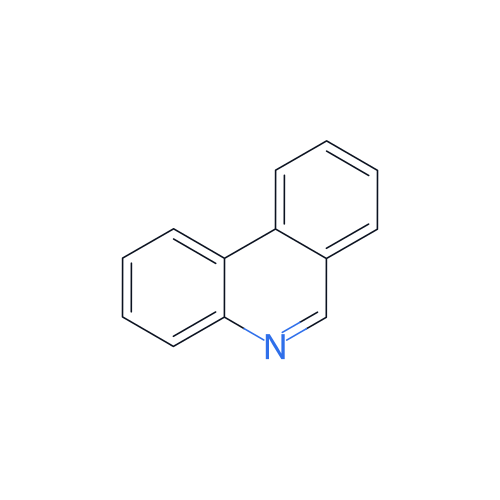
GHS classification summary, not a safety data sheet (SDS). Classifications can differ by supplier, grade and concentration. Always check the supplier's SDS.
GHS classification
Pictograms, signal word and hazard classes of the GHS classification
Hazard classes and categories
- Acute Tox. 3 (oral)
- Skin Irrit. 2
- Eye Dam. 1
- STOT SE 3 (respiratory irritation)
Hazard statements
H codes grouped by type. Percentages show the share of classification notifications that report the statement
Health hazards
- H301Toxic if swallowed.
- H315Causes skin irritation.
- H318Causes serious eye damage.
- H335May cause respiratory irritation.
Precautionary statements
P codes for prevention, response, storage and disposal
Prevention
- P261Avoid breathing dust, fume, gas, mist, vapours or spray.
- P264Wash skin thoroughly after handling.
- P264 + P265Wash skin thoroughly after handling. Do not touch eyes.
- P270Do not eat, drink or smoke when using this product.
- P271Use only outdoors or in a well-ventilated area.
- P280Wear protective gloves, protective clothing, eye protection and face protection.
Response
- P301 + P316If swallowed: Get emergency medical help immediately.
- P302 + P352If on skin: Wash with plenty of water.
- P304 + P340If inhaled: Remove person to fresh air and keep comfortable for breathing.
- P305 + P354 + P338If in eyes: Immediately rinse with water for several minutes. Remove contact lenses, if present and easy to do. Continue rinsing.
- P317Get medical help.
- P319Get medical help if you feel unwell.
- P321Specific treatment (see supplemental first aid instructions on the label).
- P330Rinse mouth.
- P332 + P317If skin irritation occurs: Get medical help.
- P362 + P364Take off contaminated clothing. And wash it before reuse.
Storage
- P403 + P233Store in a well-ventilated place. Keep container tightly closed.
- P405Store locked up.
Disposal
- P501Dispose of contents and container in accordance with local regulations.
First aid
General first aid measures. Get medical advice if you feel unwell
Handling, storage and disposal
Summaries only, follow the supplier SDS for your grade
Safe handling
RECOMMENDED RESPIRATOR: Where the neat test chemical is weighed and diluted, wear a NIOSH-approved half face respirator equipped with an organic vapor/acid gas cartridge (specific for organic vapors, HCl, acid gas and SO2) with a dust/mist filter.
Exposure limits and toxicity
Occupational exposure limits and toxicity data
TOXIC and/or CORROSIVE, inhalation, ingestion or skin contact with material may cause severe injury or death. Contact with molten substance may cause severe burns to skin and eyes. Avoid any skin contact. Fire may produce irritating, corrosive and/or toxic gases. Runoff from fire control or dilution water may be corrosive and/or toxic and cause environmental contamination.
Transport information
UN dangerous goods classification for road, sea and air
- UN number
- UN 2811
Shipping rules depend on mode, quantity and packaging. Confirm the classification with the supplier SDS and your freight forwarder.
Supplier safety data sheets
SDS documents uploaded by suppliers who list this chemical
No supplier has uploaded an SDS for Phenanthridine yet. Suppliers usually send one with their quote. Request quotes
Safety questions
Quick answers about handling Phenanthridine safely
Is Phenanthridine hazardous?
Which GHS pictograms apply to Phenanthridine?
What is the UN number of Phenanthridine?
Where can I get the SDS for Phenanthridine?
GHS classification summary, not an SDS. Always check the supplier's SDS. Last updated 7 Oct 2026. Report an error